BMO Field Handover Looms May 12 as Toronto Sprints to FIFA World Cup Readiness
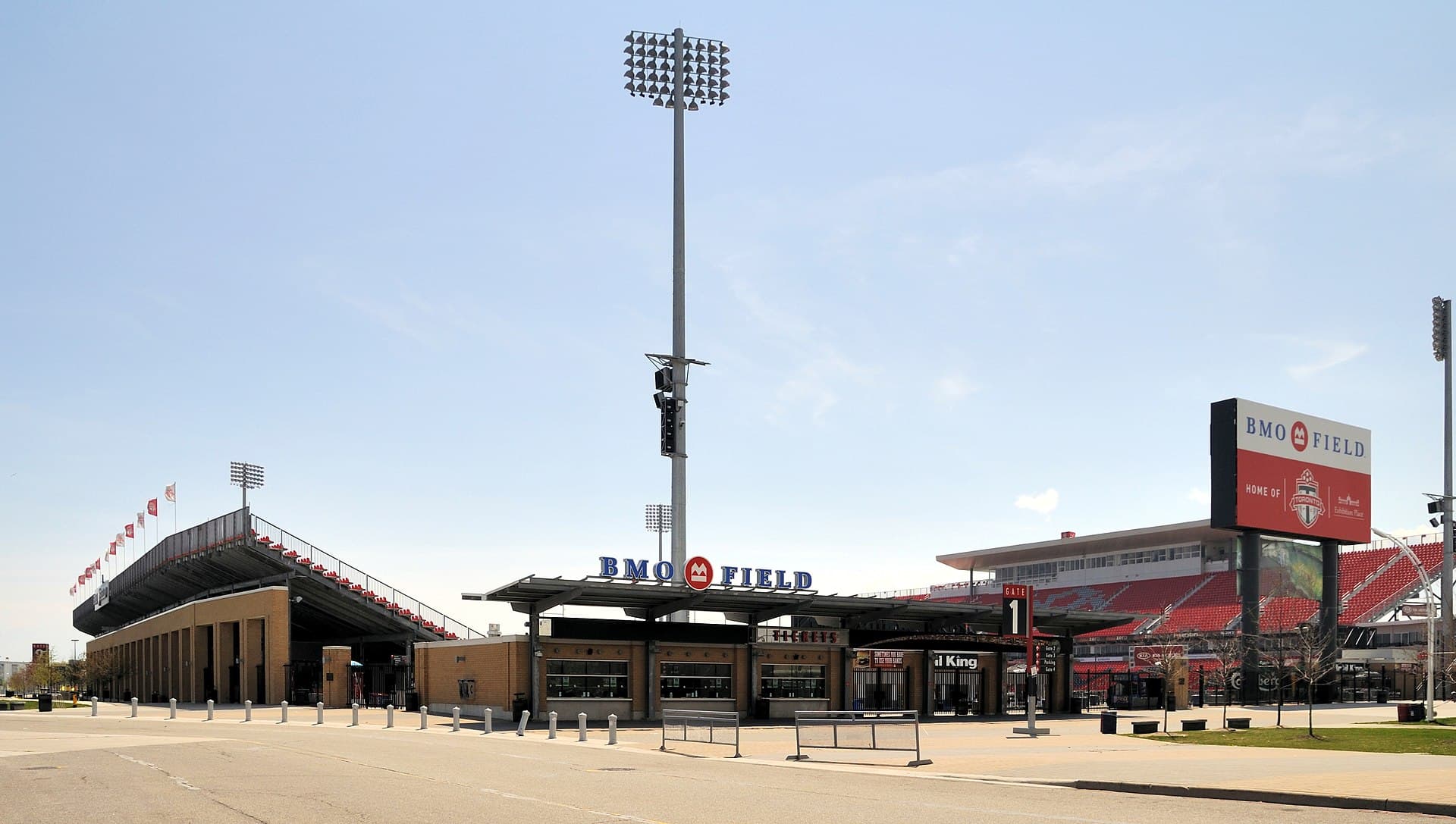
Toronto's BMO Field is in the final phase of its transformation for the FIFA World Cup 2026, with the stadium scheduled to be handed over to FIFA on May 12, exactly 30 days before the city's opening match on June 12. The deadline is a hard one in FIFA's protocols, and crews on the ground are working to complete the second-phase expansion that will boost the venue's tournament capacity to roughly 45,000 seats.
The BMO Field expansion is part of a broader infrastructure push that has been under way for more than a year in Canada's two host cities. Toronto and Vancouver will each host seven World Cup matches between June and July, with the tournament's first match in Canada featuring the men's national team at BMO Field. The transition from a Major League Soccer venue to a FIFA-ready World Cup stage has been a major logistical and political project.
The handover and what it means
FIFA's stadium handover protocol requires host venues to be turned over to the world governing body 30 days before the first match at that location. From the moment of handover, FIFA controls all access to the stadium, with branding, security, broadcast preparations and final pitch checks proceeding under FIFA's authority. Local stadium operators step back from day-to-day management, although Toronto FC and other tenants have been working closely with FIFA's local organising committee throughout the lead-up.
For Toronto, the handover means that all major construction, seating installation and infrastructure work must be functionally complete by mid-May. Final touches, including signage, hospitality fit-outs and broadcast cabling, can continue under FIFA management, but the building must be in functional World Cup condition by handover day. Project managers have been operating with a tightly choreographed schedule that includes regular FIFA inspections and incremental sign-offs of completed work zones.
The capacity expansion is the most visible piece of the transformation. BMO Field's regular capacity of around 30,000 has been expanded with an additional 17,000 temporary seats to meet FIFA's minimum capacity requirements for the matches scheduled to take place at the stadium. The expansion has involved structural reinforcements, new entry points and additional washroom and concession facilities to handle the larger crowds.
Toronto's tournament profile
The opening match in Canada is set for June 12 at BMO Field, with the men's national team taking on Bosnia and Herzegovina in their tournament opener. The match is one of seven that will be held at the venue across the group stage and round of 32. Match scheduling reflects FIFA's effort to balance Canadian audiences with the broader tournament calendar across the United States and Mexico.
The choice of Toronto as a host city has been celebrated by local political leaders and business groups. The city's diversity, transit infrastructure and existing football culture, anchored by Toronto FC's MLS presence, made it a natural choice. Mayor Olivia Chow's office has been deeply involved in tournament planning, including transportation, public safety and fan zones.
Toronto's tournament profile is also shaped by the city's position as Canada's largest media market. Broadcasters from around the world will be operating from temporary facilities in and around BMO Field, and the city is expected to host hundreds of thousands of visitors across the tournament window. Hotel inventory has been largely committed for tournament dates, with hospitality, transportation and small business sectors all preparing for an unprecedented influx of activity.
Vancouver's parallel preparations
BC Place in Vancouver is also preparing for its World Cup hosting role, with seven matches scheduled at the venue. Vancouver's preparations have followed a similar arc, although the BC Place stadium's existing capacity has required less expansion than BMO Field. The city has focused much of its work on transportation upgrades, fan zones and operational coordination across municipal, provincial and federal authorities.
Both Canadian host cities have benefited from federal infrastructure funding tied directly to tournament readiness. The federal government's Build Communities Strong Fund and other related programs have supported transit improvements, accessibility upgrades and security infrastructure. The combined investment across the two cities runs into the billions of dollars and is expected to leave a long-term legacy of improved sports and cultural infrastructure.
Vancouver's tournament window will run alongside Toronto's, with both cities serving as Canadian gateways for fans, players and media. The cooperation between the two host city teams has been described by federal officials as a model of inter-city coordination, and both cities have been working closely with their American counterparts in the United States and Mexico host cities.
The men's national team in focus
For the Canada men's national soccer team, the 2026 World Cup is a generational opportunity. Canada qualified automatically as a co-host in February 2023 and has been preparing for the tournament since. The team's last competitive matches before final roster decisions came in March, including a scoreless draw with Tunisia and a 2-2 draw with Iceland, results that left the technical staff with mixed feelings ahead of the tournament.
Manager Jesse Marsch is leading the team into the tournament, with final roster decisions due by May 30. Marsch took over the team in 2024 in the wake of post-Copa America rebuilding and has been working to bring out the best in a group that includes a mix of established stars and emerging talent. Players such as Alphonso Davies, Jonathan David and Stephen Eustaquio remain at the centre of the team's identity.
The team's preparation in the weeks ahead will involve final friendly matches, tactical refinement and roster decisions that will shape Canada's prospects in the tournament. The build-up to the June 12 opener at BMO Field is expected to dominate Canadian football coverage through May and into early June, with growing public interest tracking the team's progress.
Economic and cultural impact
Forecasts suggest that the tournament could contribute nearly $183 billion to the broader North American economy through tourism activity. For Canada specifically, the tournament is expected to deliver significant economic benefits in Toronto and Vancouver, including increased hotel occupancy, restaurant traffic, retail sales and broadcasting revenue.
Cultural programming has also been built into the tournament's lead-up. Free public events, fan zones, music programming and cultural exhibitions will mark the tournament window in both host cities. Toronto's diverse communities, in particular, will be central to celebrations as fans of various participating national teams gather to support their squads. The city's neighbourhoods, including Little Italy, Little Portugal, Greektown and Koreatown, are all expected to play prominent roles in the cultural programming.
The tournament is also being positioned as a long-term investment in soccer in Canada. Federal funding has been earmarked for grassroots programs, coaching development and infrastructure upgrades that will outlast the tournament itself. Canada Soccer has emphasised the importance of sustainable growth, including supporting youth participation, women's soccer and community-level facilities.
Logistical challenges
The scale of the tournament has presented serious logistical challenges. Transportation systems in Toronto, including the TTC and GO Transit, have been working through capacity scenarios for match days. Limited parking at BMO Field has been a recurring concern, with FIFA encouraging fans to use transit, biking, ride-share and other transportation modes to reach matches.
Security planning has been led by federal, provincial and municipal authorities working in coordination. The Royal Canadian Mounted Police, Toronto Police Service and Canadian Security Intelligence Service have been preparing for an event of unprecedented scale, including coordinated planning with FIFA's own security operations. The federal government has indicated that significant additional resources will be deployed for tournament-period operations.
Broadcast and media operations are also a major focus. The volume of journalists, technicians and equipment that will be operating in and around BMO Field during the tournament window is enormous, and the local organising committee has been working to ensure that media facilities, accreditation processes and broadcast logistics are ready before the handover deadline.
The MLS season disruption
For Toronto FC, the MLS team that calls BMO Field home, the World Cup means a significant midseason disruption. The team has been scheduled around the tournament window, with multiple home games shifted to alternate venues during the construction and FIFA control periods. Toronto FC has played most of its early-season home games before the handover deadline.
The team's early 2026 results have been mixed. Toronto FC opened the season with a 3-2 win over the Colorado Rapids on April 4, with Josh Sargent scoring the late winner in a match that featured three red cards. Subsequent matches have been competitive, with the team's roster including a mix of established MLS players and new acquisitions designed to compete in the league's playoff race.
For TFC supporters, the World Cup is both a celebration and a logistical challenge. The chance to see top international football at BMO Field is unprecedented, but the inability to attend regular MLS games during the tournament window is a real cost for season-ticket holders. The team's communication with supporters has emphasised the long-term benefits of hosting the tournament while acknowledging the short-term disruption.
What's next
The next two weeks will be dominated by the final push to complete BMO Field renovations and meet the May 12 handover deadline. Construction crews, project managers and FIFA inspectors will be working closely to ensure all systems are operational and that the stadium meets FIFA's specifications. Once the handover takes place, public attention will shift to FIFA's own programming, including pre-tournament events and the build-up to the opening match.
For Canada Soccer and the men's national team, the timeline narrows quickly through May. Final roster announcements, additional friendlies and detailed tactical preparation will fill the schedule. Marsch's selections will be scrutinised closely, with the public eager to see how Canada lines up for what will be the country's most significant sporting moment in years.
For Canadians more broadly, the World Cup represents an opportunity to host the world. The tournament's combination of athletic competition, cultural exchange and economic activity makes it a unique event, and the success of Toronto and Vancouver as host cities will shape Canada's reputation as an international sports host for years to come. The May 12 handover at BMO Field is the symbolic and operational starting line for what will follow.
Spotted an issue with this article?
Have something to say about this story?
Write a letter to the editor