Ottawa Channels Billions Through Build Canada Homes for Indigenous Housing Strategy
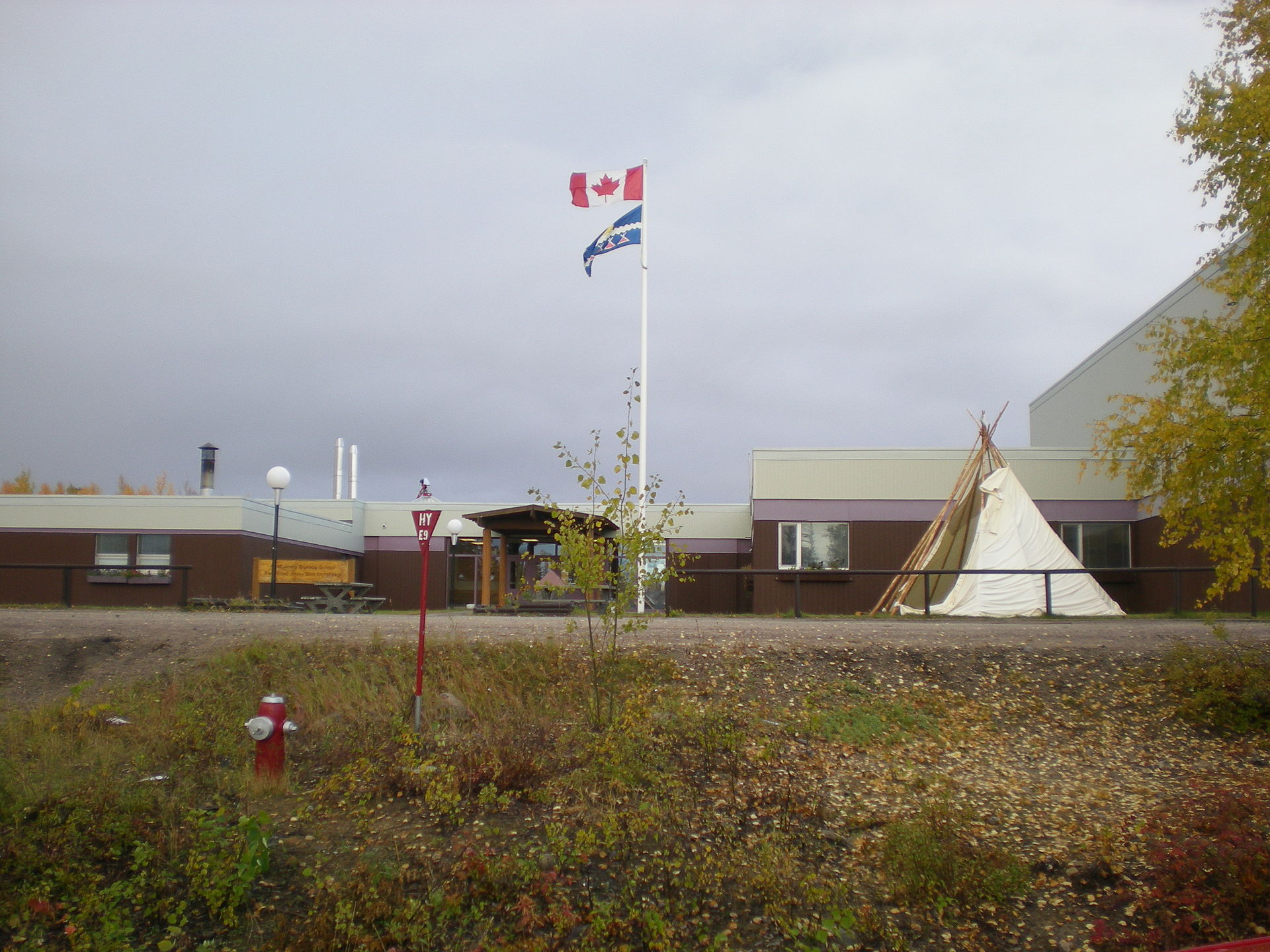
The federal government has unveiled an updated approach to deliver funding through the Urban, Rural and Northern Indigenous Housing Strategy, channelling close to $1.7 billion through the new Build Canada Homes vehicle to support Indigenous housing providers. A further roughly $2 billion will go towards distinctions-based agreements with First Nations, Inuit and Métis partners. The announcement was made in Behchokǫ̀, Northwest Territories, on April 24, marking one of the largest single Indigenous housing commitments in recent years.
The combined package is a test of how effectively the Carney government can translate previously announced budget commitments into housing built and occupied on the ground. Build Canada Homes was created last year to coordinate federal home-building efforts across multiple departments and crown corporations. Its expanded role with Indigenous housing partners will be a closely watched indicator of whether the new structure can deliver more than its predecessors.
What was announced
The federal package comprises two main streams. The first, valued at close to $1.7 billion, will be delivered by Build Canada Homes to Indigenous housing providers serving urban, rural and northern communities. These providers, which include local non-profits, Indigenous-led housing agencies and community organisations, deliver housing to Indigenous people who live outside reserve settings, including in cities such as Winnipeg, Edmonton, Vancouver, Toronto and Montreal.
The second stream, totalling roughly $2 billion, will flow through distinctions-based agreements with First Nations, Inuit and Métis partners. Distinctions-based funding recognises that the housing needs and governance models of First Nations, Inuit and Métis peoples are not interchangeable. First Nations on reserve, Inuit communities across Inuit Nunangat, and Métis settlements have different relationships with the federal government, different infrastructure starting points and different priorities for the housing dollars they receive.
The Behchokǫ̀ announcement was the formal opening of the funding pipelines, with implementation work beginning immediately. Officials in Ottawa have signalled that the first tranche of approved projects under the urban, rural and northern stream will be announced over the coming months, and that detailed funding agreements with First Nations, Inuit and Métis partners are also under negotiation.
The scale of the need
Indigenous housing need in Canada has been documented for decades and remains, by international standards, severe. Overcrowding, mould, inadequate heating and poor water and waste infrastructure are common in many First Nations and Inuit communities. Off-reserve, Indigenous people are disproportionately represented among those who are homeless, precariously housed or in core housing need.
Build Canada Homes was launched in part to address these chronic gaps with a more coordinated federal approach. Until recently, federal housing dollars for Indigenous peoples were spread across the Canada Mortgage and Housing Corporation, Indigenous Services Canada, Crown-Indigenous Relations and Northern Affairs Canada and other agencies. Critics argued that the fragmented model produced administrative friction, slow approvals and inconsistent reporting.
The Carney government has framed Build Canada Homes as a unified delivery vehicle with the authority to coordinate planning, financing and project monitoring across the federal system. Earlier this month, the prime minister announced that Build Canada Homes had approved eight affordable housing projects in Ottawa that will deliver more than 1,100 new rental homes in the city. The Indigenous housing announcement is the next stage of the agency's roll-out.
Reactions from Indigenous leaders
The Assembly of First Nations has welcomed the funding as a meaningful step but has pressed for transparent reporting and Indigenous-led decision-making at every stage. AFN officials have argued that prior federal housing commitments have sometimes been announced multiple times and rolled out slowly, and that this round must be different. The recent renewal of the Declaration of Kinship and Cooperation between the AFN and the National Congress of American Indians, signed in March, has added momentum to international advocacy on Indigenous rights and resources.
Inuit Tapiriit Kanatami, which represents Inuit across Inuit Nunangat, has emphasised that distinctions-based funding must reflect the realities of housing in the Arctic. Construction seasons are short, materials must travel long distances and energy systems must operate in extreme conditions. Inuit leaders have called for funding cycles that align with northern logistics and for partnerships that build local construction capacity rather than rely solely on imported labour.
The Métis National Council has highlighted the importance of housing for Métis families who live across the prairies and beyond, often in mid-sized cities and rural settings. The council has argued that Métis-led organisations are well positioned to deliver effective programs because of their direct ties with the communities they serve. Provincial Métis governing bodies have signalled their readiness to negotiate sub-agreements that fit each region's housing market.
The role of Build Canada Homes
Build Canada Homes is increasingly central to the Carney government's housing agenda. The agency is responsible for coordinating federal home-building activity, identifying surplus federal land that can be repurposed for housing, working with provinces and municipalities on regulatory pathways, and delivering financing for affordable rental and supportive housing projects. Recent announcements have included partnerships with Ontario to cut taxes on housing and to boost supply, as well as the eight Ottawa projects unveiled earlier this month.
For Indigenous housing, the agency's role will involve managing the urban, rural and northern stream while supporting distinctions-based negotiations led by Crown-Indigenous Relations and Northern Affairs Canada. Officials have stressed that the goal is not to replace Indigenous-led delivery agencies but to back them with stable funding and unified federal supports. Build Canada Homes is expected to publish performance metrics over time, including units delivered, time-to-occupancy and resident outcomes.
Critics will be watching the agency closely. Past federal housing initiatives have struggled to translate large announcements into the same number of completed homes, particularly in the affordable and supportive segments. The Carney government has acknowledged that execution risk is real and has indicated that Build Canada Homes will be evaluated on results rather than announcements.
The federal political backdrop
The funding announcement comes in the context of a broader federal effort to address the cost-of-living and housing crises. Prime Minister Carney has linked his government's economic agenda to the country's housing supply, arguing that Canada's productivity and competitiveness require building more homes faster. The federal government has set ambitious targets for new housing starts, and Build Canada Homes is the central institutional response to those targets.
Conservative Leader Pierre Poilievre has been a vocal critic of past federal housing programs, arguing that municipal and provincial barriers, not federal funding, are the most important constraints on supply. The Conservative position emphasises tax incentives, faster permitting and a smaller direct federal role. New Democratic and Bloc Québécois critiques have focused more on whether federal supports reach the lowest-income households and whether enough is being directed to non-market rental housing rather than market-rate construction.
The Indigenous housing component, however, has generally been treated as a non-partisan priority. All major federal parties have publicly supported substantial investment in Indigenous housing, although they differ on delivery mechanisms. The current package builds on previous commitments and is consistent with multi-year planning that began under the previous government.
What it means for communities
For First Nations on reserve, the new funding is meant to support construction, retrofitting and infrastructure that supports housing. Many First Nations communities have housing waitlists measured in years, and overcrowding remains a public health issue, particularly during respiratory illness seasons. Funding is most effective when it is paired with investments in water, wastewater and energy infrastructure, which the federal government has continued to fund through other programs.
For Inuit communities, the package is expected to support continued investment in larger, more energy-efficient homes designed for Arctic conditions. Capital construction in the North is expensive, and Inuit Tapiriit Kanatami has long argued that federal funding levels need to reflect that reality rather than national averages. The new agreements are expected to include indexing and contingency provisions to handle cost overruns linked to climate, transport and supply chain volatility.
For Métis families, the funding will support a mix of homeownership programs, rental housing and transitional supports. Métis governing bodies in Manitoba, Saskatchewan, Alberta, Ontario and British Columbia have built up significant capacity to deliver housing programs in recent years. The new federal commitments are designed to lock in stable, multi-year resources for those organisations.
Provincial and territorial cooperation
The success of the package will depend in part on cooperation with provinces and territories. Indigenous housing programs intersect with provincial responsibilities for child and family services, education, health care and infrastructure. The federal government has indicated that it will work with provinces to align programs and to avoid duplication, while ensuring that Indigenous governance structures lead decision-making about local priorities.
The Northwest Territories government, which hosted the Behchokǫ̀ announcement, has been particularly engaged in housing strategy. Northern housing infrastructure has long suffered from underinvestment, with significant impacts on community well-being. The territorial government and Indigenous governments in the North have urged Ottawa to maintain consistent funding through electoral cycles, citing the long lead times required to plan and build in northern conditions.
Other provinces and territories have asked for clearer information about how federal Indigenous housing dollars relate to provincial housing programs, particularly in cities where housing pressures are highest. The federal government has said that it will publish guidance documents and that Build Canada Homes will work with provincial counterparts to ensure projects move forward smoothly.
What's next
The first round of approved projects under the urban, rural and northern Indigenous housing stream is expected to be announced in the coming months. Distinctions-based agreements with First Nations, Inuit and Métis partners are already under negotiation, with detailed funding profiles expected to be released over the year. Indigenous-led delivery agencies have been preparing project pipelines that they say can absorb the new funding quickly if approval timelines are predictable.
For the Carney government, the political stakes are significant. Housing has been a defining issue in successive federal elections, and Indigenous housing in particular is one of the most visible measures of whether reconciliation commitments translate into improved living conditions. Indigenous leaders, opposition parties and front-line organisations will all be measuring the package against the unit counts, costs and outcomes that it produces.
The bigger picture remains the staggering gap between need and supply in Indigenous housing. Closing that gap will require sustained funding over decades, partnerships with provinces and Indigenous governments, and continued evolution of delivery vehicles such as Build Canada Homes. The Behchokǫ̀ announcement is one step on a long road, and the work of turning commitments into homes will define the next phase.
Spotted an issue with this article?
Have something to say about this story?
Write a letter to the editor