B.C. Wildfire Season Opens Early With Fraser Canyon Fire and Cariboo Evacuation Alerts
British Columbia's 2026 wildfire season has opened earlier and harder than provincial officials had hoped, with active fires in the Fraser Canyon and evacuation alerts issued in parts of the Cariboo. As of late last week, the BC Wildfire Service was reporting 21 active wildfires across the province, including nine that had started within the previous 24 hours. The early activity has reignited concerns that another severe fire summer is in store for the province after three consecutive years of difficult seasons.
Most of the recent fire activity has been concentrated in the central Interior. Fire danger ratings, while currently low to moderate across most of the province, are running high to extreme in pockets within the Kamloops, Cariboo and Prince George Fire Centres. Officials are urging residents in those regions to follow open burning restrictions and to take wildfire preparedness steps, including clearing combustible material from around homes and reviewing evacuation routes.
The Fraser Canyon fire
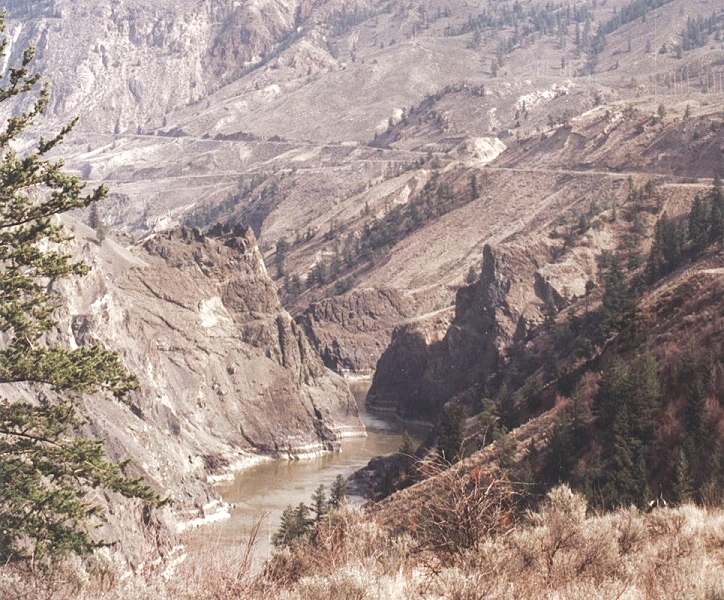
A wildfire near Hell's Gate in the Fraser Canyon prompted some of the earliest mobilisation of the season. Crews have been working to suppress the fire, which has burned in steep terrain along a stretch of the Fraser River that funnels traffic on Highway 1 between Hope and Lytton. The corridor is one of the busiest tourism and freight routes in southwestern British Columbia, and any prolonged closures or smoke impacts have outsized economic implications.
The fire is one of several incidents in the broader Fraser Canyon and Lillooet areas that BC Wildfire Service crews have been responding to in recent days. Aerial detection, water-bombing aircraft and ground crews have been deployed, and additional resources have been positioned in the region as a precaution. Rural residents in the corridor have been urged to register with their regional district emergency programs so they can be reached quickly if conditions deteriorate.
The Lytton area in particular remains highly sensitive given its experience in 2021, when a wildfire essentially destroyed the village amid record-breaking heat. While the current weather pattern is not as extreme, fire managers have stressed that even moderate conditions can produce dangerous fire behaviour after a winter that left some southern Interior soils abnormally dry.
Cariboo evacuation alerts
In the Cariboo, evacuation alerts have been issued for areas around the Konni Lake wildfire, which is burning out of control about 180 kilometres west of 100 Mile House. The fire had grown to about 252 hectares as of the latest update, with 46 personnel deployed to fight it. Aerial resources have been used to slow its progress and to protect rural properties and ranchland.
Evacuation alerts are not the same as evacuation orders. An alert tells residents to be ready to leave on short notice, while an order requires them to depart immediately. Local authorities are working with the regional district to keep residents informed and have set up reception centres in case orders are upgraded.
Ranching families and Indigenous communities in the Cariboo have been particularly attentive to early-season activity. Several First Nations communities in the region have memories of the 2017 and 2018 fire seasons, when widespread evacuations stretched provincial resources to the limit. The early warnings this year have prompted many local emergency operations centres to test their plans now rather than wait for fire conditions to peak.
The seasonal outlook
National forecasters and provincial fire managers have been measured in their public statements but candid about the risks. Natural Resources Canada analysts have said the season may begin relatively quietly but that lingering drought, reduced snowpack in some areas and expectations of a warm summer could tip the balance towards another severe year. Southern British Columbia, southern Alberta and southwestern Saskatchewan have already shown wildfire-conducive conditions, while northern Manitoba and the eastern Northwest Territories are also entering the season abnormally dry.
El Niño conditions are expected to take hold through the summer, adding to the heat and aridity. The Canadian Wildland Fire Information System has been monitoring fuel moisture and the build-up of indices that capture the cumulative effect of dry weather on forest floors and standing fuels. Some long-range outlooks indicate that much of Canada could be hotter than normal over the coming months.
The longer-term context is sobering. Canada is coming off three consecutive severe fire years, including 2023's record-shattering season, when about 150,000 square kilometres burned. Wildfire researchers have begun to describe Canada's recent experience as a new normal, in which most years are likely to be bad fire years rather than the once-in-a-decade events of the past.
Climate context
Accelerating climate change, driven by the burning of fossil fuels, has loaded the dice in favour of longer and more intense wildfire seasons. A warmer atmosphere can pull more moisture out of forest fuels, turning the floor of a forest into a tinder box. It also increases the likelihood and severity of heat waves and droughts that prepare the conditions for fires to grow rapidly once they ignite.
Provincial climate scientists in British Columbia have noted that the fingerprint of climate change is now unambiguous in the wildfire data. Average fire size has increased, the season has lengthened on both ends, and the fraction of fires classified as high-intensity has risen. Reducing emissions remains the only way to avoid further worsening over the coming decades, but adaptation, including better forest management and community-level FireSmart investments, will be critical regardless.
The federal government's recent A Force of Nature strategy, which directs $3.8 billion towards Indigenous-led conservation, is one piece of a broader response. Provinces have been rolling out their own programs, including investments in aerial fire services, training for additional emergency firefighters and upgrades to fire mapping infrastructure.
Reaction from leaders
British Columbia Premier David Eby has urged residents to take the early-season activity seriously and to prepare property and evacuation plans now. The province has been working to add aerial resources, expand seasonal hires and coordinate more effectively with Indigenous communities. Officials in Eby's government have said the Cariboo and southern Interior will be a focus for additional pre-positioning of crews and equipment.
Federal Emergency Preparedness Minister Harjit Sajjan has signalled that Ottawa stands ready to support provinces and territories with Canadian Armed Forces personnel and equipment if needed. The federal government's Disaster Financial Assistance Arrangements remain in place to help provinces recover from the most damaging events. Officials have also emphasised the role of the WildFireSat satellite mission, scheduled to begin its operational phase in 2029, in providing better data for future seasons.
Indigenous leaders have urged governments to invest in fire-resilient infrastructure in remote communities, including upgraded power lines, fuel-treated zones around homes and improved evacuation routes. The Assembly of First Nations has highlighted the disproportionate impact of wildfires on First Nations communities in recent years and called for sustained funding for community-led fire response capacity.
What it means for Canadians
For British Columbians, the early-season activity is a reminder that fire preparedness is not a summertime concern alone. Households in fire-prone regions are being urged to clear gutters, trim back vegetation, store firewood away from buildings and update grab-and-go bags. Insurance companies have increasingly required FireSmart-style measures as a condition of coverage in some communities.
For Canadians outside of British Columbia, the implications are also significant. Wildfire smoke from B.C. fires has, in past years, drifted across the prairies and into Ontario, Quebec and the United States. Air quality alerts in Ontario and Quebec last summer were tied directly to fires burning thousands of kilometres away. Health authorities have urged Canadians with cardiovascular and respiratory conditions to follow air quality forecasts and to limit outdoor activity during smoke events.
The economic implications include impacts on tourism, transportation, agriculture and forestry. Highway closures, train delays, lost timber inventory and reduced visitor numbers in fire-affected regions can all add up to material losses for local economies. Rebuilding after major fires also strains provincial budgets and federal disaster assistance programs.
Insurance and economic exposure
The insurance industry has been increasingly active in shaping wildfire risk in British Columbia. Premiums have risen in the most exposed regions, and some insurers have signalled that they will require FireSmart-style mitigation measures as a condition of continued coverage. The Insurance Bureau of Canada has been working with provincial governments on guidance for homeowners, including specific actions that can reduce risk and lower the likelihood of total loss in a major fire.
For municipalities, fire risk management has become a more central planning priority. Fire-resilient zoning, building code adjustments and infrastructure investments have all been part of the conversation in fire-prone communities. The cost of these measures, however, is significant, and many smaller communities have been working with provincial and federal partners to access funding for risk reduction projects.
The economic exposure of the province to wildfires extends far beyond direct firefighting costs. Forestry, tourism, agriculture and transportation are all affected, often in ways that compound across a single season. The province's overall economic outlook for 2026 includes wildfire as one of the key uncertainties, and provincial finance officials have been planning for a range of fiscal scenarios depending on how severe the season ultimately becomes.
What's next
BC Wildfire Service crews will continue to work on the active fires in the Fraser Canyon and Cariboo, supported by aerial resources and additional ground personnel as conditions allow. Local governments will be watching weather conditions closely and stand ready to escalate evacuation alerts to orders if fire behaviour changes. Residents on alert have been asked to prepare bags, important documents and pets for a quick departure.
Provincial and federal governments will continue to coordinate on resourcing as the season progresses. The Canadian Interagency Forest Fire Centre, based in Winnipeg, will play its usual role in moving crews and aircraft between provinces and territories as needs shift. Mutual aid agreements with provinces, territories and the United States, including from agencies in California, Oregon and Washington, remain in place and will be drawn on as needed.
Whether 2026 becomes another record season or a more typical one will not be clear for several months. But the early signs in southern British Columbia suggest that residents, governments and emergency managers will need to remain on high alert through the summer. The lessons of the past three years have hardened public expectations: fires will come, smoke will travel, and the institutions designed to respond must be ready well before peak season arrives.
Spotted an issue with this article?
Have something to say about this story?
Write a letter to the editor