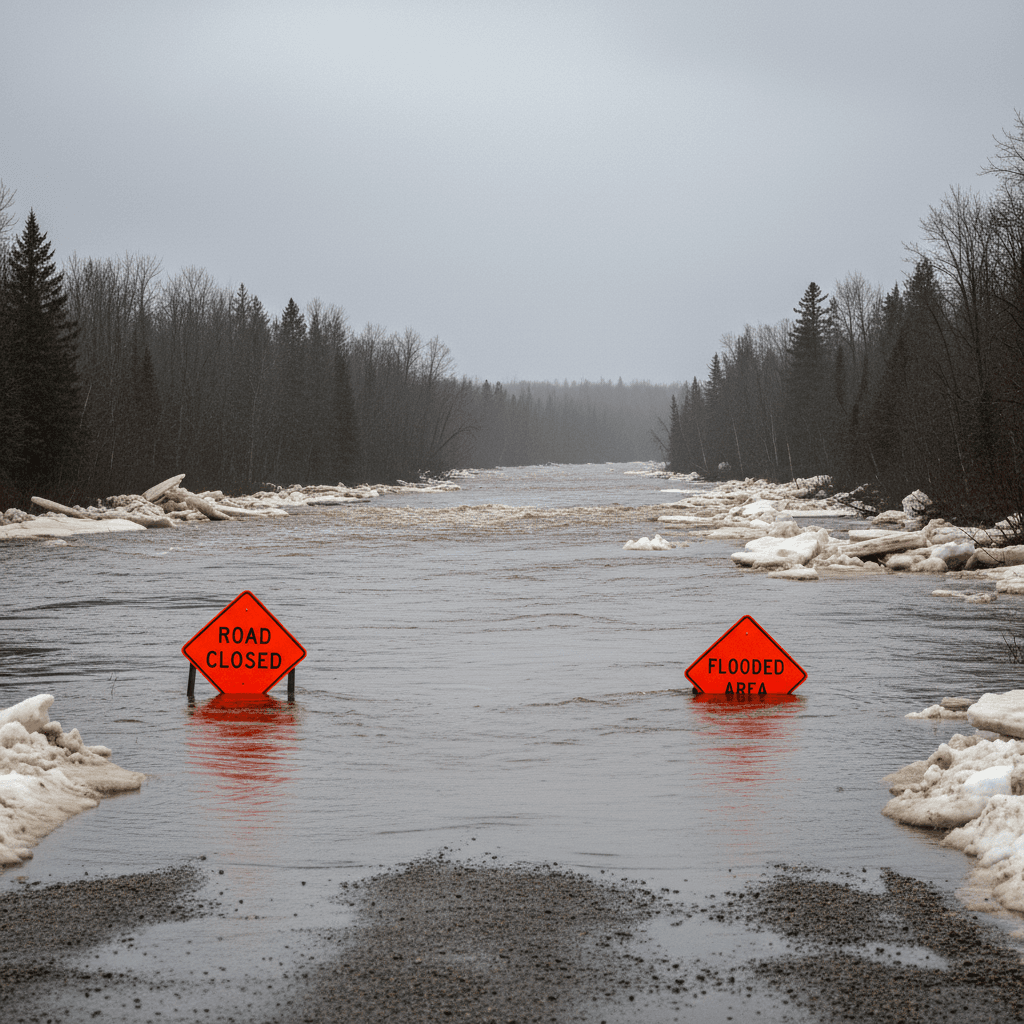
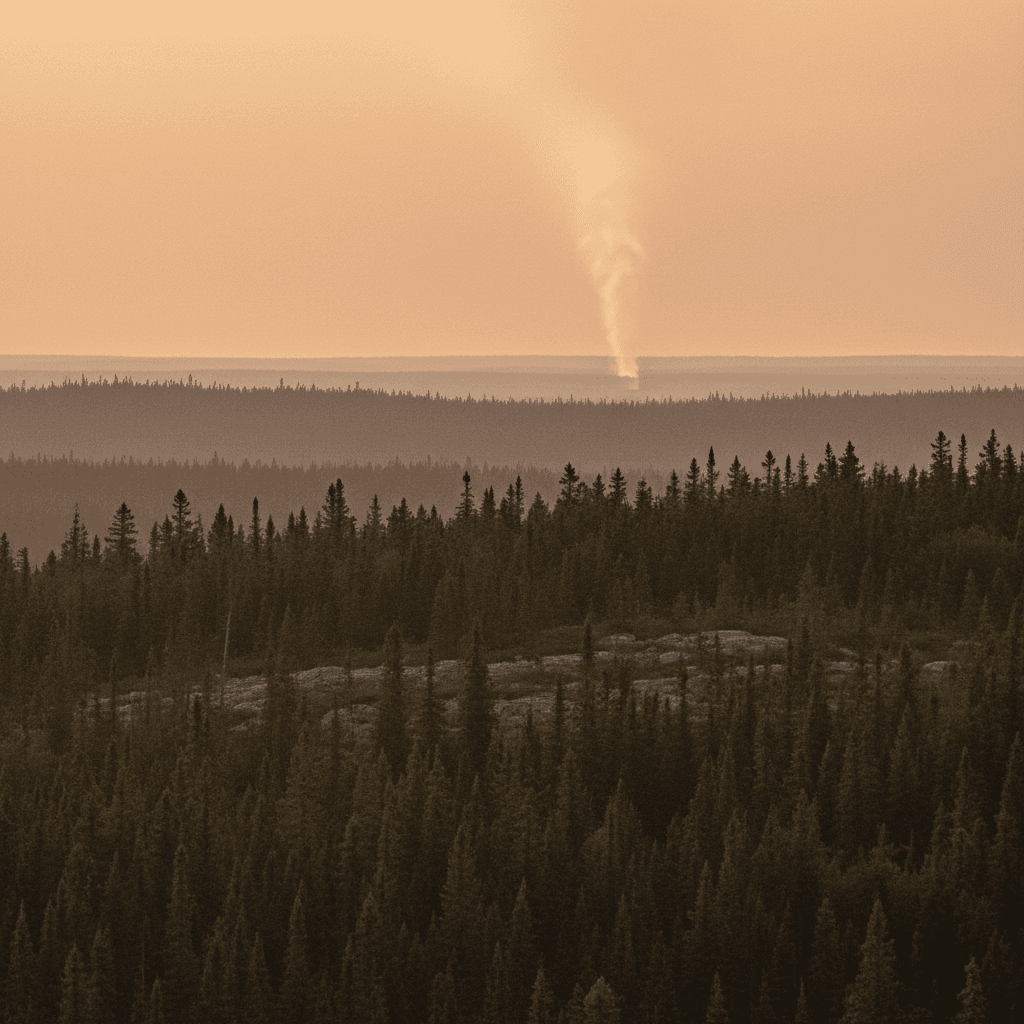
Canada's 2026 Wildfire Season Outlook: Quiet Spring, but Warning Signs Build
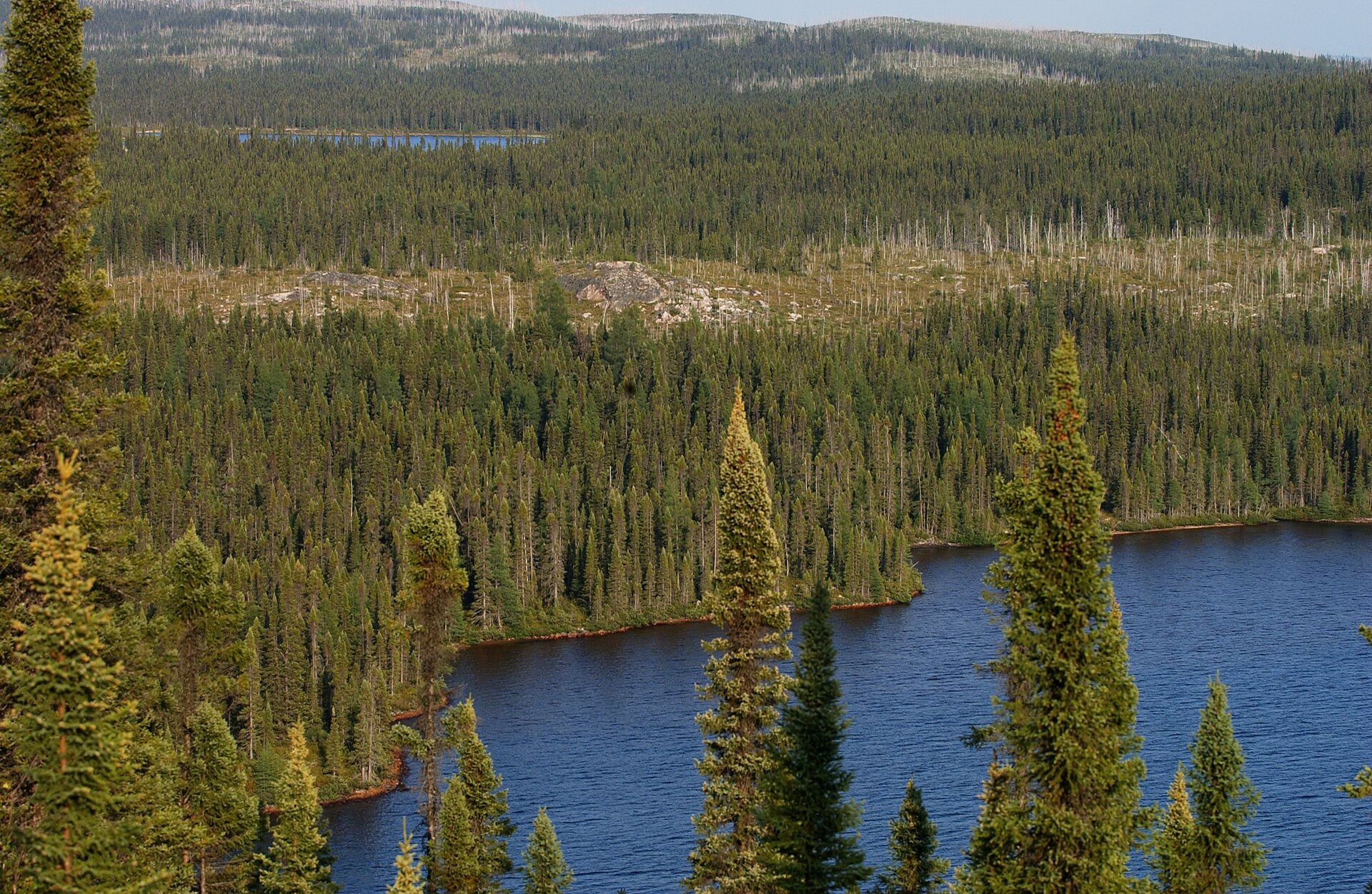
Canada's 2026 wildfire season is shaping up as a slow start with a worrying tail. Federal and provincial wildfire agencies, drawing on climate and fuel-moisture modelling, are publicly cautious about predicting another catastrophic year, but they are also clear that several of the conditions that produced the historic 2023 and modestly less severe 2024 and 2025 seasons are present again. The most striking factor is the contrast between northern regions, where deep snowpack is delaying the start of the fire season, and southern regions of British Columbia, Alberta, and Saskatchewan, where conditions are already drier than normal.
Natural Resources Canada and the Canadian Interagency Forest Fire Centre have framed the outlook as one of regional contrasts. April activity has been below the long-term average across most of the country, but pockets of high fuel-moisture deficits, combined with long-range temperature forecasts that lean warm, mean that the risk environment can shift quickly once snow melts in higher-elevation forests.
Where the risk is concentrated now
Southern British Columbia's Interior, southern Alberta, and southwestern Saskatchewan are the regions facing the most immediate elevated risk. All three areas emerged from winter in moderate to severe drought conditions, and several local wildfire agencies have already responded to early-season fires that would normally not occur until May or June. None of the spring fires have been catastrophic, but they have stretched local capacity at a time of year when crews are still being mobilised.
Parts of northern Manitoba and the eastern Northwest Territories are also entering the season under abnormally dry conditions. Both regions experienced significant fire activity in 2024, and fuel loads in some forests remain elevated. The Saskatchewan-Manitoba border zone is a particular focus for fire-behaviour analysts because of the way prevailing winds can carry fires across jurisdictional lines.
By contrast, the boreal forests across northern Ontario, northern Quebec, and Labrador entered the spring with a deeper-than-typical snowpack, which is delaying surface fuel drying and pushing the likely start of the fire season later into May. Atlantic Canada, particularly New Brunswick and Nova Scotia, has had a relatively wet early spring, although both provinces remain alert given the 2023 experience.
Summer outlook and longer-range models
Long-range temperature forecasts from Environment and Climate Change Canada lean warmer than normal across most of the country through the summer. Precipitation outlooks are more mixed, with some regions, including parts of the Prairies, projected to remain drier than average. The combined picture is one in which the fire-weather risk is expected to climb meaningfully through June and July.
Fire-behaviour analysts caution that long-range outlooks are inherently uncertain, particularly for precipitation. The dynamics that drive thunderstorm activity in the boreal forest, including the position and strength of the polar front jet stream and the timing of large-scale weather patterns, can shift the seasonal picture significantly within a matter of weeks. The 2023 season, which produced unprecedented levels of burned area, was driven in part by an unusual combination of high-pressure ridges and lightning frequency in regions that had been forecast to have moderate risk.
How agencies are preparing
Federal and provincial agencies have been preparing for the season since early winter. The Canadian Interagency Forest Fire Centre coordinates resource sharing across provinces and with international partners, and that coordination has been increasingly important as climate-driven fire seasons have stretched the capacity of any individual jurisdiction.
British Columbia's wildfire service has been adding crews and aircraft, and the province has continued to invest in prescribed-burn programs in collaboration with Indigenous-led fire-management groups. Alberta has been recruiting actively, and the province has emphasised faster response times for fires near critical infrastructure, including pipelines and power transmission corridors. Saskatchewan and Manitoba have invested in upgraded detection technology, including remote-sensing systems that can identify ignitions earlier.
The federal government's role is principally one of coordination and supplementary capacity. The Canadian Armed Forces have, in recent seasons, deployed in support of provincial wildfire responses, and Defence Minister Jenny Carignan has signalled that those capabilities remain available. The federal government also operates the Canadian Wildland Fire Information System, which provides operational data to both agencies and the public.
Indigenous fire stewardship
Indigenous communities are increasingly central to wildfire management discussions. Many First Nations have generations of cultural-burning knowledge that can reduce fuel loads and modify fire behaviour, and several provincial agencies are now working more closely with Indigenous fire-management groups. The work is uneven across provinces, and some Indigenous leaders argue that meaningful collaboration remains far from where it needs to be, but the trend is toward greater Indigenous involvement in planning and operational response.
The Carney government's position is that Indigenous-led fire stewardship is part of broader climate-adaptation strategy, and federal funding has supported a number of pilot programs. Whether those programs scale up to make a measurable difference in any individual fire season is an open question.
Air quality and public health
The public health dimension of wildfire activity has become increasingly central. Wildfire smoke now affects air quality across large portions of Canada and the northern United States during severe seasons, and the health effects are particularly serious for people with respiratory and cardiovascular conditions. Federal and provincial public health agencies are increasingly issuing air-quality guidance with wildfire-smoke specifics, and several major cities have updated their indoor-air-quality guidance for public buildings during smoke events.
The 2023 season set unwelcome records for smoke transport, with Canadian wildfire smoke affecting cities across the eastern United States and even reaching parts of Europe. Provincial and federal agencies are signalling that they expect continued high public-attention to smoke impacts in 2026, regardless of how the headline burned-area figures end up.
Insurance and infrastructure
Insurance industry data continue to show rising losses from wildfire-related property damage. The Insurance Bureau of Canada has been pushing for stronger building-code requirements in wildland-urban interface zones, and several provinces have moved toward stricter rules for new construction. Existing housing stock in fire-prone areas remains a difficult problem, and provincial governments have been reluctant to mandate retrofits that could be expensive for homeowners.
Critical infrastructure, including transmission lines, pipelines, and water systems, also faces fire risk. Several provinces have invested in vegetation management around key infrastructure corridors, but the scale of the challenge is large.
What evacuees can expect
For residents of fire-prone communities, the practical advice from emergency-management agencies has not changed substantively. Households are encouraged to maintain emergency kits, register with provincial alert systems, and have a clear evacuation plan in place. Indigenous communities in remote regions face particular logistical challenges during evacuations, and several federal-provincial agreements provide for chartered transport and reception support.
The most consequential decision for any community is whether to evacuate proactively. Provincial wildfire services have generally favoured early voluntary evacuations over later mandatory ones, citing safety and logistical considerations. Those choices have not always sat well with residents, particularly in communities that have been evacuated repeatedly in recent years.
What's next
The next major data release will come from provincial wildfire agencies as the spring melt progresses. By mid-May, fire-weather indices for most of the country will give a clearer picture of how the early summer is shaping up. Federal and provincial agencies will issue updated outlooks through the season, and CIFFC's national resource allocation calls will become more frequent if activity escalates.
For Canadians, the 2026 season is being framed by experts as one in which proactive preparation matters more than ever. The structural drivers of severe fire seasons, including warmer summers, drier landscapes, and longer fire weather windows, are not changing. The 2026 season may turn out to be modest by recent standards or it may match the worst on record. Either way, the preparation work that agencies, communities, and households do over the next several weeks will shape how the season plays out.
Spotted an issue with this article?
Have something to say about this story?
Write a letter to the editorRelated Stories
Alberta Energy MOU Deadlines Slip as Pipeline Talks With Ottawa Continue
1d ago
RBC and Scotiabank Abandon 2030 Climate Targets, Citing Policy Retreat
Apr 19