Carney's Byelection Sweep Clears the Way for a Fuller Liberal Agenda
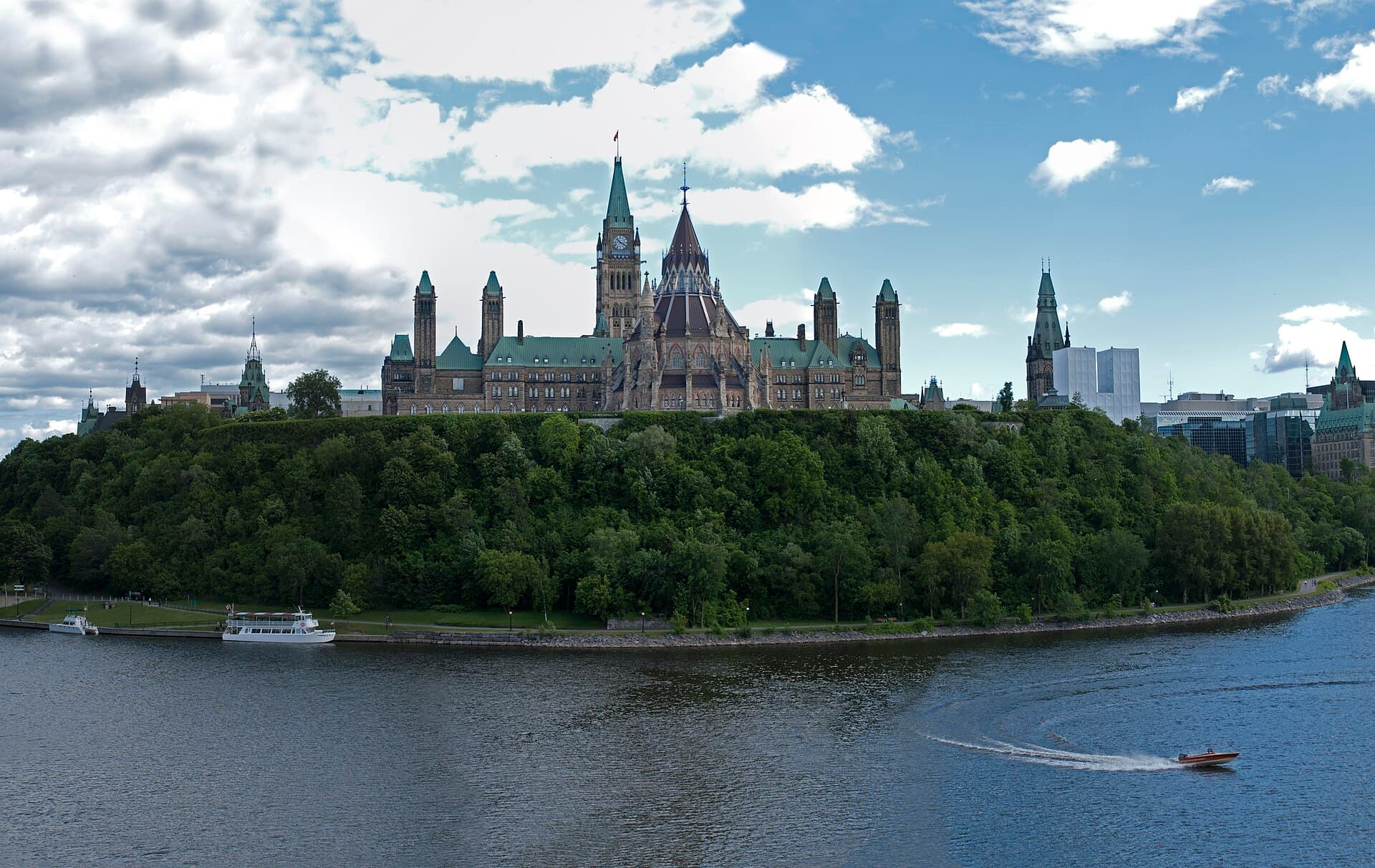
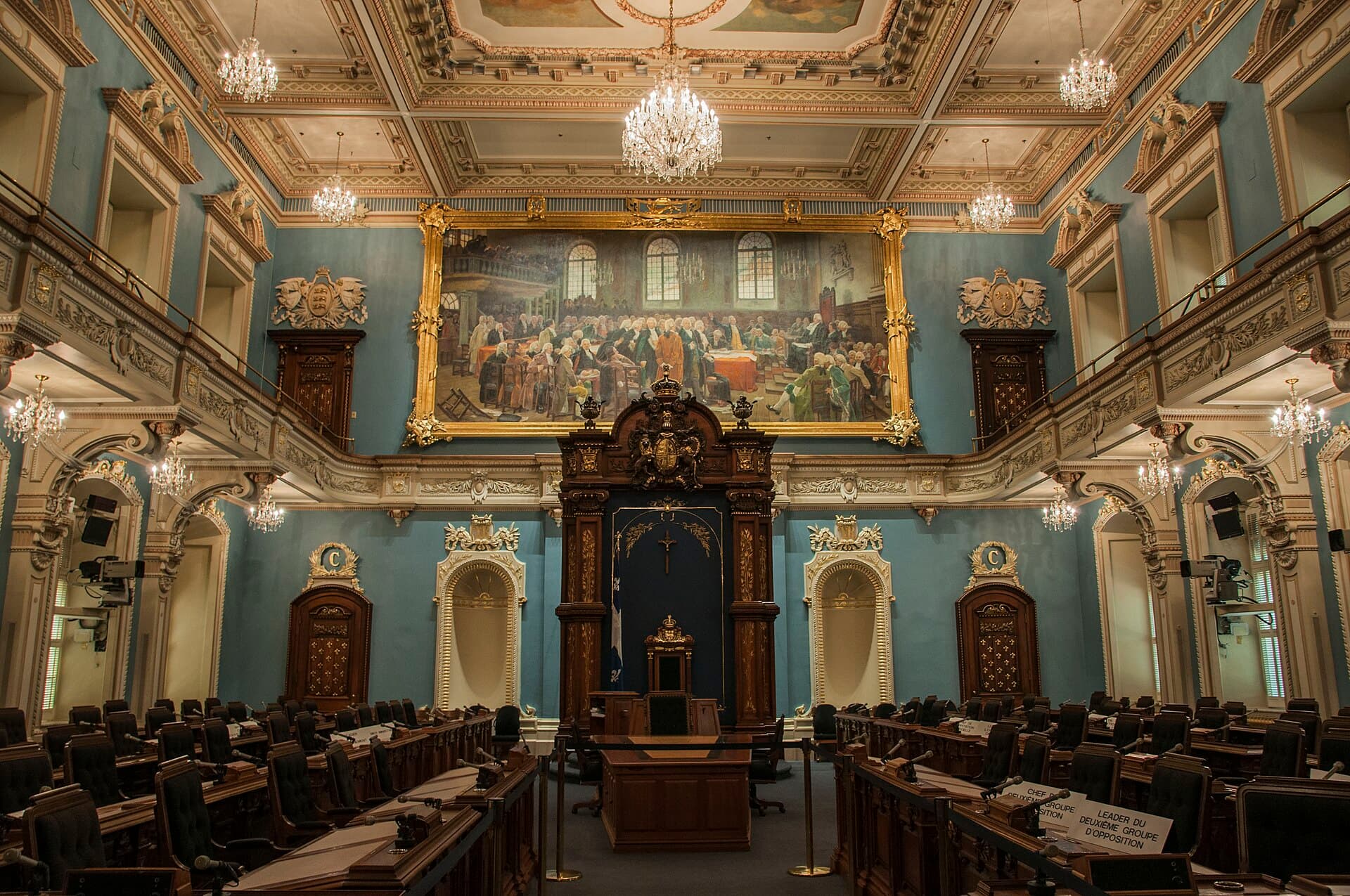
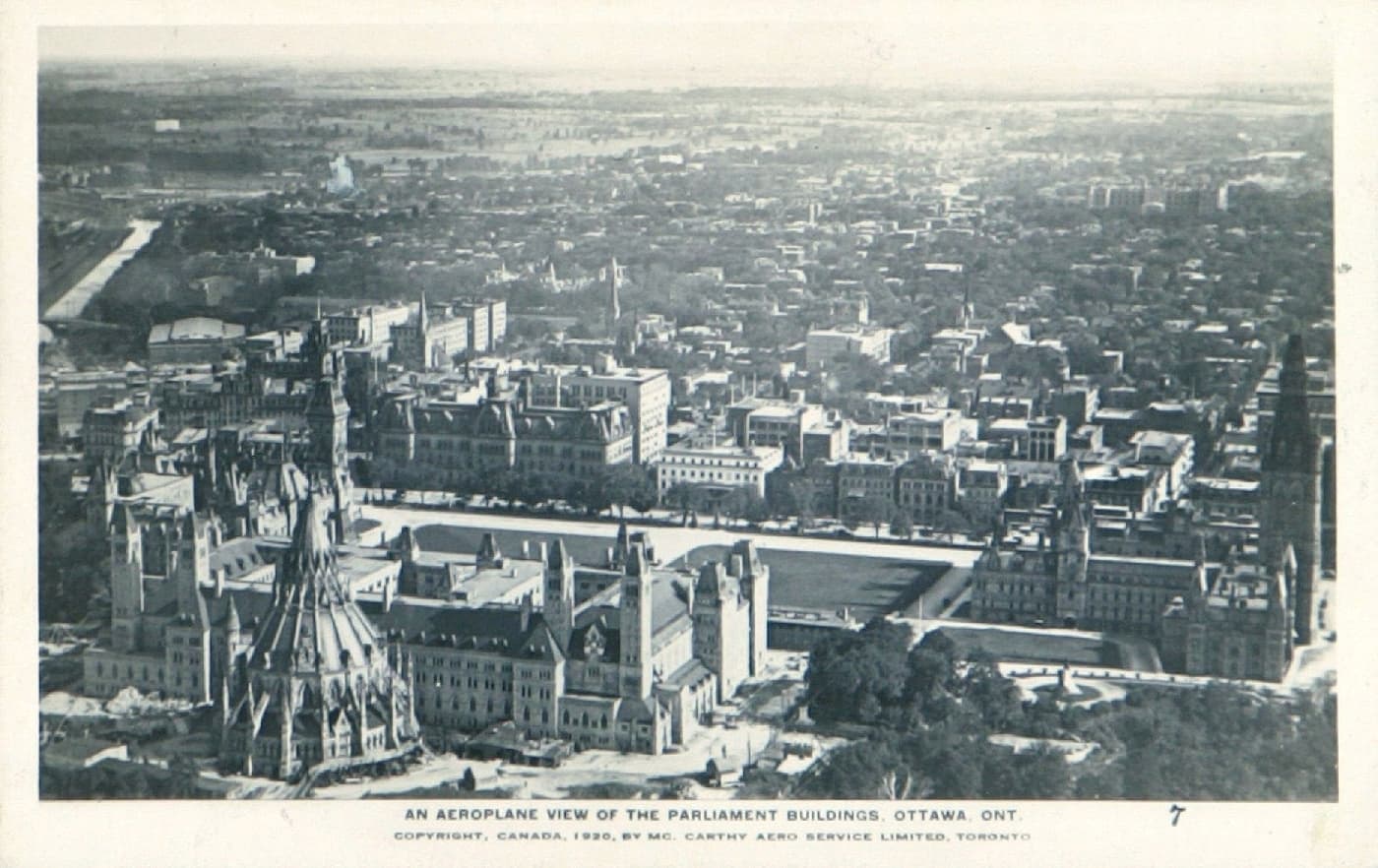
Prime Minister Mark Carney walked into the House of Commons this week with something his government has not had since taking office: more than half the seats. The Liberals' three byelection victories in University-Rosedale, Scarborough Southwest, and Terrebonne on April 13 closed out a tense stretch in which every confidence vote was a bargaining session, and they have given Carney a freer hand to set the spring legislative agenda without negotiating line by line with opposition parties.
The wins, combined with several recent floor crossings from other caucuses, push the Liberals past the 170-seat threshold for a working majority. Carney told reporters in Ottawa after the result was confirmed that it is now "time to get serious," a phrase his office has been repeating in talking points sent to ministers preparing announcements over the next several weeks.
How the three ridings flipped
University-Rosedale, vacated when its previous Liberal incumbent moved to a federal appointment, was won by Danielle Martin, the well-known Toronto family physician and health-policy advocate. Her campaign focused heavily on primary-care access in central Toronto, a riding that has lost several walk-in clinics over the past two years.
Scarborough Southwest was retained for the Liberals by Doly Begum, who brought a strong ground operation tied to the riding's Bangladeshi-Canadian community. Begum had previously held the seat at the provincial level and ran a campaign that leaned on local infrastructure announcements, including transit and childcare commitments tied to the federal-provincial agreement Carney signed earlier this year.
The most consequential win was in Terrebonne, the Montreal-area riding where Liberal Tatiana Auguste captured 48.4 per cent of the vote. Terrebonne has historically leaned Bloc Québécois, and the original 2025 result was annulled by the courts after voting card errors. Auguste's clean win on a redo gives Carney's government meaningful Quebec footing outside Montreal proper.
What changes inside the Commons
A majority government does not just speed up votes. It changes the dynamics on every committee. Liberals will now hold the chair on every standing committee and a majority of seats on each one, which means the Conservatives lose the ability to compel testimony or force document production through committee motions. That alone is expected to reduce the volume of opposition-driven studies that have crowded the parliamentary calendar over the past year.
It also means the government no longer has to lean on the NDP for individual bills. The supply-and-confidence-style cooperation that defined the previous Parliament had already lapsed, and the spring sitting had become a piecemeal exercise in finding partners for each major vote. Carney's office has signalled that several bills frozen by procedural delays will now be reintroduced or pushed back to the order paper.
The Speaker's office confirmed that the procedural calendar through to the scheduled summer recess in late June will be adjusted to make room for additional government business. Opposition House leaders have already complained that the change will compress their ability to scrutinise budget items.
The opposition reaction
Conservative leader Pierre Poilievre called the byelection result "disappointing but not the end of anything," telling reporters his party will continue to focus on affordability and the cost of the carbon-related policies that Carney has retained. Conservative strategists privately conceded that their share of the vote in the two Toronto ridings was lower than internal polling suggested it would be.
The NDP, which had been the marginal partner of choice for several Liberal bills, lost ground in all three contests. Interim NDP leader Don Davies said the result reflects a national mood that is more focused on stability in the face of U.S. tariffs than on internal political reform.
Bloc Québécois leader Yves-François Blanchet, speaking from his Beloeil-Chambly riding, framed the Terrebonne loss as a one-off shaped by an unusual rerun under awkward conditions and rejected the suggestion that the Bloc was losing ground in suburban Montreal.
The agenda Carney is moving on first
Government House Leader Steven MacKinnon has signalled that the first bills to advance under the new majority will deal with three files: an updated framework for major-projects approvals, a housing supply package linked to the Build Canada Homes program, and amendments to the Investment Canada Act tied to ongoing trade negotiations with the United States.
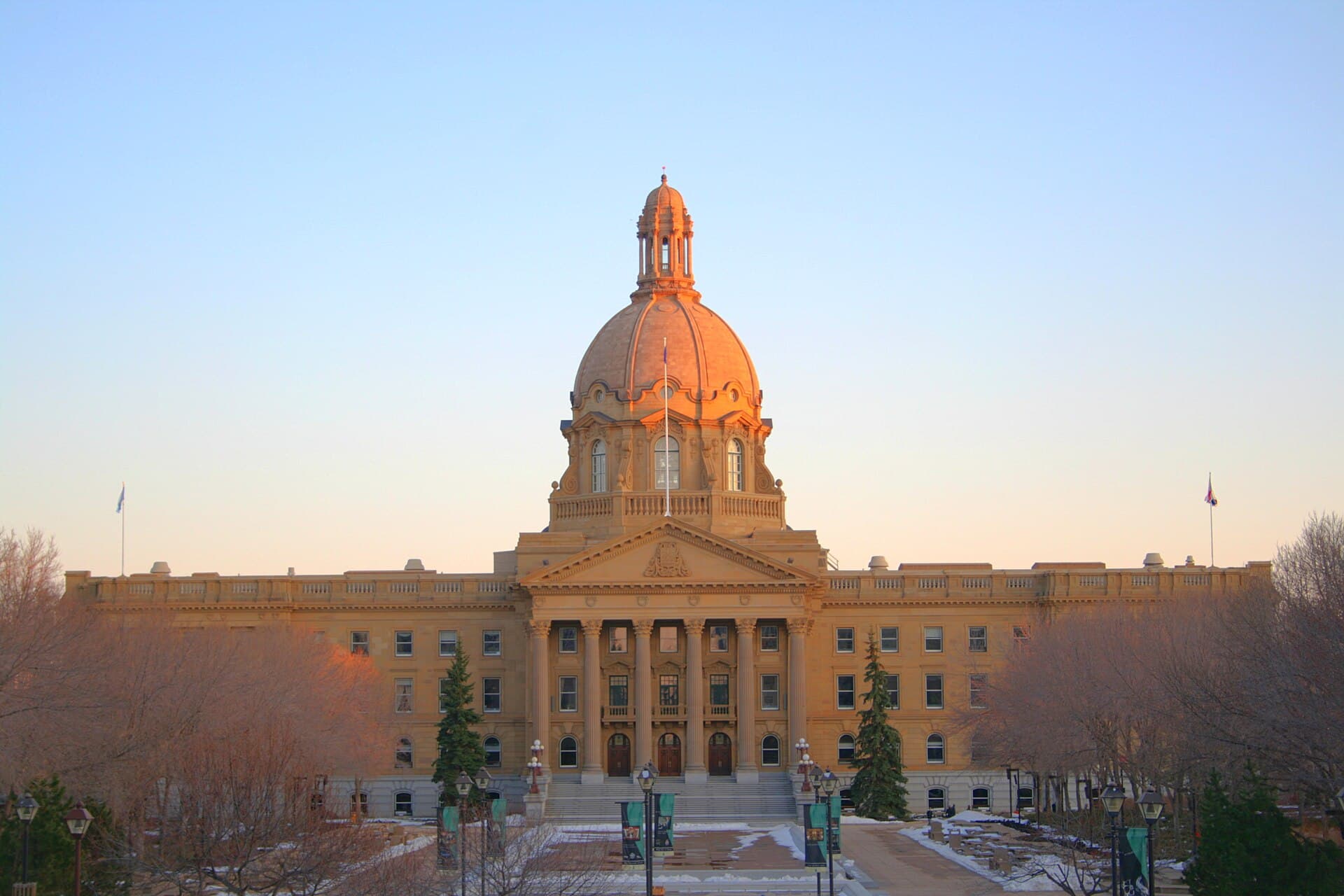
Of those, the major-projects framework is the most politically contested. Premiers in several provinces, including Alberta, have argued that the bill does not go far enough to clear bottlenecks for energy and critical-minerals projects. Indigenous organisations, including the Assembly of First Nations, have pushed back on parallel grounds, arguing that consultation requirements need to be strengthened, not loosened.
The housing package, by contrast, has wide cross-bench appeal. Build Canada Homes has already approved more than 10,000 units across the country since September, and another tranche of approvals tied to Ottawa, announced by Carney on April 23 in his own riding of Nepean, has put the federal-municipal model into the policy mainstream.
Provincial responses
Quebec Premier Christine Fréchette, whose CAQ government took office on April 12 after she won her party's leadership race, congratulated Carney but flagged areas of disagreement on immigration thresholds and language file enforcement. Fréchette is preparing for a Quebec general election later this year and is expected to use the federal majority as a foil to define her own platform.
Ontario Premier Doug Ford was warmer in his response, citing the housing-tax partnership his government signed with Ottawa on March 30 as evidence that the two governments can work together when their political incentives align. Alberta Premier Danielle Smith, who has been navigating a separation petition and a court challenge over Indigenous treaty consultation, was more cautious. Her statement focused on the need for the federal government to respect provincial jurisdiction on energy and resource projects.
What it means for the trade file
Carney's strongest argument for needing a majority has always been the Canada-U.S. trade relationship. The CUSMA review formally begins this year, and the prime minister told Fortune in an interview earlier this month that strong U.S. economic ties have become "a weakness that must be fixed." His government has launched a 24-member advisory committee on Canada-U.S. economic relations chaired by Dominic LeBlanc, which is set to hold its first meeting on April 27.
A majority government gives the prime minister room to make politically difficult trade-offs in those negotiations without worrying that any single concession will trigger a confidence vote. It also means Canada can move on its own counter-tariff and procurement decisions without the kind of prolonged debate that has slowed previous trade-policy responses.
What's next
The Bank of Canada releases its next interest-rate decision on April 29, and the federal government is expected to use the days immediately afterward to lay out a fuller economic message. A spring fiscal update has not been formally scheduled, but officials say one is possible before the summer recess if the trade outlook deteriorates.
Beyond economic policy, Carney's office has signalled that defence spending and a long-promised national infrastructure pipeline will be the next files to receive sustained attention. Canada hit the NATO 2 per cent of GDP defence target during the 2025-26 fiscal year, and the prime minister has committed to reaching the alliance's new 5 per cent pledge by 2035, a path that will require sustained budget choices well beyond the current Parliament.
For now, the most immediate change is procedural. The legislative pipeline that had been clogged by minority arithmetic is starting to clear, and the Liberals have until the summer recess to demonstrate that majority governance produces visible policy results.
Spotted an issue with this article?
Have something to say about this story?
Write a letter to the editor