Gaza Ceasefire Violations Test Canada's Humanitarian and Diplomatic Posture
Six months into the fragile ceasefire that paused the most intense phase of the Gaza war, the Israeli military's continuing operations are testing both the durability of the agreement and the assumptions of countries, including Canada, that have been balancing humanitarian aid commitments with broader diplomatic positioning. Israeli forces killed at least twelve Palestinians in attacks across the Gaza Strip in recent days, including civilians, in what Palestinian medical sources and international observers have characterised as ceasefire violations.
The ceasefire, brokered by U.S. President Donald Trump, took effect in October 2025 and reduced the intensity of Israeli bombardment. The agreement did not, however, produce the full Israeli withdrawal that its terms required. Israeli forces continue to control roughly 50 to 55 per cent of the Gaza Strip, including significant portions of Rafah, Khan Younis, and northern Gaza. The continuing presence of Israeli troops, combined with intermittent military operations, has produced a humanitarian environment that Palestinian and international observers describe as neither war nor peace.
The recent attacks
An Israeli attack on a police vehicle in Khan Younis killed at least eight people, including three civilian bystanders. A separate attack in Gaza City killed two police officers. An airstrike in northern Gaza killed at least five Palestinians, including three children. The accumulation of incidents has produced a continuing pattern of casualties despite the formal ceasefire.
Gaza's Government Media Office has documented more than 2,073 violations of the ceasefire between October 2025 and March 2026, including Israeli airstrikes, gunfire, and ground incursions. International monitoring organisations have been working to verify casualty figures and to track the broader pattern of operations.
The Israeli government's position has been that operations have targeted militant infrastructure rather than civilians and that any civilian casualties have been incidental rather than intentional. Palestinian and international observers have disputed those characterisations in many cases.
The humanitarian situation
For the roughly two million people living in Gaza, the practical experience six months into the ceasefire has been bleak. The vast majority of Gazan residents continue to live in makeshift tents or bombed-out buildings, squeezed into the territory not controlled by Israeli forces. Reconstruction has barely begun in any meaningful sense. Basic services, including health care, education, water, and sanitation, remain severely degraded.
The United Nations, the European Union, and the World Bank have published a Rapid Damage and Needs Assessment that catalogues the scale of the destruction and the cost of reconstruction. The numbers are large enough that the rebuilding effort will require sustained international commitment over many years, even under the most favourable diplomatic conditions.
Canada's humanitarian role
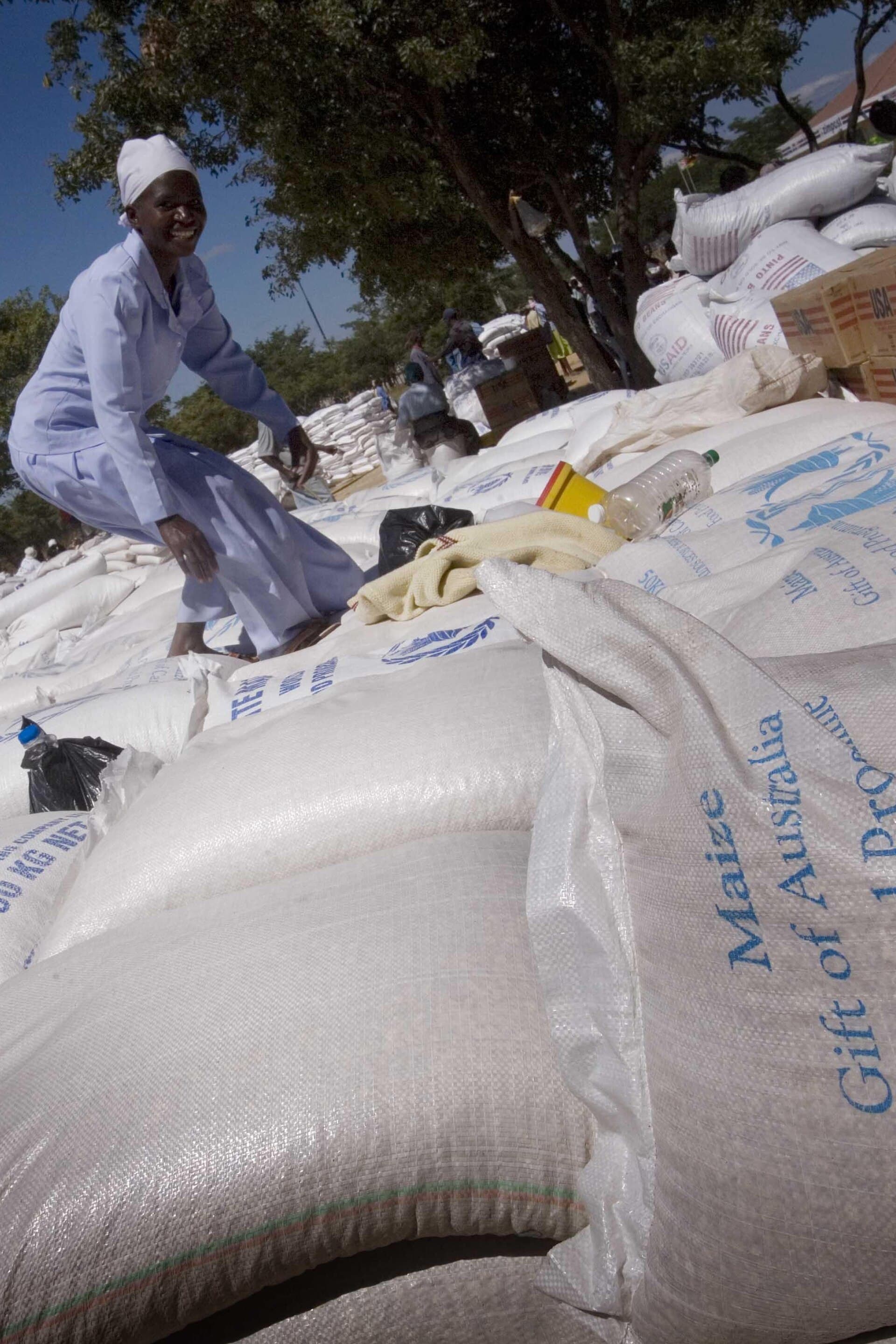
Canada has been one of the contributors to humanitarian assistance for Gaza throughout the war and into the ceasefire period. Canadian funding has flowed through United Nations agencies, the International Committee of the Red Cross, and various non-governmental organisations operating in the territory. The federal government has periodically increased its commitment in response to specific developments.
The challenges of delivering humanitarian aid in Gaza have been significant. Access constraints, security concerns for aid workers, and the broader operational environment have made the work far more difficult than it would be under normal post-conflict conditions. Canadian officials have publicly emphasised the need for safe and unimpeded humanitarian access, and Canada has worked with allies to push for improvements to the operational environment.
The diplomatic balancing act
Canada's diplomatic position on Israel and the Palestinian territories has been shaped by a long-standing commitment to a two-state solution, a strong relationship with Israel, and growing concerns about civilian casualties and humanitarian conditions. Balancing those elements has been politically difficult, and the Carney government has continued the broad framework of Canadian policy while adjusting tone and emphasis on specific issues.
Canada has, in recent months, joined other Western countries in urging Israel to comply more strictly with international humanitarian law and to facilitate aid delivery. Canada has also supported diplomatic processes aimed at reaching a more durable resolution. The federal government has continued to designate Hamas as a terrorist organisation and has supported security measures intended to prevent the resumption of attacks against Israeli civilians.
The political landscape in Canada
The political conversation in Canada about Gaza has remained polarised. Canadian Jewish community organisations have been concerned about the rise in antisemitic incidents documented over the past two years and have urged the federal government to maintain a strong relationship with Israel and to focus on the security threats Israel faces. Canadian Muslim and Arab community organisations, alongside Palestinian Canadians and broader human-rights groups, have urged the government to apply more pressure on Israel to comply with international humanitarian law and to support Palestinian rights more vocally.
The federal government has tried to navigate the political pressures by focusing on humanitarian commitments, on diplomatic process, and on Canada's broader principles. The political cost of any specific position is significant, and the Carney government's messaging has been deliberately careful.
The Lebanon dimension
The ceasefire between Israel and Hezbollah, which has been extended in recent weeks, sits alongside the Gaza ceasefire as part of the broader regional environment. The two ceasefires interact in complex ways, and the durability of each affects the other. Israeli operations against Hezbollah-related targets have continued in some forms, and the broader regional dynamic remains unstable.
For Canada, the Lebanon dimension is important in part because of the significant Lebanese-Canadian community, particularly in Quebec. Canadian consular operations in Lebanon have remained active, and the federal government has continued to advise Canadians about travel and other arrangements.
The Iran war connection
The continuing war between the United States, Israel, and Iran has significantly complicated the regional picture. The Iran war began on February 28, 2026, with U.S. and Israeli strikes targeting Iranian nuclear and ballistic missile infrastructure. Senior Iranian officials, including Ayatollah Ali Khamenei, were killed in the early phases of the conflict. A conditional ceasefire was declared on April 8, but the broader regional environment has remained tense, and oil markets continue to price in significant risk.
For Gaza specifically, the broader regional war has affected the political space available for diplomacy. Iranian support for Palestinian factions has been a complicating factor in negotiations for years, and the broader conflict between Iran, Israel, and the United States has reduced the political bandwidth available for dedicated diplomatic engagement on Gaza.
The longer-term diplomatic picture
Any durable resolution of the Gaza conflict requires addressing core issues including governance of the territory, security arrangements, reconstruction financing, and the broader question of Palestinian political representation. None of those issues has been resolved, and the diplomatic process has not produced concrete progress on any of them in the months since the ceasefire took effect.
Canada has continued to support a two-state solution as the broad framework for any eventual resolution. The federal government has been involved in various international initiatives, including those focused on reconstruction planning and on broader regional diplomacy. The practical impact of those efforts has been limited by the broader political environment, but the diplomatic engagement continues.
The aid funding picture
The federal government's specific aid commitments for the next fiscal year have not yet been fully detailed in publicly available form. The 2026 budget cycle, which has not yet been formally scheduled, will provide the next major opportunity for Canada to outline its medium-term commitments. Several federal Cabinet ministers have signalled that humanitarian assistance to Gaza will remain a priority within the broader international assistance envelope.
Non-governmental Canadian aid organisations have continued to fundraise for Gaza-related programs, and Canadian community organisations have been active in advocacy and support for Palestinian-Canadian families with relatives in Gaza. Family-reunification questions, particularly for Canadians with extended family in the territory, have been a continuing focus of consular work.
What's next
The continuing pattern of ceasefire violations is unlikely to abate in the near term without significant diplomatic intervention. The U.S. role in any such intervention is the most consequential variable, and the broader U.S. policy environment has been complicated by the Iran war and other regional developments.
For Canada, the next several months will involve continued humanitarian commitment, continued diplomatic engagement, and continued domestic political navigation of the issue. The federal government's specific positions, including any new diplomatic initiatives or aid commitments, will be developed through the budget cycle and through ongoing engagement with Canadian and international partners.
For Gaza's residents, the immediate reality is that the ceasefire has not produced the basic improvements in daily life that the agreement was supposed to deliver. The gap between formal ceasefire and actual peace is wide, and closing it will require sustained international attention and political commitment far beyond what has been delivered to date.
Spotted an issue with this article?
Have something to say about this story?
Write a letter to the editor