Canada Extends Operation Unifier as Ukraine Aid Tops $25 Billion
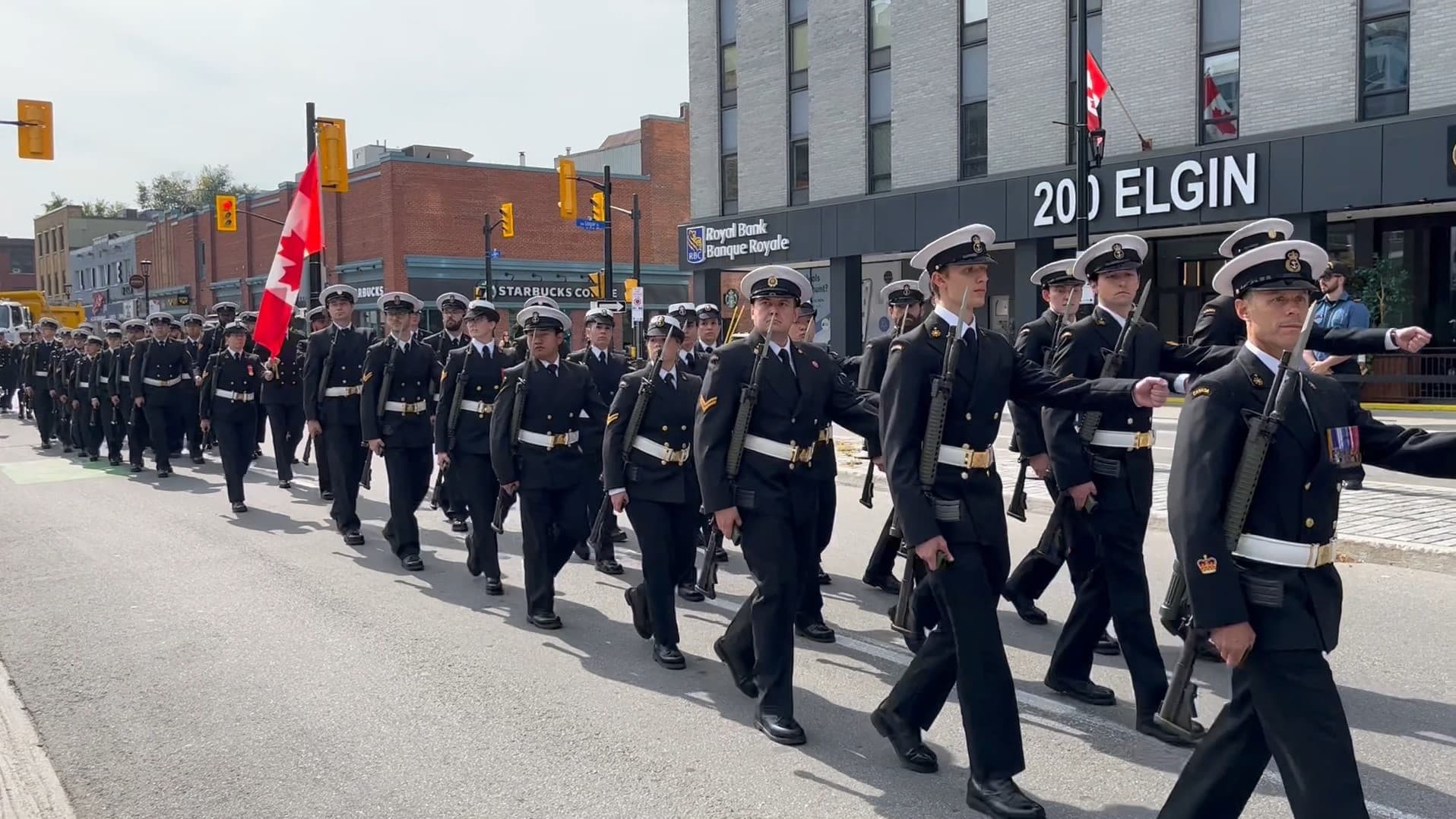
Canada's continued military and financial support for Ukraine has reached a scale that, four years into Russia's full-scale invasion, has become a defining feature of Canadian foreign and defence policy. The Carney government's recent extension of Operation Unifier, the Canadian Armed Forces' training mission for Ukrainian military personnel, until 2029 was the latest in a series of decisions that have positioned Canada as one of Ukraine's most consistent international partners.
Total Canadian aid to Ukraine since February 2022 now exceeds $25.5 billion, including $8.5 billion in military assistance. The roughly $2 billion in military assistance for 2026-27 is drawn from $1.75 billion in previously approved funding from Budget 2025 and an additional $300 million announced more recently. The extension of Unifier through 2029 commits Canadian personnel and resources well past the term of the current Parliament.
What Operation Unifier does
Operation Unifier began in 2015 in response to the 2014 Russian annexation of Crimea and the conflict in eastern Ukraine. The mission's original mandate was to train Ukrainian security forces in skills ranging from basic infantry tactics to specialised combat engineering. Since Russia's full-scale invasion in February 2022, the mission has expanded substantially in both scope and operational tempo.
The Canadian Armed Forces have trained more than 47,000 members of Ukrainian security forces under Unifier. Approximately 13,000 have been trained at various locations across Europe since the full-scale invasion began. Training has covered tactical medicine, combat engineering, leadership skills, and a number of other specialised areas. Canadian instructors have worked alongside trainers from a number of NATO and partner countries, and the multinational training environment has produced significant interoperability gains for Ukrainian units.
The extension to 2029 reflects an assessment by the Carney government that Ukraine will continue to need sustained Western support for an extended period. It also reflects the political signal Canada wants to send to other allies and to Ukraine itself: that Canadian commitment is not contingent on short-term political cycles.
The Defence Minister's framing
Defence Minister Jenny Carignan has been clear that Russia represents the principal long-term security threat facing Canada and the broader alliance. The minister has said Canada is updating a large-scale national plan to prepare for the possibility of global war, and her ministerial messaging has consistently emphasised the seriousness of the European security environment.
That framing is part of a broader political effort to build domestic support for sustained defence spending and for continued aid to Ukraine. Polling on Canadian support for Ukraine has generally remained positive, although there have been signs of fatigue in some segments of the public after four years of intensive engagement.
The diplomatic environment
Canada's commitment to Ukraine is occurring in a diplomatic environment that has become more complicated. The current U.S. administration has at times signalled a willingness to pursue diplomatic outcomes that Ukrainian and European officials have viewed as too accommodating of Russian positions. Several European NATO members have expressed concerns about the alliance's cohesion, and the political environment surrounding the alliance has been turbulent.
Canada's top general has been engaged in messaging directly to Ukrainian counterparts that NATO remains a stable, vital force despite the surrounding turbulence. The reassurance effort has been part of a broader Canadian diplomatic posture that has emphasised continued commitment regardless of variations in U.S. policy. Other NATO members, including the United Kingdom, France, Germany, and Poland, have been engaged in similar reassurance efforts.
Ukrainian-Canadian community
Canada has one of the world's largest Ukrainian diaspora populations, concentrated particularly in the Prairie provinces but with significant communities in Ontario, Quebec, and British Columbia. The community's political mobilisation since 2022 has been a meaningful factor in shaping Canadian policy, and several community organisations have been actively engaged in advocacy on aid, sanctions, and refugee policy.
Canada's Ukraine Authorisation for Emergency Travel program, which allowed Ukrainians fleeing the war to come to Canada, remains one of the largest national programs of its kind. More than 100,000 Ukrainians have arrived in Canada under various pathways since the program's launch, and many have established permanent connections through work, study, and community ties.
The financial commitment
The financial scale of Canada's commitment is significant in absolute terms and in proportional ones. Canada is one of the larger non-American contributors of military and economic assistance to Ukraine on a per-capita basis. The breakdown across categories includes lethal and non-lethal military assistance, humanitarian aid, financial support, and contributions to multilateral funds.
The composition of Canadian assistance has evolved. Early in the conflict, much of the aid focused on immediate military needs, including small arms, ammunition, and personal protective equipment. Over time, the aid has expanded to include heavier equipment, more sophisticated systems, and substantial financial support for Ukrainian budgetary needs.
Sanctions and broader pressure
Canada has imposed extensive sanctions on Russian individuals and entities since the invasion. The federal government's sanctions list, maintained under the Special Economic Measures Act, has been expanded multiple times. Canadian financial institutions and corporations have been required to comply with the sanctions, and the regulatory burden on Canadian business has been substantial.
Enforcement has been a continuing concern. Sanctions evasion through third-country networks has been documented in a number of cases, and Canadian agencies have been working with international partners to close gaps in the broader Western sanctions regime.
The military procurement dimension
Canadian military aid to Ukraine has, in some cases, intersected with the country's own procurement timelines. Some equipment provided to Ukraine has been drawn from Canadian Armed Forces inventories, and replacements have been added to broader procurement schedules. The effect on Canadian military readiness has been a topic of ongoing internal review.
The broader procurement environment, including the F-35 acquisition, naval vessel construction, and various command-and-control upgrades, continues to operate alongside the Ukraine assistance program. Both elements compete for skilled personnel, manufacturing capacity, and budgetary resources.
The political consensus
Canadian political consensus on Ukraine has been broadly stable since 2022. The Liberal, Conservative, and NDP positions have all supported continued aid in some form, with differences over specific details rather than over the underlying commitment. The Bloc Québécois has similarly supported Ukraine, while emphasising specific procedural and budgetary concerns.
The consensus has been important for the durability of Canadian commitment. Ukraine policy has not been a partisan football in Canada to the degree it has been in some other Western countries, and that has allowed for sustained policy continuity across changes in government and across parliamentary sessions.
What Ukraine needs next
Ukrainian officials have been clear about ongoing needs, including air defence systems, artillery ammunition, longer-range strike capabilities, and continued financial support. Canada has been working to address those needs in coordination with allies, and the Unifier extension is part of the broader package of sustained engagement.
The diplomatic process, including any negotiations involving the United States and Russia, is the most uncertain variable. Canadian officials have been clear that Canada's position is to support Ukraine in determining its own diplomatic trajectory and that Canadian aid is not contingent on Ukraine accepting any particular framework.
What's next
The Canadian Armed Forces will continue Operation Unifier on a multi-year basis. Additional financial assistance announcements are likely as the federal budget cycle proceeds. Canada will continue to participate in the Ukraine Defense Contact Group and in other multilateral mechanisms that coordinate Western support.
For the Ukrainian-Canadian community, for Canadian Armed Forces personnel, and for the broader Canadian public, the war's continuation requires sustained attention and sustained commitment. The Carney government's recent decisions, including the Unifier extension, signal that the political commitment to Ukraine remains durable. Whether that commitment persists across changes in government, across budget cycles, and across years of continuing conflict will depend on choices that have not yet been made.
Spotted an issue with this article?
Have something to say about this story?
Write a letter to the editor