Drought, Heat, and a Deep Snowpack: Canada's 2026 Wildfire Season Starts Uneasy
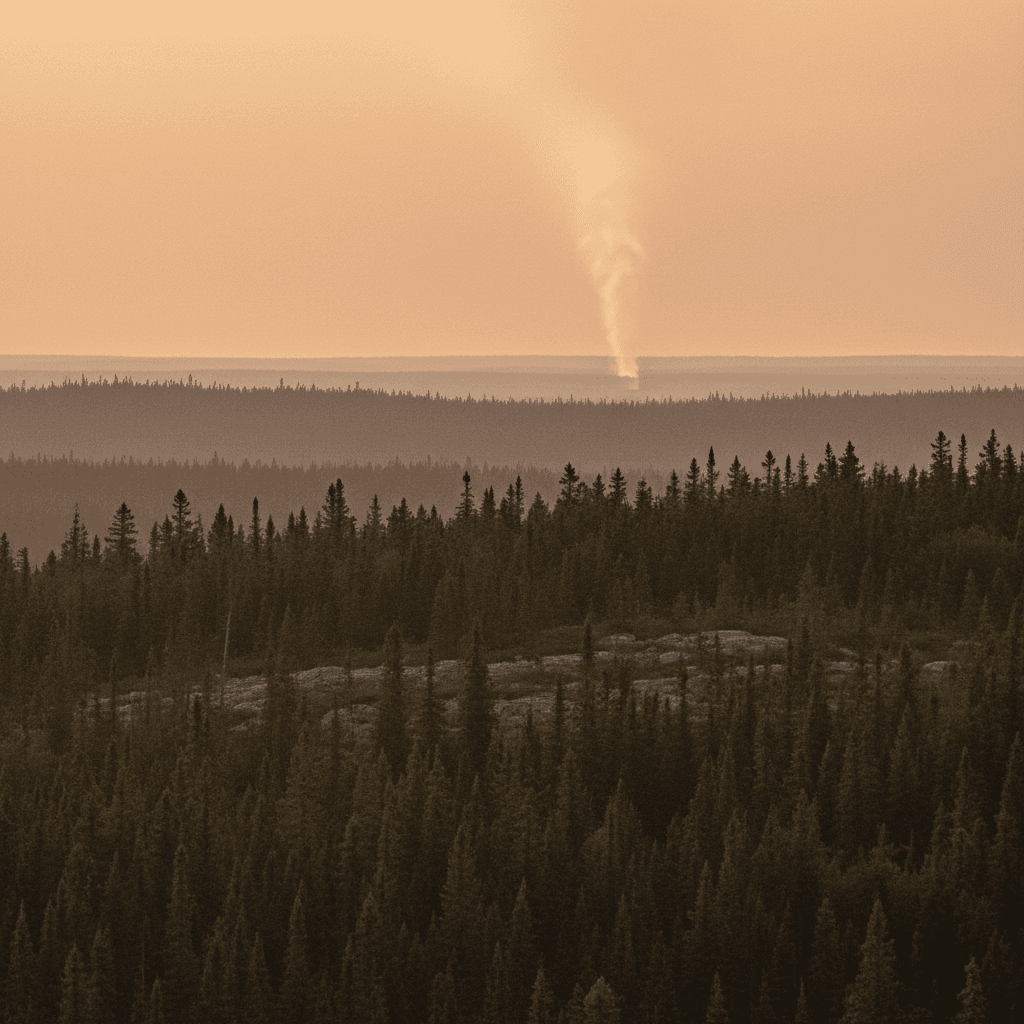
Canada is heading into the 2026 wildfire season with a mix of signals that has left officials openly uneasy. A stormy winter left a deep snowpack across much of the country, which should delay the earliest fire starts. Underneath that snow, however, a patchwork of persistent drought in British Columbia's southern Interior, northern Manitoba, and the eastern Northwest Territories has kept fuels primed, and long-range forecasts point to another warmer-than-normal summer.
The 2026 outlook follows a pair of historically difficult seasons that exhausted firefighting budgets, strained air tanker fleets, and pushed evacuation systems across the country. Federal and provincial agencies, together with Indigenous community leaders, have spent the winter building new preparedness plans, and the first signs of how those plans will hold up are beginning to emerge as the snowpack recedes in the southern parts of the country.
What the snowpack says
British Columbia's provincial average snowpack sat at roughly 92 per cent of normal as of April 1, according to the latest provincial bulletin. That figure is an improvement from the same point a year earlier, but the province's snow surveyors warn that the average masks a strong regional divide, with many southern interior basins measuring much lower amounts and pockets of drought persisting in the Chilcotin and South Thompson regions.
On the Prairies, snowpack patterns are mixed. Parts of northern Alberta and the far north of Saskatchewan carry above-normal snow, while the southern plains remain dry. In Manitoba, the northern watersheds are loaded with snow, but the southern areas that saw large burns in the last two seasons are again running below normal heading into spring.
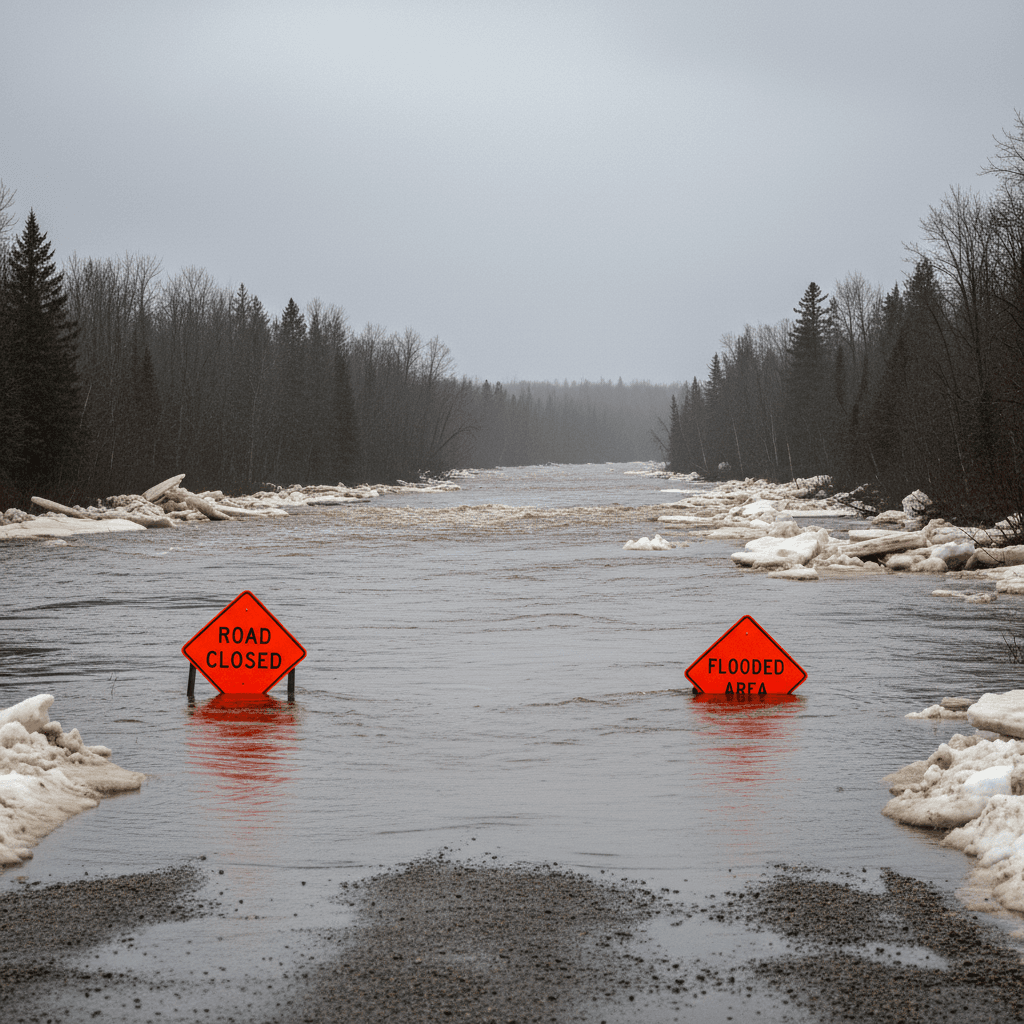
In Ontario and Quebec, the north-eastern reaches entered April with above-average snowpack, a factor that is contributing to this spring's flooding but should also help to keep ground-level fuels moist well into May. Atlantic Canada, which had an active fire season last year, entered spring with a generally near-normal snow and precipitation pattern, though eastern Nova Scotia and southern New Brunswick are carrying residual dryness from the autumn.
Drought that will not leave
Despite the winter's precipitation, drought remains the single most important variable heading into the season. Parts of British Columbia's southern Interior emerged from winter in multi-year drought, a status that keeps deep soils and larger woody fuels dry enough to carry fire even after surface moisture has returned. Northern Manitoba and the eastern Northwest Territories show similar patterns, with some areas now entering their third or fourth year of drought conditions.
Wildfire scientists emphasise that drought functions as a memory in the landscape. Short bursts of rainfall or melted snow can dampen surface fuels, but drought-affected forests and peatlands remain vulnerable to crown fires and below-ground smouldering even in apparently wet springs. Peat fires, in particular, can continue burning through winter under snow cover and re-emerge in the spring.
The presence of widespread drought is one of the main reasons agencies are not taking the improved snowpack as a reason for complacency. Officials at Natural Resources Canada have said the combination of drought-weakened fuels and a forecast of above-normal summer temperatures could tip the balance toward another severe fire year, especially if lightning activity is widespread.
The national forecast
Environment and Climate Change Canada's long-range forecast suggests that much of the country will see above-normal temperatures during May, June, and July. Combined with the expected transition into an El Niño phase over the Pacific, the forecast points to warmer ocean conditions and a continuation of the climate patterns that contributed to record fire seasons in recent years.
Fire scientist Mike Flannigan has described the 2026 season as a litmus test for whether Canada's wildfire years have entered a new normal. After two consecutive seasons that broke burn-area records and taxed national resources, Flannigan and others in the research community are watching carefully to see whether 2026 confirms the trend.
The federal government forecasts that 2026 will rank among the hottest years on record globally, with global mean temperatures projected in the range of 1.35 to 1.53 degrees Celsius above pre-industrial levels. For Canadian forests, that global signal is matched by regional patterns of heat waves, shifting storm tracks, and drier late summers.
Provincial preparedness
The B.C. Wildfire Service has forecast elevated risk for extreme or difficult-to-control wildfires in parts of the province, including the northeast, Chilcotin, and South Thompson regions. The province has expanded its seasonal staffing, added equipment, and invested in additional training for structural protection teams.
Alberta, which has carried significant losses in recent years, has committed to earlier staffing of its initial attack crews and is continuing its investment in community FireSmart programs around high-risk communities. The province has also moved to improve coordination with municipalities on evacuation planning, following lessons drawn from the 2023 and 2024 seasons.
Ontario, Quebec, and the Atlantic provinces have updated mutual aid agreements, which allow crews and equipment to move across provincial lines when local demand exceeds capacity. Manitoba, which saw some of its largest fires in decades last year, is also adjusting its approach to prioritise faster initial attack and improved protection of northern Indigenous communities.
Indigenous communities on the front line
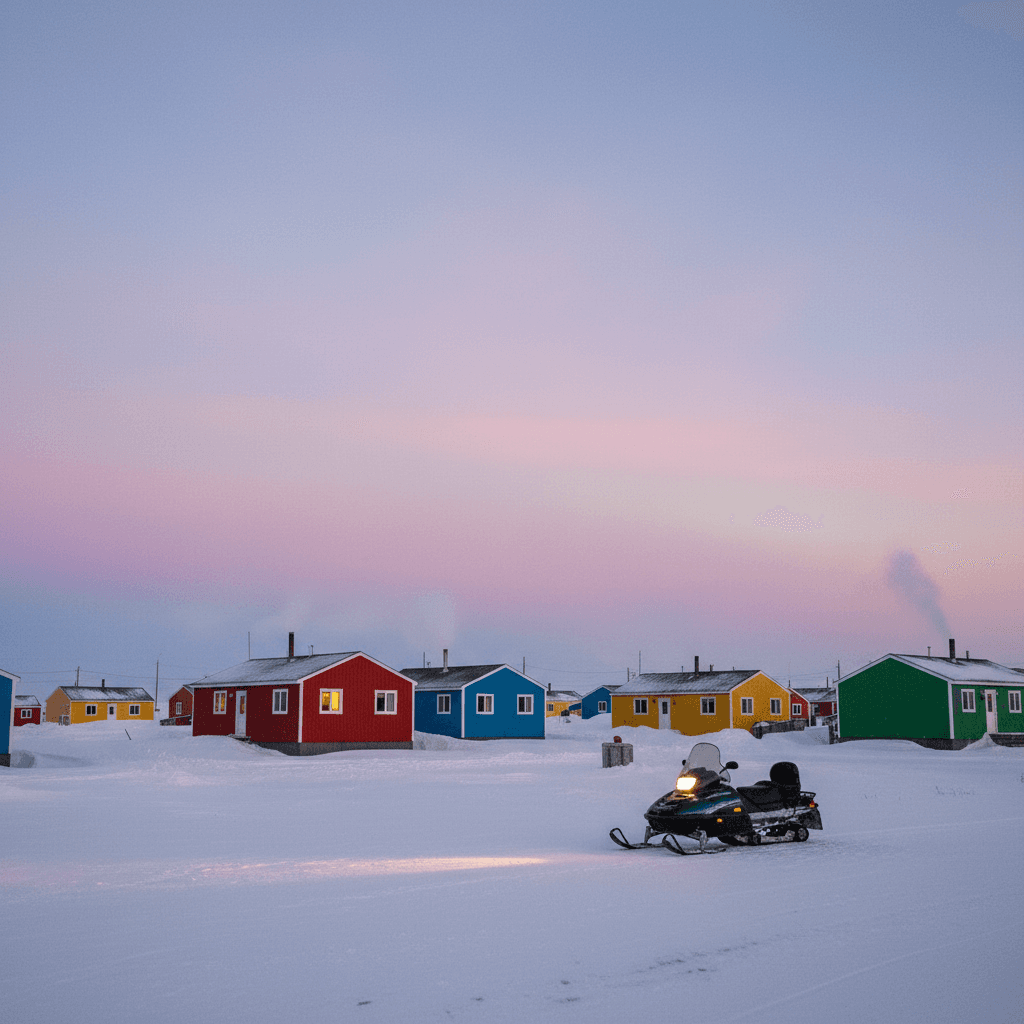
First Nations, Metis, and Inuit communities have consistently been among the hardest hit by wildfires, with some communities evacuated multiple times in recent years. The Assembly of First Nations has called for long-term, stable funding for community-level preparedness, including Indigenous Guardians programs, community-based firefighting capacity, and evacuation systems that keep families together.
Indigenous Services Canada has announced additional investments in community wildfire preparedness for 2026, focused on early warning, training, and infrastructure protection. Several First Nations have also invested in their own wildfire response capacity, combining traditional knowledge with contemporary fire science to guide fuel management and prescribed burning.
Community leaders in high-risk areas say the reality on the ground is still one of repeated displacement and inadequate housing options during evacuations. They argue that the measure of preparedness is not only the number of crews available at the start of the season, but the quality of the evacuation and return experience for families affected.
Impact on health and air quality
Wildfire smoke has become one of the most visible health issues of the Canadian summer. Air quality advisories in recent years have extended across the Prairies, central Canada, and parts of the United States, with measurable health impacts for people with respiratory conditions, cardiovascular disease, and pregnancy-related vulnerabilities.
Health Canada and provincial health authorities have expanded their smoke-preparedness guidance, encouraging Canadians to have plans for air filtration at home, to monitor the Air Quality Health Index, and to seek out cleaner indoor environments during heavy smoke days. Municipalities are also expanding community cleaner-air spaces, including libraries and recreation centres equipped with improved filtration.
Schools and sports leagues are adjusting policies to respond to smoke events, with clearer thresholds for cancelling outdoor activities. These protocols, developed or refined after the 2023 season, are being put to the test again in 2026.
Economic and insurance implications
The insurance industry is bracing for another challenging year. The Insurance Bureau of Canada has repeatedly flagged wildfires as one of the fastest-growing sources of catastrophic losses, and reinsurance pricing for Canadian wildfire risk has been firming. Industry analysts say that homeowners in high-risk regions can expect continued pressure on premiums and on the availability of coverage in the most exposed areas.
Forestry companies, tourism operators, and agricultural producers all have stakes in the season's outcome. Timber supply can be disrupted by burned stands or constrained access, while tourism businesses in regions frequently affected by smoke face cancellations and shorter peak seasons. The federal government's disaster financial assistance framework continues to be the backstop when events exceed private capacity, though the program has faced criticism for slow payouts.
What Canadians can do
Preparedness guidance for Canadians has become more widespread and more specific. FireSmart Canada encourages homeowners in fire-prone areas to clear combustible material from around homes, upgrade roofing and siding materials, and participate in community-level planning. Emergency management agencies recommend that every household maintain a go-bag with identification, medication, and important documents.
Travellers heading to provincial and national parks this summer are being asked to follow fire bans carefully, report smoke sightings promptly, and plan routes that account for potential road closures. Backcountry users are encouraged to check local fire danger ratings before departing and to register their trip plans with local authorities.
For Canadians outside the highest-risk areas, the main preparedness task is smoke management, including knowing how to seal homes and vehicles during heavy smoke events. Respiratory and cardiac patients, in particular, are encouraged to discuss plans with their physicians before the summer arrives.
What's next
The Canadian Interagency Forest Fire Centre will issue updated regional forecasts through the spring as snowmelt and precipitation patterns clarify. Provincial and territorial agencies will ramp up staffing in stages across May and June, with high-alert protocols kicking in if drought indicators worsen or if long-range temperature forecasts firm to the warmer side.
Much of the story will be determined by weather that is impossible to predict more than a week or two out. A cool, wet June across the boreal forest could blunt the worst of the season. A stretch of heat and lightning across drought-affected regions could set off fires that overwhelm available resources and push the national system back into the kind of sustained, countrywide mobilisation that has defined recent summers.
Canadians will spend the coming months watching maps, air quality readings, and evacuation alerts. Whether the 2026 fire season breaks records or merely matches the new, higher baseline, the one certainty is that the country's relationship with wildfire has changed, and the institutions and individuals tasked with responding are still working to catch up.