Financial Warfare: How the U.S. Plans to Economically Strangle Iran
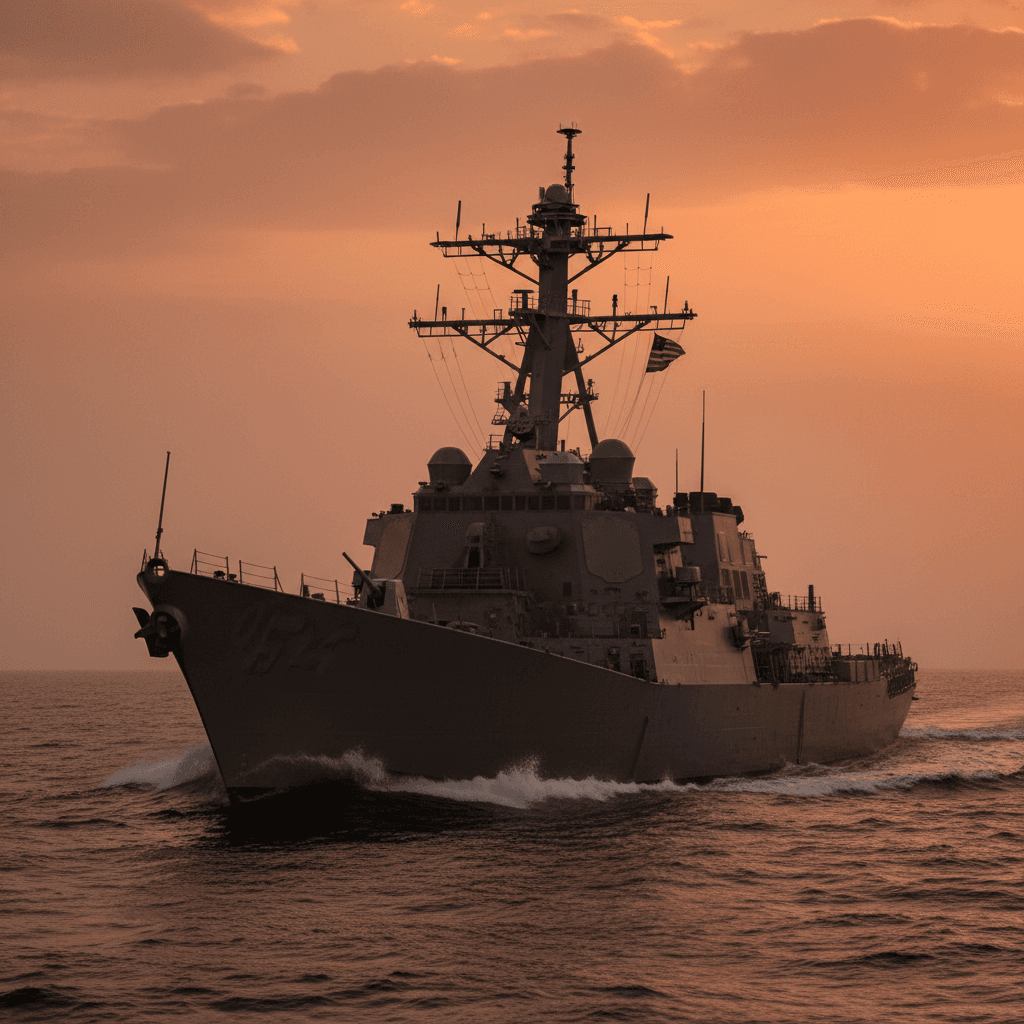
U.S. Treasury Secretary Scott Bessent used unusually stark language in April 2026 to describe the Trump administration's intended economic campaign against Iran, telling congressional interlocutors that planned sanctions actions would represent the financial equivalent of bombing campaigns, targeting Iran's ability to generate revenue, access capital markets and conduct international trade. The statement arrived as American naval forces maintained a blockade of Iranian ports that has been in place for several weeks, a hard enforcement tool that compounds the financial pressure by disrupting the physical flow of Iranian exports and imports simultaneously.
The combination of financial sanctions and a naval blockade represents an escalation of the economic coercion toolkit beyond anything the United States has applied to Iran in previous cycles of pressure, and it has implications that extend far beyond the bilateral relationship. Oil markets, global shipping lanes, the financial exposure of third-country banks and corporations, and the diplomatic calculations of every major power with interests in the Persian Gulf are all affected by the direction and intensity of U.S. economic warfare against Tehran.
For Canada, the implications are not abstract. Canadian energy exports compete in markets that are sensitive to Middle Eastern supply disruptions, and any significant constriction of Iranian oil output would affect global prices in ways that both help and complicate the Canadian energy sector. Canadian financial institutions with correspondent banking relationships and trade financing exposure in the region are also watching the sanctions escalation closely, calibrating their own compliance postures against the risk of secondary sanctions penalties.
What Financial Sanctions Are Being Planned
The Treasury Department's toolkit against Iran has evolved considerably since the initial sanctions programs of the 1980s and the comprehensive sanctions regime of the early 2010s. In 2026, the options available to Bessent's department include measures that go beyond the asset freezes and dollar-clearing restrictions that characterized previous rounds of pressure.
Asset freezes on Iranian government entities, the Central Bank of Iran and designated individuals are well-established tools that the administration intends to expand to cover a broader range of entities including those that have used creative corporate structures to maintain access to the dollar-clearing system. SWIFT exclusions, which prevent designated Iranian financial institutions from using the international messaging system that underpins most cross-border bank transfers, have been used before and are reportedly being prepared for a wider target set, including some banks in third countries that have been serving as intermediaries for Iranian transactions.
Secondary sanctions are the most consequential and controversial element of the planned escalation. These measures penalize non-American companies and financial institutions that do business with designated Iranian entities, effectively forcing foreign firms to choose between access to the U.S. market and financial system on one hand and Iranian business relationships on the other. European, Asian and Middle Eastern companies that have maintained trade relationships with Iran through periods of reduced U.S. secondary sanctions exposure would face a stark choice under an intensified secondary sanctions regime.
The Naval Blockade and Global Oil Supply
The naval blockade of Iranian ports adds a physical dimension to the economic pressure that financial sanctions alone cannot achieve. Iran's primary export revenue comes from oil, and disrupting the ability of tankers to load and depart from Iranian terminal facilities directly attacks that revenue stream in a way that does not depend on the willingness of foreign banks and companies to comply with sanctions voluntarily.
The blockade has already produced measurable effects on Iranian oil export volumes, with tanker tracking data showing a significant reduction in loadings from key Iranian terminals since the blockade was established. Iranian authorities have disputed some of the publicly reported figures, but independent shipping analysts have confirmed a substantial decline from pre-blockade levels.
The global oil supply implications depend heavily on how long the blockade persists and how Iranian oil volumes compare to the spare capacity available from OPEC producers and other suppliers. Saudi Arabia, the UAE and Iraq collectively hold significant spare capacity that could offset reduced Iranian supply, but deploying that capacity takes time and carries its own political costs within OPEC. Canada's oil sands producers are a significant beneficiary of any sustained tightening in global supply, as higher crude prices improve the economics of high-breakeven Canadian production, but the benefit comes with global inflationary risks that affect the broader Canadian economy.
How Iran Has Historically Circumvented Sanctions
Iran has developed substantial expertise in sanctions evasion over decades of U.S. economic pressure, and the current escalation will be met with countermeasures that exploit the gaps and inconsistencies in any sanctions architecture. The most established evasion techniques involve ship-to-ship oil transfers in international waters, where Iranian crude is transloaded onto vessels with different documentation before reaching the eventual buyer, obscuring the origin of the cargo.
Front companies and shell entities in jurisdictions with limited sanctions enforcement capacity have been a consistent feature of Iranian economic evasion, and the network of intermediaries used to purchase Iranian oil and financial services has proven difficult to dismantle comprehensively. Countries including China, India and some Southeast Asian states have maintained significant Iranian oil purchases during previous sanctions periods, and their continued appetite for Iranian crude will be the most important variable determining how effective the current escalation proves.
Iran's domestic economy has adapted to sanctions pressure through import substitution and the development of alternative financial arrangements that reduce dependence on dollar-clearing systems. Those adaptations are imperfect and costly, but they represent a genuine reduction in the leverage that sanctions provide relative to the situation before Iran began building its evasion infrastructure. The current pressure campaign will test how resilient those adaptations are at the higher intensity levels Bessent has described.
Which Countries Will Feel the Oil Market Impact
The countries most exposed to a sustained reduction in Iranian oil supply are those that have been importing Iranian crude, particularly at the discounted prices that Iran offers to buyers willing to absorb the compliance risk. China is the largest importer of Iranian oil and has been the most important market for Iranian exports during periods of Western sanctions, and any disruption to that supply relationship would require Chinese refineries to source replacement volumes from alternative suppliers at higher prices.
India, which resumed significant Iranian oil imports as U.S. secondary sanctions were relaxed during some periods of the 2020s, is another major exposure country. The Indian government's response to intensified U.S. secondary sanctions will be closely watched, as India's energy security interests and its relationship with Washington are both significant factors in how it navigates the choice Bessent's department is effectively presenting.
European importers largely exited the Iranian market during the initial Trump-era sanctions campaign and have maintained that distance through subsequent diplomatic discussions. Their exposure is lower, though European energy companies with complex supply chains and financing arrangements may find themselves affected by secondary sanctions provisions targeting intermediaries rather than end buyers directly.
How This Affects Canadian Energy Exports
Canadian crude oil and natural gas compete in a global market where Iranian supply is a meaningful variable. When Iranian volumes are constrained, the incremental barrel of supply must come from somewhere else, and the resulting tightening in the supply-demand balance supports global oil prices. Higher global prices benefit Alberta's oil sands producers, whose production economics are generally viable above $60 to $65 per barrel West Texas Intermediate but become progressively more attractive above $70.
The benefit to Canadian producers is real but comes with qualifications. Higher global oil prices also raise input costs for the Canadian manufacturing and transportation sectors, contribute to inflationary pressure that the Bank of Canada must weigh in its rate decisions, and can dampen consumer spending in ways that affect the broader Canadian economy. The net effect depends on the magnitude and duration of the price increase and on the structure of individual industries' exposure to energy costs.
Canada's position as a G7 ally of the United States gives it a secondary interest in the effectiveness of the sanctions campaign beyond energy market considerations. Canadian financial institutions and companies must comply with both Canadian and U.S. sanctions regulations, and the intensification of U.S. secondary sanctions creates compliance complexity for firms with any exposure to Iranian counterparties or to the third-country intermediaries that service the Iranian sanctions evasion network.
Escalation and De-escalation Paths
The current U.S. pressure campaign operates on a dual track: the financial and naval coercion described by Bessent is intended to create conditions for a negotiated outcome on Iran's nuclear programme and regional behaviour, not necessarily to impose indefinite strangulation. Trump has simultaneously signalled willingness to negotiate directly with Tehran, and the language of the financial equivalent of bombing is as much a bargaining signal as a description of final intent.
The escalation path leads toward further constriction of Iranian oil revenues, broader secondary sanctions enforcement and potentially military options that neither side has publicly ruled out. The de-escalation path runs through direct negotiations, as Trump has indicated are possible in coming weeks, toward a deal that would see sanctions relief in exchange for Iranian concessions on nuclear enrichment and regional proxy activity.
The probability of each path is deeply uncertain and subject to developments on the ground, in Tehran's internal politics and in the calculations of third parties including Russia, China and Gulf states with their own interests in the outcome. Canada's diplomatic contribution in this environment is limited but not absent: Ottawa has maintained diplomatic channels with Iran that most of its Western allies have reduced, positioning Canada as a potential facilitator if direct negotiations develop and as a provider of consular services to the significant Canadian-Iranian diaspora community.