Canada pledges $120M for Sudan as civil war enters fourth year
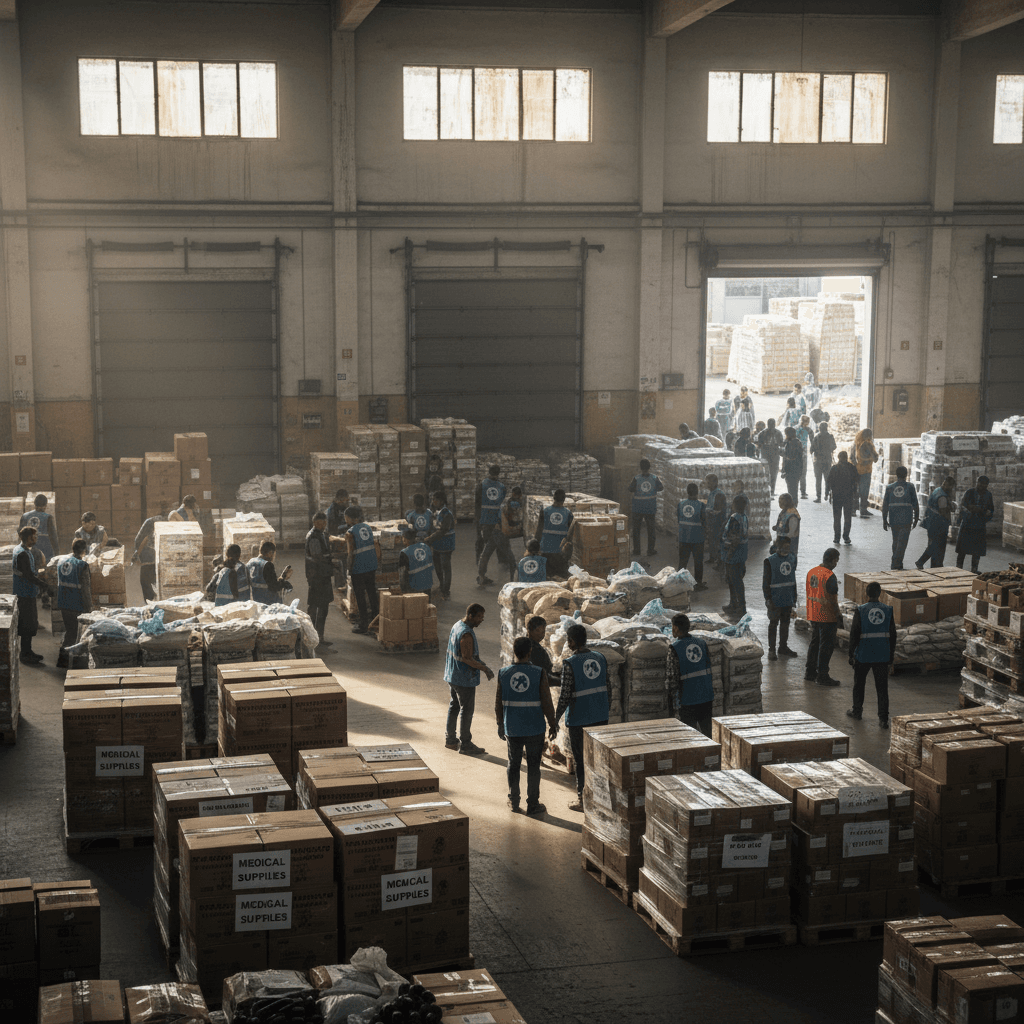
Canada is committing $120 million in fresh humanitarian and development aid to Sudan as the country's civil war enters a fourth year, with Foreign Affairs Minister Anita Anand channelling a sizeable portion of the package through Canadian-led organizations on the ground. The announcement on April 15 places Ottawa among the larger bilateral donors responding to what the United Nations describes as the world's most severe displacement emergency.
For Canadians, the package is more than a line in the federal ledger. It underwrites the work of CARE Canada, Oxfam Canada, Save the Children Canada and Canadian Lutheran World Relief — organizations staffed by Canadian field officers and funded in part by Canadian donors — at a moment when global aid budgets are contracting.
Where the money goes
The $120-million envelope breaks down into clear tranches, according to Global Affairs Canada. Emergency relief absorbs the bulk of it, with development spending targeted at education and gender-based violence prevention.
- $94 million for emergency food, nutrition, health care, protection, shelter, water and sanitation
- $25 million in development assistance, including $18 million via Save the Children Canada to educate more than 60,000 children
- $7 million to the UN Population Fund for sexual and gender-based violence prevention in Sudan, Darfur and Kordofan
- $8.5 million for the first year of a two-year joint response led by CARE Canada, Oxfam Canada and Canadian Lutheran World Relief
The education allocation responds directly to a grim statistic: Sudan now holds the record for the longest nationwide school closure anywhere on earth, according to UN agencies cited by The Globe and Mail.
A crisis without parallel
More than two years into open war between the Sudanese Armed Forces and the Rapid Support Forces, the country has produced the largest internal displacement crisis on record. Aid agencies have documented systematic sexual violence, mass graves in Darfur, and famine conditions confirmed by the Integrated Food Security Phase Classification in several regions.
Anand framed the funding as a moral and strategic investment.
"Canada stands with the people of Sudan. We are acting to save lives today and to protect the futures of the children who will have to rebuild this country tomorrow."
Canadian NGOs under strain
Directing a meaningful share of the envelope through Canadian organizations gives Ottawa both accountability and reach. CARE Canada has been operating in Darfur for two decades; Oxfam Canada runs water and sanitation programs in camps along the Chadian border; Canadian Lutheran World Relief has focused on food assistance and livelihood recovery.
Still, sector leaders caution that $120 million, while meaningful, addresses a fraction of documented need. The UN's 2026 humanitarian response plan for Sudan is funded at under a third of requirements. Canadian NGOs have publicly called on other G7 partners — particularly the United States, which has scaled back overseas assistance — to close the gap.
Context
The package fits a broader pattern in Canadian foreign policy under the Carney government: smaller, more targeted bilateral commitments routed through trusted domestic partners rather than pooled multilateral funds. Supporters argue the approach delivers measurable results. Critics counter that it fragments the international response at a time when coordination matters most.
Canadian aid officials are scheduled to present outcomes tracking to the House of Commons foreign affairs committee later this spring, including enrolment data from the Save the Children education program and SGBV case numbers from UNFPA clinics.