Op NANOOK-NUNALIVUT wraps with 1,300 troops in largest winter Arctic drill
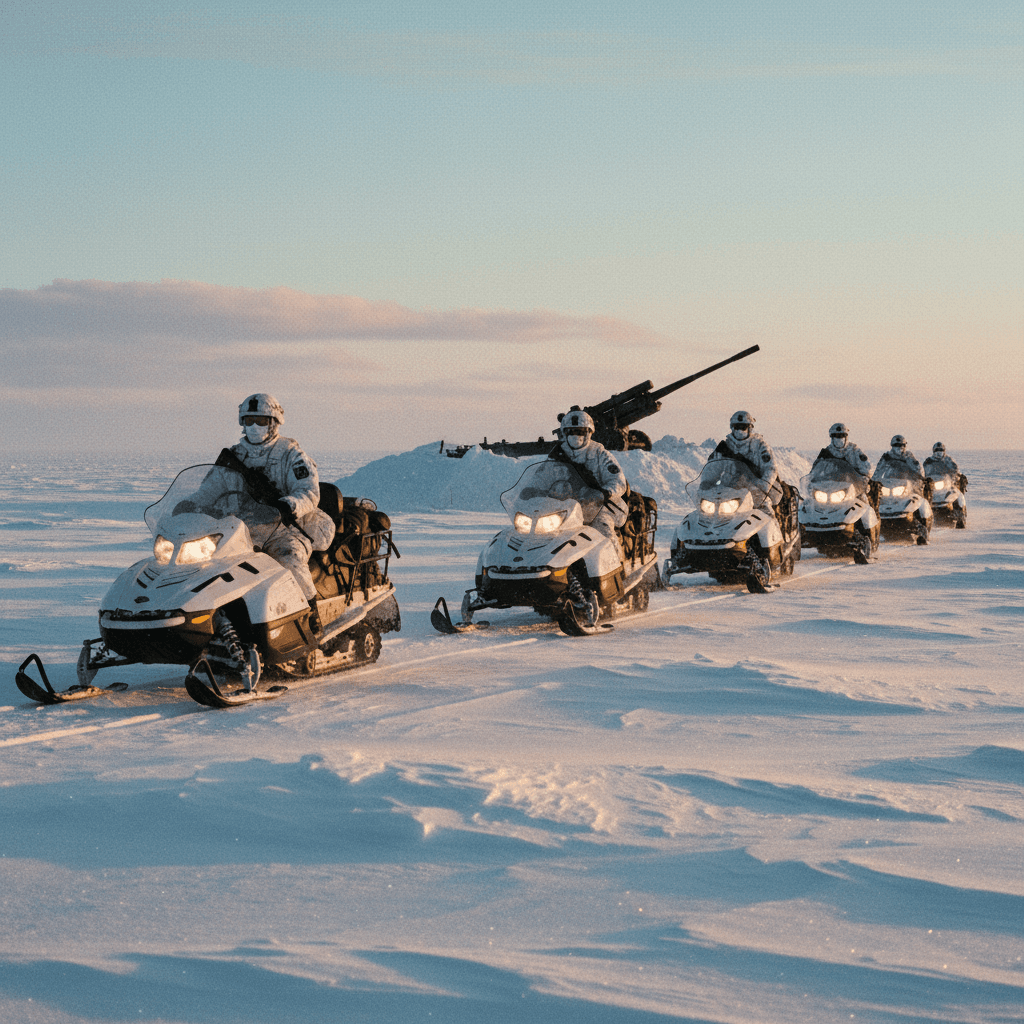
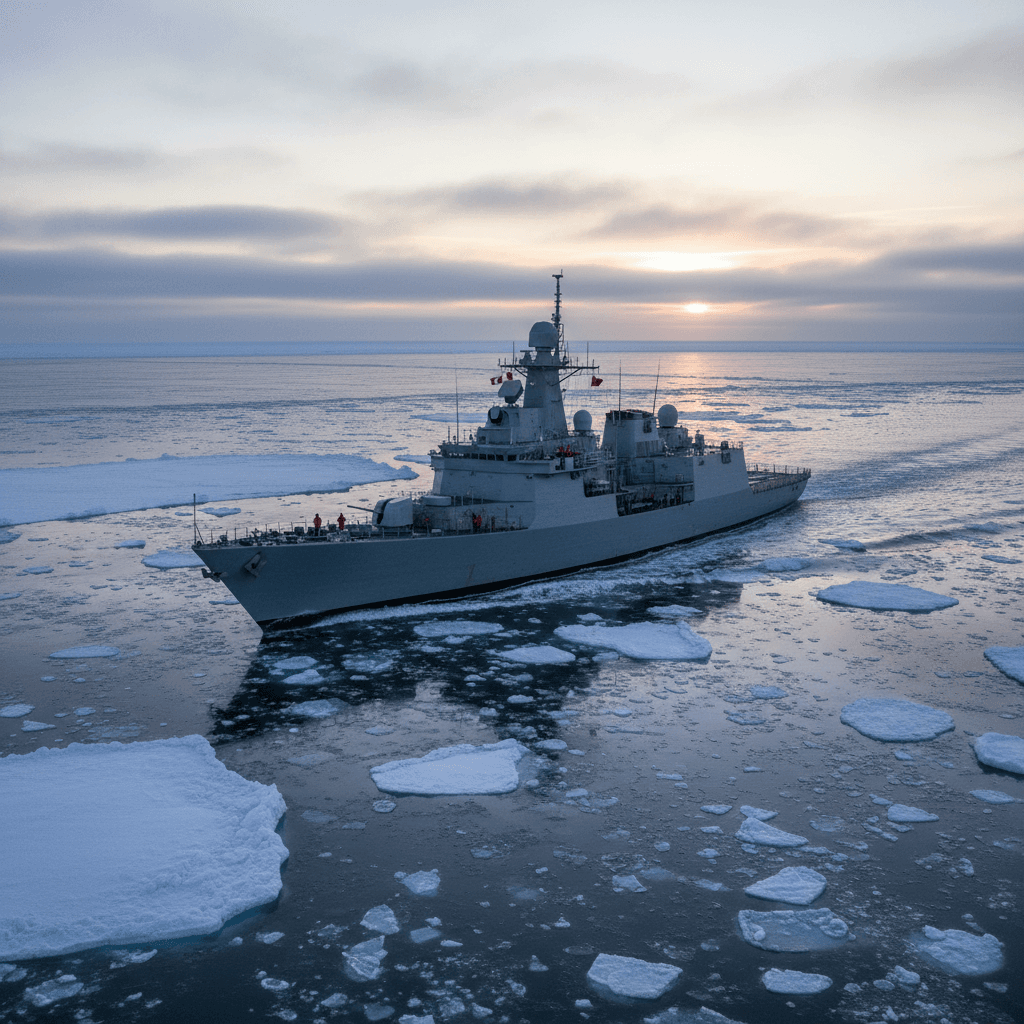
The Canadian Armed Forces concluded Operation NANOOK-NUNALIVUT 2026 on April 16, closing out what the military calls the largest winter iteration of its flagship Arctic exercise. About 1,300 personnel, nearly 200 vehicles and allies from four NATO countries operated across Yukon, the Northwest Territories, Nunavut and three southern provinces between February and April.
The exercise doubled as a test of Canada's ability to project force through the High Arctic and as a signal to NATO allies watching Russian and Chinese activity in the circumpolar region. Troops deployed alongside forces from Belgium, Denmark, France and the United States under NATO's enhanced Vigilance Activity ARCTIC SENTRY.
Scope of the exercise
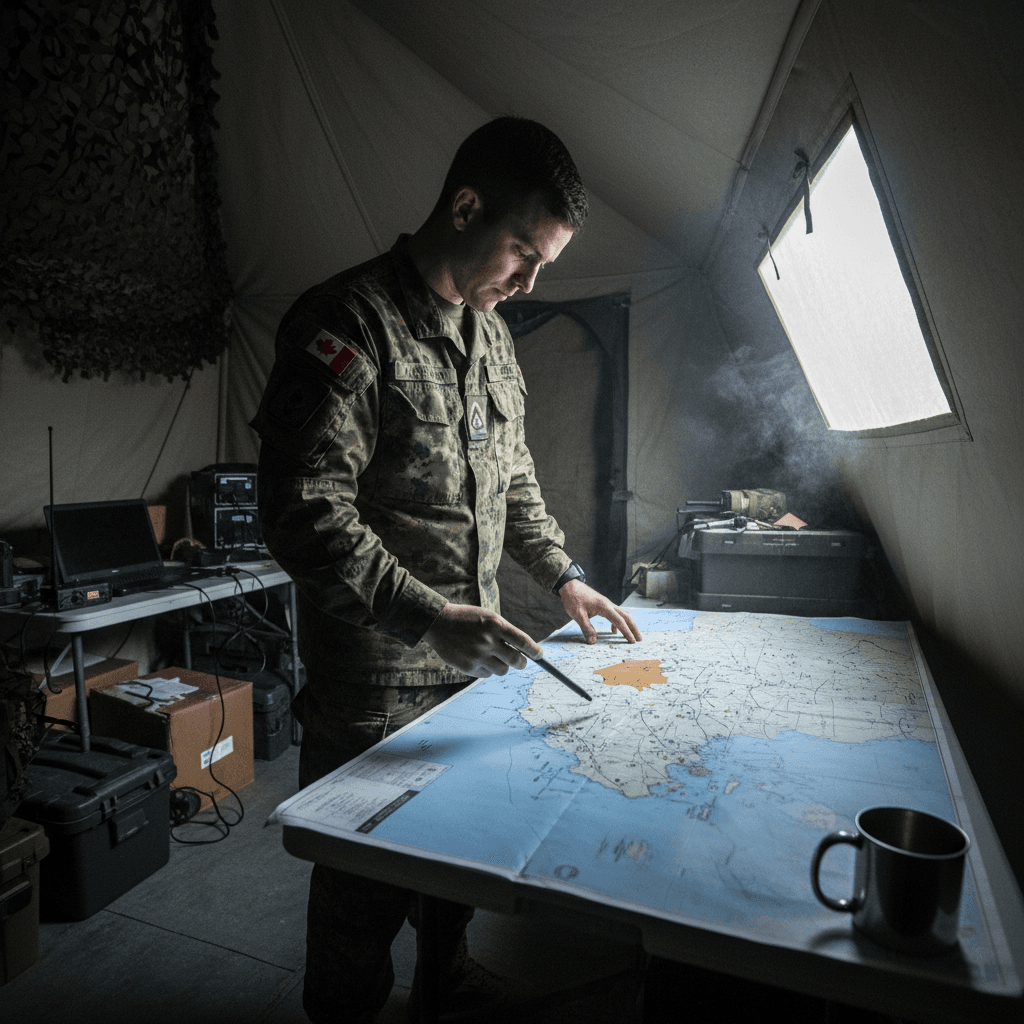
Beyond the headcount, Op NANOOK-NUNALIVUT moved two M777 howitzers and roughly 200 vehicles across the North. A long-range patrol covered more than 5,000 km from Inuvik in the Northwest Territories to Churchill, Manitoba, testing navigation, resupply and communications across territory where infrastructure is sparse.
Planners said the exercise was designed to stress complex logistics and to assess how equipment performs at temperatures that regularly dropped below -40 C during operations.
Allied participation
Belgian, Danish, French and U.S. units integrated with Canadian formations for land and air operations. Denmark, which has been expanding its own Arctic footprint around Greenland, sent observers and a small contingent, while the U.S. contributed airlift and Arctic special operations personnel.
Arctic sovereignty is defended by presence, and presence requires practice.
The allied integration is part of a broader NATO push to strengthen domain awareness in the Arctic after the alliance's 2024 expansion brought Sweden and Finland into its ranks and extended its northern border.
Sovereignty and strain
Op NANOOK-NUNALIVUT comes as Ottawa commits new funding to Arctic defence, including over-the-horizon radar and a fleet of new polar icebreakers. The exercise also highlighted chronic gaps — limited runways, thin fuel stocks and reliance on civilian contractors — that constrain how fast Canada can scale operations in the North.
- Duration: February to April 2026
- Personnel: approximately 1,300
- Vehicles and equipment pieces: nearly 200
- Long-range patrol: more than 5,000 km
- Allies: Belgium, Denmark, France, United States
Coverage of Arctic defence and alliance politics continues on the world news desk.
Context
The NANOOK series began in 2007 as a small sovereignty patrol. This year's edition is more than 10 times the size of the original and reflects a steady buildup in scope as climate change opens shipping lanes and intensifies competition for Arctic resources. Officials have signalled that future editions will continue to rotate across all three territories and integrate allied forces more deeply.
The the North desk will continue to track military activity across the territories.