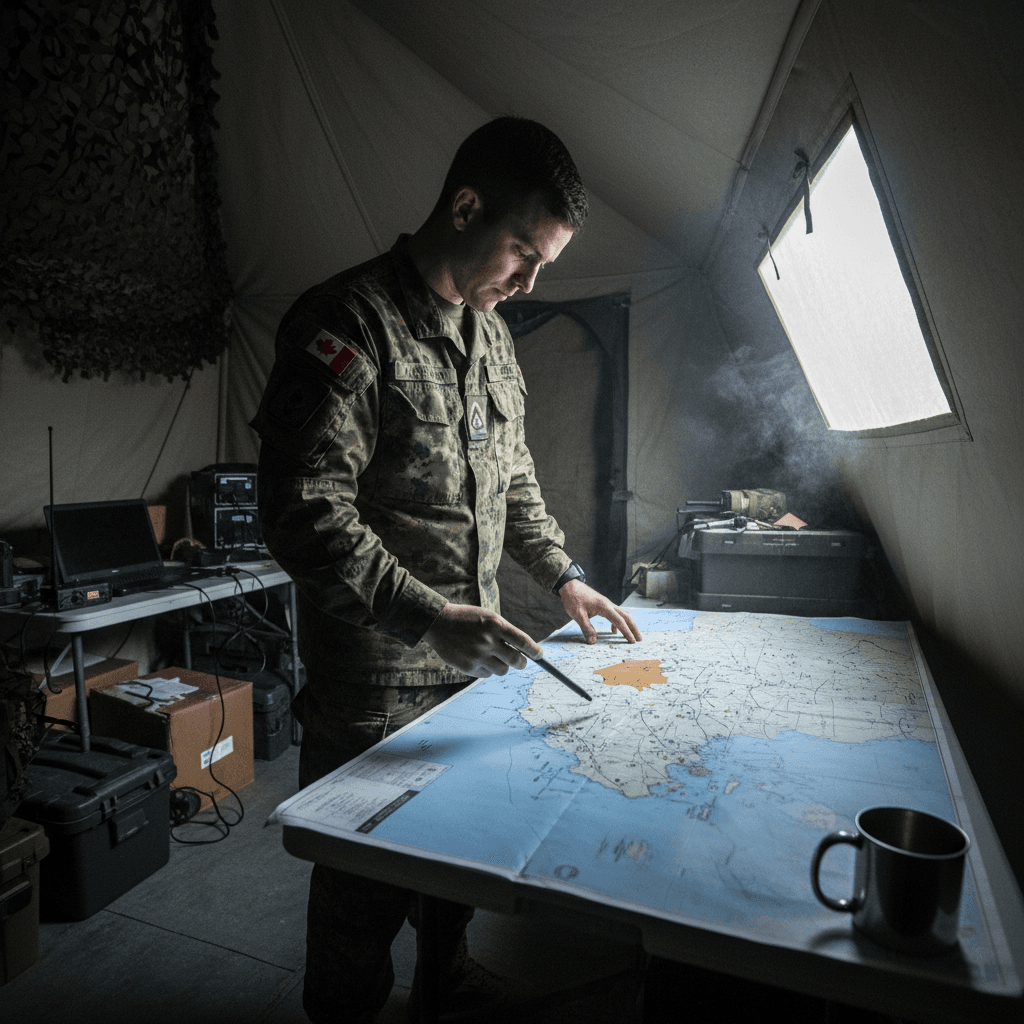
Canada hits NATO 2% target, commits $500B over decade toward 5% by 2035
For the first time since the Cold War, Canada has cleared NATO's 2% defence spending benchmark, Prime Minister Mark Carney announced on March 26, backed by a $9.3-billion investment surge and a forward commitment to push military outlays to 5% of GDP by 2035. The decision commits the country to roughly $500 billion in defence spending over the next decade, reshaping federal budgets and the Canadian industrial base.
For Canadians, the shift ends years of pointed criticism from Washington and European capitals over under-investment, and it locks in sustained procurement pipelines for shipyards in Halifax and Vancouver, aerospace firms in Montreal, and sensor and radar manufacturers across Ontario and Quebec.
How Ottawa got to 2%
According to the Prime Minister's Office, the 2% threshold was reached through a combination of genuine new spending and an accounting update that aligns Canadian figures with NATO's standard definitions.
- $9.3 billion in additional near-term investment announced in March
- Reclassification of some coast guard, intelligence and veterans support under NATO-eligible categories
- Accelerated delivery schedules on submarines, fighter aircraft and munitions
Critics have flagged that the reclassification component inflates the headline figure. The government counters that the methodology mirrors what other allies already report, and that the underlying procurement trajectory is real.
The 5% commitment
At the 2025 NATO Summit in The Hague, Canada joined allies in pledging to invest 5% of GDP in defence by 2035. The target is split into two tracks.
- 3.5% on direct defence spending — personnel, equipment, operations
- 1.5% on broader security investments — critical infrastructure, cyber, resilience
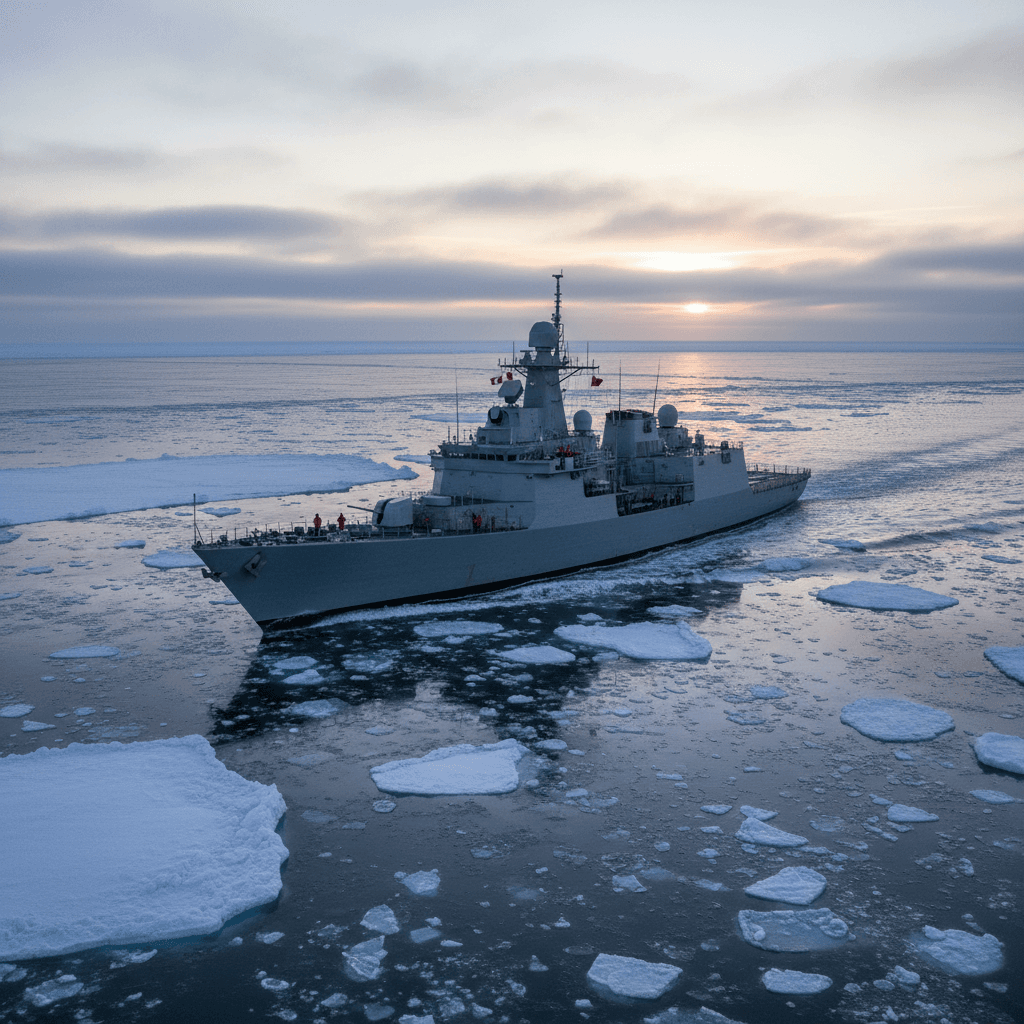
Over the next ten years, Canada plans to invest roughly $500 billion in submarines, aircraft, drones, sensors and radar systems, according to briefings from the Department of National Defence reported by CBC News.
Arctic Sentry and the High North
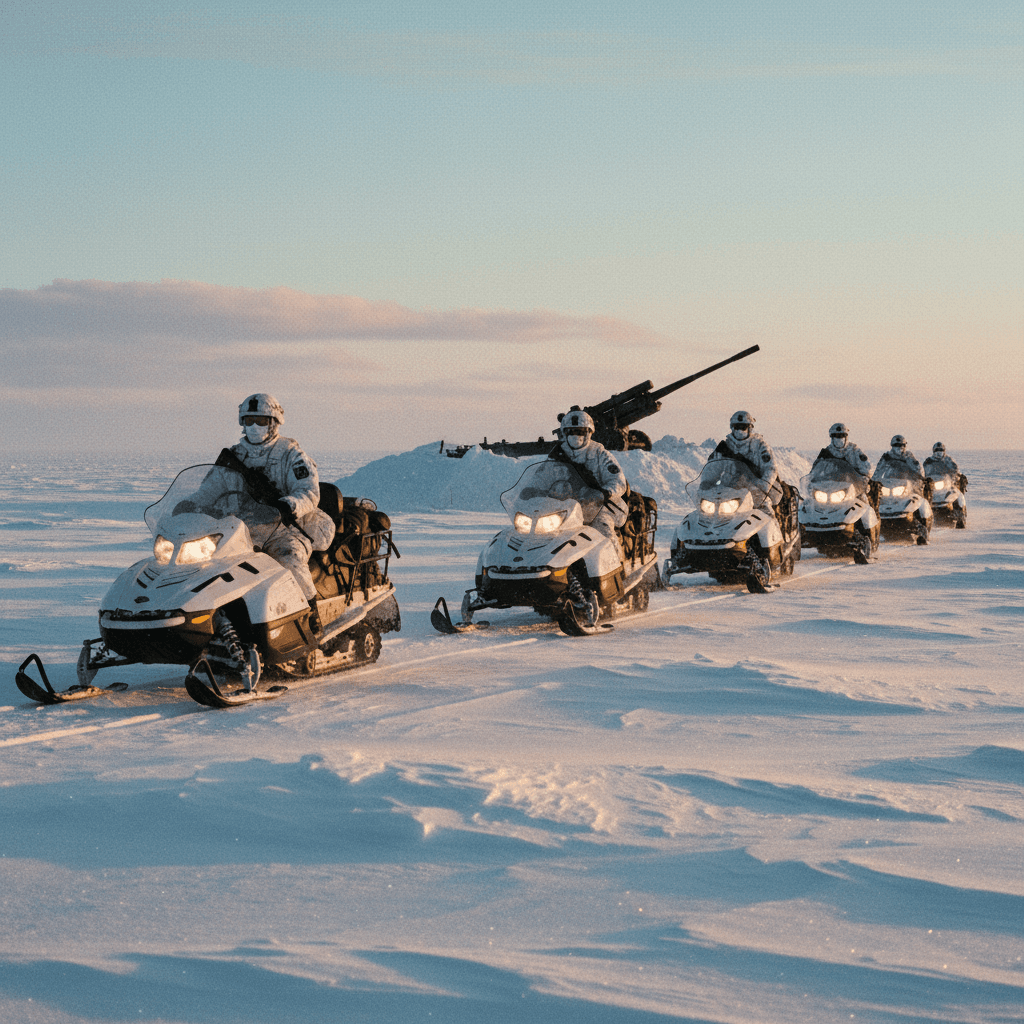
Ottawa is using the spending ramp to push a specific priority inside the alliance: making Arctic Sentry, the NATO surveillance initiative in the High North, a permanent fixture rather than a rotating exercise. Defence Minister McGuinty travelled to Europe in February to lobby allies directly.
"The Arctic is no longer a distant concern. It is a shared frontline, and Canada intends to lead on its defence."
Carney has tied the 5% commitment to Canadian sovereignty in the north, arguing that melting sea ice, expanded Russian activity and growing Chinese interest in polar shipping lanes require a permanent NATO presence with Canadian leadership.
Industrial and fiscal stakes
The $500-billion profile creates decades of work for Canadian defence contractors, but it also forces tough fiscal choices. Analysts at the Parliamentary Budget Officer's office have warned that sustaining the trajectory will require either new revenue measures, spending reductions in other envelopes, or continued deficit financing.
Procurement reform remains the unresolved piece. Canada's track record on major military purchases — from fighter jets to shipbuilding — is littered with delays and cost overruns. The government has signalled changes to Public Services and Procurement Canada's defence acquisition model, though details have not yet been tabled.
What's next
A refreshed Defence Policy Update is expected this summer, setting out year-by-year spending targets to 2035 and identifying priority capability gaps. Parliament will also be asked to approve a multi-year capital envelope, an unusual step designed to give contractors the certainty they need to expand Canadian production lines. See further world news coverage for allied responses.