Carney urges Lebanon be included in Israel ceasefire as Ottawa readies mass evacuation
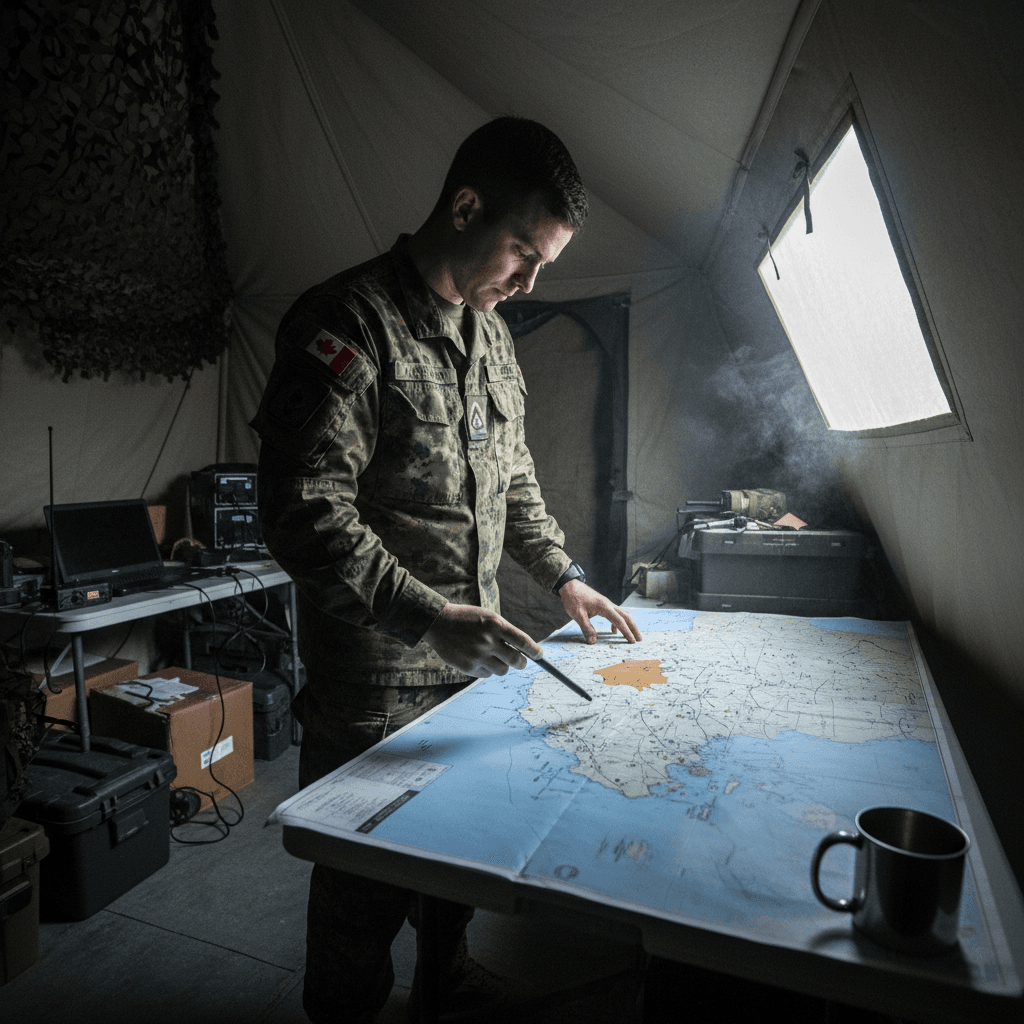
Prime Minister Mark Carney pressed Washington and its partners to ensure a fragile Israel ceasefire formally covers Lebanon, as Ottawa readied a contingency plan to move as many as 75,000 Canadian citizens out of the conflict zone. The ten-day truce, brokered by the Trump administration, took effect at 17:00 EST on April 16, but Canadian officials warned the agreement left Lebanese territory dangerously ambiguous.
For Canada, the stakes are unusually personal. Between 45,000 and 75,000 Canadians are estimated to be in the region, one of the largest diaspora exposures Ottawa has faced since the 2006 Lebanon evacuation. Global Affairs Canada has issued an urgent advisory telling citizens to leave while commercial flights still operate.
Carney breaks with Washington's framing
Speaking to reporters in Ottawa, Carney was unusually direct in distancing Canada from the initial terms of the ceasefire. He called Israel's military operation in Lebanon an "illegal invasion" and said the agreement as drafted did not reflect what Ottawa and allies had negotiated.
"The ceasefire needs to include Lebanon, that certainly had been the understanding and that needs to be the reality on the ground."
Carney added that the operation represented "a violation of [Lebanon's] territorial sovereignty," a pointed departure from the more cautious language used by several NATO partners. Foreign Affairs Minister Anita Anand struck a softer tone in a statement from Global Affairs Canada, welcoming the truce as "an important step towards de-escalation."
Evacuation logistics already in motion
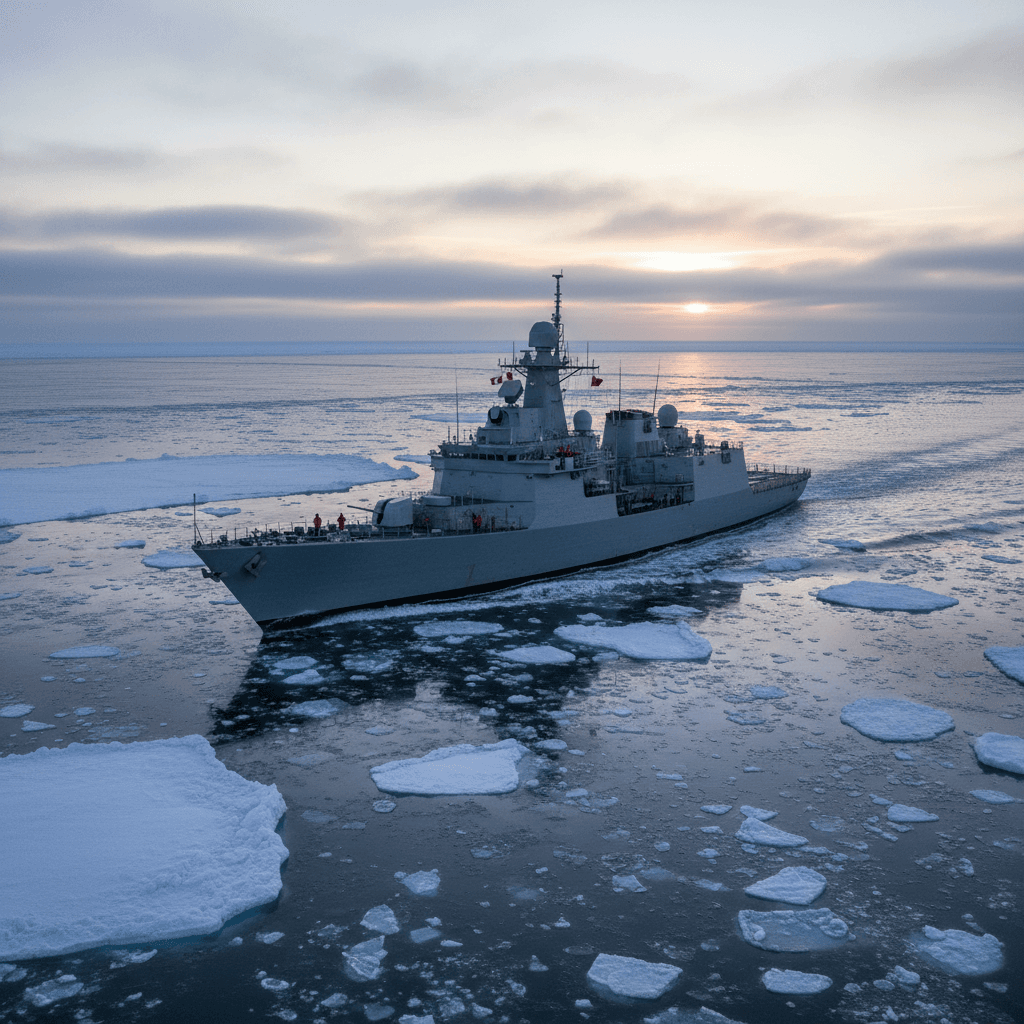
Canadian Armed Forces personnel have been positioned in Cyprus to coordinate a potential airlift and sealift with allied forces. Canada and Australia have jointly chartered a cruise ship to move evacuees out of Beirut if the ceasefire collapses, according to Global News.
- Joint Canada-Australia cruise ship chartered for rapid sealift from Beirut
- CAF coordination cell operating out of Cyprus
- Commercial flights still running, but seats tightening daily
- Consular officers deployed to border crossings into Syria
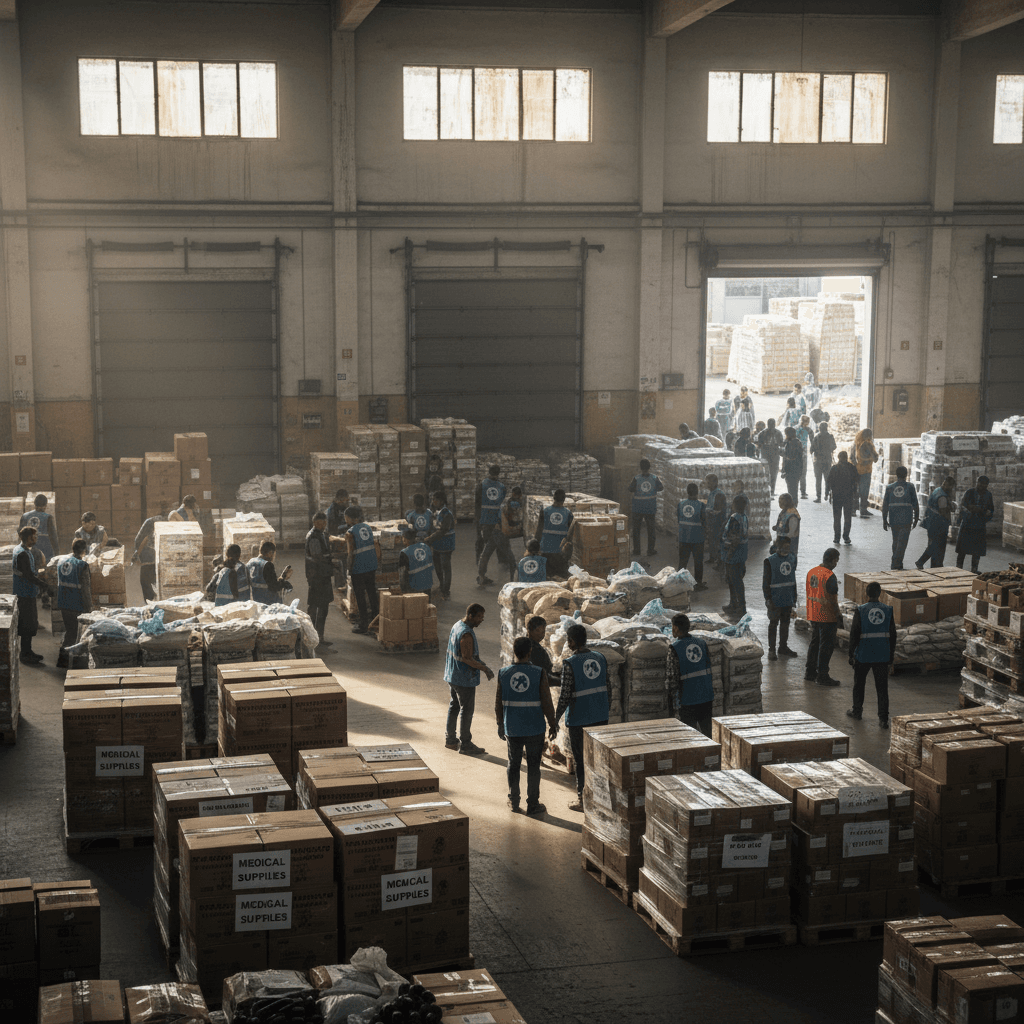
Ottawa learned hard lessons from 2006, when the evacuation of roughly 15,000 Canadians from Lebanon stretched federal logistics to the breaking point. This time the potential caseload is three to five times larger, and the federal government is leaning heavily on allied shipping and regional airports to build redundancy into the plan.
A sharper independent line
Carney's willingness to publicly criticize Israeli military conduct marks a continuation of the more assertive posture he has signalled since taking office. His government has pushed back on US trade measures, recalibrated relations with India, and is now prepared to challenge Washington's framing of a live Middle East ceasefire.
Analysts in Ottawa say the tone is deliberate. Canada is trying to preserve its credibility with Arab partners and Gulf capitals while avoiding a full rupture with the United States, its largest trading partner and security ally.
What's next
The ten-day window gives negotiators a narrow runway to convert the pause into something durable. Canadian officials say that if the ceasefire is extended and formally expanded to include Lebanese territory, the mass evacuation contingency will be scaled back. If it collapses, the Cyprus staging operation moves from planning to execution within 24 hours.
Anand is expected to meet with counterparts from France and the United Kingdom this week to coordinate next steps and press for guarantees on humanitarian access to southern Lebanon.