Yukon launches heating rebates after -50 C cold snap strained the grid
The Yukon government opened applications on April 15 for the Dependable Grid Program, a rebate scheme designed to pull households off electric baseboards and furnaces before next winter. The launch follows a December 2025 cold snap that pushed demand past 90 per cent of available grid capacity and left Whitehorse one transmission fault away from rolling blackouts.
Energy Minister John Streicker framed the program as a response to what he called an energy crisis, pairing the rebates with an expanded Affordability Rate Relief scheme. Applications are retroactive to April 1, meaning recent switchovers can still qualify.
How the rebates work
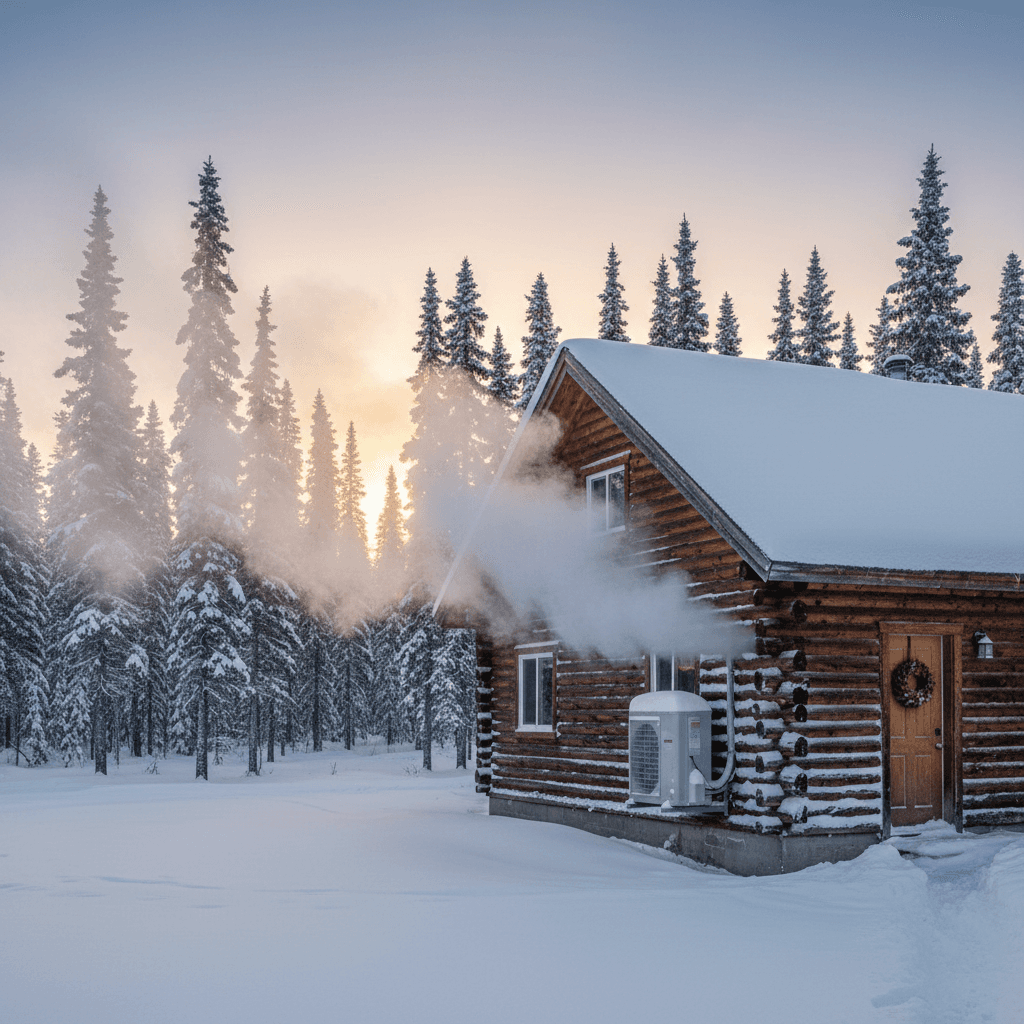
Homeowners installing a dual-fuel system — a heat pump paired with a non-electric backup — can claim 50 per cent of eligible costs up to $15,000 for an existing home. A secondary, non-electric heater, including wood and pellet stoves, oil monitors or propane fireplaces, is eligible for 50 per cent up to $5,000.
The government says a typical household switching from electric baseboards or furnaces could save about $1,900 a year on utility bills, although actual savings depend on home size, envelope and fuel prices.
Why now
During the December cold snap, temperatures fell to -50 C and the territorial grid operated at the edge of its capacity. Officials told reporters that Whitehorse would have faced rolling blackouts had the transmission line to the Aishihik hydro facility gone down during the peak.
We cannot build our way out of peak demand fast enough. We need to shift load.
Yukon Energy has been studying battery storage and additional generation, but new capacity is years away. The Dependable Grid Program is meant to bridge that gap by shaving the winter peak, when electric heat accounts for the largest share of demand.
The climate trade-off
The policy has drawn mixed reactions from climate advocates. Wood, pellet, oil and propane appliances produce greenhouse gases and, in the case of wood stoves, fine particulate pollution. Yukon officials counter that adding load to a stressed grid would force the territory to run more diesel generation at the margin.
- Dual-fuel systems: 50% rebate up to $15,000
- Secondary non-electric heating: 50% rebate up to $5,000
- Applications retroactive to April 1, 2026
- Affordability Rate Relief expanded to cover 25% of electricity on the first 1,500 kWh/month from October 2026 through March 2027
The environment and climate desk will track uptake and emissions modelling as the program rolls out.
What's next
The Yukon government expects the first wave of installations before the 2026-27 heating season. Yukon Energy is due to release a winter readiness plan in September that will reflect assumed demand reductions from the rebate program. Opposition MLAs have signalled they will push for emissions disclosure tied to the new incentives.
More the North energy coverage will follow the first quarterly update.