B.C. braces for tough 2026 wildfire season as northeast drought deepens
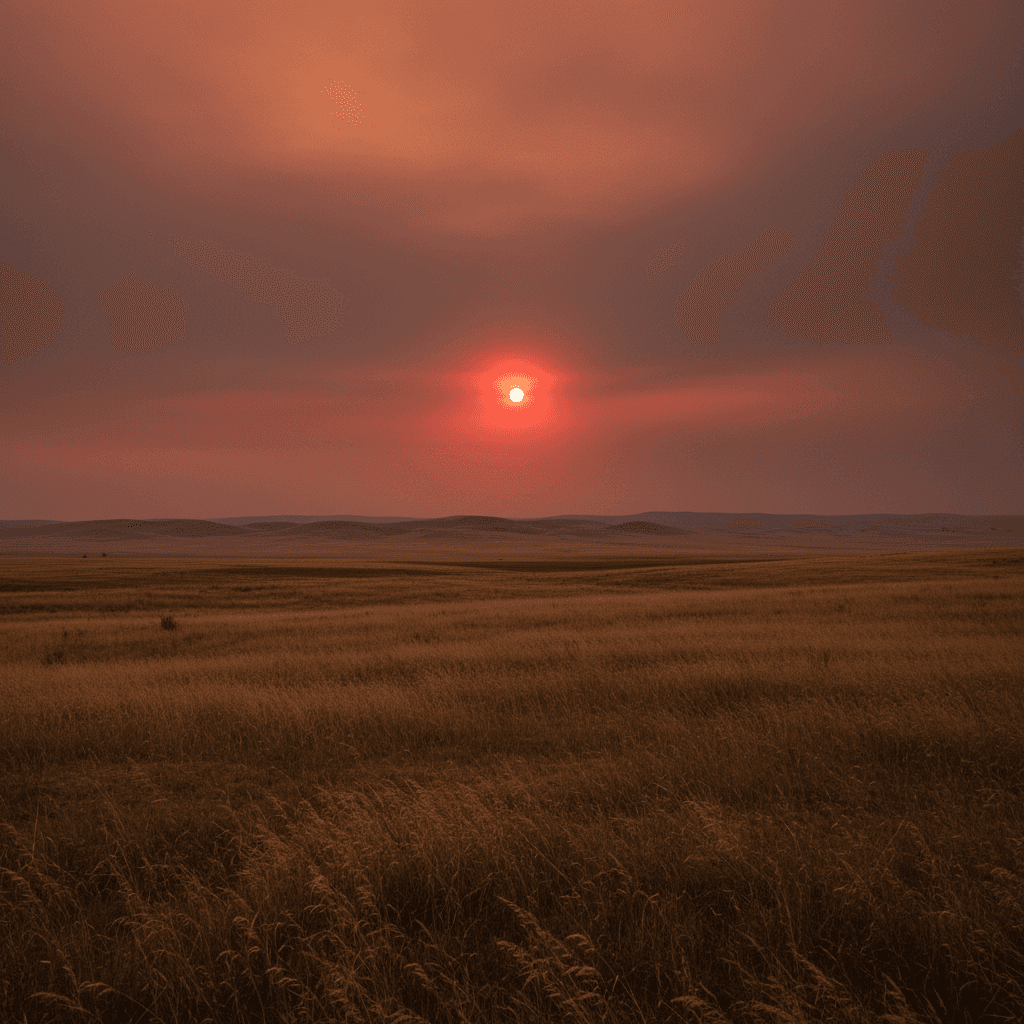
British Columbia's wildfire agencies are gearing up for another punishing fire season in 2026, with the northeastern corner of the province flagged as the area of greatest concern. Multi-year drought conditions have persisted there despite a wet December 2025, leaving soils and forests primed to burn if spring rains fail to materialize.
The B.C. Wildfire Service (BCWS) says the Chilcotin and South Thompson regions also carry an elevated risk of extreme or hard-to-control fires this summer. Provincial officials are betting heavily on expanded equipment, staffing and community prevention programs to blunt the threat.
Northeast is the epicentre of concern
BCWS officials point to below-normal precipitation in October and November 2025 as the main driver of ongoing concern in the Peace region. Although a wet December improved snowpack in some basins, years of cumulative moisture deficits have left forest fuels dry at depth.
Environment Canada's seasonal outlook is forecasting a hot summer across western Canada, a pattern that has repeatedly translated into record fire activity over the past decade. Fire behaviour analysts warn that how the season plays out hinges on rainfall in May and June, the critical window before lightning season ramps up.
Staffing and equipment surge
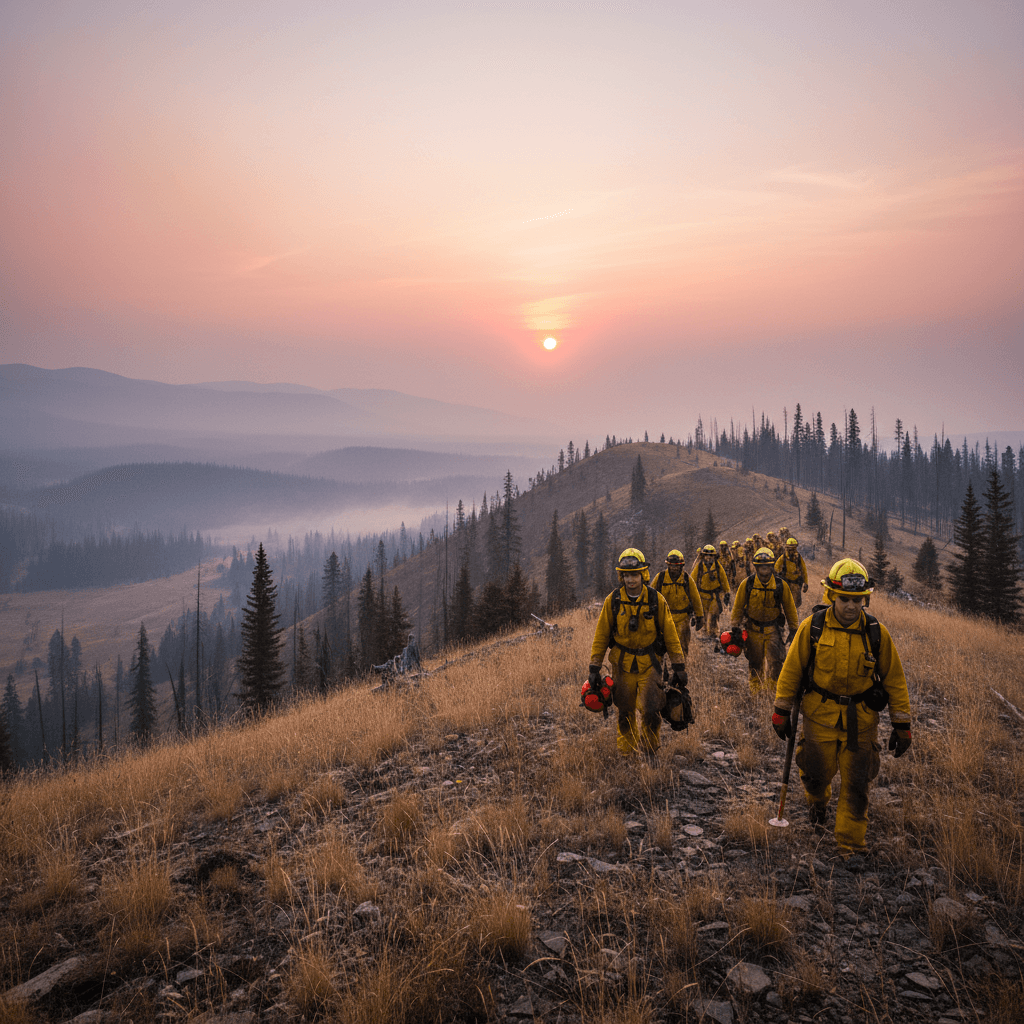
The province says BCWS now has more than 600 year-round positions, a shift from the traditional seasonal model that has left crews scrambling in shoulder seasons. Recruitment for 2026 seasonal roles drew a record 2,400 applications, aided by an expanded First Nations firefighter bootcamp.
- $21 million from Budget 2024 funded a new equipment depot in Prince George, operational in time for the 2026 season
- $14 million is being deployed for on-the-ground firefighting gear including pumps, hose and portable tanks
- More than 1,700 fire departments, First Nations and contractors have been trained in wildland-urban interface operations
Officials argue the investments are already paying off in faster initial attack response times, which studies consistently link to lower final fire size.
Prevention and prescribed fire
BCWS and partners have planned nearly 150 cultural and prescribed burn projects for 2026, reflecting a broader pivot toward "good fire" practices long advocated by First Nations. Budget 2026 included an additional $15 million for FireSmart Community Funding and community grants aimed at reducing fuel loads around homes and critical infrastructure.
Forests Minister Ravi Parmar, in a statement from the BC government, said the province is treating wildfire as a year-round emergency rather than a summer problem. Industry groups in forestry and ranching have welcomed the expanded fuel management work, while pressing for faster permitting of prescribed burns.
What's next
The province will update its seasonal outlook in May once spring precipitation data comes in. Evacuation planning is already underway in high-risk communities, with local governments reviewing air quality response plans after several summers of hazardous smoke.
For residents of British Columbia, the message from officials is to prepare now. BCWS is urging households to complete FireSmart assessments, clear combustible debris and sign up for local emergency alerts. More coverage of the season ahead is tracked on our environment and climate page.