Prairie wildfire threat builds as warm spring follows dry winter
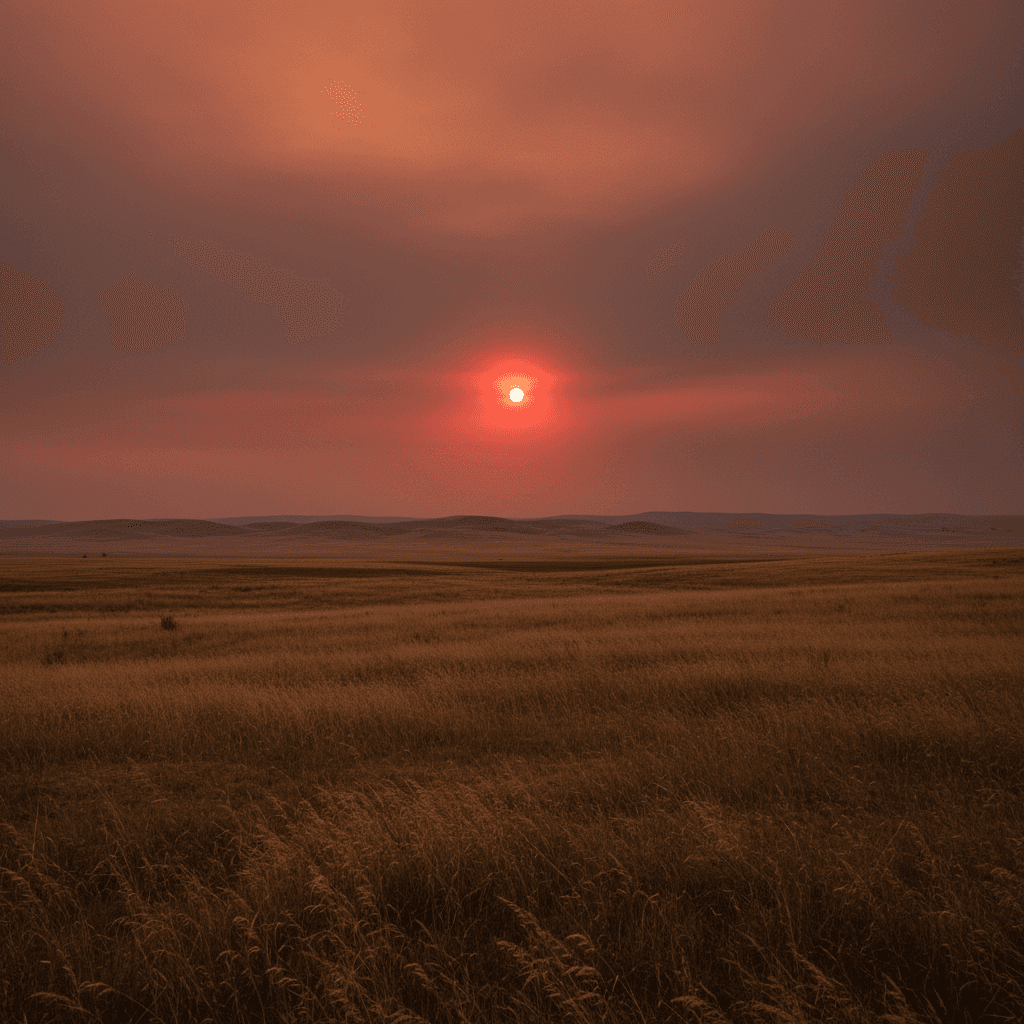
Exceptional grass loads left behind by a wet 2025 growing season have dried into volatile fuel across Alberta, Saskatchewan and Manitoba, setting the prairies up for an aggressive wildfire season once summer heat arrives. Climate scientists tracking drought and snowpack data say the combination of a warm winter, a rainfall deficit and lingering drought to the south is a setup that has historically preceded record burn years.
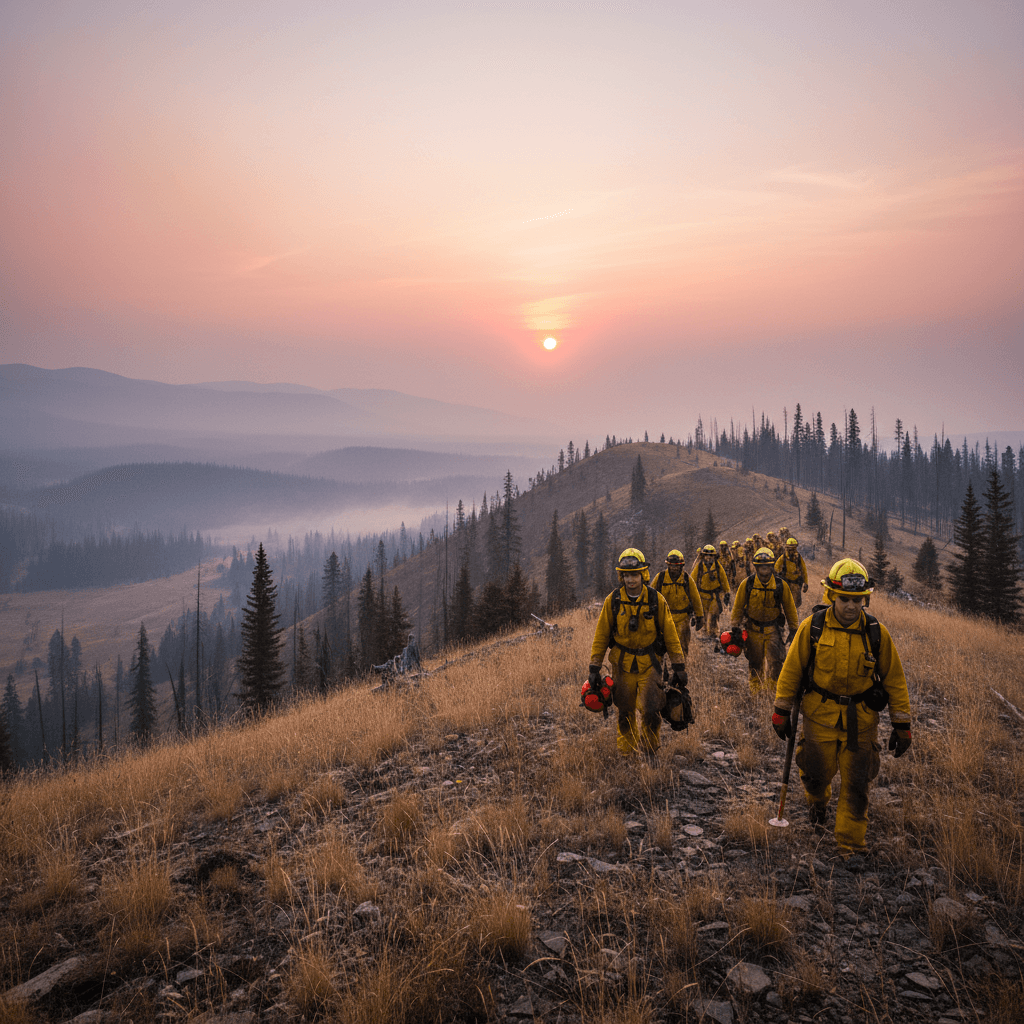
The warning comes as fire crews pre-position equipment and as provinces finalize seasonal staffing. A March wind event that burned more than 600,000 acres of dry grass in the Nebraska Panhandle in 48 hours has become a reference point for what a dry-fuel outbreak can look like on the northern Great Plains.
The fuel load problem
Above-normal rainfall in 2025 produced heavy stands of grass and crop residue across the prairies. Those stands are now cured, with dead vegetation carrying low moisture content heading into the warming season. A dry early 2026 has left that fuel in place rather than packing it down under deep snow cover.
According to the Drought.gov quarterly climate outlook, more than 56 per cent of the western United States is currently in drought, with dryness spreading north into the prairie region. Warmer winters have reduced snowpack and extended the dry season, a trend the outlook describes as consistent with long-term climate change signals.
How the season could unfold
Fire behaviour experts say the season may begin quietly because soils retain some moisture, but dry fuels and summer heat typically accelerate activity into June and July. The Weather Network identified the prairie provinces among the regions most at risk in Canada this year, citing persistent drought and the lag between snowmelt and vegetation green-up.
- 56 per cent of the western U.S. in drought, expanding into the prairies
- March grass fire in Nebraska burned 600,000-plus acres in 48 hours
- Warm winter reduced snowpack across Alberta, Saskatchewan and Manitoba
- Heavy 2025 vegetation now cured and flammable
Economic stakes
Cattle ranchers are particularly exposed. Pasture fires can wipe out a season of grazing in hours, and insurance recoveries rarely match the full cost of herd relocation or feed replacement. Grain farmers face smoke-related crop stress and potential harvest disruptions if fires near rail corridors affect transport schedules.
Energy operators have also begun updating wildfire response plans for oilsands, conventional oil and gas, and transmission assets. Air-quality impacts can shut down outdoor industrial work for days at a time, compounding the direct risk of flame contact with infrastructure.
Context
The prairies have faced a string of severe fire seasons over the past decade, with 2023 producing record evacuations and air-quality alerts that reached the eastern seaboard. Fire agencies are adding seasonal crews and testing new detection technology, but officials emphasize that conditions are already aligned for another demanding year across the prairie region. Readers tracking environment and climate coverage can expect weekly updates from provincial fire information officers through the summer.