Court Stay Puts Alberta Separation Petition on Hold as Deadline Nears
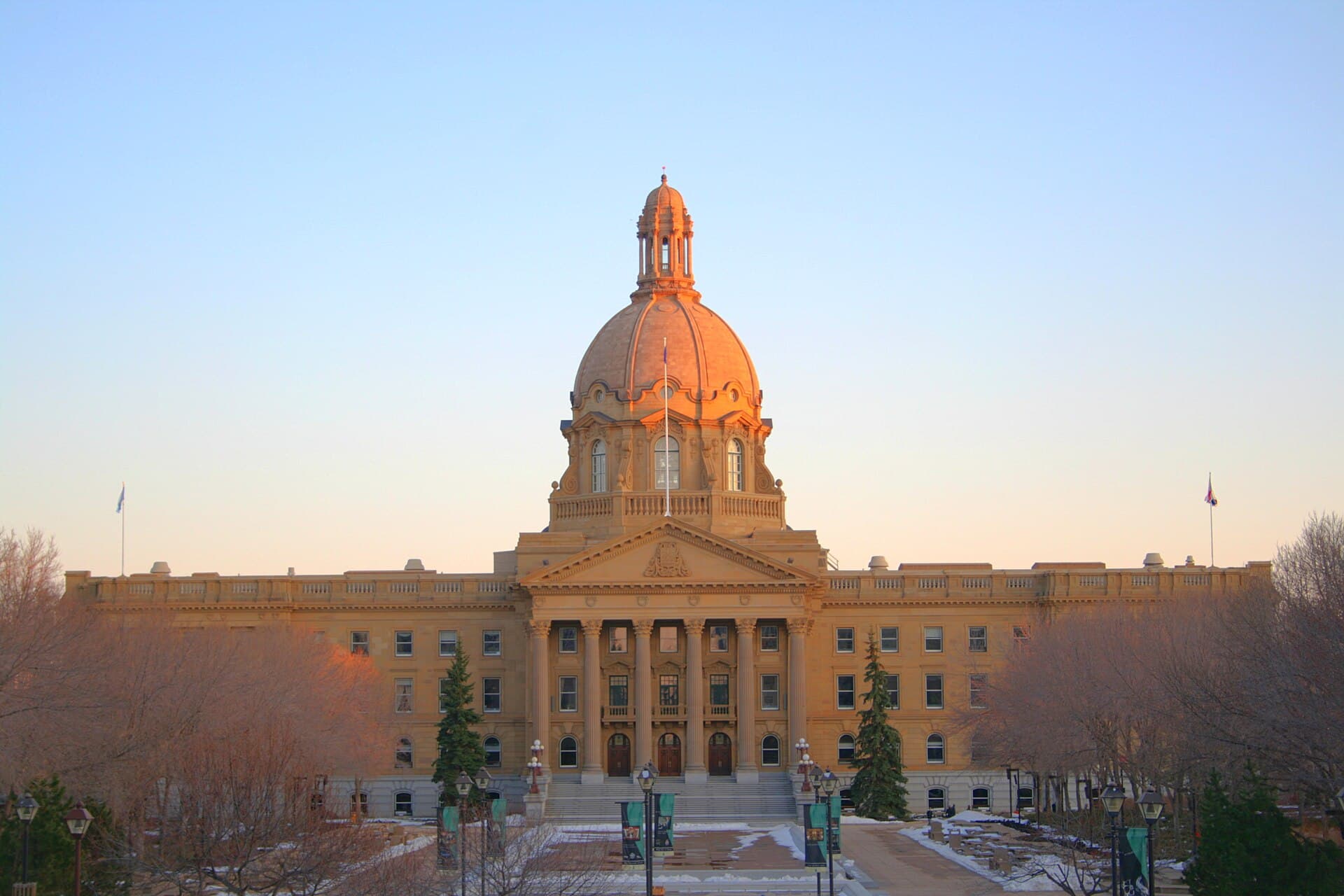
The Alberta independence petition that organisers say has already gathered enough signatures to trigger a referendum vote sits in legal limbo this week, after a court granted a month-long stay preventing Elections Alberta's chief electoral officer from certifying any results. The stay, secured by First Nations groups including the Athabasca Chipewyan First Nation and the Blackfoot Confederacy, has thrown the timeline for any potential separation vote into uncertainty as the May 2 signature collection deadline approaches.
Organisers of Stay Free Alberta and the Forever Canadian counter-petition both say the courts are now central to whether Albertans get a vote on separation. Premier Danielle Smith's government has insisted it will not pre-empt the legal process but has also refused to rule out moving toward a referendum if the petition clears verification.
Where the petition stands
The petition for Alberta independence was officially issued by Elections Alberta on January 3, 2026, opening a 120-day signature collection window that closes on or about May 2. Stay Free Alberta, the lead organising group, told reporters earlier this month that volunteers had gathered more than 177,000 signatures, the threshold equivalent to 10 per cent of votes cast in the 2023 provincial general election.
The exact figure organisers cite, 177,732, is the verified threshold required for a citizen-initiated petition to advance. Elections Alberta has reiterated that it cannot confirm any signature count until the petition is formally submitted and verified, a process that involves checking each signature against the provincial voter list and removing duplicates and ineligible names. That verification could take weeks regardless of how the legal challenge unfolds.
Even if signatures are confirmed, a successful petition does not automatically trigger a referendum. Provincial cabinet must still authorize the question, set a date, and table the legislative steps required to hold a vote. Premier Smith has said she would respect the will of Albertans expressed through a verified petition, but has not committed to any specific referendum timeline.
The court stay
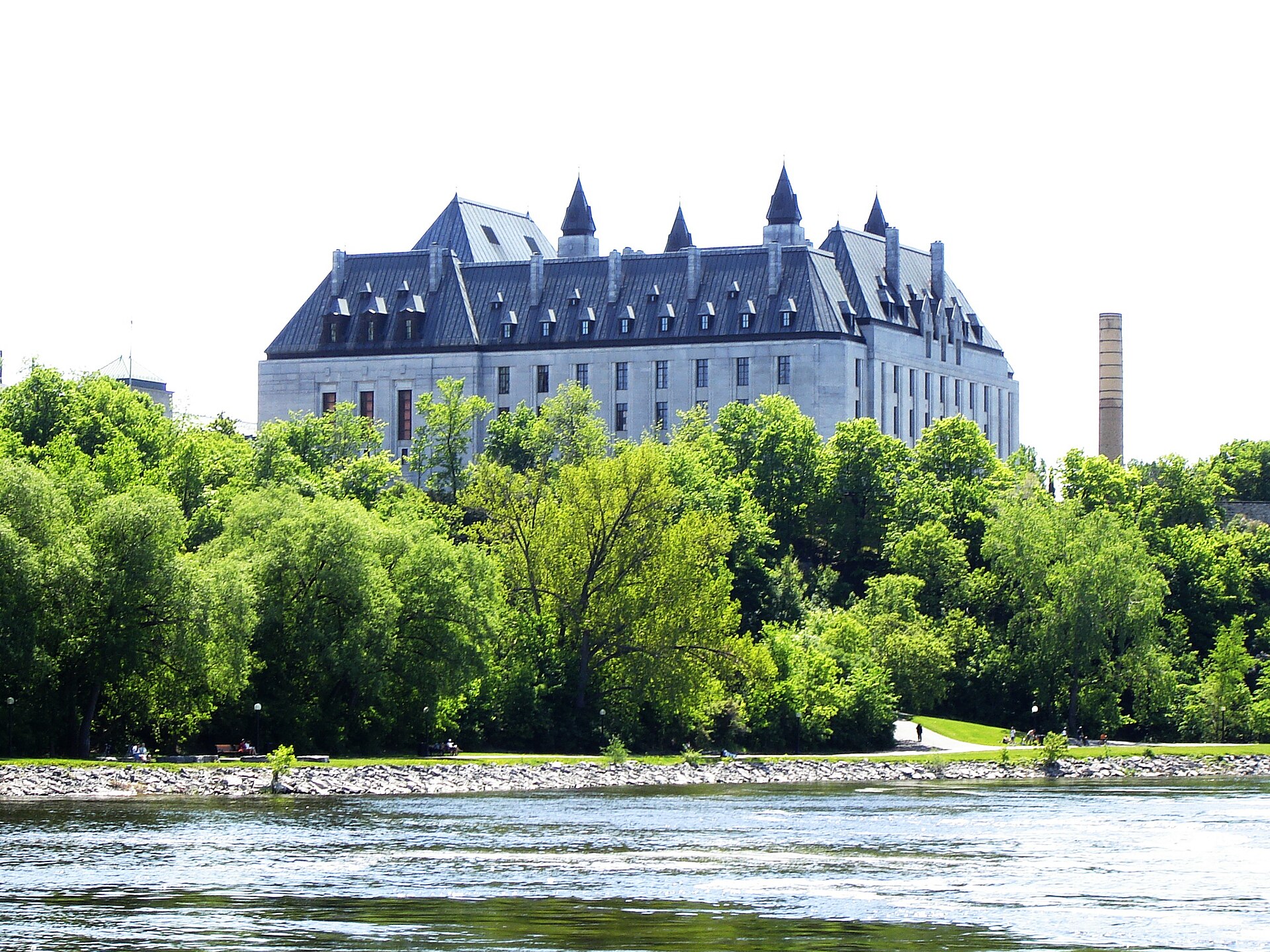
A judge in the Court of King's Bench granted a month-long stay earlier this month at the request of the Athabasca Chipewyan First Nation and the Blackfoot Confederacy, which together represent treaty signatories whose territory falls within Alberta's modern boundaries. The stay prevents the chief electoral officer from certifying the results of the petition while a broader constitutional challenge is heard.
The First Nations applicants argue that any process leading to Alberta's separation from Canada threatens treaty rights guaranteed under treaties signed with the Crown, including Treaty 6, Treaty 7, and Treaty 8. They contend that those treaties were made with the Crown in right of Canada, and that any unilateral provincial process to dissolve that relationship requires consultation that has not happened.
The province has not formally opposed the stay but has taken the position that the citizen initiative process is a provincial matter under provincial law. Indigenous leaders have responded that treaty rights override provincial legislation and that the courts must engage substantively with the question before the petition can move toward certification.
Reaction from First Nations leaders
Chief Allan Adam of the Athabasca Chipewyan First Nation has been among the most public voices arguing that any Alberta separation process must include First Nations as full participants. Indigenous leaders have argued that the lands, waters and resources at issue are not the province's to dispose of and that any vote held without First Nations consent would lack legitimacy regardless of its outcome.
The Blackfoot Confederacy, representing the Siksika, Kainai and Piikani Nations, has taken a similar view. Confederacy leadership has emphasized that the question of Crown relationships is a federal matter rooted in nation-to-nation treaty making, and that the province cannot bypass those frameworks through a citizen initiative process.
Other First Nations across Alberta have expressed varying degrees of opposition to the petition itself, with some chiefs calling for the federal government to intervene more forcefully and others focused on ensuring that any future referendum process include guaranteed Indigenous representation.
Provincial politics
Premier Smith has navigated the petition cautiously. She has said publicly that she remains a Canadian federalist and that her preference is for a renewed bargain within Confederation rather than separation. At the same time, her government has refused to take steps that would slow or invalidate the petition, treating it as a legitimate expression of Albertan grievance with the federal government.
Alberta's NDP opposition under leader Naheed Nenshi has pressed the premier to state plainly that her government would not facilitate a referendum even if the petition is verified. Mr. Nenshi has argued that the separation movement is being fed by economic anxieties around tariffs, energy policy, and equalization that the province should be addressing directly rather than channelling into independence rhetoric.
The federal Conservative caucus, including Alberta MPs, has largely stayed out of the petition fight. Federal Conservative leader Pierre Poilievre has said separation is not the answer to Alberta's grievances but has avoided directly criticizing the petitioners, an approach that mirrors the broader Conservative effort to keep Alberta's frustrations focused on the Carney government rather than on intra-conservative divisions.
What it means for Canadians
For Canadians outside Alberta, the most immediate impact of the petition is uncertainty. The Canadian dollar and federal bond markets have been largely unaffected so far, but a verified petition followed by a clear referendum timeline would likely change that. International investors track Canadian unity questions closely, and prolonged uncertainty about Alberta's place in Confederation could translate into modestly higher borrowing costs and a weaker currency.
The energy sector is watching especially closely. Alberta hosts the bulk of Canadian oil and gas production, and any disruption to provincial-federal regulatory frameworks would have implications for pipeline approvals, environmental rules, and royalty regimes. Major producers have not commented publicly on the petition but have privately pressed the province to maintain regulatory stability through the process.
The federal government has so far approached the petition with restraint. Prime Minister Mark Carney has acknowledged Alberta's grievances and pointed to the Canada Strong Fund and other measures as evidence that Ottawa is responsive. Federal officials have not commented directly on the petition or on the court stay, treating both as provincial and judicial matters.
What the petition would actually do
One area where commentators have urged greater public clarity is what a verified petition would actually accomplish. Citizen initiative petitions in Alberta are advisory in nature: even a successful petition does not directly create a referendum or change any law. The provincial legislature retains full authority over whether to hold a vote and what question would be asked.
If a referendum were eventually held and produced a majority for separation, that result would still not, on its own, sever Alberta from Canada. The 1998 Supreme Court of Canada reference in the Quebec secession case established that a clear majority on a clear question would oblige federal and provincial governments to negotiate in good faith, but that secession would require constitutional amendment and Indigenous consent.
That sequence, signature gathering, certification, referendum, negotiation, constitutional change, would likely take years even in the most aggressive scenario. The current petition, if successful, would only kick off the first step of a much longer process whose end point is far from guaranteed.
Economic backdrop
The petition is unfolding against an economic backdrop that has hardened Alberta sentiment. The province's tourism sector is targeting growth to a $25 billion industry by 2035, but recent policy changes and the prospect of a separation referendum could discourage investment. Industry groups have privately warned the premier that uncertainty around the province's constitutional status is already making Alberta a tougher pitch to international tourists and capital.
U.S. tariffs have added pressure. Alberta's oil and gas exports are largely shielded from the latest round of metal tariffs, but the province's manufacturing sector, including agricultural equipment producers and food processors, has felt the same pinch as Ontario and Quebec exporters. The Carney government has cited these costs in its case for the Canada Strong Fund and for diversification away from U.S. markets.
Energy infrastructure approvals have also been moving. The federal cabinet's recent green light for Enbridge's $4 billion Sunrise pipeline expansion in British Columbia drew positive comments from Alberta gas producers. Critics of the petition argue that such approvals show the federal system can deliver results for Alberta when the politics align.
What's next
The signature collection period closes on or about May 2. If the petition is submitted, Elections Alberta will begin verification while the court stay continues to apply. The constitutional challenge brought by First Nations applicants is expected to proceed through written submissions over the coming weeks, with a substantive hearing possibly in the early summer.
Premier Smith has signalled that her government will not act on a verified petition until the legal questions are resolved. That approach gives the province cover to delay any decision until the courts have spoken, while preserving the option of moving toward a referendum if the legal challenges fail.
For now, Alberta's separation question is more a political signal than an imminent constitutional event. The petitioners have demonstrated a level of organising capacity that earlier separation movements lacked. Whether that capacity translates into a binding political process will depend on First Nations applicants, on the courts, and on whether the Carney government can offer Alberta enough in policy and investment terms to lower the temperature before a referendum becomes a serious prospect.
Spotted an issue with this article?
Have something to say about this story?
Write a letter to the editor