Alberta UCP Moves to Scrap Electoral Boundaries Report and Strike a New Committee
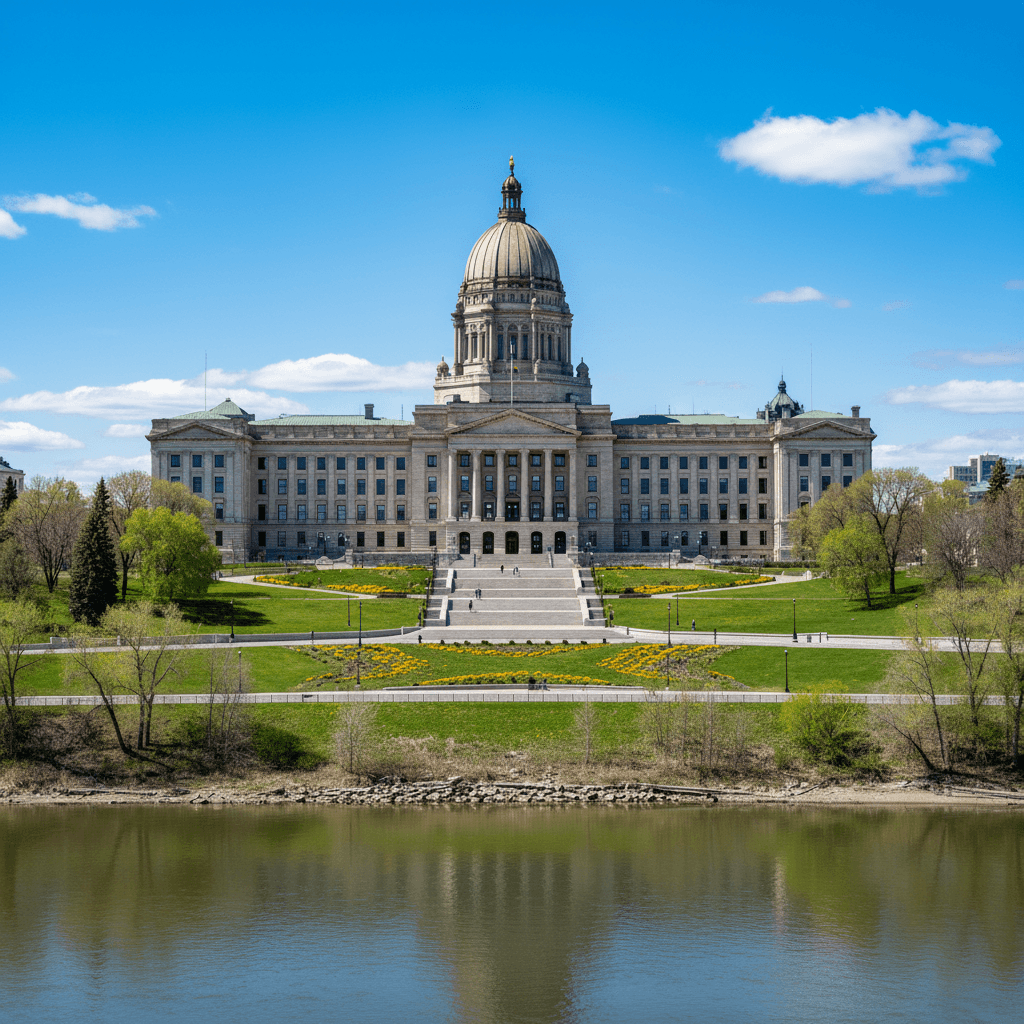
Alberta's United Conservative Party government has moved to set aside the final report of the province's Electoral Boundaries Commission and to strike a new committee of MLAs to redraw the provincial electoral map ahead of the 2027 election. The proposal, introduced in the legislature this week, would also consider expanding the legislature from 87 to 91 seats. Elections Alberta has warned that the resulting timeline will be extraordinarily tight and could drive up costs.
Opposition parties have reacted sharply, accusing the government of trying to engineer a friendlier map after a commission process that split along party lines produced a majority report recommending stronger representation for Edmonton and Calgary and the dissolution of two rural seats. Commission chair and retired judge Dallas Miller has publicly questioned the motives of the UCP-appointed commissioners who wrote a minority report backing a different map. The government's response has been to jettison the entire process and start over under closer political control.
The fight over boundaries will be a defining story in Alberta politics through the rest of 2026. It intersects with a separation referendum push, with polling that shows the UCP rebuilding its lead over the NDP, and with deeper questions about how the province's shifting population should be reflected in its legislature. The stakes are significant: electoral boundaries effectively shape who wins elections.
What the government announced
Premier Danielle Smith's government served notice in the legislature that it intends to discard the entire report of the 2025-2026 Electoral Boundaries Commission, the body established under provincial law to recommend riding changes every two elections. The government's proposal is to strike a new committee of MLAs to draw a replacement map, with a deadline for a report by October 22, 2026.
The government has also indicated that the new committee will consider expanding the legislature to 91 seats, four more than today. Officials argue that adding seats is justified by the province's rapid population growth, particularly in Calgary, Edmonton and Airdrie, and that the existing 87-seat framework is stretched too thin to reflect communities of interest. Critics counter that the seats and their boundaries are best drawn by an arm's length commission, not by sitting MLAs with a direct stake in the outcome.
The deadline for the committee's report falls three days after Alberta's long list of proposed referendum questions is set to be voted on by Albertans, a calendar alignment that has drawn criticism from opposition parties. The government has said the timeline is necessary to give Elections Alberta enough preparation ahead of a scheduled October 2027 general election. Elections Alberta disagrees.
The rejected commission report
The Electoral Boundaries Commission delivered its final report this month after a two-year process that included public hearings in every region of the province. The commission was composed of five members, with two appointed by the UCP government, two appointed by the NDP official opposition, and a chair appointed by the chief justice of Alberta. That split structure is standard in Alberta and is designed to balance partisan perspectives with non-partisan leadership.
The majority report, supported by chair Miller and the two NDP-appointed commissioners, proposed to dissolve two rural ridings and add new seats in Edmonton and Calgary. The majority argued that the recommendations reflect the province's shifting population and the principle of voter parity. They said the proposal would give each Albertan a roughly equal weight of vote, within the constitutional tolerance allowed for geographic and community considerations.
The minority report, written by the two UCP-appointed commissioners, proposed a different map that preserved more rural seats and added new seats in suburban growth areas around Calgary. Miller wrote that the minority proposal was indefensible and amounted to an attempt at gerrymandering, sharp language rarely used in commission reports. The two reports set off an immediate political clash, which the government has now resolved by rejecting both and starting over under an MLA-led committee.
Elections Alberta's warning
Glen Resler, the Chief Electoral Officer, and his team at Elections Alberta have sounded the alarm over the compressed timeline. In a letter to the speaker released this week, the agency said that a new electoral map approved in October 2026 would leave roughly a year to prepare for a scheduled October 2027 vote, instead of the three to four years typically allotted to such a transition. Officials said that the agency would have to move quickly to hire and train returning officers, rent polling locations, update voter lists and redesign ballot materials.
The agency warned that reducing preparation time will most certainly increase the cost of implementation, as is the case with most large-scale projects. It has asked the legislature to consider either extending the committee's deadline or accelerating the funding and staffing needed to meet the compressed schedule. The agency has also emphasised that it will not sacrifice the accuracy of voter lists or the accessibility of polling places in order to meet a shorter deadline.
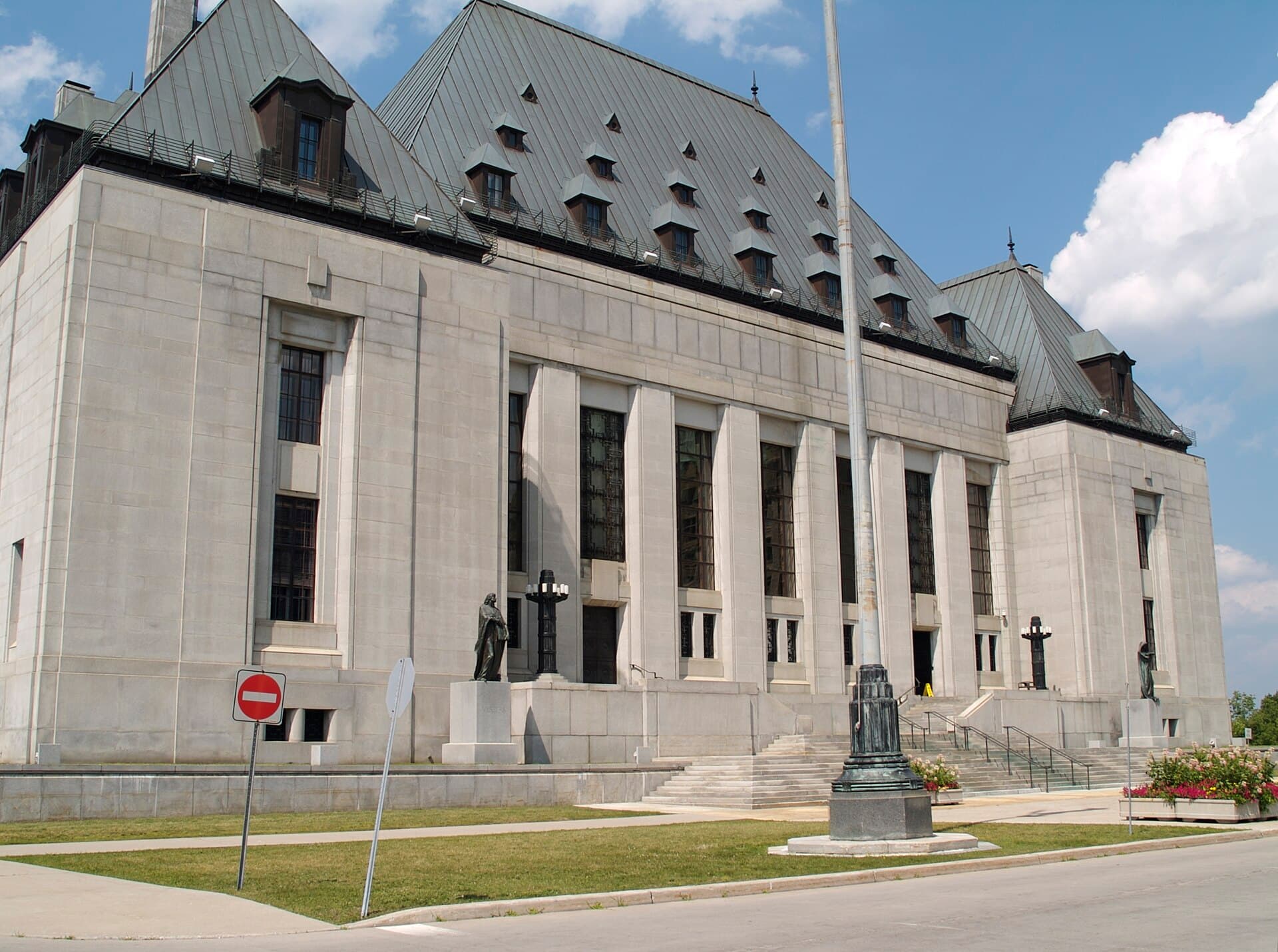
Legal experts have raised the possibility of court challenges if the final map is seen to be drawn for partisan advantage rather than for voter parity and community of interest. The Supreme Court of Canada has repeatedly held that electoral boundaries must reflect the principle of effective representation, balancing population equality with legitimate geographic and cultural considerations. Any challenge would add further uncertainty to the process ahead of the 2027 vote.
Opposition charges of gerrymandering
The Alberta NDP, led by Naheed Nenshi, has accused the government of moving to redraw the map to protect UCP seats. Nenshi has said the proposal amounts to a political intervention in an independent process and has pledged to use every parliamentary tool available to slow or stop the MLA committee's work. The party has also raised the chair's warning about the minority report as evidence that the new process is structurally slanted toward partisan interests.
The Alberta Party and the Green Party have echoed those concerns, as have several former commissioners and retired judges in open letters. They argue that independent commissions exist precisely to insulate the drawing of boundaries from the self-interest of sitting MLAs. Replacing the commission with an MLA committee, they argue, reverses a decades-long trend across Canadian jurisdictions toward independence in electoral administration.
The government has rejected the gerrymandering label. Officials argue that the MLA committee will be subject to public consultation, that it will operate within the constitutional constraints on boundary-drawing, and that the final map must be approved by the legislature. Supporters of the approach also note that MLAs are directly accountable to voters, while commissioners are not. The argument is likely to intensify as the committee's membership and terms of reference are finalised.
Why the number of seats is growing
Alberta's population has grown faster than almost any other province in recent years, driven by high rates of interprovincial migration, strong immigration intake and a relatively young demographic profile. Statistics Canada estimates that the province's population has grown by more than 600,000 since the last set of boundaries took effect. Calgary and Edmonton have absorbed the bulk of that growth, along with fast-growing suburban centres such as Airdrie, Okotoks and Leduc.
The government argues that expanding to 91 seats would help ensure that each MLA represents a more manageable number of constituents and that fast-growing urban areas are not underrepresented relative to slower-growing rural regions. Proponents of a larger legislature also argue that more MLAs would improve the work of committees and allow greater scrutiny of government operations.
Opponents point out that a larger legislature means additional operating costs and that the exact number of seats matters less than how the boundaries are drawn. Some jurisdictions, including British Columbia, have increased seat counts in recent years without controversy, but the process in Alberta has been shaped by the political split between rural and urban representation. The new committee will have to navigate those tensions in a compressed window.
The broader Alberta political backdrop
The boundaries fight is unfolding against a busy political backdrop. A recent Leger poll showed the UCP at 53 per cent among decided voters, compared with 36 per cent for the NDP, a seven-point UCP gain since January. Premier Smith's personal approval has rebounded to 46 per cent, while Nenshi's has slipped to 35 per cent. The poll also showed 56 per cent of Albertans believe the province is on the wrong track, with health care, inflation, the economy, and provincial nationalism or separatism as the leading concerns.
Separately, an Alberta independence petition organised by the group Rise of Alberta has reportedly reached the 177,732 signatures required under the Citizen Initiative Act. Organisers have claimed the threshold has been met, though a court has stayed the signature validation process while it considers a legal challenge. Only certified and verified signatures can trigger the referendum, and the May 2 deadline for submissions remains in place.
That combination of factors, boundary redraws, a separation referendum push and a government rebuilding its lead, has made Alberta politics unusually volatile even by its own standards. Each file feeds into the others: the shape of the map matters more if a separation question is on the ballot, and more if the UCP can hold its gains through 2027.
What's next
The government has said the MLA committee's membership and terms of reference will be set in the coming weeks. Public hearings and submissions are expected to be part of the committee's work, though opposition parties have argued that the commission process already collected extensive public input and that a second round so quickly risks duplicating effort without generating new insight.
Elections Alberta is expected to set out a formal transition plan as soon as the committee's report is tabled. The agency will need to finalise polling divisions, update voter lists, print and distribute new electoral materials, and train staff across the province within roughly a year of receiving the final map. Officials have indicated they will request additional funding to meet the compressed timeline.
Over the longer term, the fight over the electoral map will help define the terms of the next Alberta election. If the new map is accepted as fair, the 2027 election will likely be fought on policy and leadership. If it is widely seen as tilted, the process itself will become a political issue, and legal challenges could extend well past the vote itself. For Albertans, the coming months will decide not just who represents them, but how that representation is shaped.