Iran Reimposes Hormuz Restrictions as Ceasefire Fractures, Canadians Feel It at the Pump
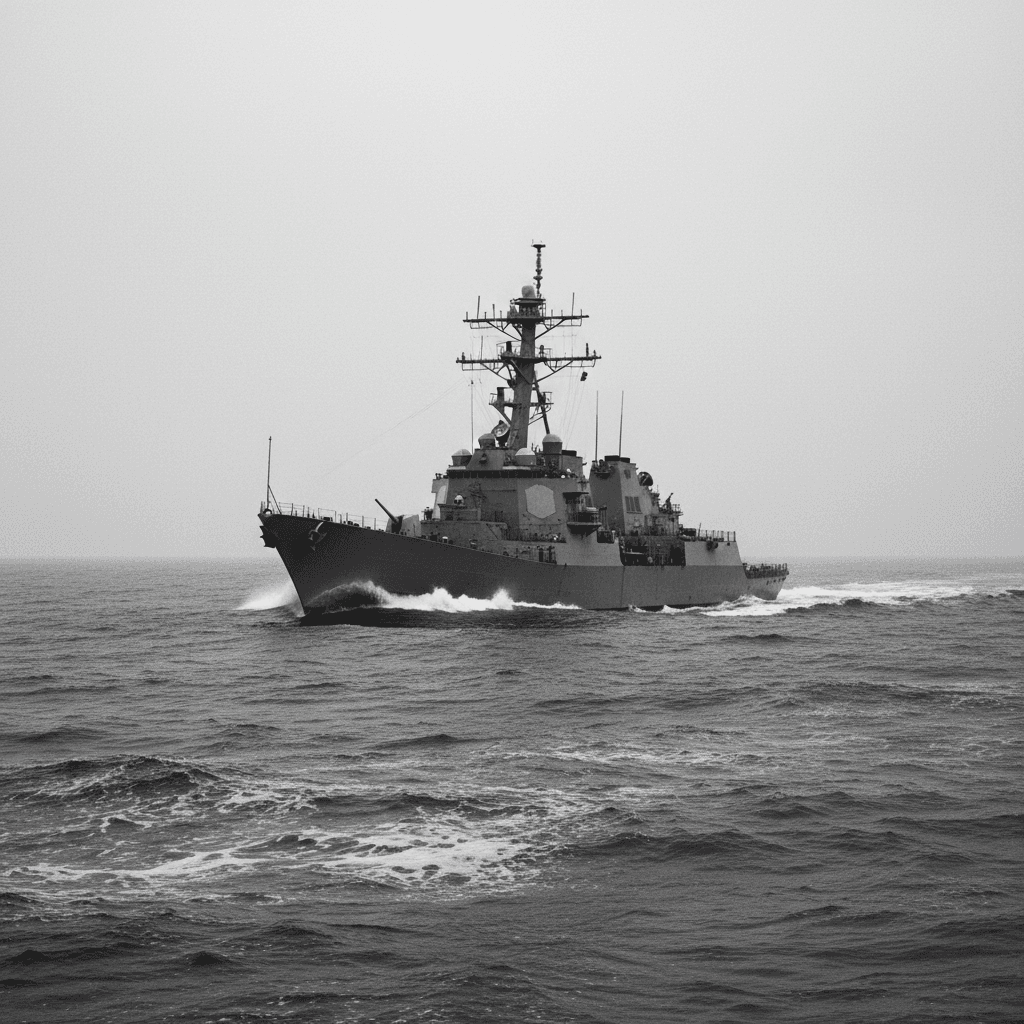
Iran's decision to reimpose restrictions on the Strait of Hormuz over the weekend has fractured a fragile April 8 ceasefire with the United States and Israel, sending global oil prices higher and intensifying pressure on Canadian drivers, airlines, and manufacturers. The move, which Tehran attributed to what it called "repeated breaches of trust" by the United States, comes barely 24 hours after Iran had declared the waterway open, and underscores how unstable the post-war security architecture in the Middle East remains.
For Canadians, the practical impact is immediate and financial. The Strait of Hormuz is one of the most important chokepoints in the global oil trade, with roughly a fifth of the world's seaborne crude passing through it on any given day. Even partial restrictions on traffic have caused global benchmark prices to spike, and Canadian pump prices have tracked those increases closely over the past seven weeks.
Prime Minister Mark Carney's government last week suspended the federal excise tax on gasoline, diesel, and aviation fuel from April 20 through Labour Day in what Ottawa called a temporary affordability measure. That suspension, worth about 10 cents a litre on regular gasoline, was conceived in significant part as a hedge against the oil market volatility that Iran's on-again, off-again blockade has been producing.
How the ceasefire fractured
The United States and Iran agreed on April 8 to a two-week ceasefire in what became known as the 2026 Iran war, the conflict triggered by joint United States-Israeli airstrikes on Iranian military and government sites on February 28. Pakistan mediated the ceasefire arrangement, with President Donald Trump announcing at the time that Iran would immediately open the Strait of Hormuz as part of the deal.
That announcement quickly ran into reality. By April 9, there was no visible sign that Iran was lifting its blockade, and ships continued to be prevented from moving through the waterway. Iran and the United States each accused the other of violating the terms of the understanding, with Tehran pointing to continued Israeli strikes on Lebanon and Washington pointing to Iran's failure to implement the Hormuz opening.
A temporary declaration on Friday that the strait was open briefly stabilised markets, but Tehran reversed course Saturday, citing what it framed as repeated United States violations of the ceasefire's underlying spirit. By Sunday, shipping traffic through the chokepoint was again severely restricted, and global oil benchmarks had climbed back toward the highs they had reached in the early weeks of the conflict.
Canadian gasoline and diesel prices
Canadian pump prices have been among the most volatile consumer indicators of the war's impact. In the weeks following the February 28 strikes, average regular gasoline prices rose by more than 40 cents a litre in some regions, with particularly sharp increases across Atlantic Canada, rural Ontario, and parts of British Columbia. Diesel prices, which are particularly consequential for trucking and agriculture, climbed even more dramatically in percentage terms.
The Carney government's excise tax suspension, which goes into effect April 20, is designed to shave 10 cents a litre off gasoline and four cents off diesel. Whether that reduction is enough to offset the latest round of oil market volatility remains to be seen, but federal officials have emphasised that the measure is both immediate and temporary, intended to cushion consumers through the summer.
Energy economists have cautioned that the excise suspension could be overwhelmed if Iran's restrictions on Hormuz persist or expand. Trucking associations have warned that diesel costs are now a significant input to consumer goods inflation, and airlines have begun adjusting summer fare schedules to reflect higher jet fuel prices. Each of those pressures reaches Canadian households eventually, whether through grocery prices, travel costs, or freight surcharges.
The Canadian foreign policy response
Ottawa has consistently called the February United States-Israeli strikes on Iran unlawful while keeping Canada formally out of the military campaign. Foreign Minister Anita Anand has emphasised that the country's focus is on the safety of Canadians in the region, support for humanitarian efforts, and the preservation of rules-based international order. Canada has also pressed for the protection of the Strait of Hormuz as a matter of international shipping law.
At the same time, Canadian diplomats have worked through the Five Eyes intelligence network to coordinate evacuation plans, maintain lines of communication with Gulf allies, and push for de-escalation. Canada has joined France, Germany, Italy, and the United Kingdom in expressing grave concern about Israeli operations in Lebanon and in calling for immediate de-escalation there, even as Ottawa maintains its traditional support for Israel's right to defend its borders.
Premier David Eby of British Columbia has asked Prime Minister Carney for an urgent first ministers' meeting on Iran war impacts, reflecting concern that provincial economies, particularly those tied to shipping, manufacturing, and tourism, need coordinated federal support if the conflict deepens. That meeting has not yet been scheduled publicly, but provincial governments have been in regular contact with Ottawa on fuel supply, food prices, and trade exposure.
Global oil markets and the Canadian energy sector
For Canada's own oil industry, the market disruption has produced a complex mix of short-term opportunity and long-term uncertainty. Oil sands producers benefit from higher benchmark prices in the immediate term, and those higher prices support employment, royalties, and export revenues. However, the same dynamics that are driving prices up are also producing demand destruction in major consuming economies, and a prolonged period of instability could ultimately be harmful to Canadian exporters.
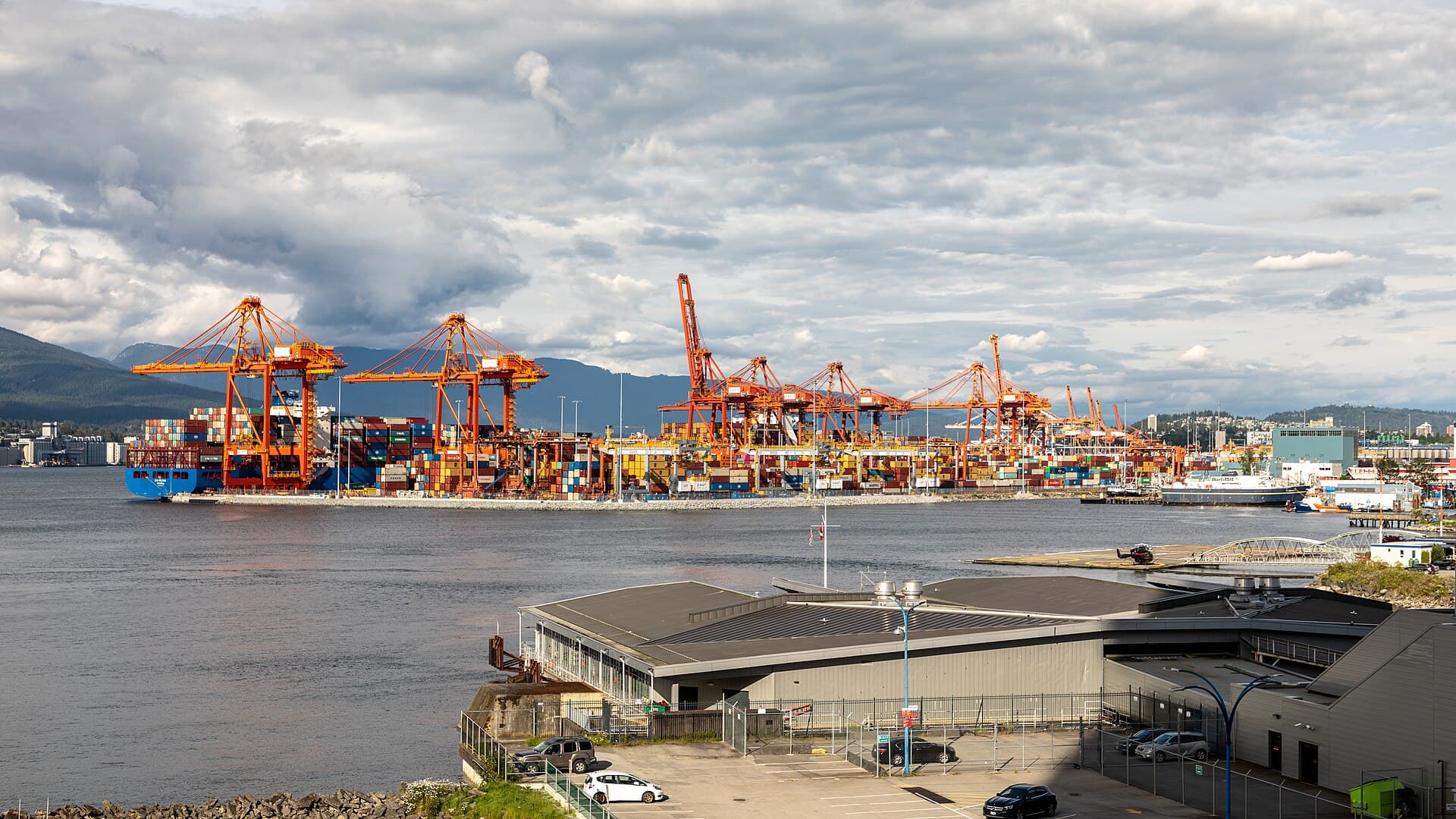
Pipeline capacity, refinery turnarounds, and the ongoing Trans Mountain Expansion operations have shaped how efficiently Canadian producers can respond to the opportunity. The expansion's ability to move additional barrels to Asia-Pacific markets has been particularly valuable as European and North American buyers diversify their supply sources away from Gulf crude. Port of Vancouver throughput, which has recently hit record levels, is partly a reflection of that shift.
Natural gas markets have been similarly affected. Liquefied natural gas shipments from LNG Canada's West Coast facility and other Canadian projects have found strong demand in Asian and European markets that are hedging against Gulf supply risks. The resulting price premiums help Canadian producers but also pose affordability questions for domestic consumers of natural gas for heating and electricity generation.
The diaspora dimension
Canada's large Iranian, Lebanese, and Gulf diaspora communities have been experiencing the war in deeply personal terms. Montreal's Iranian community, Toronto's Persian and Lebanese populations, and smaller diaspora groups across the country have reported elevated anxiety, family concerns, and financial pressures tied to supporting relatives in the region. Mental health services, religious institutions, and community centres have expanded programming to support affected Canadians.
Global Affairs Canada has registered more than 97,000 Canadian citizens and permanent residents across the Middle East, with approximately 23,000 in Lebanon alone. Nearly 8,500 Canadians have already returned to Canada from the region since the war's onset, and the Canadian Armed Forces have pre-positioned assets as part of Operation LUMEN to support further evacuations if needed.
The Canadian government has urged dual citizens still in the region to register with consular services and to consider returning home when conditions allow. Those messages have become particularly urgent as Lebanon's ceasefire with Israel has come under strain, and as the broader regional security architecture remains in flux. Foreign Minister Anand has been consistent in emphasising that the safety of Canadians abroad is the government's first priority.
Shipping, insurance, and freight market ripples
Beyond crude prices, the Strait of Hormuz disruption has produced second-order effects across global shipping markets. War risk insurance premiums for vessels transiting the region have climbed sharply, and shipowners have rerouted some tankers through longer but safer passages where commercial feasibility allows. Those route changes add days to voyage times and push up charter rates, which in turn show up in the cost of imported goods reaching Canadian ports.
Container shipping, while less directly tied to Hormuz than crude tankers, has also been affected by broader regional instability. Red Sea transit disruptions and Suez Canal volume shifts have compounded the pressure on global container rates, with knock-on effects for Canadian importers of manufactured goods, consumer electronics, and specialty foods. Retailers have cautioned that some of those costs will eventually reach Canadian shelves.
Port of Vancouver and Port of Montreal operators have continued to emphasise that their own operations remain steady, and that Canadian supply chains are diversified enough to absorb short-term shocks. Longer-term shocks, however, are harder to absorb without passing costs through to consumers, and the Canadian business community has urged the federal government to maintain both affordability and trade-facilitation measures as the situation develops.
What's next
The immediate priority for Canadian officials will be monitoring how Iran's Hormuz restrictions evolve over the coming days. If Tehran maintains or tightens its blockade, Canadian consumers should prepare for further volatility at the pump and in freight-linked goods prices. If the restrictions ease, the immediate crisis may subside, though underlying instability will remain.
For the Bank of Canada, which meets April 29, the situation complicates an already delicate monetary policy decision. Higher energy prices push headline inflation up, while the broader demand-suppressing effects of war and tariffs push underlying inflation down. Governor Tiff Macklem and the Governing Council will have to communicate carefully about how they weigh those crosscurrents.
Canadians living through the consequences of a distant war are learning, as they have in previous global crises, that the reach of international conflict now extends to grocery bills, travel plans, and business balance sheets. The Iran war, whatever its next chapter, has already reshaped expectations about what global security means for an open, trade-dependent country like Canada. Adapting to that reality will be one of the defining challenges of the rest of 2026.
Spotted an issue with this article?