CanWNT Finishes FIFA Series With Two Wins as World Cup Prep Continues
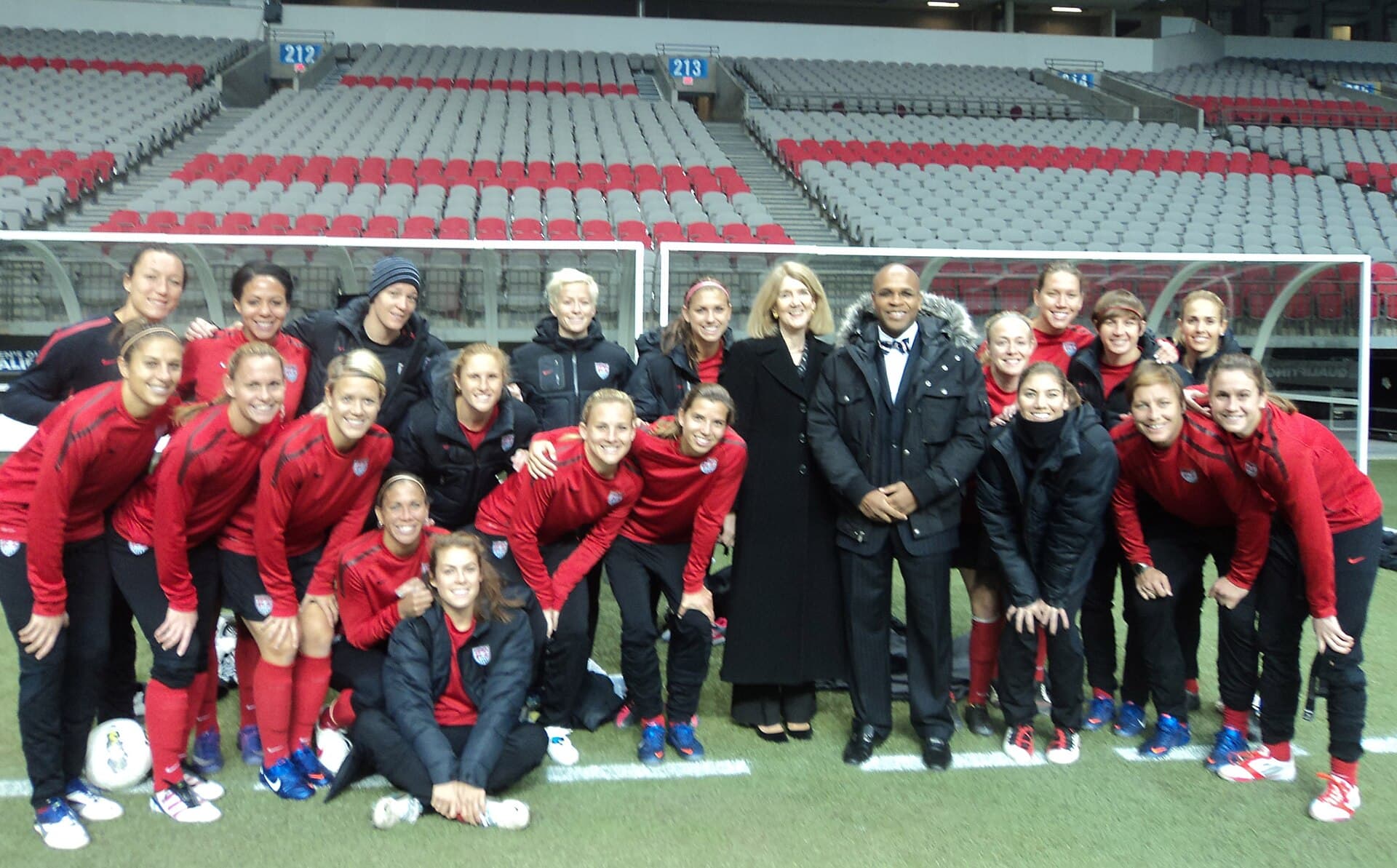
Canada's senior women's national soccer team closed out its April FIFA Series window in Cuiabá, Brazil, with a record of two wins and a single loss, banking competitive minutes against quality opposition as the team continues to build toward future major tournaments. The window opened with a 4-0 thrashing of Zambia and ended with a 1-0 loss to host Brazil at Arena Pantanal, with a meeting against Korea Republic in between.
The April Series, organised by FIFA as part of a global window for international friendlies, gave coach Casey Stoney's group a chance to integrate younger players, test tactical patterns and play in conditions different from anything the squad has faced in recent camps. The trip was the squad's first competitive outing since the SheBelieves Cup earlier in the year and offered the kind of mid-cycle test that the team has prioritised under the current coaching staff.
The opening match
Canada opened the Series in dominant fashion, securing a 4-0 win over Zambia in the heat of Cuiabá. The result was the kind of comprehensive victory that the team has been working to deliver against opponents ranked outside of the top 20 in the FIFA Women's World Rankings. Canada is currently ranked ninth, while Zambia sits at 66th.
The match showcased several younger players who are pushing for permanent spots in the senior squad. The veteran core provided the structure that allowed the newer players to play with confidence. The 4-0 result was Canada's most convincing win against a team outside the top tier in some time.
Coach Stoney told reporters after the match that the performance combined the kind of tactical discipline and individual creativity that her staff has been emphasising. The win set a positive tone for the rest of the camp.
The Korea match
The middle game of the Series was against Korea Republic, ranked 19th in the world. The Koreans are a tough, well-organised team that has historically given Canada difficulty, and the match was the most challenging tactical test of the camp for the squad. Canada won the match, completing the second half of the wins side of the ledger.
The performance against Korea, against a team closer to Canada's own ranking, was the kind of result that the coaching staff has been looking for. The squad has been working on its ability to break down compact, defensively organised opponents, and the win showed measurable progress in that area.
The match also gave several players in fringe roles a chance to make their case for the next major roster. The depth of the Canadian player pool has grown in recent years, and competition for places has intensified accordingly.
The Brazil challenge
The series concluded with Canada's most difficult assignment, a meeting with host Brazil, ranked eighth in the FIFA Women's World Rankings. The match took place at Arena Pantanal in front of a partisan home crowd that has been one of the central themes of Brazilian women's soccer growth in the past several years.
Brazil edged Canada 1-0 in a tight, defensive match. The squad showed late pressure but could not find an equaliser. Stoney called the performance one defined by grit, with the team competing well across the full 90 minutes despite the result. The loss was the kind of close margin that suggests a Canadian team competitive with one of the world's better sides.
The Brazil match also offered useful tactical data on Canada's ability to compete with top-eight opposition. The squad's structure held up against Brazil's attacking quality for most of the match, and the late phase showed the kind of resilience that the coaching staff has been working to build into the team's identity.
The roster picture
The 24-player roster Canada brought to Brazil included a mix of veterans and emerging players. Established stars in European club football, including those at top-flight clubs in England, France and Spain, formed the core. The roster also featured players based in the United States National Women's Soccer League and a number of younger players competing in academy and reserve setups.
The integration of younger players was one of the explicit goals of the camp. Stoney has emphasised the need to build depth across all positions, and the April window gave several players a meaningful opportunity to compete at the senior level. Some of the standout younger players have positioned themselves for further consideration in the next selection cycle.
The veteran core remains central to the squad's identity. The leadership group, with extensive international experience, has continued to play key roles, helping to manage the transition into a new tactical approach under the coaching staff.
The broadcast picture
TSN provided live coverage of all three matches, continuing the network's role as the home broadcaster of the women's national team. OneSoccer, the digital platform that has invested heavily in Canadian soccer coverage, also provided coverage. The combined audience for the matches reflects the growing reach of women's national-team coverage in Canada.
Broadcast investment has been a meaningful enabler of the team's profile. The accessibility of women's national-team coverage has increased steadily since the team's gold-medal performance at the Tokyo Olympic Games, and the FIFA Series fits into a broader pattern of regular live coverage of the squad.
The road ahead
The April window was part of a broader build toward future major tournaments. The team's next competitive assignments will be confirmed by Canada Soccer later in the spring, with friendlies, regional tournaments and qualifying campaigns all in the planning window.
The Concacaf women's soccer calendar will play a major role in the next phase, with the regional confederation's tournaments and qualifying competitions feeding into the global cycle. Canada has been a consistent presence at the top of the regional standings, and the FIFA Series matches are part of the squad's preparation for those continental challenges.
For the players, the immediate next step is the return to club football. The European leagues are entering the final stretch of their seasons, and several Canadian players are involved in title and continental qualifications. Strong performances in those leagues will continue to feed into selection conversations at the national-team level.
The Canadian soccer context
The April Series took place during a particularly intense moment for Canadian soccer overall. The men's national team is preparing to host the FIFA World Cup that begins in June, with matches at BMO Field in Toronto, BC Place in Vancouver and other Canadian venues. The Vancouver Whitecaps are leading the MLS power rankings. The combination of multiple high-profile soccer narratives is helping to elevate the women's game alongside the men's.
The women's national team has been one of the leading vehicles for the growth of Canadian soccer over the past two decades. Olympic medals in 2012, 2016 and 2020 set a baseline of competitive excellence that has helped develop a generation of Canadian players, and the current squad continues to build on that foundation.
What it means for Canadians
For Canadian soccer fans, the April Series matches confirmed that the women's team remains competitive at a global level. The squad's wins over Zambia and Korea Republic, and its narrow loss to Brazil, demonstrated that Canada can hold its own against opposition across a wide range of ranking levels.
The growth of the squad also matters for the broader Canadian sporting culture. The women's national team has become a model of what sustained investment in a sport can produce, and the visibility of national-team coverage has helped grow participation in the sport at the youth level. The pipeline that produced the current core remains active.
What's next
The team's next confirmed gathering will be a domestic camp in the early summer, with details to be confirmed by Canada Soccer in the coming weeks. The summer will also include club commitments, with players in the National Women's Soccer League continuing their season and European-based players concluding theirs.
For now, the squad heads back to club football with two wins and a competitive loss in the books. The April Series achieved its goals of testing the squad against varied opposition, integrating younger players and continuing the work of building toward the next major international tournament.
Spotted an issue with this article?
Have something to say about this story?
Write a letter to the editor