Eby drops confidence threat on DRIPA bill, averting B.C. government collapse
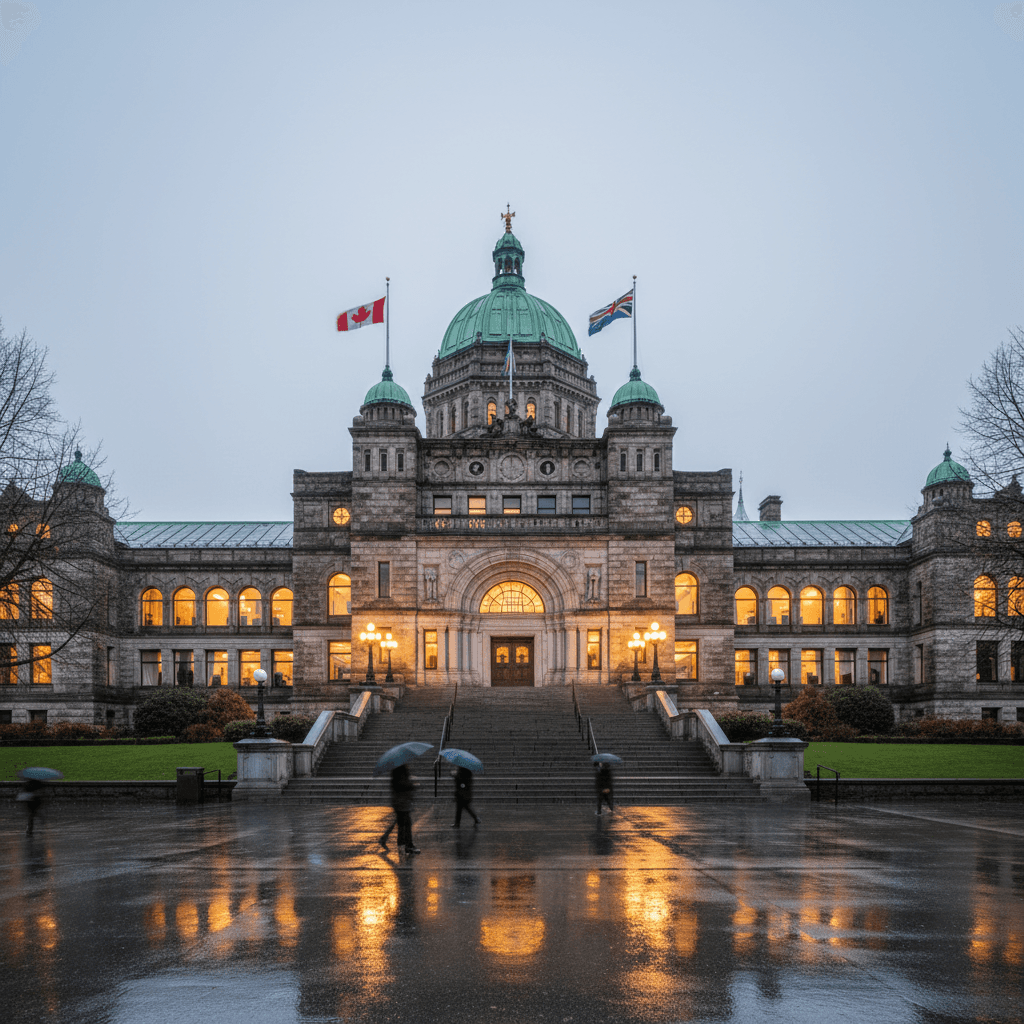
British Columbia Premier David Eby has stepped back from a collision course with his own caucus and First Nations leaders, dropping plans to treat a contentious bill amending the Declaration on the Rights of Indigenous Peoples Act as a confidence matter. Government House Leader Mike Farnworth made the reversal official on April 13, easing an immediate threat to the minority NDP government.
The climbdown followed a tense emergency caucus meeting where more than 10 NDP MLAs lined up against the premier's plan to suspend parts of the reconciliation law for up to three years. With the government holding a razor-thin seat margin, a failed confidence vote would have toppled the administration and sent the province into a spring election.
Caucus revolt forced the retreat
Indigenous NDP MLA Joan Philip told colleagues she could not vote for the proposed amendments, according to members present at the closed-door session. Her stance was echoed by a bloc of caucus members who warned the premier they would break with the government rather than weaken DRIPA, the 2019 law that aligned provincial statutes with the United Nations Declaration on the Rights of Indigenous Peoples.
The First Nations Leadership Council issued a blunt statement saying Eby had "broken the trust" that late premier John Horgan spent years building with Indigenous communities. Leaders said any unilateral pause on DRIPA obligations would reverse a cornerstone of the province's reconciliation framework.
Legal pressure behind the bill
The amendments stem from a December 2025 B.C. Court of Appeal ruling that found the province's mineral claims regime "inconsistent" with DRIPA's consultation requirements. Government lawyers warned cabinet that without legislative action, the province could face a wave of litigation over permits issued under the existing framework.
Eby's team had pitched the three-year suspension as a technical fix to give the government time to rewrite the mineral tenure regime and related statutes. Critics inside the NDP and in Indigenous affairs circles countered that suspending sections of a rights-based law to shield the Crown from lawsuits sets a dangerous precedent.
What happens to the bill now
Farnworth confirmed the legislation is still expected during the spring sitting, but its timing and scope are now in flux. Stripped of confidence status, the bill can be defeated or amended without bringing down the government, giving dissenting New Democrats and opposition members room to push back.
Opposition Conservatives accused the premier of governing by crisis, while B.C. Greens, whose support props up the minority government, said they would evaluate any revised bill on its merits. Behind the scenes, officials are drafting narrower options that could address the court ruling without broadly pausing DRIPA, according to reporting from The Globe and Mail.
What's next
Eby is expected to meet directly with the First Nations Leadership Council in the coming days to rebuild fractured relationships. Any redrafted bill will need to clear a caucus that has just demonstrated it is willing to push back, and win support from at least some members outside government benches.
For Indigenous leaders across British Columbia, the episode has hardened expectations that future legislation touching DRIPA will require genuine co-development rather than retroactive consultation. Mineral industry groups, meanwhile, are pressing Victoria for clarity on the status of existing claims as the court's deadline looms.