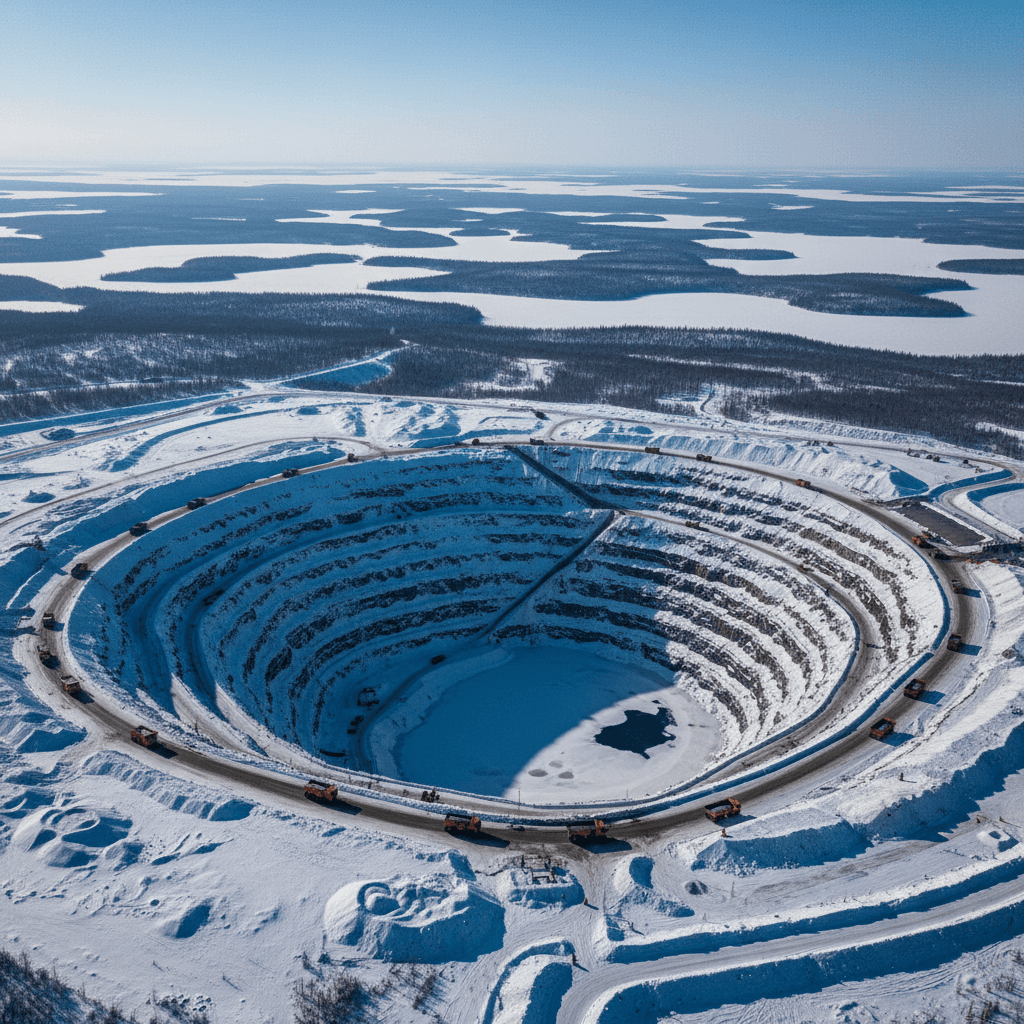
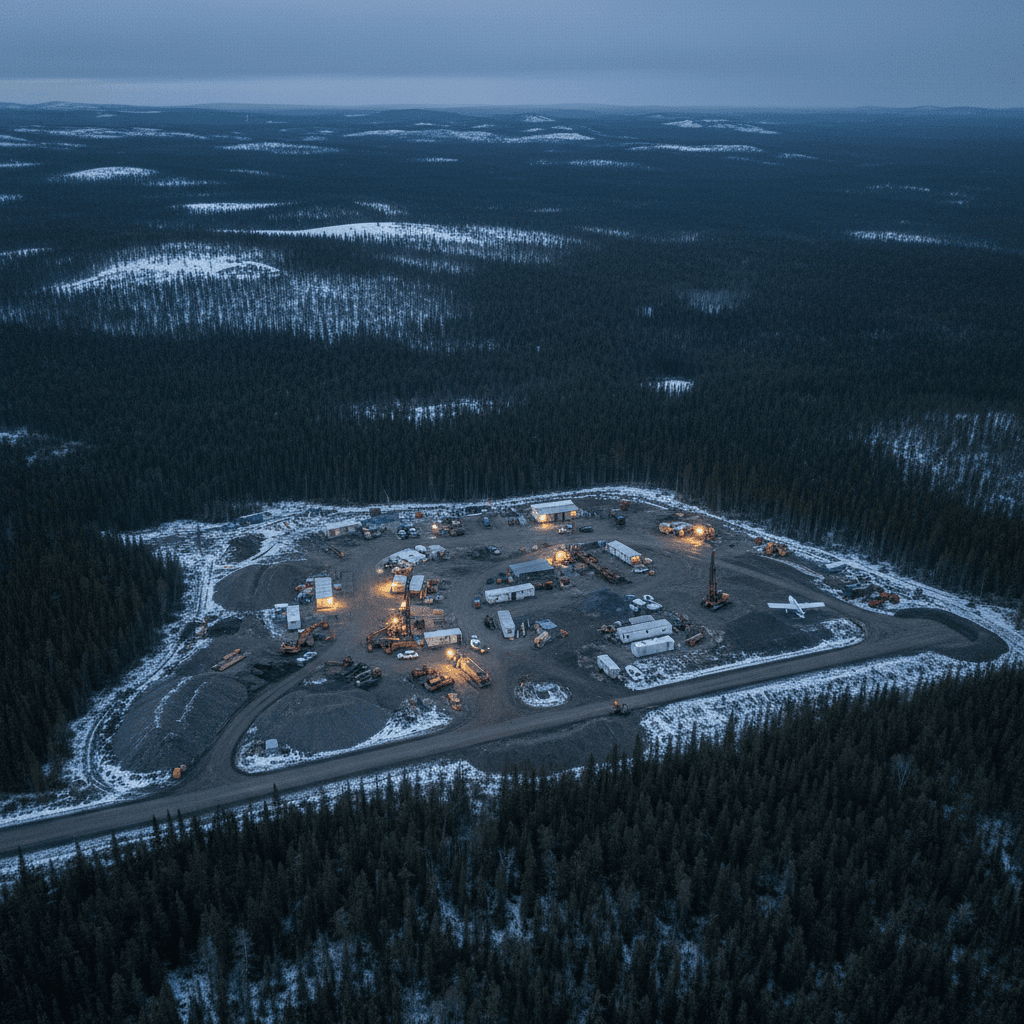
Philippines opens potash partnership talks with Saskatchewan amid supply pressure
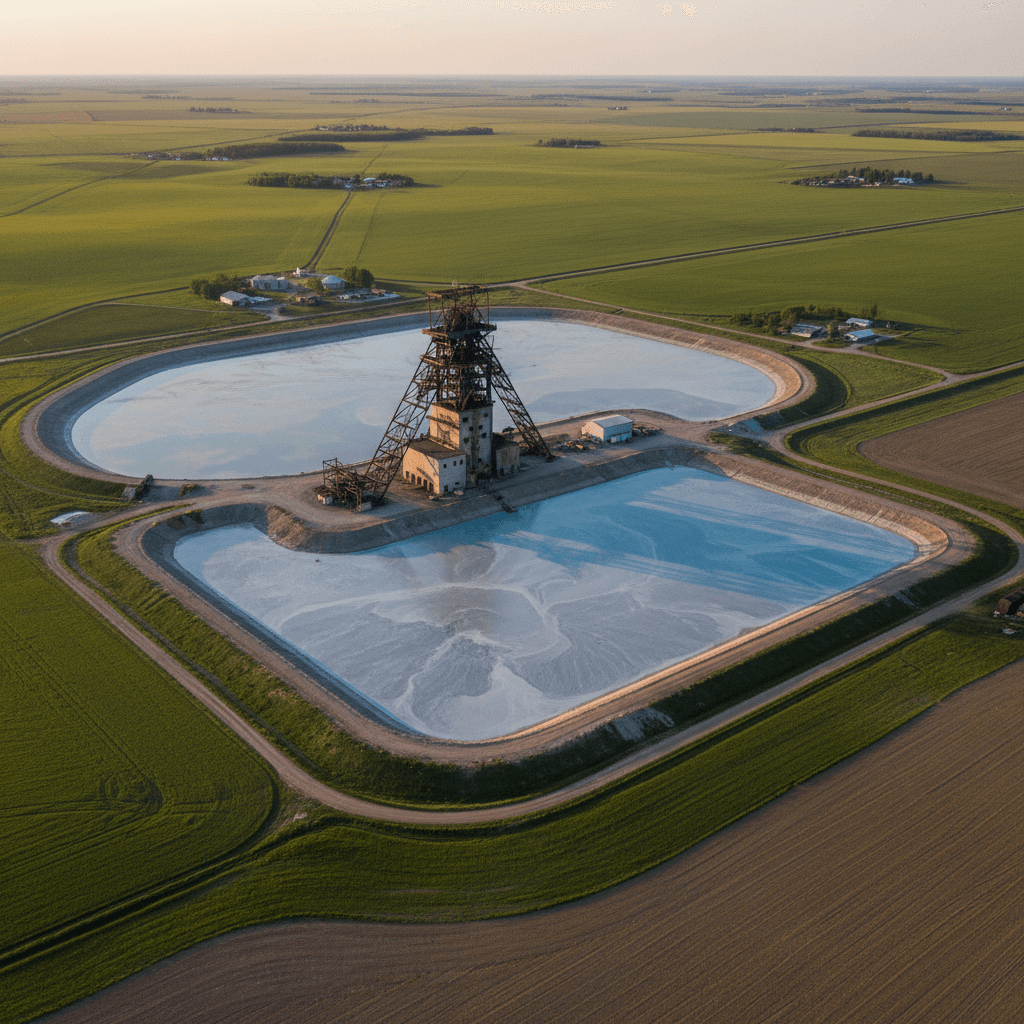
The Philippine embassy in Canada has opened formal talks with Saskatchewan potash producers about long-term fertilizer sourcing agreements, a move driven by supply-chain pressures tied to Middle East tensions. The outreach, confirmed on April 16, positions Saskatchewan's potash sector at the centre of a food-security conversation in a major Asian import market.
Saskatchewan produces roughly one-third of the world's potash and counts the Philippines among its leading agricultural partners. With the United Nations' Food and Agriculture Organization projecting global fertilizer prices 15 to 20 per cent higher in the first half of 2026 if the crisis persists, Manila is looking to lock in Canadian supply before further volatility hits.
Why the prairies matter to Manila
Potash is an essential nutrient for rice, sugar cane and banana crops, the backbone of Philippine agriculture. The Manila Times reported that embassy officials framed the talks as a strategic hedge against disruptions in Red Sea shipping lanes and broader Middle East instability, which has already lifted freight costs on fertilizer cargoes.
Canpotex, the marketing arm for Saskatchewan's major producers, is fully committed on volumes through June 30, 2026, limiting Manila's near-term options. A longer-term framework could give Philippine buyers priority access when new capacity from junior producers and brownfield expansions comes online.
Supply-side developments in Saskatchewan
Junior producer Gensource Potash announced the first closing of a $1.44 million private placement on April 9, according to NewsFile Corp, a modest but indicative signal that capital markets are responding to firming potash prices. Larger producers have also signalled continued operational spending to sustain production through 2026.
Global supply pressure is most visible in the Strait of Hormuz corridor, where tanker insurance costs have risen. CBC News Saskatchewan reported that the province's export advantage has widened as competing suppliers face higher shipping risk premiums from Middle Eastern and Black Sea sources.
Diplomatic and market implications
A formal supply framework would extend Saskatchewan's role beyond commodity exporter into food-security diplomacy. The province has previously signed fertilizer cooperation memoranda with India and Brazil, and officials see the Philippines discussion as a template for further Southeast Asian engagement.
- Saskatchewan produces roughly one-third of global potash supply
- FAO projects 15 to 20 per cent higher fertilizer prices if Middle East crisis persists
- Canpotex fully committed on volumes through June 30, 2026
- Gensource closed $1.44 million placement on April 9
For Saskatchewan's business and legal sector, the talks raise prospects of new long-term offtake contracts, joint-venture structures and dispute-resolution provisions that mirror Canada's existing trade arrangements with the Philippines.
What's next
Embassy officials have signalled interest in province-level meetings in Regina and Saskatoon in the coming weeks, and Canpotex has indicated openness to sharing forward capacity outlooks with Philippine representatives. A framework deal is unlikely before the summer, but the talks set the stage for a potentially multi-year supply arrangement that could reshape the Philippines' fertilizer import mix.