PWHL Playoff Race Goes to the Final Weekend: Sceptres Fight for Toronto's Post-Season Spot
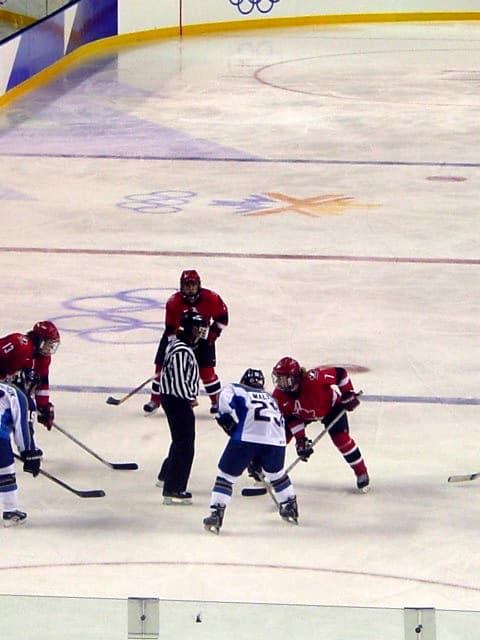
The Toronto Sceptres have one game left to decide whether the 2026 Professional Women's Hockey League playoffs include a team representing Canada's largest city. Toronto plays the Minnesota Frost on Sunday at 12:30 p.m. Central in the final regular-season game for both sides, a contest that will be replayed in playoff previews for years if the Sceptres fail to punch their ticket. The third season of the PWHL has produced the closest playoff race in the young league's history, and no Canadian market has more riding on the final 60 minutes than Toronto.
The standings, translated
Ottawa Charge sit fourth in the league at 36 points, holding the last of the four available playoff spots. New York Sirens and Toronto are tied for fifth with 34 points each. All three teams have played 29 of their 30 scheduled games. The mathematical scenarios are straightforward. Toronto must win on Sunday to have any chance. A regulation win would pull the Sceptres level with Ottawa, with tiebreakers coming into play. A loss, even in overtime, likely eliminates them.
New York, which beat Toronto in regulation on Wednesday to take three points in the standings race, plays its final regular-season game earlier Sunday. If the Sirens win in regulation and Toronto loses, New York vaults past both the Sceptres and the Charge into fourth.

What went wrong this season
The Sceptres entered 2025-26 as defending Walter Cup finalists, a team that had come within a single game of the championship. The roster returned mostly intact. Captain Blayre Turnbull, goaltender Kristen Campbell, and scoring leader Sarah Nurse were all back. The drop in results, from contender to bubble team, has been less about any single weakness than a pattern of tight losses compounding through the year.
Toronto has lost eight games by a single goal, a number that typically bends toward the league average over time but has instead gotten worse as the season has progressed. The Sceptres' power play has ranked in the bottom half of the league, an unusual position for a team with this much offensive talent. Campbell's save percentage has dipped from .925 last season to .907 this year, a decline that correlates closely with Toronto's slide down the standings.
The Minnesota challenge
Minnesota arrives in Sunday's finale having already secured a playoff spot and the home-ice advantage that comes with a top-three finish. The Frost, winners of the inaugural Walter Cup in 2024 and finalists last year, have built the kind of consistent program the Sceptres were trying to establish.
For Frost head coach Ken Klee, the question is whether to rest starters for the playoffs or play a full-strength lineup. Sources familiar with Minnesota's thinking suggested Klee is leaning toward the full lineup, both for continuity and because a loss could still affect seeding between Minnesota, Montreal and Boston at the top of the standings. For Toronto, that removes any hope of catching the Frost at less than their best.
Nurse's production under a microscope
Sarah Nurse has been the face of the Sceptres since the franchise's founding, and her individual season has followed the team's pattern: flashes of dominance, a frustrating number of close-but-not-quite performances, and an overall output below what her career trajectory suggested. Nurse's 14 goals rank tied for seventh in the league, a respectable but not elite total for a player who finished top five last year.
Her post-game comments after Wednesday's loss to New York were unusually pointed for a player who typically sticks to team-first messaging. Nurse acknowledged the group had, in her words, made things harder than they needed to be for themselves all season. How that internal pressure translates on Sunday may be the single biggest variable in Toronto's playoff equation.
What's at stake beyond the standings
The PWHL has spent its third season trying to demonstrate that the financial and attendance gains of its opening two years were not the product of novelty alone. Toronto, which leads the league in average attendance and merchandise revenue, is a franchise the league wants in the playoffs. A first-round elimination of the Sceptres would not collapse the league's trajectory, but it would remove one of the most drawing matchups from the post-season bracket.
Commissioner Jayna Hefford, asked about the significance of Canadian markets making the playoffs at a league event in Montreal last week, declined to frame the race in national terms. The Canadian franchises that do make the playoffs, Montreal and possibly Ottawa, would still carry the flag. But the visual of the 2026 bracket could look quite different depending on what happens in Saint Paul on Sunday afternoon.
Kristen Campbell and the goaltending question
Kristen Campbell entered the 2025-26 season as one of the top three goaltenders in the league by any available measure. Her season, like the team's, has been a step backward in ways that are hard to separate from the broader structural issues in front of her. A .907 save percentage and a 3.17 goals-against average are numbers that would have been unthinkable for Campbell two seasons ago.
The question facing Sceptres head coach Troy Ryan is whether Campbell is the goaltender who gives Toronto its best chance against Minnesota on Sunday. Backup Raygan Kirk has not played enough games to provide a meaningful comparison, but her work in limited minutes has been consistent with her prospect profile. Ryan has publicly backed Campbell as the starter for the season finale. Any other choice, at this point, would carry its own set of political and motivational costs inside a dressing room already under pressure.
The broader league context
The PWHL's third season has produced a number of welcome structural markers. Expansion cities, including Seattle and Vancouver on the agenda for 2027, are now in active league discussions. Television ratings for the league's weekly national game on Sportsnet and TSN have grown year over year. Merchandise revenue is up across the board, with the Sceptres and the Montreal Victoire leading the league in that category.
The on-ice product has continued to mature. The league's average goals per game, 4.8 through 2025-26, is up from 4.3 in the inaugural season. Scoring is distributed more evenly across teams, with no franchise dominating the way Minnesota did in the first season. The playoff format, a best-of-five first round followed by a best-of-seven final, remains under review for 2027, with the league exploring expanded post-season options to reflect its growing audience.
Ottawa's position
The Charge control their own destiny. A regulation win over Boston on Sunday night, a game that starts after the Toronto-Minnesota result is known, clinches the fourth playoff spot regardless of the outcome in Saint Paul. Ottawa has been one of the quieter success stories of the 2025-26 season. Head coach Carla MacLeod has built her team around defensive structure, rookie goaltender Gwyneth Philips, and a top-nine forward group that has shared scoring rather than relying on one star.
The Charge's playoff appearance, if they secure it, would be the first in franchise history and a strong argument for the league's geographic balance of talent. For the capital's growing women's hockey audience, the prospect of a first-round playoff game at TD Place would be historic.
The broader picture for women's hockey in Canada
The PWHL's success has coincided with a boom in youth hockey registration for girls across Canada. Hockey Canada's latest participation numbers, released earlier this spring, showed female registration up 12 per cent year over year. The pipeline of talent entering the North American college and professional systems is deeper than at any point in the sport's history.
A Sceptres playoff appearance would not, on its own, drive any of those numbers. But visibility matters, and the Toronto franchise has been among the most effective at translating its on-ice product into community programming. A post-season run, even a short one, extends that visibility into May.
The playoff format and what lies beyond
The PWHL's playoff format, a best-of-five first round followed by a best-of-seven championship series, has produced exciting hockey in its first two iterations but has also drawn questions about whether an expanded bracket would better reflect the league's depth. The Walter Cup final, scheduled to begin in mid-May, will again be played in front of the league's most dedicated supporters. Minnesota and Montreal, the two most likely championship contenders, would produce a final featuring two established women's hockey markets.
For Toronto specifically, the path to a Walter Cup would require first finishing Sunday's business in Minnesota, then winning a best-of-five against a higher seed on the road. Neither task is impossible. Both require a level of play the Sceptres have shown in flashes but not sustained. Head coach Ryan's work over the next 72 hours, assuming Toronto makes the playoffs, will be the most consequential stretch of his tenure in the role.
The Coachella Valley expansion question
Beyond the 2026 playoffs, the PWHL's expansion trajectory has become one of the league's most actively discussed storylines. Seattle and Vancouver have been identified by the league as priority expansion markets for a 2027 addition. Quebec City and Detroit are further back in the queue but remain on the league's published watch list. Each expansion decision carries implications for talent distribution, player allocation and the competitive balance of the league.
For Toronto specifically, a more crowded league landscape could affect the Sceptres' ability to retain free agents and to draft well. Toronto has had first-pick status in the league's allocation drafts but will find those advantages diluted as the league grows. The franchise's response, building on its merchandise and attendance leadership to invest aggressively in a player development infrastructure, is already under way.
What's next
Puck drops at Xcel Energy Center at 12:30 p.m. Central on Sunday. Toronto's playoff hopes rest on the outcome. The Sirens-Frost result, which precedes the Sceptres-Frost game, will further shape the scenarios. And Ottawa's game against Boston on Sunday night closes out a regular season that has delivered exactly the kind of finish the PWHL's architects hoped for when they imagined the third year of their league: nothing decided, everything live, and a country paying attention in numbers that would have seemed implausible three springs ago.