Canada Meets NATO 2 Per Cent, Commits $500B Toward 5 Per Cent by 2035
Canada has formally crossed NATO's 2 per cent of GDP defence spending threshold and has pledged up to $500 billion over the next decade toward a new, more ambitious 5 per cent target by 2035. The announcement, made as the Carney government finalises the details of its spring economic update, marks the most significant single shift in Canadian defence posture in a generation and is designed to respond to a security environment that has deteriorated sharply over the past several years.
Canada's relationship with the NATO 2 per cent target has been a recurring source of political friction for decades. Successive Canadian governments had fallen short of the threshold since it was formally adopted at the 2014 Wales Summit, and Canadian spending had hovered at or around 1.3 to 1.4 per cent of GDP for most of the post-2014 period. Hitting 2 per cent, and committing to a longer-term trajectory toward 5 per cent, represents a structural shift that will reshape Canadian defence industrial policy, procurement practices and military posture.
The decision has been driven by a combination of factors. Russia's continuing war against Ukraine, rising tensions in the Indo-Pacific, the tariff-driven pressure from the United States to increase alliance contributions and the changing strategic balance in the Arctic have all contributed to a political consensus that higher defence spending is now unavoidable. Prime Minister Mark Carney has framed the announcement as a commitment to Canadian sovereignty and to the alliance's collective security, and has linked the higher defence investment to broader industrial and technological strategy.
What the announcement includes
The federal government has confirmed that Canada now meets the NATO benchmark of 2 per cent of GDP on defence spending, a level that had been targeted for 2032 under previous commitments. The faster trajectory has been driven by accelerated procurement, higher operating expenses for existing capabilities and new commitments that have been announced over the past 12 months.
The longer-term commitment, toward 5 per cent of GDP by 2035, reflects a more ambitious target set at the most recent NATO summit. That target divides defence-related spending into two tiers: 3.5 per cent of GDP on core military capability, and 1.5 per cent on broader defence-related infrastructure, cyber-security, industrial capacity and resilience. The $500-billion envelope is intended to cover the core military component over the coming decade, while additional federal, provincial and private-sector investments will contribute to the broader defence-related spending.
Specific allocations within the envelope will cover capital procurement of aircraft, naval assets, ground systems and missile defence; expansion of Canadian Armed Forces personnel and training capacity; investments in Northern infrastructure and Arctic presence; and expanded defence research and industrial capacity. The federal government is expected to provide further detail on the specific programs in the spring economic update and in subsequent fiscal cycles.
The strategic context
The Canadian defence reorientation is happening in a markedly changed international environment. Russia's full-scale war against Ukraine has extended into its fifth year, and NATO members have been rebuilding defence capacity that had been allowed to atrophy since the end of the Cold War. The Indo-Pacific has seen rising Chinese assertiveness, including in the South China Sea and around Taiwan, and Canada has committed to a stronger naval presence in the region.
The Arctic has emerged as a particular focus of Canadian defence attention. Russia's expanding Arctic capabilities, combined with growing Chinese interest in the region, have heightened concerns about Canadian sovereignty over its northern territory and waters. The recent Operation NANOOK-NUNALIVUT 2026 exercise, which involved 1,300 Canadian and allied troops operating across Canada's Arctic, was the largest such exercise in recent memory and reflected the new strategic prioritisation of the region.
The tariff-driven pressure from Washington has also been a factor. The Trump administration has repeatedly argued that allies must increase their defence contributions, and has tied broader trade and economic discussions to those contributions. While the Carney government has resisted the idea that defence spending is a bargaining chip in trade negotiations, the political environment has made the case for accelerating Canadian defence investment.
The fiscal challenge
The fiscal implications of the commitment are significant. Canada's current fiscal trajectory already includes substantial operating and capital deficits, driven by tariff-response spending, the recent fuel excise holiday, defence investment, housing commitments and other policy priorities. Adding a $500-billion defence commitment over the coming decade will require either higher revenue, lower spending in other areas, higher borrowing or some combination of the three.
Finance Minister François-Philippe Champagne is scheduled to table the spring economic update on April 28, and the update is expected to provide further detail on how the defence commitment will be financed. The Carney government has emphasised that it intends to finance the expansion through a combination of growth-driven revenue increases, targeted tax reforms and operational savings from public service restructuring.
The Parliamentary Budget Officer and external analysts have raised questions about the feasibility of the fiscal trajectory implied by the combined commitments. Some analysts have argued that the defence commitment by itself is manageable but that the combination of defence, affordability and industrial policy commitments stretches the fiscal envelope beyond what is sustainable under current tax and revenue arrangements. The spring economic update will be an important test of how the government addresses those concerns.
Industrial and regional implications
The defence commitment has significant implications for Canadian industrial policy. Higher defence spending, sustained over a decade, creates opportunities for Canadian defence manufacturers, shipbuilders, aerospace companies and software developers. Federal procurement rules require significant Canadian content for major contracts, and the additional spending is expected to drive industrial investment across the country.
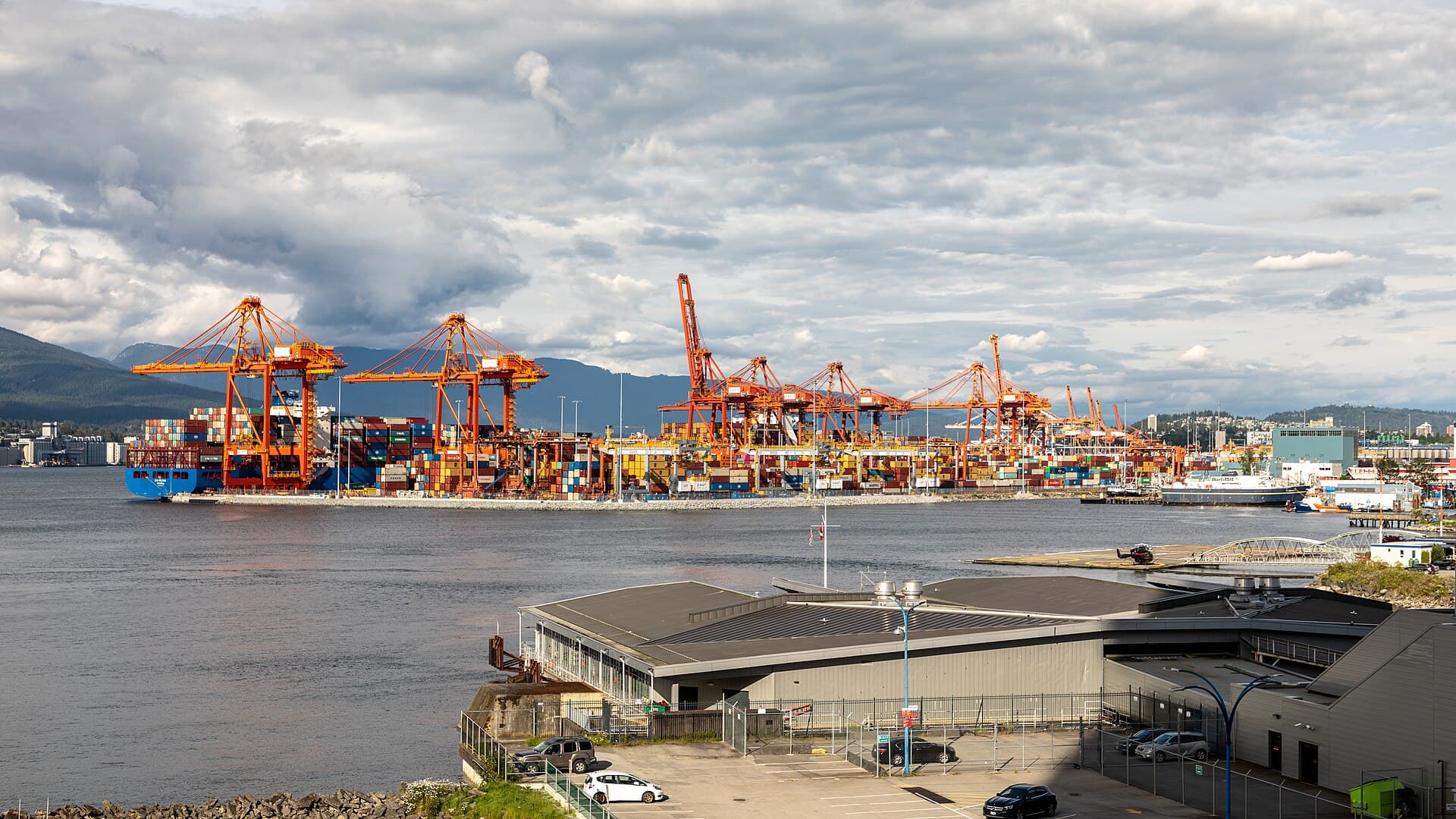
Quebec, with its concentrated aerospace sector, stands to benefit significantly from the aerospace component of the defence plan. Ontario, with its defence manufacturing base and its automotive and machinery capacity, has similar exposure. British Columbia's shipbuilding industry, centred on the Seaspan yards in Vancouver, is a key element of the naval procurement plan. Atlantic Canada, particularly through the Irving Shipbuilding yard in Halifax, is another major industrial centre for the defence expansion.
The Prairies will also see significant investment, particularly in the Arctic and Northern components of the plan. Saskatchewan and Alberta are home to key Canadian Armed Forces training and operational bases, and the expansion of Northern infrastructure will connect directly to Prairie industrial capacity. The territories, of course, are at the centre of the Arctic investment strategy, and the federal government has indicated that Northern communities will play a direct role in the operational presence.
Political reaction
The political reaction has been broadly supportive, with some qualifications. The Conservative Party has welcomed the higher defence spending target but has pressed the government on execution, arguing that procurement reforms are essential to delivering the commitment efficiently. The New Democratic Party has raised concerns about the scale of the commitment and has argued for robust parliamentary oversight of defence procurement and spending.
The Bloc Québécois has focused its comments on ensuring that Quebec's aerospace and defence sectors receive an equitable share of the industrial benefits. The Bloc has emphasised the role of Quebec's defence industry in meeting the alliance's requirements and has called for transparent procurement processes that recognise Quebec's contributions.
The Green Party has been the most critical, arguing that the scale of the defence commitment crowds out investment in climate and social priorities. The Greens have called for a reassessment of the commitments and for a reallocation of some of the envelope to non-military security, including climate resilience, food security and cybersecurity.
The NATO context
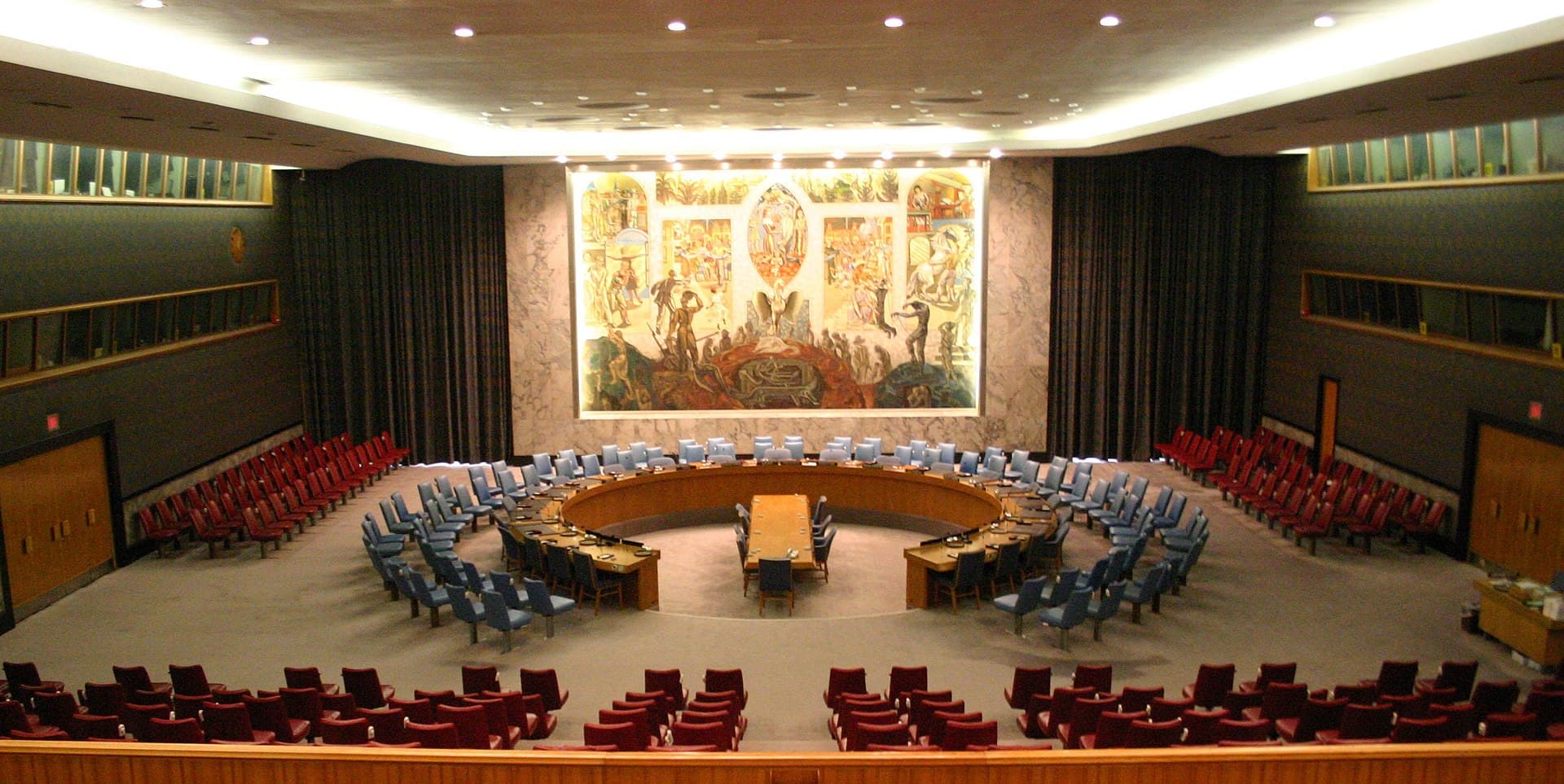
Canada is not alone in accelerating its defence spending. Most NATO allies have been increasing their contributions, and the alliance's overall defence investment has grown significantly over the past several years. Germany, in particular, has undertaken one of the largest defence spending increases of any major European economy, and the United Kingdom, France, Italy, Spain and the Nordic members have all raised their contributions.
Within the alliance, Canada's trajectory toward 5 per cent by 2035 places it among the more ambitious commitments. The alliance's overall posture has shifted from the defence of established allies to a combination of deterrence against Russia, containment of broader Eurasian challenges and readiness for crises in the Arctic and the Indo-Pacific. Canadian contributions, including leadership of the NATO Multinational Brigade in Latvia, continue to be significant.
The relationship with the United States remains central. The United States accounts for roughly two-thirds of NATO defence spending, and the US-Canada defence relationship is conducted through NORAD, bilateral agreements and industrial partnerships. The expansion of Canadian defence capacity is designed, in part, to strengthen that bilateral relationship and to reduce the pressure points in the broader economic and political relationship between the two countries.
Canadian Armed Forces expansion
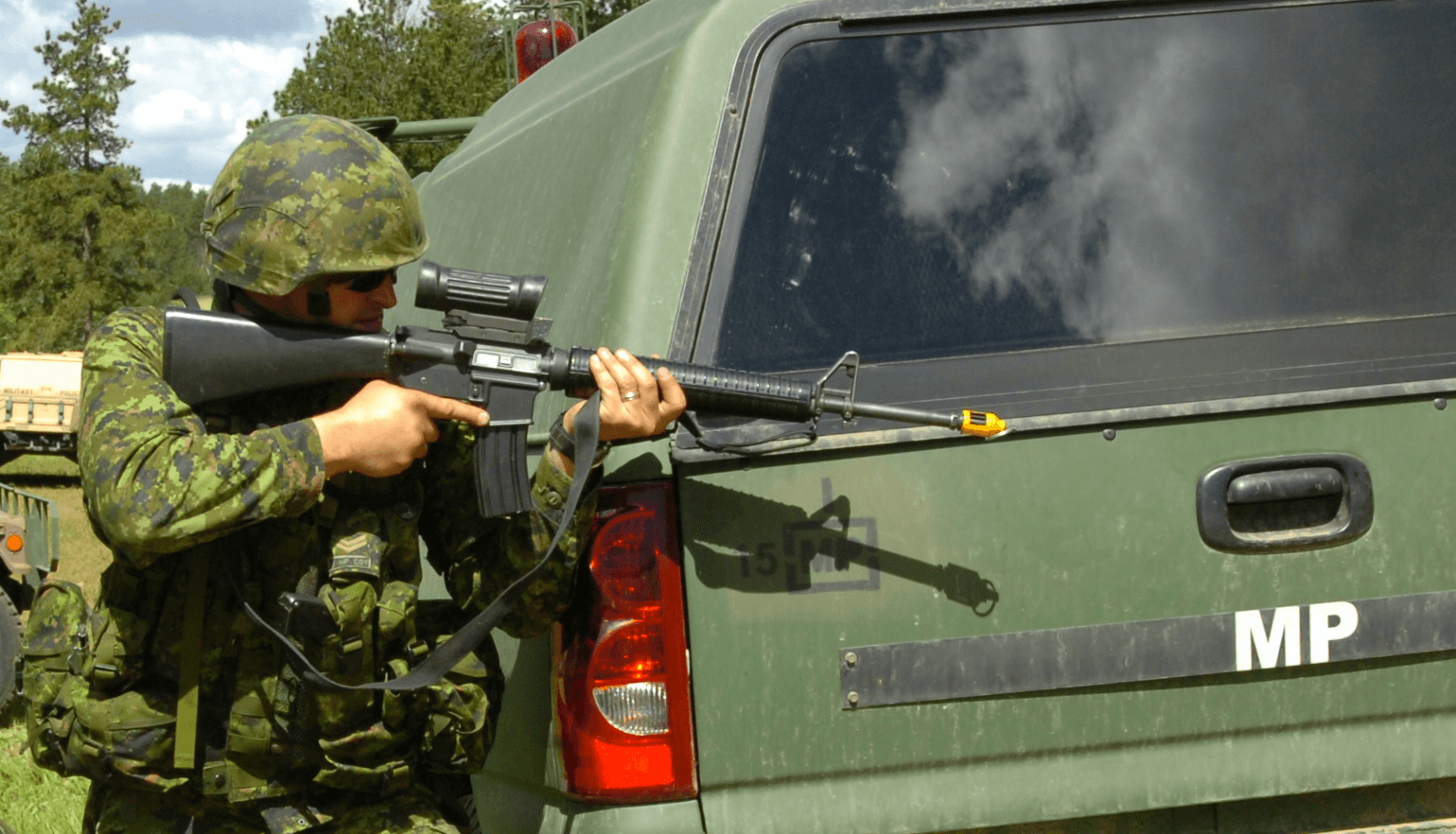
The commitment to 2 per cent today, and toward 5 per cent by 2035, implies a significant expansion of the Canadian Armed Forces over the coming decade. The government has signalled plans to grow regular-force personnel, to expand the reserve force and to rebuild the training and equipment base that has been constrained by recruitment shortfalls and procurement delays.
Recruitment has been a particular challenge in recent years. The Canadian Armed Forces has been operating below its authorised strength, and the recruitment pipeline has been slow to recover. The federal government has been working on a combination of incentive programs, outreach initiatives and procedural reforms to address the shortfalls, but expanding the force from its current size will require sustained effort over several years.
Equipment modernisation is another key element. Major procurement programs, including the purchase of F-35 fighter aircraft, the construction of the Canadian Surface Combatant fleet, the replacement of Canadian Army ground vehicles and the modernisation of NORAD infrastructure, are all at various stages of progress. The expanded funding envelope is intended to accelerate the completion of these programs and to initiate follow-on projects.
What's next
The spring economic update on April 28 will be the next major marker, providing detailed information on how the defence commitment will interact with the broader fiscal framework. The Carney government will need to explain the financing strategy for the combined set of commitments and to provide clarity on the phasing of the additional spending over the coming decade.
Implementation will be the larger challenge. Canadian defence procurement has faced persistent difficulties with cost overruns, schedule slippage and complex procurement processes. Delivering on a $500-billion commitment will require procurement reform, industrial capacity investment and effective management of the integration between federal agencies and industrial partners.
The geopolitical context will continue to drive the trajectory. If the security environment continues to deteriorate, particularly in Europe or in the Arctic, the political and strategic case for the commitment will strengthen further. If diplomatic progress can be made on any of the major conflicts, the urgency may ease, but the structural drivers of the higher spending trajectory, including alliance commitments and sovereignty requirements, will remain in place.
Spotted an issue with this article?