Six Months After Gaza Ceasefire, Canadian Aid Priorities Shift
Six months after the United States pressed Israel and Hamas into a ceasefire that paused the most intense phase of the war in Gaza, the return of the last Israeli hostage's body has brought a symbolic close to one dimension of the conflict while exposing how far the territory remains from a recovery. The humanitarian situation has not improved in the way the ceasefire's architects had envisaged, aid flows have tightened, and the political architecture meant to sustain the pause remains fragile. For Canada, which has committed significant humanitarian funding and diplomatic attention to the conflict, the current moment is forcing a reassessment of aid priorities and diplomatic posture.
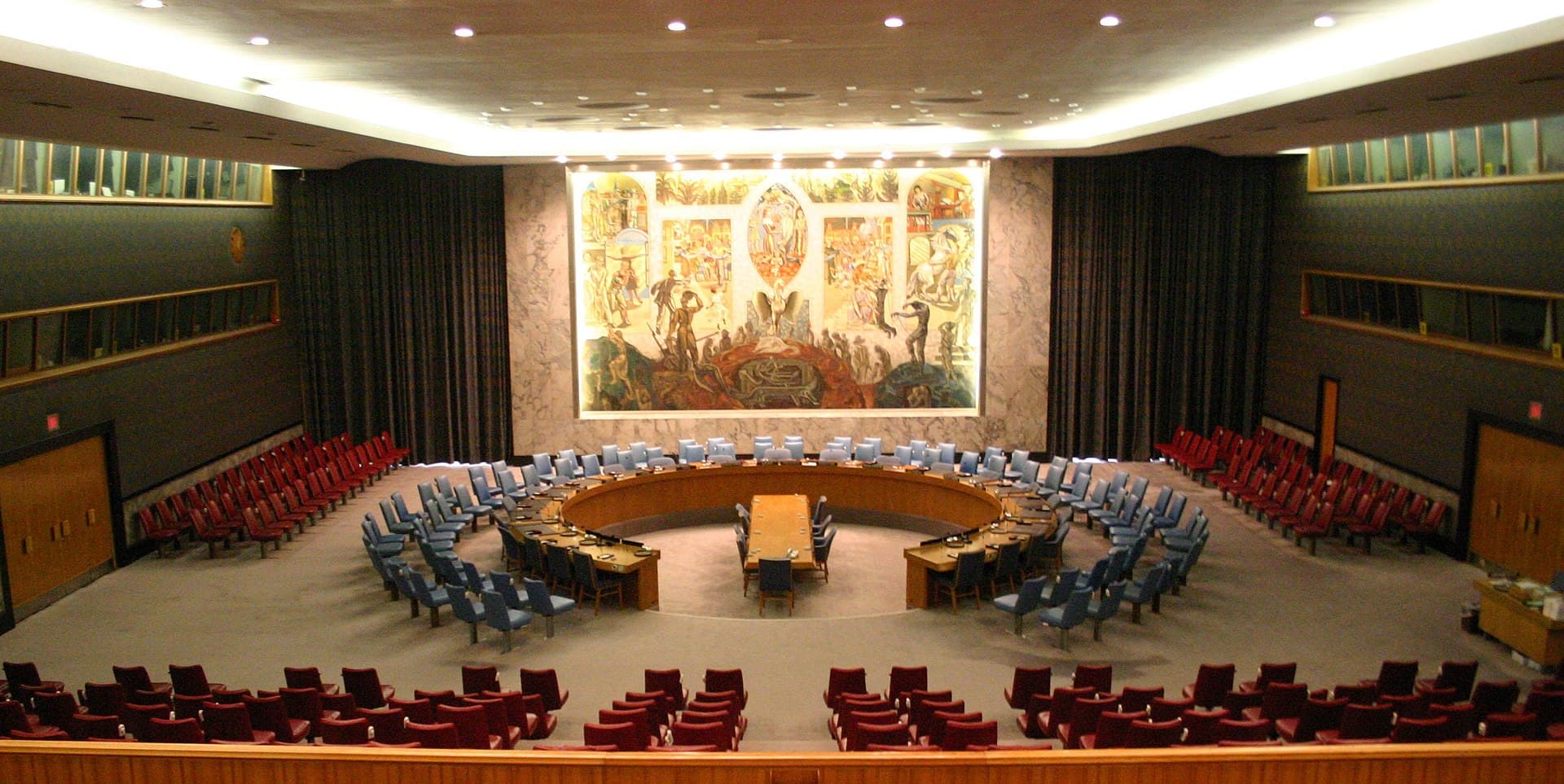
The UN Security Council convened to consider the situation the day after the body of Ran Gvili, the last Israeli hostage held in Gaza, was retrieved. Ramiz Alakbarov, Deputy Special Coordinator for the Middle East Peace Process, told the Council that the return of Gvili's body would allow healing to begin for one Israeli family but underscored how far the broader situation remains from resolution. The first phase of the US Comprehensive Plan established the current ceasefire, secured the return of hostages and called for a partial Israeli withdrawal and expanded humanitarian access.
In practice, conditions in Gaza remain dire. For the two million people living in the territory, the ceasefire has not produced a meaningful new beginning. More than 700 Palestinians, around 40 per cent of them women and children, have been killed during the ceasefire period according to the Gaza health ministry. Aid flows have fallen since the start of a new war in Iran six weeks ago, and there is still no international peacekeeping force in Gaza and no serious reconstruction underway.
The ceasefire's structure
The ceasefire is based on the US-brokered Comprehensive Plan, structured in phases. The first phase, which is now entering its seventh month, established the pause in large-scale combat, secured the release of Israeli hostages and committed Israel to a partial withdrawal from Gaza while allowing expanded humanitarian aid into the territory. The second phase of the plan was supposed to consolidate the ceasefire through additional steps on reconstruction, governance and security.
The return of Ran Gvili's body completes the hostage component of the first phase. Israel now has no hostages known to be held in Gaza, removing one of the strongest political drivers of active military operations. But the other components of the plan have not been fully implemented. Reconstruction has not begun at scale, no international peacekeeping force has deployed, and the governance questions about who will administer Gaza after the war have not been resolved.
The second phase has been described by senior UN officials as a critical step in consolidating the ceasefire. Without it, the pause in hostilities is vulnerable to renewed escalation, either through incidents on the ground or through political decisions in Israel or within the Palestinian territories. International donors have been pressing for the second phase to be advanced, but the broader diplomatic environment, including the outbreak of the Iran war six weeks ago, has complicated the political conditions for advancing the plan.
The humanitarian reality
For Gaza residents, the ceasefire has not brought a new beginning. The destruction left by the war is vast, essential infrastructure remains badly damaged, displacement continues and basic services are stretched. Aid organisations have been working under challenging conditions to deliver food, water, medical supplies and shelter, but the volumes of aid entering Gaza have fallen in recent weeks as the Iran conflict has drawn international attention and resources.
The 700-plus Palestinian deaths recorded during the ceasefire period reflect a mix of security incidents, violence related to aid distribution and casualties from incidents that have not risen to the level of triggering a renewed phase of war. International humanitarian organisations have pressed for stronger safeguards for civilians, for deconfliction mechanisms that ensure aid convoys can move safely and for the expansion of aid access to northern Gaza.
Reconstruction is the most significant absent element of the current picture. Without reconstruction at scale, Gaza's residents cannot rebuild homes, schools, hospitals or basic services. Estimates of the total reconstruction cost run into the tens of billions of dollars and would require sustained international financing, governance structures capable of managing the funds and security conditions that allow construction to proceed. None of those elements is currently in place at the scale required.
Canadian engagement
Canada has been an active participant in the international response to the conflict throughout. Ottawa has provided humanitarian funding to UN agencies and to Canadian and international non-governmental organisations operating in Gaza. Canadian diplomatic engagement has focused on support for the ceasefire, on pressing for humanitarian access and on sustained commitment to the two-state solution as the basis for a durable political settlement.
Foreign Affairs Minister Mélanie Joly has been in regular contact with her counterparts in the region and in Washington, and has emphasised Canada's commitment to the implementation of the Comprehensive Plan. Canadian officials have argued that the second phase must advance even if the broader diplomatic environment is challenging, and have advocated for increased international funding for reconstruction and for the rapid deployment of a peacekeeping presence.
Canadian humanitarian assistance has also been a significant component. Earlier in the conflict, Canada announced funding commitments to UN agencies, to the International Committee of the Red Cross and to Canadian-based NGOs working in Gaza. The Canadian government has continued to support aid delivery and has worked with partners to ensure that funding is directed to the most pressing needs on the ground.
The diaspora dimension
Canada is home to significant Palestinian, Israeli, Arab, Jewish and Muslim communities, all of which have been deeply affected by the conflict. The war has generated significant community mobilisation, political advocacy and humanitarian fundraising. It has also produced tensions within Canadian society, and federal, provincial and municipal authorities have been working to protect community safety while respecting freedom of expression and association.
Community organisations have continued to press the Canadian government on policy positions, on humanitarian funding and on diplomatic engagement. Palestinian Canadians have been advocating for stronger international action on reconstruction and governance, while Jewish Canadians have continued to emphasise Israeli security concerns and the ongoing needs of the families of hostages and of those killed during the war. Both communities have also been engaged in domestic issues, including concerns about rising antisemitism and Islamophobia in Canadian society.
Canadian municipalities and universities have been central to many of these discussions. Protests, public statements, institutional decisions about investments and partnerships and debates about freedom of expression have all been part of the broader Canadian engagement with the conflict. The political and social dynamics within Canada have evolved as the conflict has progressed and as new developments have emerged.
The Iran dimension
The outbreak of a new war in Iran, six weeks before the current ceasefire anniversary, has reshaped the broader Middle East environment in ways that directly affect Gaza. The Iran conflict has drawn international diplomatic attention, military focus and some aid resources away from Gaza, and has raised the risk that regional escalation could destabilise the fragile architecture holding the Gaza ceasefire together.
Canadian diplomatic engagement with the Iran conflict has been substantial, and Canadian officials have been working to ensure that the two conflicts do not become intertwined in ways that compromise the ceasefire architecture in Gaza. That coordination has been challenging, given the limits on Canadian diplomatic capacity and the speed with which the regional environment has been evolving.
The Iran war has also affected Canadian domestic politics, given the significant Iranian Canadian community and the policy implications of the conflict for energy markets, migration and broader international security. The intersection between the Iran and Gaza conflicts is likely to continue to shape Canadian foreign policy over the coming months.
The political architecture
The political architecture meant to sustain the Gaza ceasefire remains under significant strain. The question of who will govern Gaza after the war has not been resolved, and discussions about a reformed Palestinian Authority presence, international trusteeship or alternative governance arrangements have not produced a workable solution. Without a credible governance arrangement, reconstruction cannot proceed at scale.
Israel's political environment has been volatile, with ongoing debates about the post-war direction, the responsibility for the pre-war intelligence failures and the future of the peace process. The Netanyahu government has been navigating those debates while managing the practical challenges of the ceasefire on the ground. The political dynamics within Israel will significantly shape the pace and direction of the second phase of the Comprehensive Plan.
Hamas and other factions in Gaza continue to have influence over the territory, although the specific structure of political control after the war has not been clearly defined. Regional actors, including Egypt, Qatar, Jordan and Saudi Arabia, have been involved in the diplomatic process, and their roles will continue to shape the trajectory of the ceasefire and any eventual political settlement.
What Canada can do
Canadian foreign policy discussions have focused on several areas where Canada can contribute meaningfully. Humanitarian funding remains a primary channel, with sustained Canadian contributions to UN agencies and international NGOs providing critical support for aid delivery. Canadian leadership on specific issues, including the protection of civilians, has also been valued by partners.
Diplomatic engagement, particularly through multilateral forums including the United Nations, the G7 and bilateral relationships with regional actors, provides another channel. Canada has historically been active in peacekeeping and peacebuilding, and there is a continuing discussion about whether Canadian forces could contribute to an eventual international presence in Gaza.
Settlement support for Palestinian and Israeli refugees and newcomers has also been a component of Canadian engagement. Family reunification programs, humanitarian immigration measures and broader settlement services have all contributed to Canada's response to the conflict. Community organisations have been central to delivering those services.
What's next
The coming months will be critical for the Gaza ceasefire. The second phase of the Comprehensive Plan, if it can be advanced, would provide a more durable political and humanitarian framework. The Iran conflict, its trajectory and its broader implications will continue to shape the environment in which the ceasefire operates.
Canadian policy will continue to focus on supporting the ceasefire, pressing for expanded humanitarian access, contributing to reconstruction funding when the conditions allow, and engaging with Canadian communities affected by the conflict. The spring economic update on April 28 is expected to provide further detail on Canadian humanitarian commitments, and broader diplomatic engagement will continue through multilateral forums.
For the 2 million people in Gaza, the six-month mark of the ceasefire is a reminder that a pause in combat does not by itself bring recovery. Sustained international engagement, durable political arrangements and the resources required for reconstruction are all needed to translate the ceasefire into a meaningful improvement in daily life. For Canadians, whether through diaspora communities, humanitarian organisations or broader political engagement, the conflict remains a significant and continuing concern.
Spotted an issue with this article?