Oilers Open Stanley Cup Playoffs With 4-3 Win Over Ducks
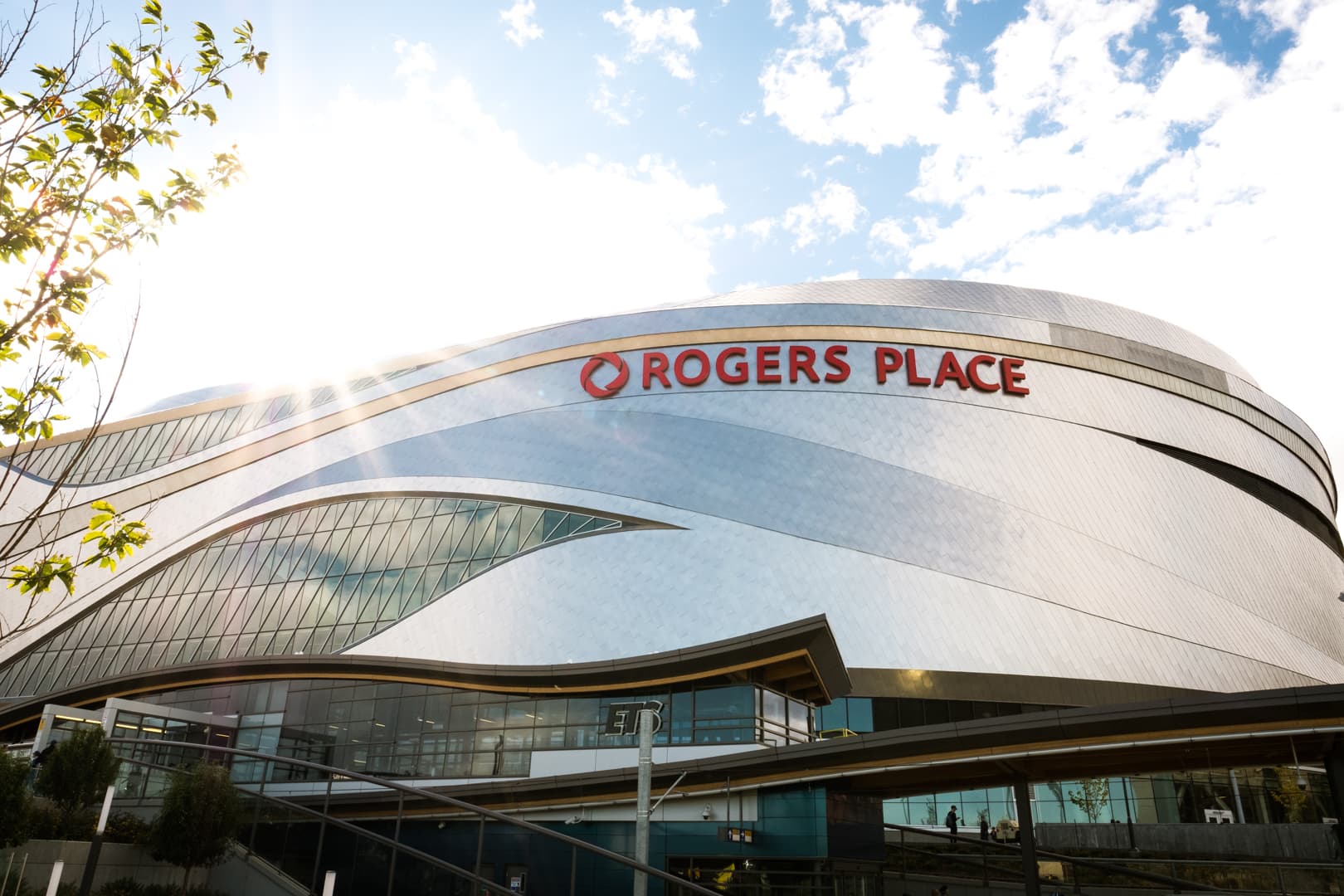
The Edmonton Oilers opened their 2026 Stanley Cup Playoffs campaign with a 4-3 win over the Anaheim Ducks at Rogers Place on April 20, claiming an early lead in a first-round series that is expected to highlight Edmonton's offensive depth and the Ducks' rebuild credentials. The Game 1 win keeps home-ice advantage in Edmonton's corner and gives the Oilers a one-game cushion as the series shifts into its second contest in the Alberta capital.
Edmonton is one of three Canadian teams active in the 2026 Stanley Cup Playoffs, alongside the Ottawa Senators and the Montreal Canadiens. The Oilers' playoff credentials have been well-established over the last several seasons, with the club consistently positioned as a contender in the Western Conference. This year's post-season arrives with Edmonton carrying a combination of elite forward talent, experienced defensive depth and the playoff pedigree of a roster that has been through deep runs before.
The Ducks' return to the playoffs is part of a different narrative. Anaheim has spent the last several seasons rebuilding its core around a group of younger forwards and defencemen. The Ducks entered the playoffs as the lower seed in the matchup, but the club's trajectory through the regular season suggests a team that is beginning to translate years of draft capital into competitive post-season hockey.
How Game 1 unfolded
Game 1 at Rogers Place followed a pattern familiar to Oilers playoff hockey. Edmonton's top forwards drove the offensive pace, setting up scoring opportunities through the cycle game and through quick transitions off controlled breakouts. Anaheim pushed back with speed through the neutral zone and relied on its younger forwards to generate chances off the rush.
The final 4-3 score reflected a competitive game in which both teams found the net at even strength and on the power play. Edmonton's special teams have been a point of emphasis through the regular season, and the power-play unit continued to produce in the opener. Anaheim's penalty kill showed discipline through stretches of the game but ultimately gave up enough ground to lose a one-goal contest.
The goaltending matchup was another theme of Game 1. Edmonton's netminder made the saves needed to hold the lead in the late stages of the third period, while Anaheim's goalie kept the Ducks within striking distance on several key shifts. In a one-goal game, those individual efforts by the goaltenders often decide the outcome, and Game 1 followed that script.
Edmonton's playoff setup
The Oilers' playoff formula has, in recent years, leaned heavily on the production of a handful of elite forwards. The club's ability to win playoff games typically depends on the balance between that top-end production and the contributions of its supporting lines. In the opening game of this series, both layers of the lineup produced, with the top forwards creating scoring opportunities and the depth players contributing at even strength.
Defensively, Edmonton has worked to tighten up its structure through the regular season. The defensive group has leaned on veterans to anchor the lineup and on younger players to bring mobility and puck-moving ability. The challenge in the playoffs is to limit the transitional chances that elite teams generate, and the Oilers' performance in Game 1 suggested that the defensive adjustments made through the season are paying off.
The coaching staff has emphasised depth throughout the regular season, and the ability of the bottom six to provide energy and penalty-kill minutes in Game 1 was a positive sign. In a long playoff run, that depth becomes increasingly important, as injuries and fatigue take their toll across a best-of-seven series and beyond.
Anaheim's challenge
For the Ducks, the series represents a test of where the rebuild currently sits. Anaheim's younger players are getting their first meaningful taste of playoff hockey, and the experience will shape the club's trajectory over the next several seasons. A 4-3 loss in Game 1 on the road is not a discouraging result for a team in Anaheim's position, but the club will need to raise its level as the series continues if it is going to make the matchup competitive.
The Ducks' identity has evolved through the regular season. The team has emphasised speed, skill and forechecking pressure, and those elements showed up at various points in Game 1. The challenge for Anaheim is to sustain that level across a full 60 minutes and to reduce the number of defensive zone mistakes that tend to be punished by a team with Edmonton's offensive talent.
The coaching staff in Anaheim has placed a premium on developing the identity of the younger roster, and the playoff series is an extension of that project. Regardless of how the series ends, the Ducks will gain valuable experience against one of the Western Conference's top contenders, and that experience will feed into the club's continued development.
Rogers Place as a factor
The home environment at Rogers Place has been a significant factor in Oilers playoff history. The building's size, acoustics and fan engagement have produced some of the loudest atmospheres in the league during post-season play, and Game 1 was no exception. The crowd was loud from the opening faceoff through the closing seconds, and that energy appeared to feed the home team's pace in the second and third periods.
Edmonton's ability to win at home is central to its series strategy. A split on home ice in Games 1 and 2 would create a significantly different dynamic than the sweep Edmonton is trying to build. The Oilers are aware that holding serve at Rogers Place is the foundation of any deep playoff run, and the coaching staff has emphasised maintaining focus through the opening games in front of the home crowd.
The fan experience around the arena district has become part of the Edmonton playoff tradition. The Ice District, the surrounding bars and restaurants and the outdoor viewing areas all contribute to a playoff atmosphere that has been a distinguishing feature of Oilers home games in recent post-seasons. Game 1 drew significant crowds to those gathering points, and the pattern is expected to continue through the series.
Canadian playoff picture
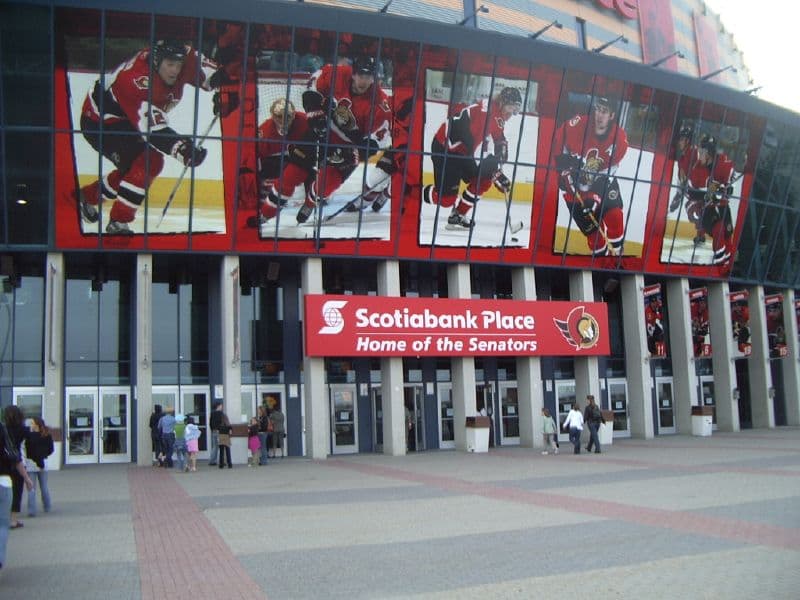
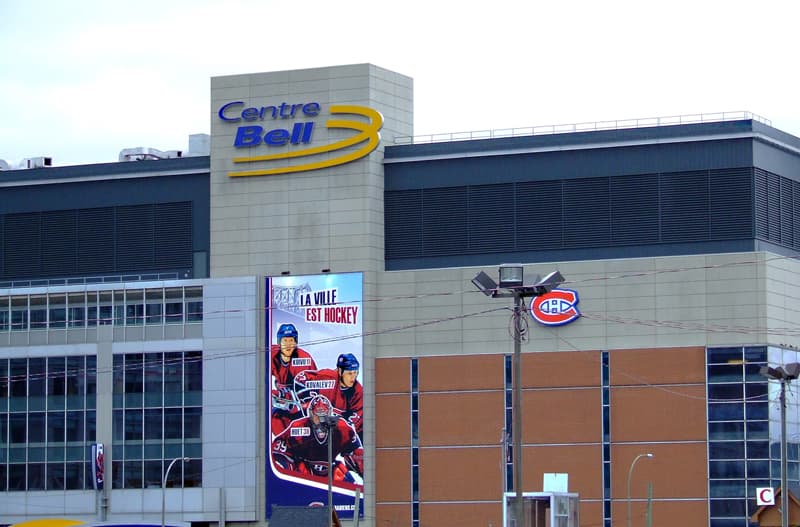
Edmonton's win in Game 1 was one of several Canadian storylines in the early rounds of the 2026 Stanley Cup Playoffs. The Ottawa Senators have been playing the top-seeded Carolina Hurricanes, and after two games in Raleigh, the Senators are trailing the series 2-0. The Montreal Canadiens are playing the Tampa Bay Lightning in a rematch of the 2021 Stanley Cup Final and took an early lead in the series with a Game 1 overtime victory.
The Toronto Maple Leafs did not qualify for the 2026 playoffs, extending a championship drought that now exceeds six decades. The club's absence from the post-season has been a subject of significant discussion among fans and analysts, but it has also allowed the three Canadian teams that did qualify to take on the role of national focus.
With three Canadian clubs active in the playoffs, fan attention has been split across time zones and across series matchups. Broadcast audiences have been strong, and the playoff bracket has generated significant interest through the first two games of each series. Edmonton's continued progress through the Western Conference would align with the timing of playoff rounds in the Eastern Conference, potentially setting up matchups that are pulling broad national attention.
Looking ahead in the series
Game 2 of the Edmonton-Anaheim series is scheduled for April 22 at Rogers Place. The Oilers will look to press their early advantage with another home win before the series shifts to Anaheim for the middle games. The Ducks will be trying to even the series and steal home-ice advantage back before they return to their own building.
Special teams are likely to continue to be a central theme of the series. Both teams showed in Game 1 that they can score on the power play and manage penalty kills under pressure. The team that wins the special-teams battle consistently across a best-of-seven tends to have the edge in the series, and both clubs will be looking for small adjustments to their units heading into the next game.
Injury management and rest between games will also matter. Playoff hockey typically takes a toll on players, and even minor injuries can affect lineup decisions over the course of a long series. Both teams will be managing their rosters carefully and making decisions on lineup configurations based on the way the games are unfolding.
Broader stakes
For Edmonton, the current playoff run is another chapter in an era that has been defined by competitive playoff appearances and by the sustained excellence of a core group of players. The franchise has not won a Stanley Cup in several decades, and each post-season brings renewed attention to that drought. A deep run in 2026 would position the club for a serious championship push, particularly if it can avoid significant injuries and manage the demands of the long playoff schedule.
For Anaheim, the series is part of a longer-term project. The Ducks are still building toward a roster that can compete consistently for championships, and each playoff appearance feeds into that development. Younger players will benefit from exposure to the intensity of playoff hockey, and the organisation will gain information about where the roster stands against elite competition.
For Canadian hockey fans, the continued presence of three Canadian clubs in the post-season is a meaningful marker. The distribution of playoff viewership across Edmonton, Montreal and Ottawa is helping to sustain the broader cultural profile of the game in Canada, and a deep run by any one of the three clubs would energise the national fan base and sustain the playoff storyline well into June.
What's next
The Oilers and Ducks will play Game 2 at Rogers Place before the series moves to California for the third and fourth games. Edmonton's ability to hold serve at home, to manage the middle games on the road and to maintain the production of its top forwards will define the complexion of the series. Anaheim's ability to find consistent scoring and to protect its goaltender under pressure will determine whether the series becomes genuinely competitive.
Regardless of how the series plays out, the opening night win represents a solid start for a team that has championship aspirations. The Oilers have put themselves in a position of control, and the series now shifts to the task of closing out the opening round and advancing to the Western Conference's second round.
Edmonton fans will have a chance to watch Game 2 at Rogers Place or through the broadcast coverage, and the city's playoff atmosphere is expected to remain charged through the series. For a franchise that has repeatedly come close to a championship in recent years, the 2026 post-season offers another opportunity to translate regular-season success into playoff glory.
Spotted an issue with this article?