Canadiens Take Early Series Lead Over Lightning in Playoff Rematch

The Montreal Canadiens opened their 2026 Stanley Cup Playoffs campaign with a Game 1 overtime win over the Tampa Bay Lightning on April 19, claiming an early lead in a first-round series that has been billed as a rematch of the 2021 Stanley Cup Final. Game 2 was scheduled for April 21 at 7 p.m., with the Canadiens heading into the contest holding a 1-0 series lead and attempting to carry the momentum of the opener into the next game of the best-of-seven.
For Montreal, the playoff appearance is the culmination of a multi-year rebuild that has seen the club work through a significant roster turnover, adjust its coaching structure and develop a core group of young players into a competitive unit. The Canadiens clinched their playoff spot during the closing stretch of the regular season and entered the post-season as a lower seed, facing a Lightning team that has remained a playoff fixture through much of the past decade.
The matchup also has significant historical resonance. The 2021 Stanley Cup Final between these same two franchises ended in a Tampa Bay championship, with the Lightning completing their second consecutive Cup run. Five years later, both clubs return to the playoffs with different rosters and different circumstances, but with the echo of that series providing a distinct backdrop to the current matchup.
How Game 1 unfolded
Game 1 was a tightly contested affair that reflected the characteristic pace of playoff hockey. Both teams played structured hockey through regulation, with the score remaining close and both goaltenders producing key saves to keep the game in balance. The Canadiens executed their game plan patiently, managing the neutral zone and looking to capitalise on the limited opportunities available against a disciplined Lightning defence.
The Lightning responded with the experience and poise that has defined their playoff identity for years. Tampa Bay's veteran core brought composure to the big moments and drove several strong shifts through the third period. The game went to overtime with the scoreboard tied, and both teams exchanged chances in the extra period before Montreal converted the winner.
The overtime goal is the kind of momentum-changing sequence that often sets the tone for a series. Montreal's players celebrated on the ice, the Bell Centre crowd erupted and the club took a 1-0 series lead heading into Game 2. The Lightning, for their part, have been through these situations before and will be looking to adjust their approach without overreacting to a single overtime result.
Montreal's playoff identity
The Canadiens have worked hard through their rebuild to establish a distinct playoff identity. Head coach Martin St. Louis has emphasised puck possession, creative offensive structure and disciplined defensive zone play. Those elements have been evident in the regular season, and the Game 1 performance suggests that the group can translate them into the post-season environment.
The team's younger core has been a central element of the rebuild. Several players who have grown into their roles over the past few seasons are now being asked to contribute at playoff level, and Game 1 demonstrated that they are capable of rising to the moment. The growth of the younger players has allowed the coaching staff to distribute ice time more evenly and to rely on depth contributions across the lineup.
Goaltending has also been a critical piece of Montreal's playoff equation. The Canadiens have leaned on their netminder in the closing stretch of the regular season and continued to do so in Game 1 of the playoff series. Strong goaltending is the foundation of any long playoff run, and the Canadiens will need consistent performances from their netminding duo to remain competitive against a team with Tampa Bay's offensive talent.
Tampa Bay's approach
The Lightning have built one of the most consistent playoff programs of the past decade. Tampa Bay has reached the playoffs in each of the past several seasons and has been to multiple Stanley Cup Finals. The experience of the core roster is a significant factor in how the club approaches series adversity, and the Lightning will not be panicking after a Game 1 overtime loss.
The club's core forwards remain among the most effective in the league, and the Lightning's ability to match up against any opponent's top line is a core element of their playoff strategy. Tampa Bay's defencemen and goaltenders also bring significant playoff experience, and the coaching staff has been through enough playoff series to know how to reset after a difficult opener.
One of the areas where Tampa Bay typically has an advantage is special teams. The Lightning's power play and penalty kill have ranked among the league's best over recent seasons, and the special-teams battle will be a central storyline throughout this series. Montreal's ability to match that quality on its own special teams will be a key determinant of the series' outcome.
The Bell Centre factor
The return of playoff hockey to the Bell Centre has been a major event for Montreal fans. The arena has been one of the most iconic venues in professional hockey, and its playoff atmosphere has been a distinguishing feature of Canadiens post-seasons throughout the franchise's history. The Game 1 crowd was loud, engaged and responsive, and the energy of the building appeared to fuel the team's performance in key moments.
For a city that has lived through a rebuild of several years, the playoff appearance represents a significant cultural moment. The Canadiens are one of the most followed teams in Canadian sports, and the playoff run has generated significant interest across the city, the province and the broader Canadian hockey fan base. Merchandise sales, restaurant bookings and local media coverage have all reflected the spike in interest.
The Bell Centre environment will continue to be an asset for Montreal as the series progresses. Game 2 in Montreal gives the Canadiens another opportunity to press their early advantage, and the games later in the series that are scheduled for Montreal will provide key opportunities for the club to consolidate its position or to climb back from adverse situations.
The 2021 Final connection
The 2021 Stanley Cup Final between Montreal and Tampa Bay has cast a long shadow over the current series. That 2021 matchup ended in a Tampa Bay championship, with the Lightning winning the series in five games to capture their second consecutive Stanley Cup. The Canadiens had reached the Final against expectations that year after a surprising run through the Western-style bracketed playoffs of the pandemic era.
Five years later, both rosters have undergone significant turnover. Many of the players who participated in the 2021 series are no longer with their respective clubs, and the teams' identities have evolved considerably through the intervening seasons. But the historical link provides a narrative backdrop that has shaped coverage of the series and generated interest among fans who remember the 2021 campaign.
For the Canadiens, the rematch is an opportunity to rewrite the memory of the 2021 outcome. A series win over the Lightning would carry symbolic weight in Montreal, beyond the direct benefit of advancing to the second round. For Tampa Bay, the matchup is another in a long series of playoff tests, and the Lightning will approach the series with the professional focus that has characterised their playoff runs in recent years.
Broader Canadian playoff picture
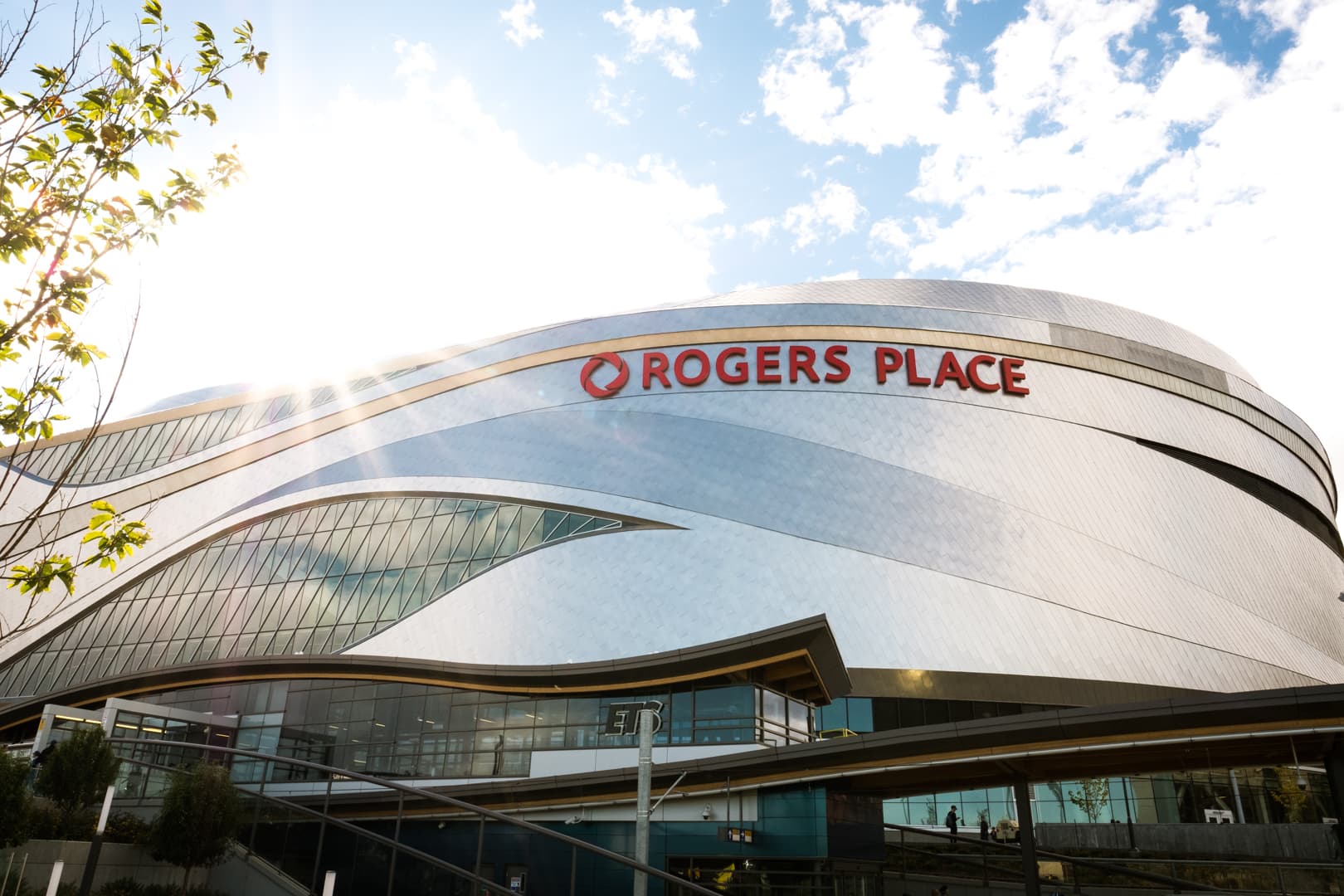
Montreal's early lead comes in a post-season in which three Canadian teams are competing for the Stanley Cup. The Edmonton Oilers opened their first-round series against the Anaheim Ducks with a 4-3 Game 1 win at Rogers Place. The Ottawa Senators, meanwhile, are trailing the Carolina Hurricanes 2-0 in their series after a double-overtime loss in Game 2 on April 21.
The Toronto Maple Leafs did not qualify for the 2026 playoffs, which means the attention of Canadian hockey fans is distributed across the three clubs that did reach the post-season. Broadcast ratings have been strong, and the playoff storylines emerging from Edmonton, Montreal and Ottawa have been generating significant interest across the country.
The geographic distribution of the three clubs means that fans in different regions are able to watch games in their local markets. Montreal's games draw strong audiences across Quebec and in francophone communities nationally. Edmonton's games are followed closely across Alberta and the Prairies. Ottawa's games pull significant audiences in the national capital region. Together, the three clubs are carrying the Canadian playoff storyline into the broader early rounds.
Looking ahead in the series
Game 2 of the Canadiens-Lightning series is scheduled for April 21 at 7 p.m., with the Canadiens hosting the Lightning at the Bell Centre. Montreal will be looking to press its Game 1 advantage with another home win before the series shifts to Tampa for the middle games. The Lightning will be looking to even the series and steal home-ice advantage heading back to Florida.
The matchup is likely to continue to be a close one. Both teams have shown they can play competitive, structured hockey, and the combination of Montreal's younger energy with Tampa Bay's playoff experience should produce entertaining contests through the first round. The team that wins the small details, managing special teams, winning key faceoffs and limiting turnovers in the defensive zone, is likely to come out of the series on top.
Injury management and rest between games will matter as well. The Canadiens have been playing a style that demands significant physical effort, and staying healthy through the series is central to any deeper playoff run. Tampa Bay, for its part, has the experience of managing playoff fatigue and will be looking to maintain its structure through the grinding parts of the series.
What's next
Game 2 at the Bell Centre offers the Canadiens another opportunity to build their lead. A 2-0 series advantage would place significant pressure on the Lightning and would strengthen Montreal's position heading into the middle games in Tampa. A Tampa Bay win in Game 2 would even the series and reset the narrative heading into the middle portion of the matchup.
For Montreal, the playoff run is both a tangible athletic achievement and a meaningful cultural moment. The Canadiens' return to the post-season has generated significant interest across Quebec and among hockey fans nationally, and a deep playoff run would reinforce the trajectory of the club's rebuild. For Tampa Bay, the series is another chapter in an extended era of playoff relevance that has come to define the franchise.
Canadian hockey fans will have an opportunity to watch all three Canadian clubs through the opening rounds of the playoffs. The combination of Edmonton's early lead against Anaheim, Ottawa's struggles against Carolina and Montreal's promising start against Tampa Bay provides a full slate of Canadian playoff storylines that are likely to continue generating interest through the coming weeks.
Spotted an issue with this article?