Ontario Line Tunnelling Begins Under Downtown Toronto
Metrolinx has officially begun tunnel boring for the downtown section of the Ontario Line subway, marking a long-anticipated construction milestone on what is scheduled to become Toronto's next rapid transit backbone. The launch of tunnelling ceremonies at the Queen and Pape locations places the 15.6 kilometre, 15-station line on a schedule targeting revenue service in the early 2030s, and gives the Ford government a visible marker of progress on its signature transit project.
The Ontario Line is designed to run from the Ontario Science Centre in the northeast, through downtown Toronto and out to Exhibition in the southwest, adding a new grade-separated subway route that will relieve the Yonge-University line and expand rapid transit coverage in fast-growing east-end neighbourhoods. Once open, the line is projected to carry close to 400,000 riders a day, ranking it among the busiest new transit lines to open in any Canadian city in decades.
The tunnelling milestone matters because it moves the project from a long preparatory phase, during which consortia were selected, alignments were finalised and station sites were cleared, into the most tangible and publicly visible stage of construction. Residents along the alignment have been living with years of utility relocation, tree removal and property expropriation work, and the start of tunnelling marks the moment when the physical line itself begins to take shape.
What is being built
The Ontario Line is a 15.6-kilometre, fully grade-separated rapid transit line. It will include 15 stations and will run partly below ground and partly on elevated structure. The downtown core section, where tunnelling has now begun, runs under Queen Street and connects the Pape corridor on the east side through the financial district to the Exhibition grounds on the west.
The line uses driverless trains capable of closely spaced headways, with Metrolinx planning service intervals as short as 90 seconds during peak periods. The rolling stock is smaller than the trains used on the legacy Toronto Transit Commission subway lines but is designed to deliver equivalent passenger throughput through more frequent service. Platform-edge doors, full accessibility and integrated signalling are all part of the base design.
The downtown section is being delivered through a progressive public-private partnership involving a consortium of international and domestic contractors. Separate consortia are responsible for the south civil, north civil and systems packages. The rolling stock contract was awarded to a manufacturer with a long track record on driverless metro systems, and the order book for the first production units is now active.
Cost and schedule
The total budget for the Ontario Line has been pegged at roughly $27.2 billion, although Metrolinx has continued to face scrutiny over cost increases and the impact of inflation on the overall price tag. The Auditor General of Ontario has reviewed the project several times and has flagged concerns about contingency management, contract structure and public reporting of schedule risk.
The current revenue service target is the early 2030s, a timeline that has slipped from earlier commitments and that officials have described as realistic given the scale of the underground work. Tunnel boring typically proceeds at a pace that depends on ground conditions, and the downtown section in particular involves navigating under a dense concentration of existing utilities, basements and building foundations.
Metrolinx has said that the start of tunnel boring does not change the overall project schedule but does reduce the residual risk associated with the largest single engineering component. The station box construction, the systems integration and the extensive testing and commissioning period are all still ahead, and any of them can influence the eventual opening date.
Political stakes for the Ford government
For Premier Doug Ford's government, the Ontario Line is both a defining political commitment and a significant fiscal exposure. The Progressive Conservative government took over the project from the previous Liberal government's planning process and has made it a central element of its transit platform. Visible construction progress gives the government a story to tell about delivery, and the downtown tunnel boring launch is the most tangible such milestone to date.
The project's cost is large enough to move the provincial fiscal picture. Ontario has been carrying the construction obligation through a combination of federal contribution, provincial borrowing and long-term leveraging of the transit corridor's development value. The interaction between the federal and provincial financing streams has been a recurring subject of discussion between Queen's Park and Ottawa.
The city of Toronto has also been closely involved, particularly in relation to station design and development around stations. The city's transit agency, the Toronto Transit Commission, will not operate the Ontario Line directly but is working with Metrolinx on fare integration and on the physical connections between the Ontario Line and existing TTC stations.
Impact on residents
For residents along the alignment, the tunnel boring launch marks a new chapter in a multi-year disruption. Utility relocation, property acquisition and tree removal have been underway for years, and the coming phase of construction will involve significant logistical impact on the streets above the tunnel route. Metrolinx has committed to regular community updates and to mitigation measures at the worst-affected sites.
Businesses in the downtown core have raised concerns about the cumulative impact of Ontario Line construction, the Eglinton Crosstown LRT's final commissioning and a number of other infrastructure projects running in parallel. The business improvement areas have called for a coordinated support program to help businesses manage the pressure on foot traffic and delivery logistics during the peak construction period.
Riders who will eventually use the Ontario Line will see material changes in their commute times. Metrolinx has estimated that the new line will cut travel times by up to 30 minutes on certain east-west trips and will relieve crowding on the Yonge-University line, which has been operating at or above its design capacity for years. The operational benefits, however, will only materialise when the line enters full revenue service.
Regional significance
Beyond Toronto, the Ontario Line is part of a broader provincial push to modernise transit infrastructure in the Greater Toronto and Hamilton Area. Metrolinx is simultaneously advancing the Yonge North subway extension, the Scarborough subway extension and a series of GO rail expansions designed to deliver all-day, two-way service across the regional network.
The province has framed this transit package as essential to managing the population growth pressures that have driven housing prices up across the GTHA. Without significant additional transit capacity, officials have said, the region cannot accommodate projected population and employment growth without severe congestion and affordability consequences.
Federal support has been a component of the financing, although federal-provincial negotiations on transit funding have been at times contentious. The Carney government has said it will continue to support major urban transit projects that meet its selection criteria, and Ontario Line funding is expected to be renewed as specific spending phases reach their trigger points.
Construction risk
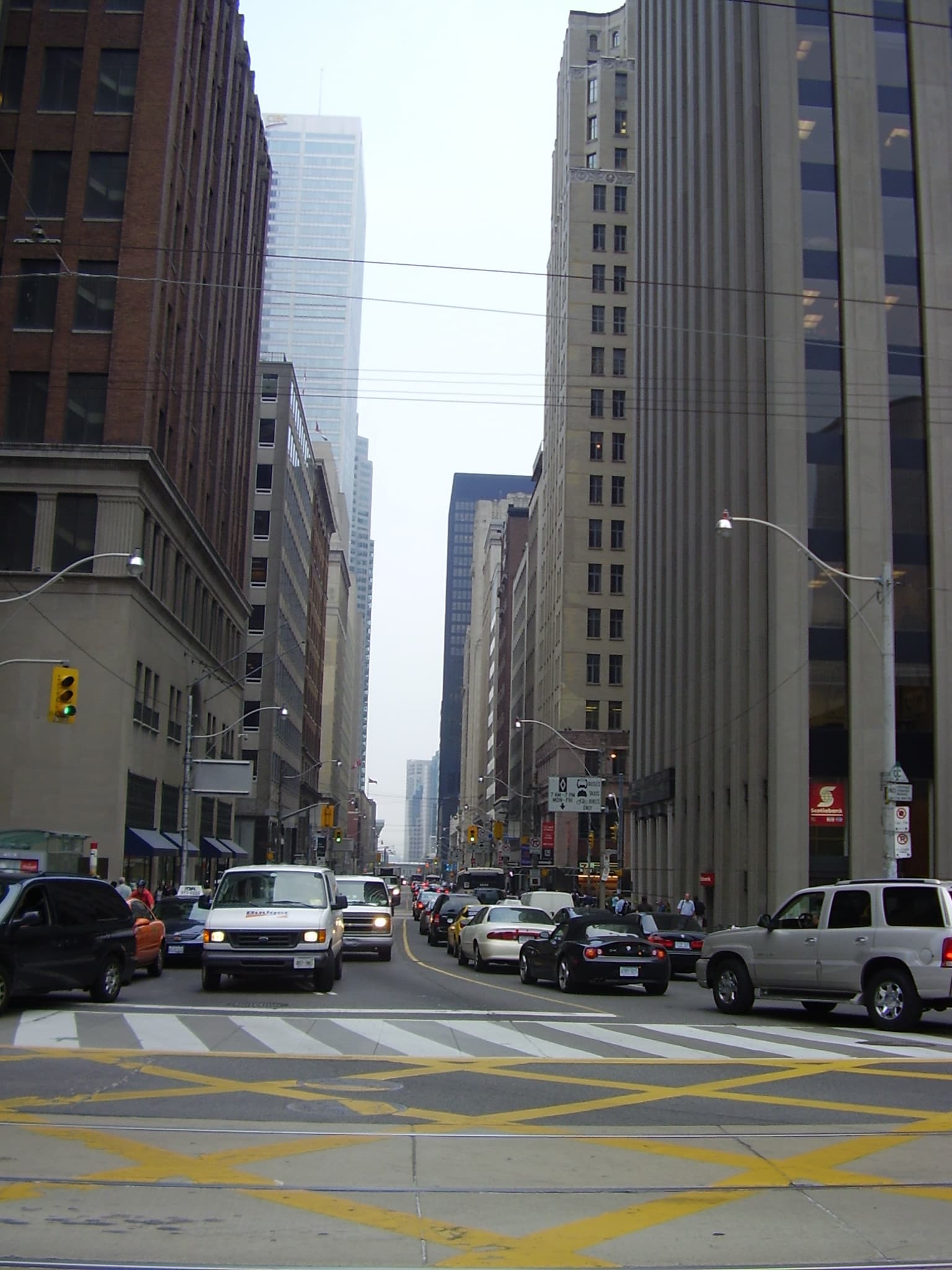
Tunnel boring in dense urban settings is among the most technically demanding forms of civil construction. Operators must navigate ground conditions that can vary significantly over short distances, avoid damage to existing utilities and buildings, and deliver the tunnel at the required alignment and grade. The downtown Toronto section passes under some of the city's most valuable real estate and its most sensitive infrastructure.
Engineers have said that the ground conditions along the alignment are broadly suitable for the tunnel boring machines that Metrolinx is deploying. The technology has been used successfully on subway projects around the world, and the consortia delivering the Ontario Line have extensive experience with similar ground. But every project has its specific risks, and contingency plans cover a range of possible outcomes, from minor settlement to the need for additional ground treatment.
The Auditor General of Ontario has highlighted contingency management as an area of concern. Reviews have argued that the province must ensure that contingency reserves are large enough to absorb the kind of surprises that commonly appear on underground projects, and that contracts are structured to allocate risk between the public and private sectors in a manner that reflects the actual capacity to manage each class of risk.
Housing and land use
The Ontario Line will reshape land use around its 15 stations. The province has signalled that significant density will be allowed and encouraged around each station, with Metrolinx coordinating station design with the development plans of the city and of private owners. Transit-oriented development is expected to add tens of thousands of housing units along the corridor in the coming decades.
The city has committed to zoning reforms that would allow mid-rise and high-rise development around Ontario Line stations, and developers are already moving forward on proposals for several sites. The pace of new housing delivery along the corridor will depend on a combination of zoning, financing conditions and construction cost trends.
For the city's long-term housing strategy, the Ontario Line represents one of the most significant transit-linked opportunities to expand housing supply close to employment centres. Whether that potential is fully realised will depend on how effectively the various levels of government coordinate land use and transit delivery over the next decade.
What's next
Tunnel boring at the two launch sites will proceed over the coming months, with additional segments to follow as the project progresses. Station box excavation is underway at several sites, and above-ground works on the northern and southern segments continue in parallel. Metrolinx is expected to deliver an updated public progress report at the end of the current quarter.
The Ford government will continue to use the Ontario Line as a centrepiece of its transit messaging, and the province's spring fiscal update is expected to reaffirm the commitment to the project. The federal government's own transit funding decisions will be material to the pace of delivery, and discussions between the two orders of government are likely to continue through the spring.
For Toronto residents, the tunnel boring launch is a tangible indicator that the longest and most complex phase of the project is now actively underway. The line is still years away from carrying riders, but the machinery now operating beneath the downtown streets is the clearest sign yet that the Ontario Line has moved from planning into construction at scale.
Spotted an issue with this article?