Canadian Woman Killed in Teotihuacán Shooting as Carney Offers Condolences
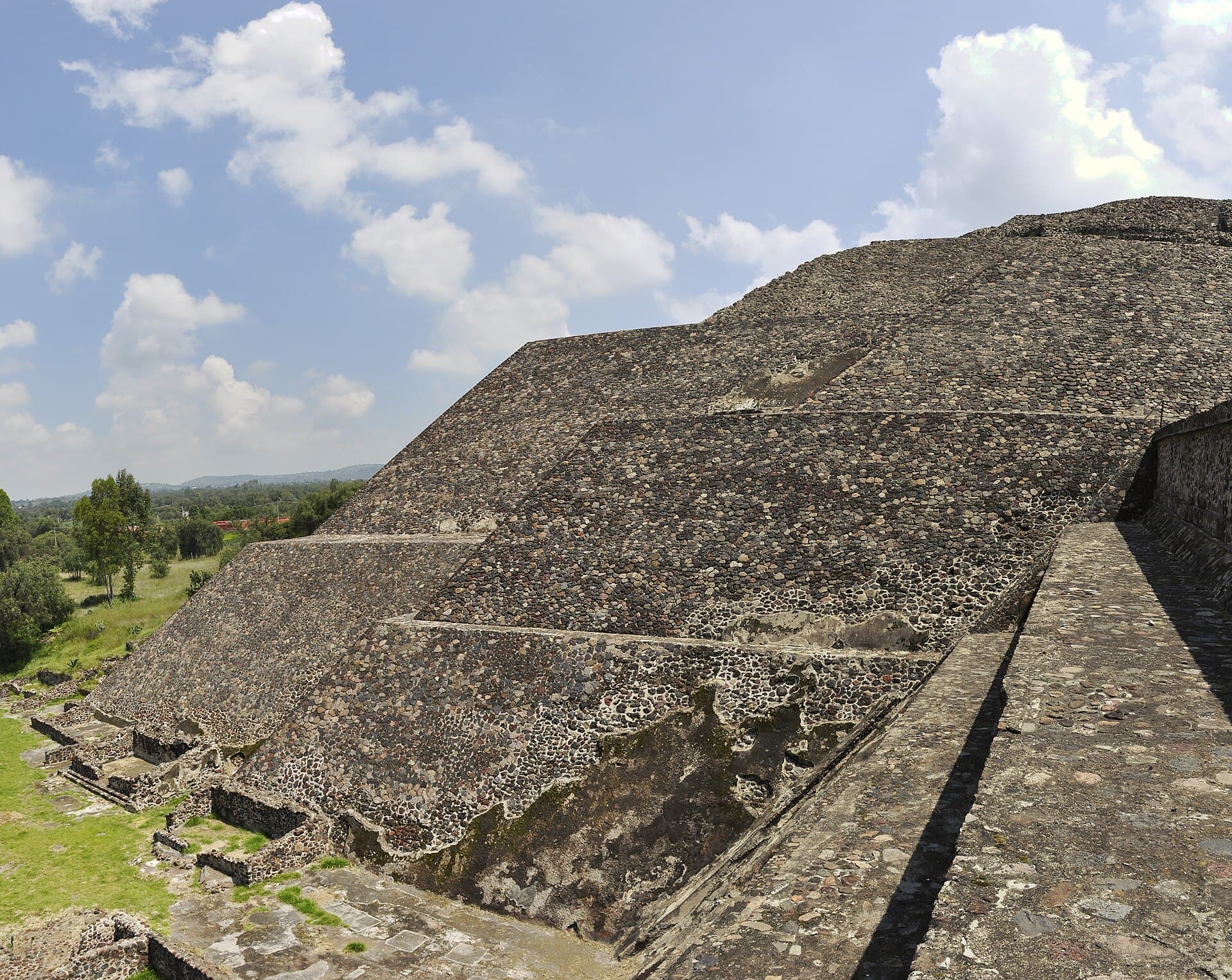
A Canadian woman was killed and another Canadian was wounded in a shooting at the Teotihuacán archaeological site outside Mexico City on Monday, an attack that Mexican authorities say was carried out by a lone gunman who opened fire from atop the Pyramid of the Moon before taking his own life. Thirteen other tourists were injured, including six Americans, three Colombians, two Brazilians and one Russian citizen.
Prime Minister Mark Carney expressed condolences to the family of the Canadian woman killed in comments on Tuesday, calling the attack horrible and offering support through Global Affairs Canada. The minister of foreign affairs, Anita Anand, confirmed that consular officials are in contact with the families of both Canadians and are coordinating with Mexican authorities on the investigation and on the return of remains.
The attack, which took place on the 27th anniversary of the Columbine High School shooting in Colorado, has shaken one of Mexico's most visited heritage sites. It has also raised familiar concerns for Canadian travellers, thousands of whom visit central Mexico every year during the spring.
What happened at Teotihuacán
According to Mexican authorities and the U.S. Embassy in Mexico, the gunman identified as 27-year-old Julio César Jasso Ramírez climbed to the top of the Pyramid of the Moon and began firing at tourists below with a firearm. He then took his own life. Investigators later found a backpack containing ammunition, a bladed weapon, handwritten notes and images referring to violent incidents in the United States in April 1999.
The 32-year-old Canadian woman, whose name has not been released publicly by Canadian officials out of respect for her family, was the only fatality among the victims. Another Canadian was among the wounded. The other injured tourists have been receiving treatment at hospitals in the State of Mexico.
Teotihuacán, a UNESCO World Heritage Site roughly 50 kilometres northeast of Mexico City, receives several million visitors each year. The site's Pyramid of the Sun and Pyramid of the Moon are open to visitors, and the complex is one of the most recognisable tourist destinations in Mexico.
Canadian response
Carney's remarks on Tuesday emphasised grief and solidarity. A statement from the Prime Minister's Office said the Government of Canada is working closely with Mexican authorities and offered assistance where needed. Global Affairs Canada has activated consular support protocols, including family liaison officers for the victims' relatives.
Anand has said that the Canadian High Commission in Mexico City is in contact with the wounded Canadian and with the families of the victims. Officials have not confirmed details about residential location in Canada for the deceased or for the injured. The Canadian Red Cross has offered support services in coordination with consular authorities.
The federal government has also updated its travel advisories for Mexico, though it has not raised the overall level of caution. Global Affairs Canada continues to recommend that Canadians exercise a high degree of caution in Mexico due to high levels of violence in some regions, but has not issued a specific warning about the Teotihuacán area.
Mexican authorities investigate
The Attorney General's Office for the State of Mexico is leading the investigation. Authorities have said the attack appears to have been an isolated incident by a single perpetrator rather than the work of a criminal organisation. The attacker's backpack contained material referencing high-profile U.S. mass shootings, though officials have declined to speculate on motive until the investigation is complete.
Security at major archaeological sites in Mexico generally includes a visible police presence and metal detectors at entrances. Mexican officials have said they will review security procedures at Teotihuacán and at other high-traffic heritage sites in the wake of the attack.
The National Institute of Anthropology and History, which manages Teotihuacán, temporarily closed the site after the shooting. Officials have not specified when it will reopen, though tourism industry groups have urged a cautious but swift return to normal operations.
Diplomatic dimensions
Mexico has a long-standing consular relationship with Canada, and the two countries are partners in the Canada-United States-Mexico trade agreement as well as multilateral forums. A major incident affecting Canadian tourists typically prompts coordinated consular work, sometimes paired with high-level ministerial communication.
Canadian officials have emphasised the collaborative tone with Mexican authorities. Anand has thanked Mexican agencies for rapid response and for information-sharing. At the same time, Ottawa has made clear that it will seek a full account of the investigation's findings and will support any measures that improve tourist safety.
The incident will likely be raised in scheduled bilateral conversations in the coming weeks. Mexico's foreign ministry has issued a statement expressing regret and offering its own condolences to the Canadian government and people.
Canadian travel to Mexico
Mexico is one of the most popular destinations for Canadian travellers, with more than two million visits every year. The country's beach resorts on the Caribbean and Pacific coasts are especially popular during the winter months, and archaeological and cultural tourism to central Mexico is strong year-round.
Canadian travellers generally experience trips to Mexico without incident, but the U.S. and Canadian governments periodically issue advisories about specific regions where organised crime is active. The State of Mexico, which surrounds Mexico City, has generally been rated as requiring ordinary precautions.
Travel advisory specialists have noted that a single high-profile incident tends to cause short-term dips in tourism activity, followed by a gradual return as the story recedes. The attack at Teotihuacán is unusual in that it occurred at a tourist site rather than in a region known for cartel-related violence.
The broader pattern
Lone-actor attacks at public sites remain rare in Mexico compared to in the United States, but they are not unprecedented. Mexican authorities have said they will review the attacker's digital footprint, his acquaintance networks and his mental-health history as part of the investigation.
The anniversary of the Columbine shooting has been used as a reference point in the radicalisation of multiple lone attackers around the world, and mental-health researchers have warned for years that copycat effects are a significant concern for mass-shooting events. The Teotihuacán backpack's material, according to officials cited by multiple news outlets, reflects that pattern.
International security specialists have argued that managing the online ecosystem around mass-shooting material is a necessary companion to physical security at public sites. Canada, the United States and Mexico have been cooperating through multilateral efforts to address the issue, though results have been incremental.
Tourism industry response
The Mexican tourism industry has been emphasising the overall safety of the country's archaeological and cultural attractions while expressing condolences for the victims. Industry associations have urged caution against generalising from a single incident, pointing to millions of visits each year that occur without incident.
Canadian tour operators have reviewed bookings and advised travellers who had planned visits to Teotihuacán. Some operators have offered itinerary adjustments to alternative cultural sites in central Mexico, and refund or rebooking policies have been applied flexibly in the days following the attack.
Airlines operating between Canada and Mexico have not announced service changes in response to the shooting. Passenger traffic between the two countries is expected to continue at typical spring volumes, with customers monitoring travel advisories and adjusting individual plans as appropriate.
Support for the families
The Canadian Red Cross and provincial victim services agencies are expected to provide support to the families of the deceased and the injured Canadian. Consular officials can provide logistical assistance, including help with travel to Mexico, communications with Mexican authorities and guidance on arranging the return of remains.
Canadians who know or suspect that a relative was affected by the attack can contact Global Affairs Canada's 24-hour emergency line. The department has activated its standard crisis protocols for overseas incidents involving Canadian citizens.
Community supports for grieving families, including religious, cultural and mental-health services, are being coordinated through municipal and provincial health systems in the home communities of the victims. Privacy considerations have limited public statements about those communities so far.
Heritage and security at major sites
UNESCO World Heritage Sites are a category of properties recognised for their outstanding universal value. Teotihuacán was inscribed in 1987 and is one of the most visited archaeological sites in the Americas. Security and preservation at such sites balances public access with the preservation of irreplaceable cultural heritage.
Mexican authorities have historically emphasised visible security at major heritage sites, including Chichen Itza, Palenque and Monte Albán, with a mix of tourist police, metal detectors and surveillance cameras. An attack of Monday's nature was not anticipated by existing protocols, which are primarily oriented toward preventing pickpocketing, vandalism and unauthorised commercial activity.
International best practices for heritage site security typically include perimeter control, behavioural observation and coordinated response protocols with local law enforcement. The Teotihuacán attack is likely to prompt a review of those protocols, though any significant infrastructure changes at protected heritage sites must be reviewed for cultural impact.
Consular resources for Canadians abroad
Global Affairs Canada operates a network of embassies, high commissions and consulates across the world, supporting Canadian citizens in emergencies. The Registration of Canadians Abroad service allows travellers to provide contact information to consular officials, enabling targeted communication in the event of crises or natural disasters.
The department's 24-hour Emergency Watch and Response Centre in Ottawa coordinates support during international incidents. Consular services include assistance with legal issues, medical emergencies, family notifications and, when needed, the repatriation of deceased Canadians. Those services are available to all Canadian citizens and to permanent residents in certain circumstances.
Canadians travelling abroad are encouraged to maintain comprehensive travel insurance, including repatriation coverage, and to share itineraries with family members. Registering with Global Affairs Canada and following official travel advisories are practical steps that can provide a measure of protection during unexpected international incidents.
What's next
The Mexican investigation is expected to continue for several weeks. Canadian officials have said they will maintain contact with Mexican authorities and will provide updates to families as information becomes available. The Prime Minister's Office has indicated that Canada will continue to work with Mexico on tourist safety issues.
For Canadian travellers planning trips to central Mexico, federal advisories remain in effect but have not been tightened as a result of Monday's attack. Travel industry groups have urged travellers to follow standard precautions, to register with Global Affairs Canada's Registration of Canadians Abroad service and to consult consular resources in the event of emergencies.
Teotihuacán has drawn visitors for more than a century, including generations of Canadian families who have travelled there for its cultural and historical significance. Monday's attack will not erase that draw, but it has left an unmistakable scar on a site whose name, in the Aztec language, translates as the place where gods were created.
Spotted an issue with this article?