Fréchette Unveils Quebec Cabinet, Handing Economy to Drainville Ahead of Fall Vote
Newly sworn in Quebec Premier Christine Fréchette unveiled her first cabinet on Tuesday, opting for continuity over upheaval as she steers the Coalition Avenir Québec into an October 5 provincial election. The 29-member team keeps more than a third of former premier François Legault's ministers in their existing portfolios and hands the economy, innovation and energy file to Bernard Drainville, Fréchette's main rival in the recent CAQ leadership contest.
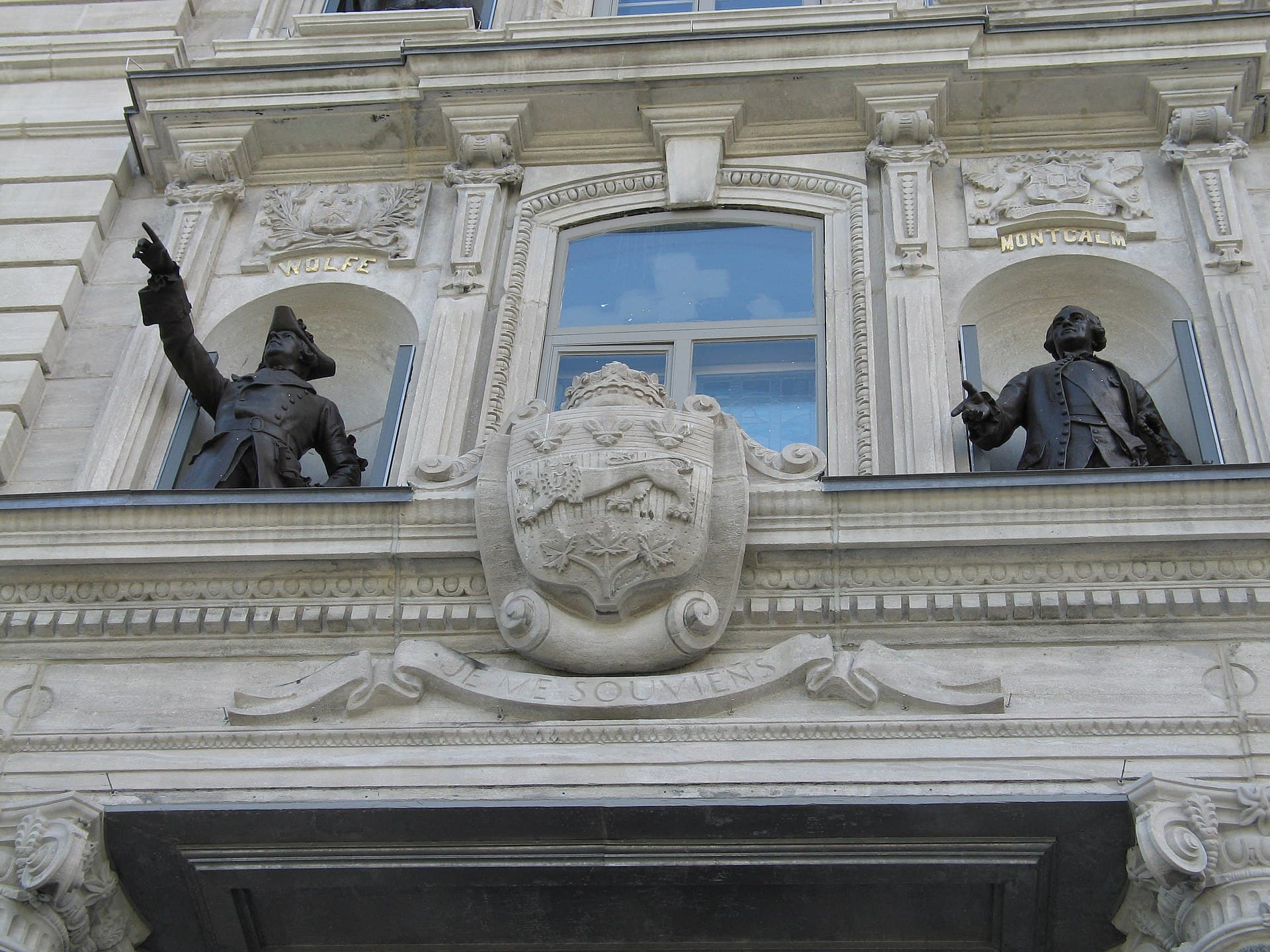
The cabinet reveal, held at the National Assembly in Quebec City less than a week after Fréchette's swearing-in on April 15, is her first major opportunity to put a personal stamp on a government she inherited midway through a mandate. With polls showing the CAQ trailing the Parti Québécois, Fréchette is betting that stability, not reinvention, will give her caucus the best chance of holding on to power.
At 55, Fréchette is the first woman to lead Quebec in a non-interim role. She served in Legault's government for nearly four years as immigration minister and later as minister for the economy, innovation and energy, the portfolio she is now entrusting to Drainville.
What was announced
Fréchette retained most of the senior CAQ figures who defined Legault's second mandate, including finance minister Eric Girard and deputy premier Geneviève Guilbault. According to a statement from the Premier's Office, 25 of the 29 ministers served in the previous cabinet, with four new faces joining the front bench.
Among the newcomers is Mathieu Lévesque, who takes on a newly created portfolio as minister responsible for the regions, a file designed to respond to complaints from outside Montreal and Quebec City that the CAQ has neglected rural priorities during a wave of population and housing growth in the capital region.
Drainville's elevation to the economy, innovation and energy ministry is the most politically significant move. The former broadcaster and Parti Québécois cabinet minister joined the CAQ in 2022 and ran a spirited leadership campaign against Fréchette earlier this spring. Placing him in charge of Quebec's economic strategy is both a gesture of reconciliation and a signal that the new premier wants an assertive voice advocating for Quebec industry in Ottawa and abroad.
The political context
Legault resigned as CAQ leader in March after more than a year of weak poll numbers, triggering a rapid leadership race that Fréchette won on April 11. She was sworn in as premier four days later. The CAQ is scheduled to face voters on October 5, which gives Fréchette roughly five and a half months to rebuild the party's standing.
Polls published in the Quebec press over the last several weeks have consistently placed the Parti Québécois, led by Paul St-Pierre Plamondon, ahead of the CAQ on voter intention. The Liberal Party and Québec solidaire remain competitive in Montreal and among younger voters. In that environment, Fréchette's decision to keep most of Legault's front bench reflects a practical calculation: rookie ministers are a liability during an election campaign, and experienced ones can hit the ground running on contentious files.
The premier has pledged a raft of relief measures to be unveiled in the coming days, according to her office, focused on affordability and household budgets. The details of those promises will almost certainly define the opening stretch of the pre-election period.
Meeting with Carney in Ottawa
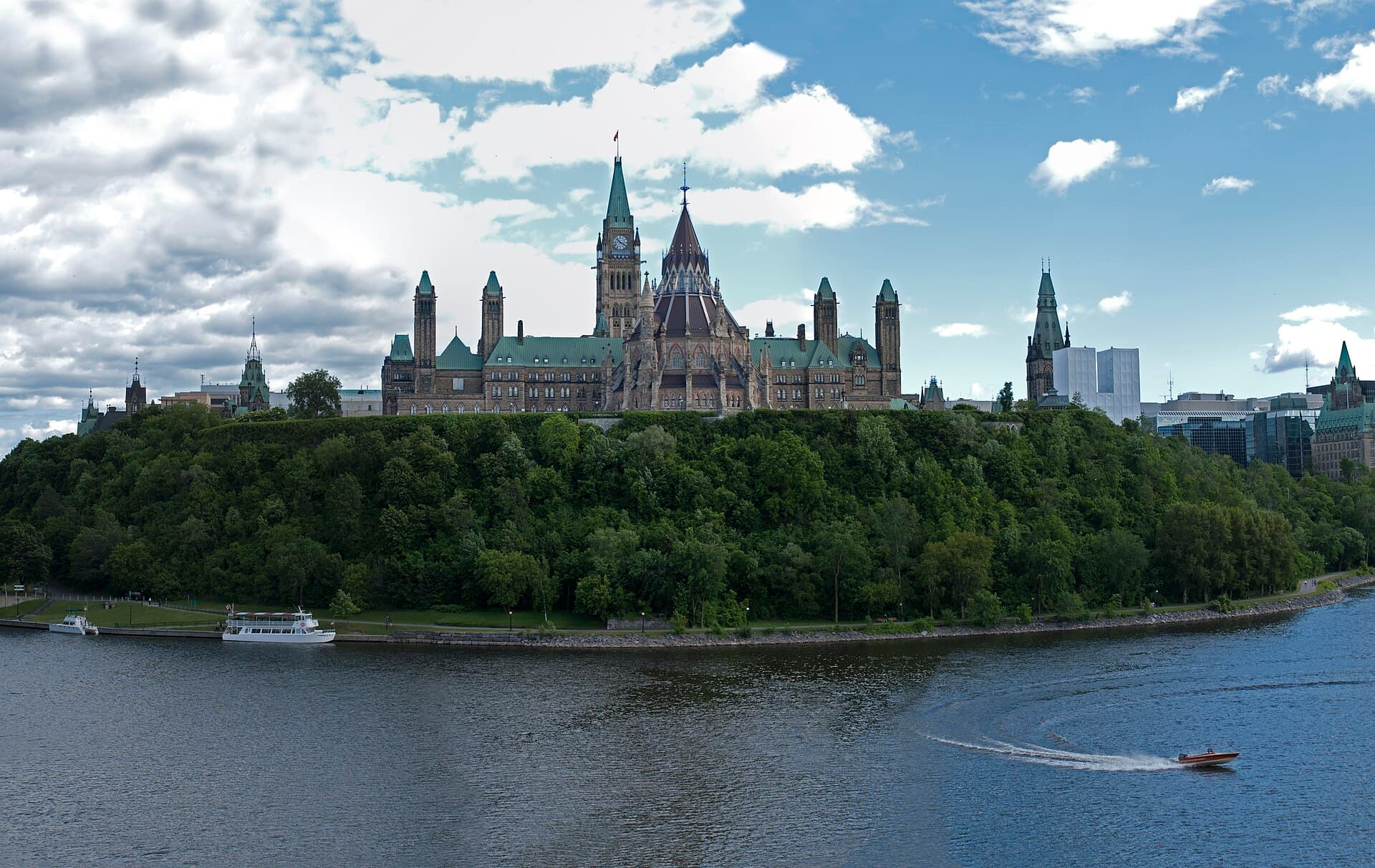
Less than 48 hours after her swearing-in, Fréchette travelled to Ottawa to meet Prime Minister Mark Carney. The meeting touched on immigration, housing and major infrastructure projects, according to a statement from Carney's office, and represented the first face-to-face encounter between the two leaders since she assumed office.
Immigration remains one of the thorniest files between Quebec City and Ottawa. Quebec has pushed for full control over the selection of economic immigrants and has criticised federal targets as too high for the province's absorption capacity. Fréchette, as a former immigration minister, carries detailed knowledge of the file into the premiership.
On housing, the federal and Ontario governments announced a separate $8.8 billion development charges agreement earlier this spring, and Quebec has indicated it wants a comparable package tailored to its own municipal financing framework. The meeting with Carney produced no formal announcement, but officials on both sides described the tone as constructive.
Reaction from opposition parties
The Parti Québécois has framed the cabinet shuffle as cosmetic, arguing that the same personnel responsible for the CAQ's unpopular handling of health and housing remain in place. St-Pierre Plamondon has said his party intends to campaign on a promise of a referendum on Quebec independence during the next mandate, a message that has energised sovereigntist voters but also polarised the electorate.
Quebec Liberal leader Marc Tanguay welcomed Fréchette's inclusion of Drainville but argued that the CAQ has run out of ideas. The Liberals have been rebuilding across Montreal's Island and have targeted suburban ridings where the CAQ won narrow victories in 2022. Québec solidaire, which draws much of its support from younger and progressive voters, criticised the absence of specific environmental commitments in the cabinet rollout.
Business groups, by contrast, were broadly positive. The Fédération des chambres de commerce du Québec said that Drainville's appointment signals an intent to prioritise economic growth and investment attraction, though it also called for a clearer plan on productivity and workforce training.
What it means for Quebecers
For ordinary Quebecers, the immediate impact of the cabinet is limited. Existing programs, including health reform and infrastructure spending, will continue under largely the same ministers who launched them. The sharper changes will come in the coming weeks, as Fréchette rolls out her affordability package and decides how aggressively to spend against the province's fiscal constraints.
Quebec faces a sizable deficit and slower economic growth projections, driven in part by American tariffs that are hitting the province's aluminum, aerospace and forestry sectors. Drainville will inherit those pressures along with responsibility for Hydro-Québec's expansion plans, a file that Legault had personally championed.
For voters in regions outside the Montreal and Quebec City metropolitan areas, Lévesque's new portfolio is the most concrete gesture in the cabinet reveal. How much authority and budget the new regional affairs ministry will actually wield remains to be defined.
Quebec's linguistic and cultural priorities
French-language protection remains at the centre of Quebec political debate, and Fréchette's cabinet includes continuity on that file. Bill 96, adopted under the Legault government, continues to reshape language requirements in workplaces, government services and post-secondary education. The provincial government's handling of Bill 96's implementation has drawn both support and criticism from different parts of Quebec society.
Cultural policy, including support for Quebec arts, cinema and music, has been a second defining file. Provincial funding for cultural institutions and international promotion of Quebec artists plays a significant role in the province's identity and economic diversity. Simon Jolin-Barrette, retained in cabinet under Fréchette, continues to influence debates on language and culture.
How Fréchette balances continuity on these files with a post-Legault identity of her own will be watched carefully. Quebec voters are attuned to signals about whether the CAQ is genuinely renewing itself or merely rearranging familiar faces.
The CAQ's electoral math
To win re-election, the CAQ must hold on to seats in suburbs around Montreal and Quebec City, the Mauricie and the Chaudière-Appalaches region, many of which were won with slim margins in 2022. Fréchette's personal brand in Montreal's east end may help retain francophone suburban ridings, but she will need to introduce herself to voters outside her home base quickly.
The CAQ has also lost considerable political capital on immigration, housing affordability and the long-running dispute with teachers and nurses over wages and working conditions. Fréchette will be tested on whether her cabinet can credibly promise a different approach after years of CAQ governance.
Political observers in Quebec City note that the premier has deliberately preserved a tight inner circle of Legault loyalists. That continuity may reassure the party base, but it leaves fewer opportunities to signal a break with an increasingly unpopular incumbent brand.
Quebec's relationship with Ottawa
Quebec's relationship with the federal government is always a managed balance, and the Fréchette cabinet's composition reflects that reality. Drainville, in his new economic portfolio, will lead provincial negotiations on industrial supports that touch on federal programs in aerospace, aluminum and clean energy. Quebec's position on those files will influence how quickly Ottawa can finalise the Canadian response to American tariffs.
The Premier's early meeting with Carney signalled a willingness to cooperate pragmatically even while the CAQ maintains its traditional skepticism toward federal overreach. A memorandum of understanding on housing, similar in structure to the Ontario deal announced earlier this spring, would be a significant political win for both governments.
Immigration remains the single most contentious file. Quebec has long argued for greater autonomy in selecting economic immigrants, and Fréchette's own background as a former immigration minister gives her detailed knowledge of the numbers and institutional processes at stake. Ottawa has signalled willingness to discuss specific adjustments, though a sweeping transfer of authority remains unlikely in the current Parliament.
Women leaders in Quebec politics
Fréchette's position as the first woman to serve as Quebec premier in a non-interim role has historical significance. Pauline Marois served as premier between 2012 and 2014, but no woman has led a Quebec majority government since then. Her elevation follows a broader, if uneven, trend of increased representation for women in Canadian premierships.
Advocacy organisations for women in politics have welcomed Fréchette's elevation while noting that one appointment does not resolve broader structural challenges. Quebec's record on female representation in cabinet and the legislature has been relatively strong compared to some provinces, though there is still work to expand representation in senior political, public service and municipal roles.
How Fréchette's personal experience as a woman leader shapes policy priorities is not yet clear. Observers in Quebec will watch for signals on files including child care, workplace protections and the representation of women in economic decision-making.
What's next
Fréchette's government will return to the National Assembly later this week. The premier is expected to deliver an inaugural speech laying out her legislative priorities before the chamber rises for the summer. Observers will be watching for concrete measures on affordability, French language protections and relations with Ottawa, three files where the CAQ has historically drawn strong support.
The fall campaign will begin effectively once the legislature rises. Fréchette's relationship with Drainville will be tested on the hustings. If the pair can project a united front, the CAQ's prospects improve; if leadership-race tensions resurface, the Parti Québécois stands ready to capitalise.
For Canadians outside Quebec, the cabinet reveal is a reminder that the country's second most populous province is entering a politically volatile phase. Whoever wins on October 5 will shape debates on language, immigration and federalism well into the next Parliament in Ottawa.
Spotted an issue with this article?