Smith Concedes Alberta-Ottawa Pipeline Deadlines Slipping as Carbon Pricing Talks Drag
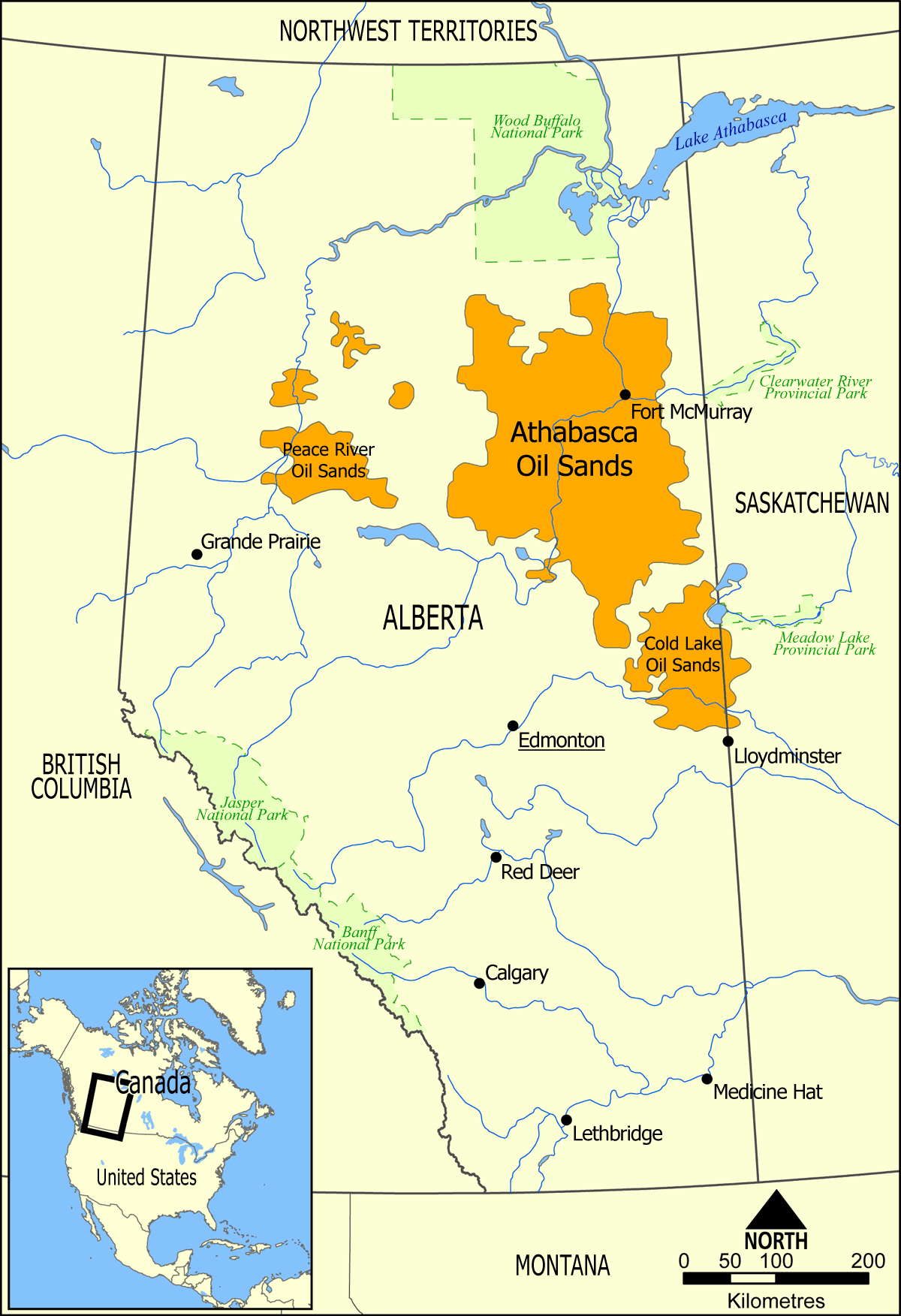
Alberta Premier Danielle Smith has acknowledged that two early deadlines in her landmark energy memorandum of understanding with Prime Minister Mark Carney will be missed, slowing momentum on a high-profile plan to build a new bitumen pipeline connecting northern Alberta to British Columbia tidewater. Smith's comments come as her office pushes to finalise a carbon pricing framework and a second agreement with the Oil Sands Alliance, formerly the Pathways Alliance, within the next several weeks.
The November 2025 memorandum set out a sequenced list of commitments the federal and Alberta governments would complete before a new pipeline could be approved. An April 1 target had been established for four key arrangements. Ottawa and Edmonton have announced agreements in principle on two of the four, covering methane emissions and project assessment processes, but a final carbon pricing system and the Oil Sands Alliance agreement remain outstanding.
The slippage is not fatal to the broader project, but it is a concrete test of whether the government-to-government choreography necessary to build major energy infrastructure in Canada can actually hold. Smith has set a July 1 deadline for her own government to submit a pipeline plan to Ottawa's major projects office.
What was announced
Smith told reporters earlier this month that the carbon pricing deal could be wrapped up within a matter of days, according to the Canadian Press, with the Oil Sands Alliance agreement to follow before the end of April. Alberta officials have not released detailed terms, but both sides have consistently described the talks as constructive even when deadlines have not been met.
The November memorandum itself is narrow in scope but ambitious in ambition. It commits Alberta and Ottawa to cooperate on an emissions framework, project assessment timelines, carbon pricing alignment between the province and the federal industrial carbon system, and a deal with the oil sands producers organised under the Oil Sands Alliance to reduce emissions per barrel.
Carney has publicly argued that reducing oil sands emissions is a necessary condition of any new bitumen pipeline. The pricing and Alliance agreements are meant to provide the policy architecture for that reduction, so that a new pipeline does not simply expand production of high-emission bitumen without offsetting environmental measures.
Why the deadlines slipped
Officials close to the talks have pointed to two sources of friction. The first is technical: designing a carbon pricing framework that satisfies both federal backstop rules and Alberta's industrial carbon system requires fine-grained decisions about benchmarks, credits and treatment of trade-exposed sectors.
The second is political. Smith's United Conservative government has spent years pushing back against federal carbon pricing as a matter of principle, and any explicit alignment with Ottawa's industrial pricing system can draw criticism from her own caucus and supporters. The premier has framed the current deal as practical rather than ideological, emphasising Alberta's interest in getting pipeline approvals rather than a broader embrace of federal climate policy.
Oil sands producers have signalled general support for the direction of travel, but they have also resisted specific emissions targets that could force large capital commitments without clearer returns. The Oil Sands Alliance, which groups Canadian Natural Resources, Cenovus, Imperial Oil, MEG Energy, Suncor and ConocoPhillips, has spent years refining proposals for large-scale carbon capture and storage and other emissions-reduction technologies.
The pipeline at the centre of the dispute
The pipeline under discussion would carry diluted bitumen from Alberta to a west-coast export terminal, potentially tripling or more current west-coast export capacity and opening new markets in Asia. Smith has previously said five possible west-coast ports are in the running, though the final route and terminal location remain to be determined.
Supporters argue the pipeline is a strategic necessity, particularly as U.S. tariffs and protectionist rhetoric complicate Canadian exports to the American market. Diversifying Canadian oil customers is a direct response to the broader trade diversification message Carney has been pushing since returning from Beijing earlier this year.
Opponents, including some First Nations along potential routes and environmental advocates, warn that any major new bitumen pipeline is incompatible with Canada's climate commitments. British Columbia's provincial government has been cautious, particularly in the context of Indigenous consultation requirements under the province's Declaration on the Rights of Indigenous Peoples Act. Premier David Eby's government announced earlier this month that it will work with First Nations to co-develop a new implementation plan for DRIPA, which could shape how any new pipeline is assessed.
Reaction from opposition and industry
Alberta's NDP opposition, led by Naheed Nenshi, has criticised Smith's management of the file, arguing that the missed deadlines reflect weak negotiating preparation rather than inevitable complexity. The party has called for clearer public reporting on the status of each deliverable in the memorandum.
Federal Conservative critics have said the pipeline is being held hostage by Ottawa's environmental conditions and have called for streamlined approvals. Liberal ministers counter that the conditions are what make political acceptance of the project possible across the country, not a barrier to it.
Industry groups, including the Canadian Association of Petroleum Producers, have urged both sides to finalise the remaining agreements without letting symbolic disputes block substantive progress. The group has long argued that pipeline approvals are critical to the competitiveness of Canadian oil in global markets.
What it means for Canadians
For Albertans, the memorandum represents a test of whether the province's resource sector can secure the market access it has long demanded. Jobs in oilfield services, construction and ongoing operations are tied to the pipeline's trajectory. The provincial treasury, which depends heavily on royalties, also benefits from every additional barrel that can be sold at world prices rather than at the North American discount Alberta oil typically trades at.
For British Columbians, the pipeline raises familiar trade-offs. Economic benefits from construction and terminal operations must be weighed against concerns about tanker traffic, coastal ecosystems and Indigenous rights. The DRIPA co-development process will shape how those conversations unfold over the coming months.
Nationally, the pipeline question is also a test of whether Canada can build large projects in the current era of trade and political uncertainty. Carney has made infrastructure delivery a central theme of his government's message, and a failure to finalise the Alberta deal would undercut that message.
The role of Indigenous participation
Indigenous participation in major resource projects has become a central element of how Canadian pipeline decisions are made. The Haisla Nation's role in the LNG Canada project, and the participation of other First Nations and Métis communities in energy infrastructure, has demonstrated that Indigenous-led equity participation can be a pathway to both project viability and long-term economic benefits.
Any new bitumen pipeline would need to engage with First Nations along its route, potentially including equity participation, impact-benefit agreements and co-management arrangements. Smith has previously said she expects Indigenous economic participation to be a cornerstone of the project, and federal officials have emphasised the importance of a consent-based approach.
The Indigenous-led Alliance on Indigenous Ownership and Clean Energy has also been advocating for First Nations and Métis ownership in major energy projects. Whether the Alberta-Ottawa framework accommodates that level of participation will be a significant test of how reconciliation principles translate into infrastructure decisions.
The carbon pricing piece
The carbon pricing framework is particularly sensitive because it touches on both provincial autonomy and Ottawa's legal authority. Alberta operates an industrial carbon pricing system known as TIER, which covers heavy emitters in the province. Ottawa's federal backstop applies to provinces that do not have equivalent systems.
The goal of the current talks is to ensure that Alberta's TIER system continues to be recognised as meeting federal standards while introducing adjustments that can support emissions reductions from new oil sands projects. The technical negotiations involve benchmarks per barrel, treatment of emissions credits and the way that carbon capture and storage investments are counted.
If the pricing framework is finalised, it would clear one of the most politically loaded hurdles for the pipeline. If it stalls, the pipeline timeline stretches further, and Carney's government faces the difficult question of whether to proceed without a full suite of environmental commitments in place.
Labour and regional economies
Alberta's resource sector employs hundreds of thousands of workers directly and indirectly, with communities like Fort McMurray, Cold Lake, Grande Prairie and Lethbridge tied closely to the fortunes of oil and gas investment. Delays in pipeline approvals ripple through those communities through deferred hiring, slower capital spending and reduced overtime hours.
Building trades unions, particularly the Building Trades of Alberta, have been supportive of new pipeline construction, pointing to the thousands of skilled-trades jobs generated during the construction phase. Union leadership has urged both governments to finalise the outstanding agreements quickly so that project planning and workforce scheduling can proceed.
British Columbia communities along any potential pipeline route face a different calculus. Construction jobs are welcomed in many parts of northern British Columbia, but coastal communities and First Nations have expressed more skepticism, particularly where marine traffic and terminal siting are concerned. How those trade-offs are handled will shape political dynamics in both provinces.
What's next
Smith has indicated she expects to finalise the carbon pricing deal within days. The Oil Sands Alliance agreement is targeted for completion before the end of April. If those milestones are hit, Alberta can proceed with assembling the formal application package for submission to Ottawa's major projects office by July 1.
The federal Spring Economic Update, scheduled for April 28, may signal how Ottawa expects to support pipeline-enabling infrastructure including carbon capture and storage networks and port upgrades. That statement will also give markets a clearer picture of how the Liberal government is balancing resource policy with its climate commitments.
For Canadians outside Alberta, the pipeline saga is a reminder that big infrastructure decisions in 2026 are inseparable from the broader debate over trade diversification, climate policy and the country's relationship with Indigenous peoples. The missed April 1 deadlines are not, by themselves, decisive. But they are a warning that even cooperatively negotiated projects can move more slowly than their political sponsors hope.
Spotted an issue with this article?