Montreal blue-collar workers end three-day strike over wages and outsourcing

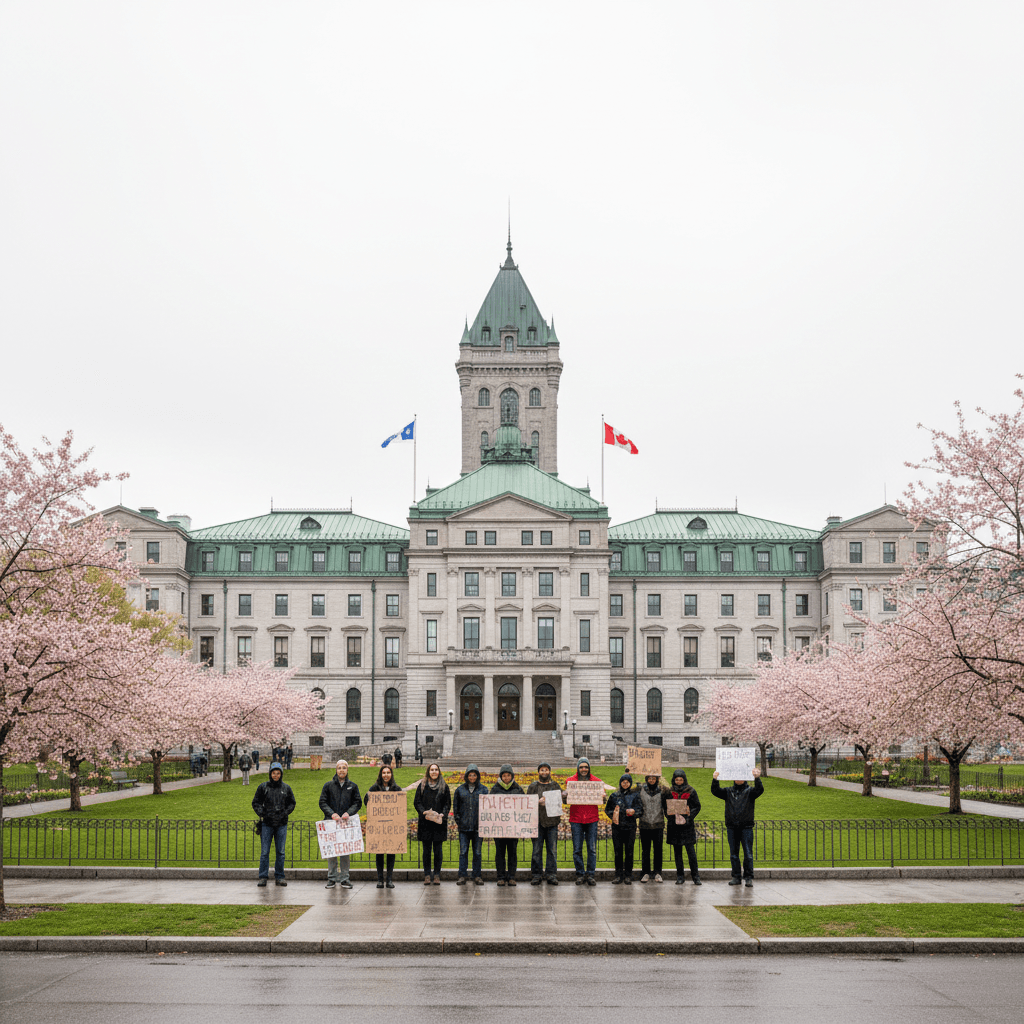
Roughly 6,000 Montreal blue-collar workers represented by CUPE Local 301 walked off the job from 6 a.m. on April 15 until 6 a.m. on April 18, 2026, turning garbage trucks, water crews and park maintenance teams into a front line in a contract fight now more than a year old. Workers rejected an 11 per cent wage increase spread over five years as inadequate given the cost of living.
The three-day stoppage was the union's second strike action of the year and signalled a hardening of positions as the city and Local 301 approach the 16-month mark without a collective agreement.
What the workers do — and what stopped
Local 301 members handle garbage collection, water and sewer maintenance, road repairs, snow clearing, parks upkeep and ice-rink operations across the island. Essential services were maintained during the strike, but residents saw delays in non-urgent work and a halt to most street and park maintenance.
The city suspended parking restrictions tied to street sweeping and maintenance on April 15, 16 and 17 so residents would not be ticketed for work that was not happening.
The issues on the table
The union says the dispute is not only about wages. Local 301 has cited growing reliance on outside contractors, chronic overtime and staffing gaps that it argues amount to de facto privatization of public works.
Members have been without a contract since the end of 2024. The city's 11 per cent offer over five years works out to roughly 2.2 per cent a year, below the pace of recent inflation and below settlements reached with other Montreal bargaining units over the same period.
"We are not asking for the moon — we are asking to keep up," a Local 301 spokesperson told CBC News at a picket line in the Plateau on Wednesday.
City response
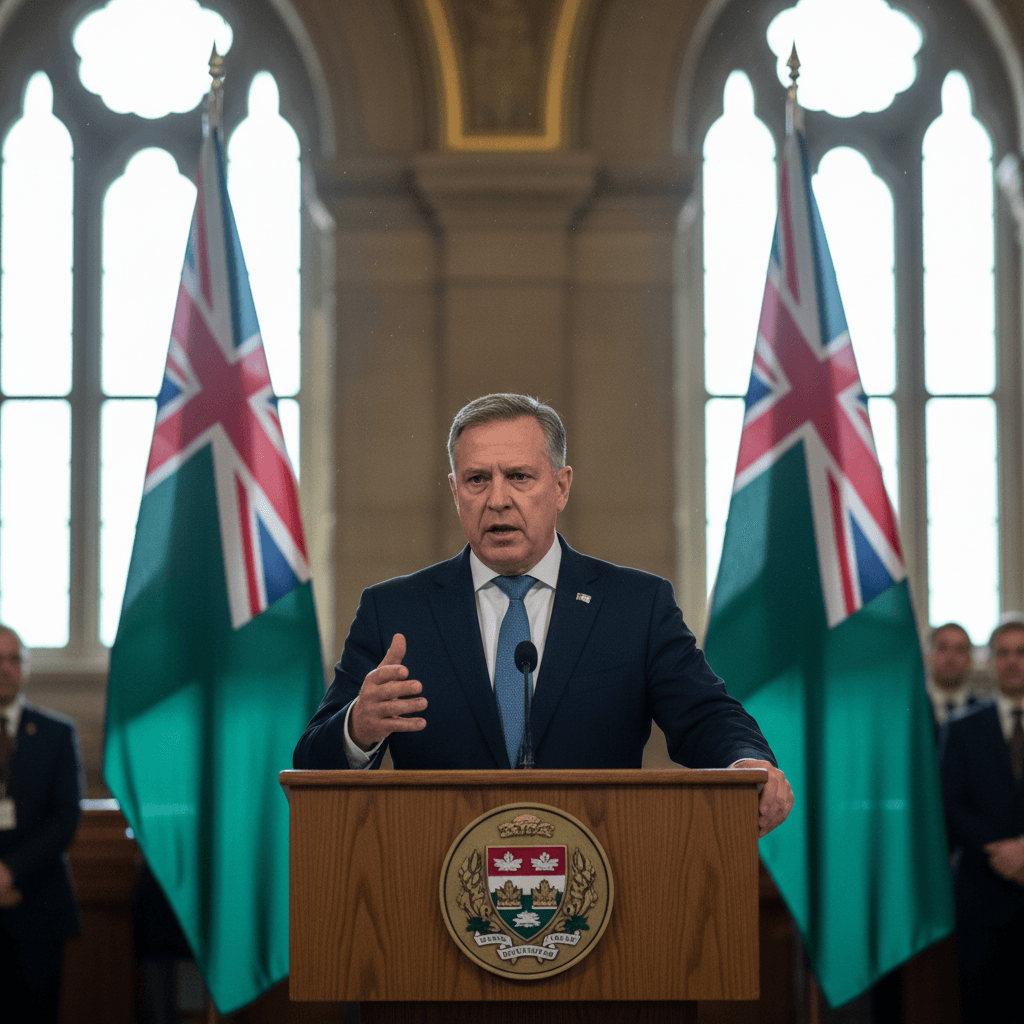
Mayor Valérie Plante's administration has said the offer reflects fiscal realities and settlements reached with comparable municipal workforces. City negotiators returned to the table as the strike began and have described the outsourcing question as "a flexibility tool, not a substitution strategy."
In a statement relayed by CTV News Montreal, the city said residents should expect a return to normal collection schedules by the weekend and thanked Montrealers for their patience.
What's next
Both sides have signalled a willingness to keep talking, but neither has tabled a breakthrough. The union's executive is expected to canvass members on further pressure tactics, which could include rotating strikes or a longer walkout if no deal is reached before the start of the summer maintenance season.
For related labour coverage, see our business and law section. The stakes extend beyond City Hall: a costly settlement would ripple into Montreal's 2027 budget talks, while a drawn-out dispute risks letting potholes, parks and pools slide into the peak-use months.