Ottawa commits up to $8 billion to 5 Wing Goose Bay in historic defence spend
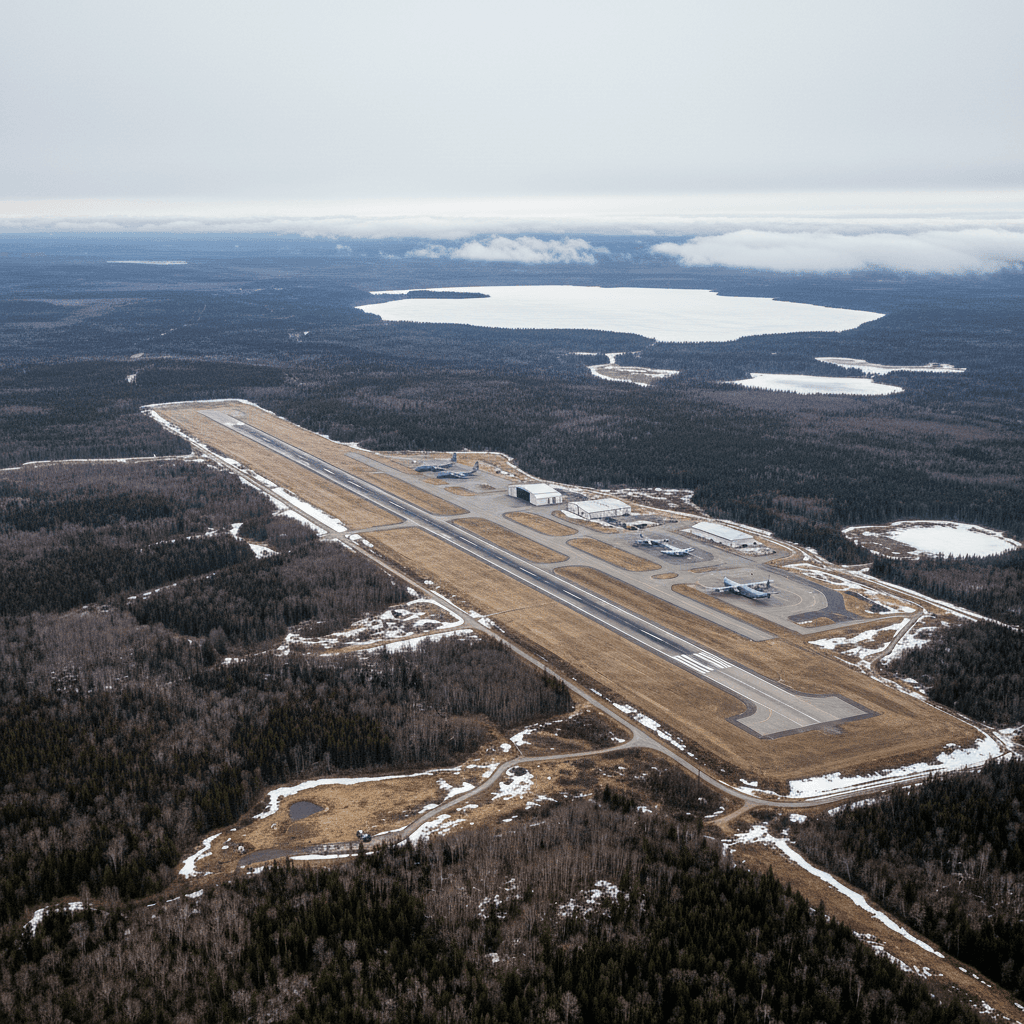
The federal government announced on April 1 that it will invest up to $8 billion in 5 Wing Goose Bay as part of its Northern Basing Infrastructure program, calling it the largest defence commitment in Newfoundland and Labrador's history. The first tranche is a $187-million Energy Performance Contract awarded to MCW Custom Energy Solutions Ltd. to replace the base's diesel heating with electric boilers drawing on Labrador's hydroelectric grid.
The announcement reshapes the economic outlook for central Labrador and cements Goose Bay's role as a northern anchor in Canada's modernized NORAD posture, a file driven by renewed Russian activity over the Arctic and by pressure from Washington for allies to raise defence spending.
What the $187-million contract delivers
The Energy Performance Contract, detailed by the Department of National Defence, replaces aging diesel boilers with electric systems tied to Labrador's hydro grid. Construction begins in May 2026 with completion targeted for December 2030.
- Annual energy costs projected to fall by $8.6 million, a 77-per-cent reduction
- Greenhouse gas emissions expected to drop by roughly 19,000 tonnes a year, a 94-per-cent cut
- Work phased over more than four years to limit operational disruption
For a base that has long burned trucked-in diesel during six-month winters, the retrofit is both a climate measure and a logistics hedge against fuel-price swings.
Why Goose Bay, and why now
5 Wing Goose Bay sits deep in Labrador, with an unusually long runway, clear northern approaches and existing NATO training infrastructure. Those features make it attractive as a forward staging site for fighter operations, maritime patrol and any NORAD response that requires range into the Arctic. CBC News reported that the investment is structured to be rolled out in stages tied to broader basing decisions still being finalized.
The Goose Bay package sits inside the wider Northern Basing Infrastructure plan, valued at up to $32 billion, which is expected to fund nine or more energy performance contracts and more than $650 million in new works across northern bases over the next three to five years.
Economic effect on Labrador
Local economic development officials quoted by VOCM say the contract will create construction jobs during the build and permanent technical roles once the electric plant is running. Indigenous-owned contractors in the region are expected to bid on sub-packages, and the province has signalled it will press for local-content commitments on follow-on tranches.
Labrador's population has stagnated for a decade, and municipal leaders are hoping the defence pipeline can anchor housing and services investments that have struggled to pencil out on private demand alone.
What's next
Construction mobilization is slated for May, with procurement for follow-on packages expected through the summer. The bigger test will be how quickly Ottawa converts the headline $8-billion figure into signed contracts. Past northern defence announcements have slipped by years between commitment and shovels, and Labrador leaders say sustained delivery, not the press release, will decide whether this one changes the region's trajectory. More coverage is available via The Canadian Wire's Atlantic desk.
Sources
Related Stories
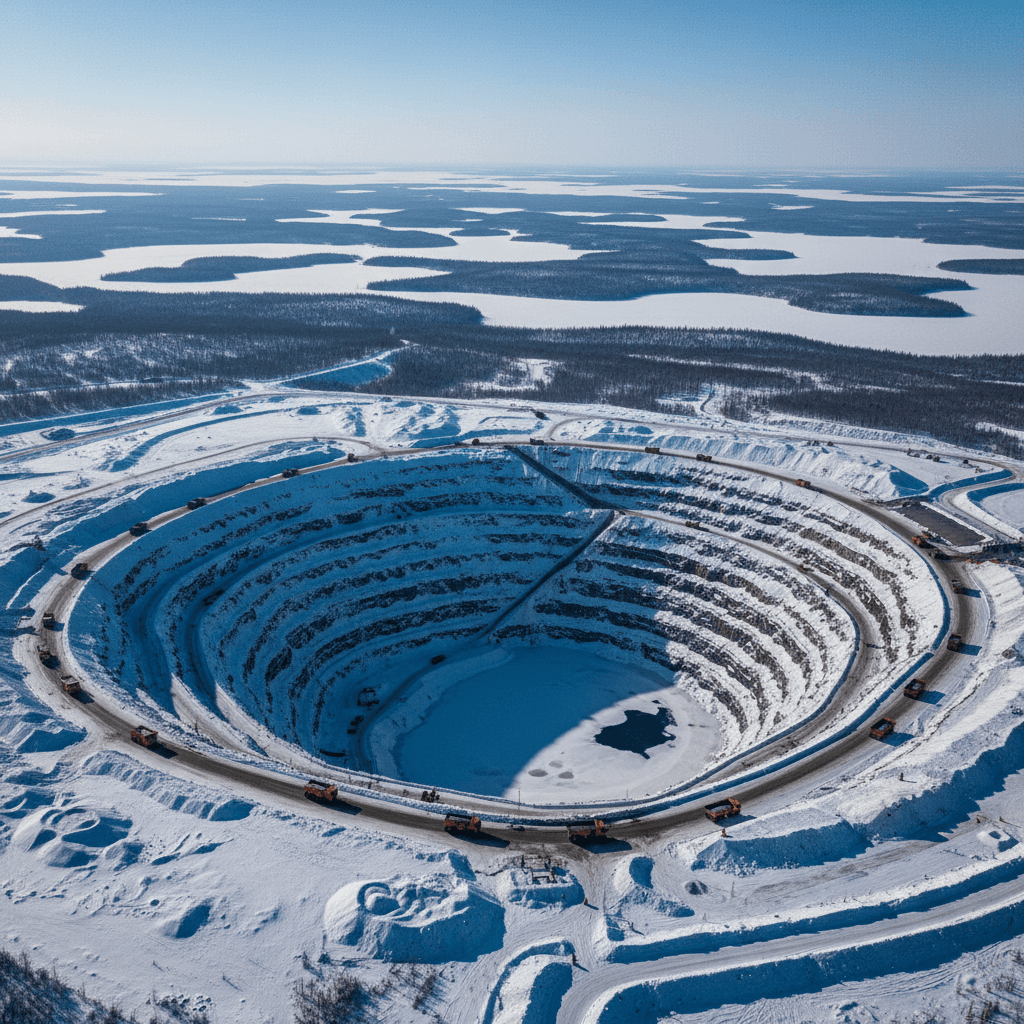
Ottawa's emergency loans to Ekati diamond mine climb to $175 million
3h ago
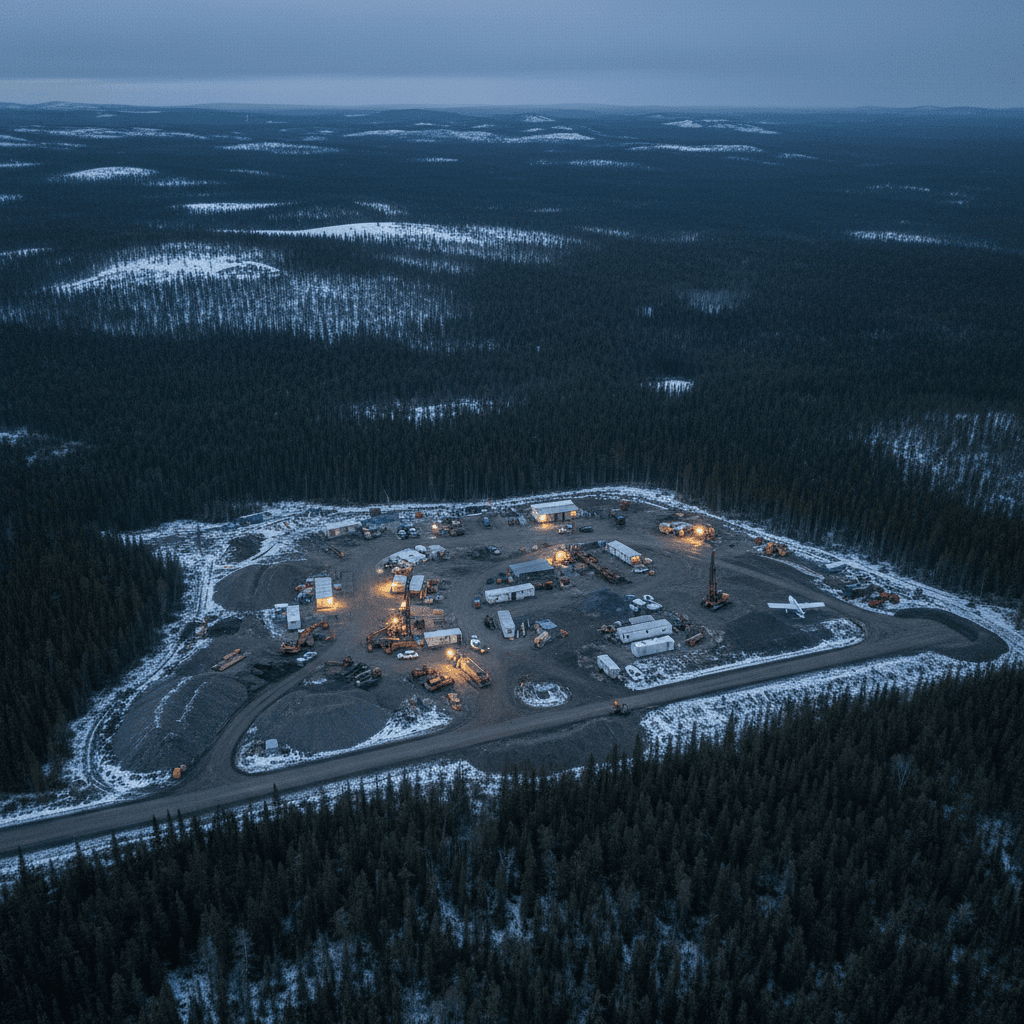
Yukon approves Kudz Ze Kayah mine over Kaska First Nation opposition
3h ago

Quebec cuts permanent immigration 45 per cent to 45,000 a year
3h ago
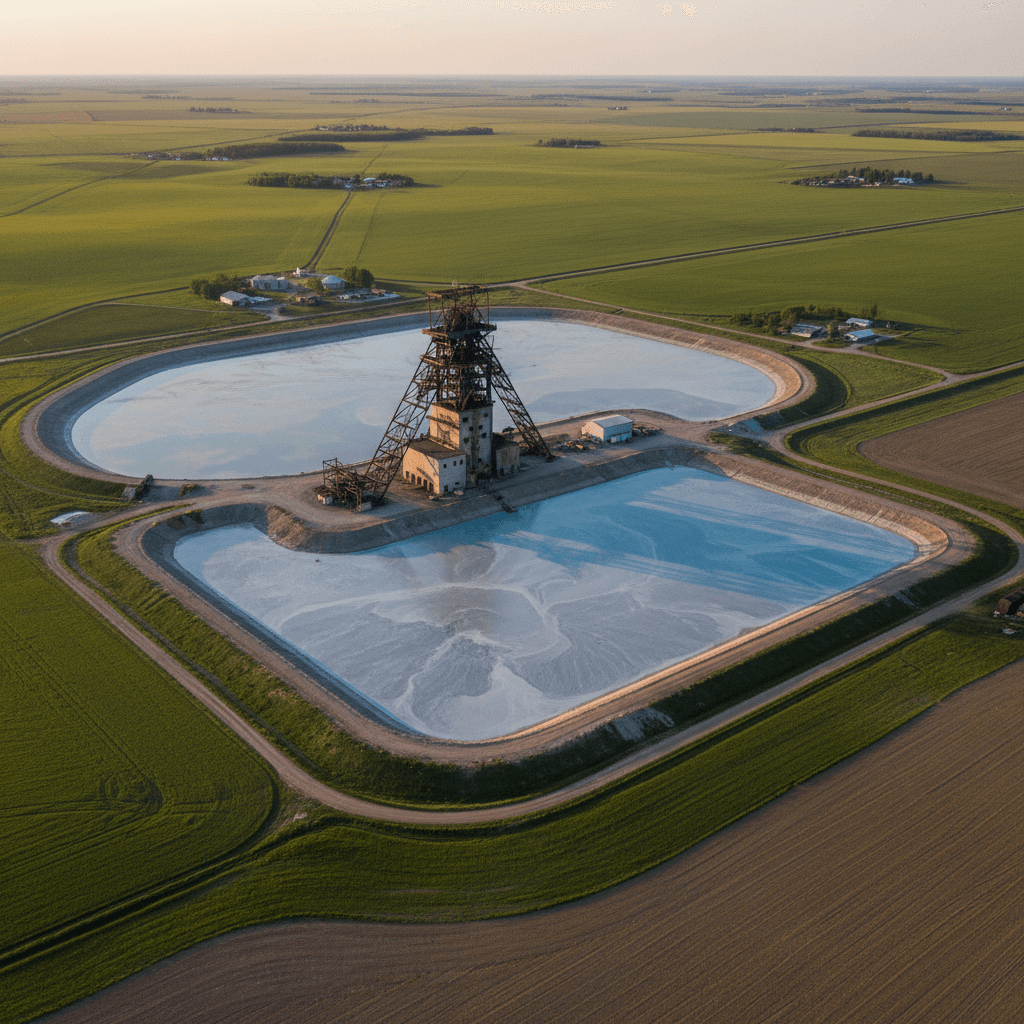
Philippines opens potash partnership talks with Saskatchewan amid supply pressure
3h ago