PWHL Walter Cup Playoffs Set as Montreal Victoire Pick Minnesota Frost in Semifinal
The Professional Women's Hockey League playoff bracket is set, and the matchups underline both how the league has matured and how thin the margin between qualifying and going home can be. The regular-season champion Montreal Victoire have used their playoff seeding privilege to choose the third-place Minnesota Frost as their semifinal opponent, while the Boston Fleet will face the Ottawa Charge in the other half of the draw. The Toronto Sceptres, who lost a winner-take-all game to Ottawa in the final regular-season weekend, are watching from the sidelines.
The bracket
The PWHL's bracket-selection format gives the regular-season champion the option of choosing which of the lower-seeded teams it will face, an unusual twist designed to add intrigue and reward season-long excellence. Montreal selected Minnesota, a two-time defending Walter Cup champion that has built a reputation as the league's playoff powerhouse despite finishing the regular season behind both Montreal and Boston in 2026.
Boston, finishing second in the standings, will face Ottawa, the team that grabbed the final playoff spot on the last weekend of the season. The semifinal series will be played in a best-of-five format, with the higher seed hosting Games 1, 2 and 5 if necessary.
Montreal will open at Place Bell on Saturday, May 2, after Boston begins its series at home on Thursday, April 30. The Walter Cup Final, when the brackets converge, will start in the home arena of the higher-seeded surviving team.
Why Montreal chose Minnesota
The decision by Montreal head coach Kori Cheverie and general manager Danièle Sauvageau to select Minnesota generated debate. The Frost have won both Walter Cup championships in PWHL history and have a roster built around playoff veterans who are familiar with the pressure of single-elimination hockey. Choosing Minnesota over Ottawa, who would have been a more traditional pick for a top seed, reflects a calculation about matchups, momentum and the league's evolving competitive map.
Cheverie spoke about the team's confidence and its preparation, framing the choice as a statement about the Victoire's belief in themselves. The team has been the regular-season story of the PWHL's third year, leading the league in standings points and demonstrating both depth and high-end skill across all four lines.
Minnesota, despite its lower seeding, will start the series with significant intangible advantages. The Frost roster includes core players who have lifted the Walter Cup before, and head coach Ken Klee has built a system that has translated well to the postseason.
Toronto's heartbreak
The Toronto Sceptres came into their final regular-season game with a chance to leapfrog Ottawa for the final playoff spot. They needed a regulation win against the Charge in front of their home fans. Instead, they were shut out 3-0, with Ottawa goaltender Gwyneth Philips making 41 saves in a brilliant performance that ended Toronto's playoff hopes.
The result was bitter for the Sceptres, who had built a strong roster around Sarah Nurse, Renata Fast and Daryl Watts but stumbled at key moments through the second half of the season. Toronto's organisation will face questions over the off-season about coaching, roster construction and the team's identity as the PWHL's largest market.
For Ottawa, the win in Toronto was a defining moment for a young franchise that has steadily climbed the standings. Philips's performance turned heads across the league and immediately raised her profile as one of the PWHL's top netminders.
Ottawa's playoff challenge
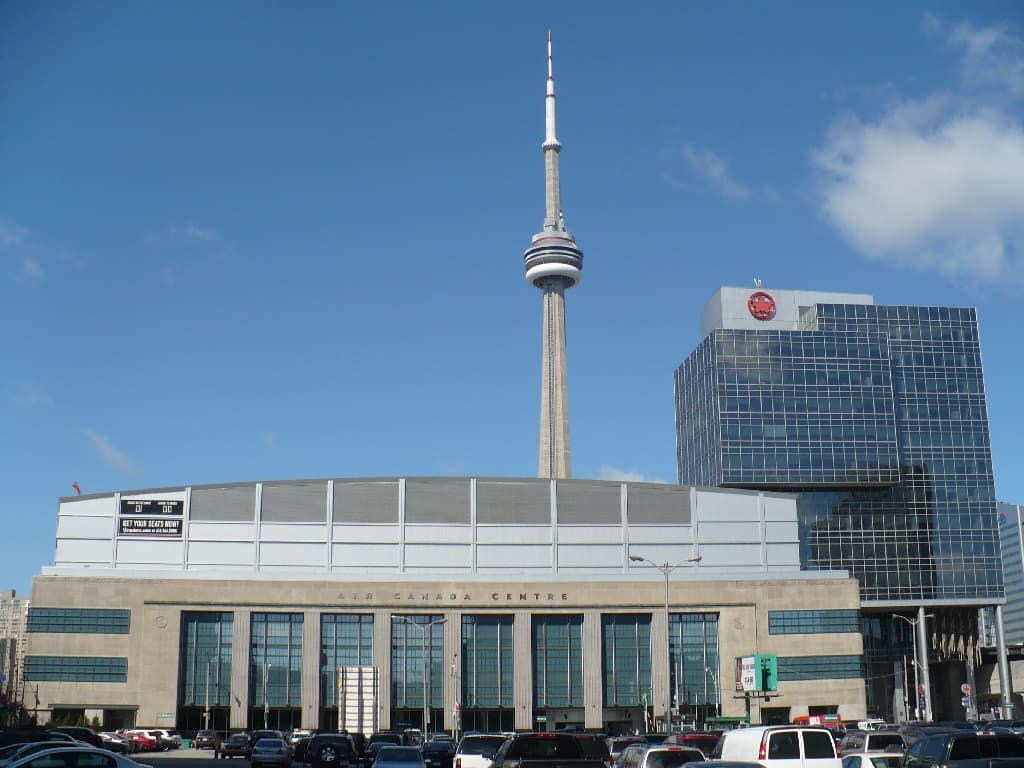
The Charge will play their playoff games at Canadian Tire Centre, the larger arena typically used by the NHL's Senators. The decision to move postseason games to the bigger venue reflects the strong demand for tickets and the franchise's confidence in its ability to fill the building.
Ottawa enters the postseason as a clear underdog against Boston, whose top-six forwards have been among the league's most productive throughout the season. But the Charge have several playoff weapons, including Philips's goaltending, and a roster that has been growing into its identity over the course of the season.
Montreal's roster
The Victoire have leaned on a mix of established stars and emerging talent throughout 2026. Marie-Philip Poulin, the team captain and arguably the best player in women's hockey, has been the offensive driver. Around her, the team has gotten contributions from Kristin O'Neill, Erin Ambrose and a defence corps that has matured significantly since the franchise's inaugural season.
Place Bell, the Victoire's home arena in Laval, has been a consistent sellout and is expected to be a crucial advantage in the series. The team has built one of the strongest home records in the league and has fed off the energy of its passionate Quebec audience.
The Boston Fleet
The Boston Fleet have been the second-best regular-season team in 2026 and bring an aggressive, high-tempo style to the postseason. Forwards Hilary Knight and Hannah Brandt anchor the team's offensive identity, with goaltender Aerin Frankel providing reliable netminding. Boston's depth and discipline make them a difficult matchup for any opponent.
Their semifinal series against Ottawa will test how well the Fleet can adjust to a younger, hungrier opponent that has nothing to lose. Boston has been to the Walter Cup Final before but has not yet won the championship, and the Fleet's veterans are aware that windows in professional sports can close quickly.
The Minnesota Frost
Minnesota's two consecutive Walter Cup wins have established the franchise as the standard-bearer for the PWHL's first three years. The Frost roster includes Kelly Pannek, Taylor Heise and Maddie Rooney, all of whom have delivered in postseason settings. Coach Ken Klee has emphasised structure, depth and goaltending as the foundation of the team's success.
Whether the Frost can pull off a third consecutive Walter Cup will be one of the central narratives of the 2026 playoffs. The franchise has found ways to win in close games and overtime hockey, two skills that often define short-series outcomes.
What it means for the league
The PWHL is in its third season and continues to grow. Attendance, broadcast viewership and merchandising have all trended in the right direction, and the league's expansion announcements have signalled confidence about its long-term future. A successful playoff run with strong storylines, marquee performers and meaningful television windows will further accelerate that trajectory.
The Victoire's choice of Minnesota in particular ensures a heavyweight matchup that will draw significant national and international attention. For Canadian women's hockey, the playoff format provides a showcase for elite athletes who have spent years competing in international tournaments and now have a domestic professional league worthy of their talent.
Broadcast and access
PWHL playoff games will be broadcast on the league's existing Canadian and American partners, with games available across multiple platforms. The semifinal series schedule allows for marquee evening windows, and the league has worked with its broadcasters to maximise viewership.
Tickets for Montreal's home games at Place Bell sold out quickly, as did Boston's home dates. Ottawa's decision to play at Canadian Tire Centre creates more available seating capacity, providing an opportunity for casual fans in the national capital region to attend their first PWHL playoff game.
The bracket-selection format debate
The PWHL's bracket-selection format remains one of the most discussed structural innovations in professional team sports. Allowing the regular-season champion to choose its semifinal opponent rewards excellence over the long season and adds a layer of strategic intrigue absent from traditional bracketing. Critics argue it can put extra pressure on the chooser to justify the pick if the series goes badly, while supporters say it adds rather than subtracts from the playoff atmosphere.
Montreal's choice of Minnesota over Ottawa underscores the strategic dimension. Some analysts suggest the Victoire wanted to avoid Ottawa, the team that ended Toronto's playoff run with momentum. Others read the pick as confidence in the matchup against Minnesota's veteran roster. Either way, the decision adds a narrative layer that traditional formats lack.
The format may also influence regular-season strategy in future years, as teams calculate the value of finishing first not just for home-ice advantage but for the right to choose. The implications for roster construction, in-season trades and even the timing of player rest will be studied as the league matures.
The international context
The PWHL operates as the premier women's hockey league in the world, with rosters drawn from the top players across multiple countries. Canadian and American national team players form the core of most rosters, complemented by players from Finland, the Czech Republic, Sweden and Switzerland, among others.
The league's success has accelerated the growth of women's hockey at every level, with rising registration numbers in youth programs across Canada and the United States. Olympic and World Championship windows continue to anchor the international calendar, but the PWHL has emerged as the steady professional foundation that connects those events.
What's next
Boston and Ottawa open the playoffs with Game 1 on Thursday. Montreal and Minnesota begin Saturday at Place Bell. The semifinals will run through the first two weeks of May, with the Walter Cup Final scheduled to start later in the month if the lower-seed survives need home dates.
For now, the playoff bracket is set and the Walter Cup chase is underway. With Toronto out and Ottawa in, the Canadian playoff story is anchored at both ends of the bracket: a regular-season champion looking to convert dominance into a first championship, and an underdog hoping to deliver one of the league's signature upsets.
The Marie-Philip Poulin factor
Marie-Philip Poulin's place in Canadian women's hockey extends well beyond her on-ice contributions. The Victoire captain has scored decisive goals in multiple Olympic gold-medal games and has long been recognised as one of the greatest clutch performers in the history of the women's game. Her presence on a championship-bound roster carries narrative weight beyond statistical contribution.
For the PWHL, having Poulin lead a regular-season champion into the playoffs is the kind of marquee storyline that elevates the league's broadcast and cultural reach. The combination of her individual brilliance and the team-first leadership style she has cultivated makes her one of the league's most marketable figures, and the Walter Cup playoffs offer her the chance to add another defining championship to a remarkable career.
Spotted an issue with this article?
Have something to say about this story?
Write a letter to the editor