Toronto home prices keep falling but affordability still out of reach for most
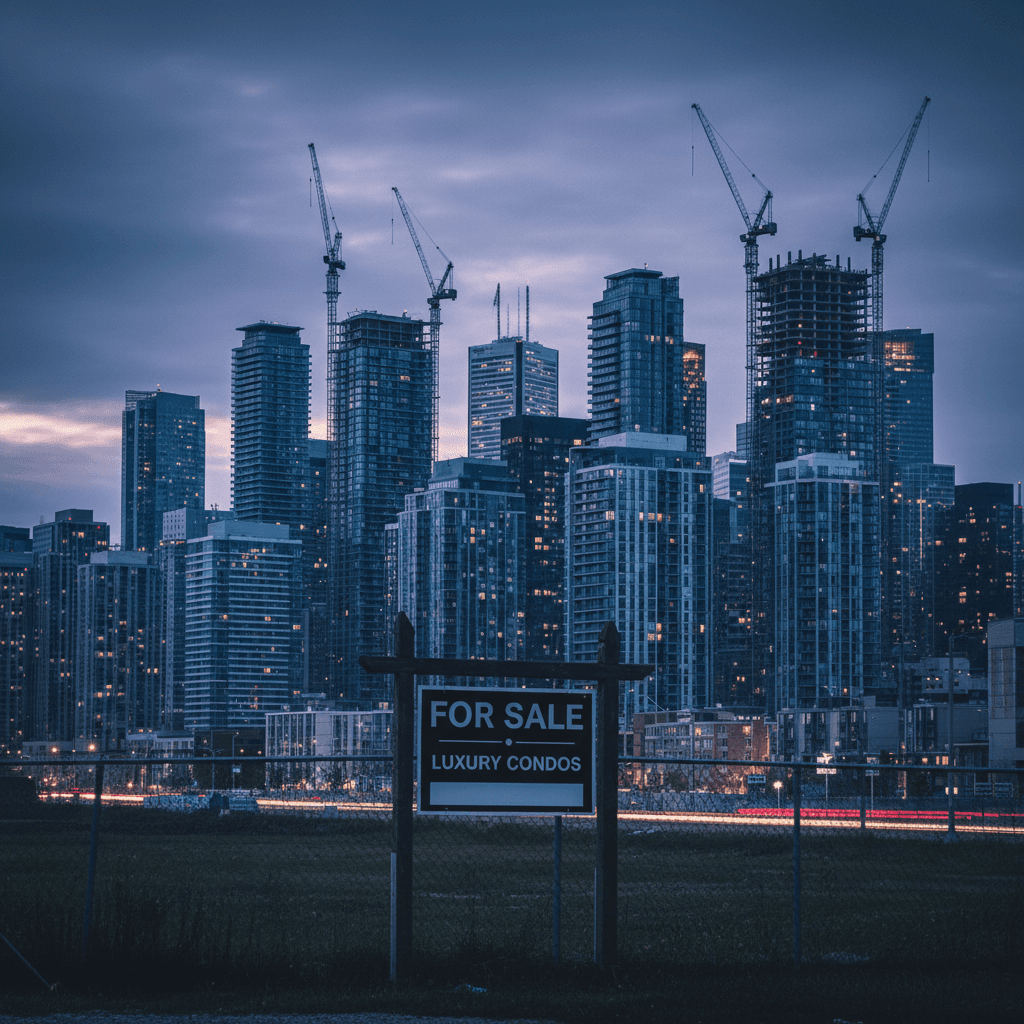
Toronto's housing market tipped firmly into buyer's territory in the first quarter of 2026, with the aggregate home price falling 4.8 per cent year-over-year to $1,070,600. Even so, a rental vacancy rate of 0.5 per cent and one-bedroom rents averaging more than $2,400 per month mean the correction has done little to restore affordability for the city's residents.
The split between softening sale prices and punishing rental conditions defines the market heading into spring. Sales-to-new-listings sit at 30 per cent, a level Royal LePage describes as a clear buyer's market, while population growth and construction delays keep tenants competing for a shrinking pool of units.
Prices ease but remain historically high
A Royal LePage forecast released April 16 projects Toronto prices will continue to decline through the rest of 2026 even as markets in Calgary, Montreal and Halifax rebound. The brokerage attributes the divergence to the GTA's heavy exposure to the condominium segment, where investor demand has collapsed, and to elevated inventories of pre-construction units that builders are struggling to close.
Detached home prices in the 416 area code fell 3.1 per cent year-over-year, while condominium prices dropped 6.4 per cent. Even with those declines, the median household would need to spend more than 60 per cent of pre-tax income to service a mortgage on a benchmark home at current rates, according to Royal LePage's affordability calculations.
Renters still squeezed
On the rental side, the 0.5 per cent vacancy rate is the lowest in the country. New purpose-built rental completions have not kept pace with immigration-driven demand, and the shelving of several major condo projects has reduced the pipeline of investor-owned rentals that traditionally absorb a share of newcomers.
- Average one-bedroom rent above $2,400 per month
- Rental vacancy rate of 0.5 per cent, lowest in Canada
- Development approvals average 20 months in the City of Toronto
- Per-unit municipal fees range from $43,000 to $90,000
Supply chokepoints
A CBC News analysis earlier this month flagged development-approval times and fees as the largest obstacles to new supply. City of Toronto staff currently take an average of 20 months to process major residential approvals, and development charges plus parkland dedication fees add between $43,000 and $90,000 per unit before shovels enter the ground.
Those costs flow through to end buyers and renters, and industry groups including the Building Industry and Land Development Association argue they are choking off mid-rise projects that would deliver so-called missing-middle housing. Mayor Olivia Chow's office has signalled a review of development charges for rental projects but has not yet tabled legislative changes.
What's next
The demographic bill is already coming due. Statistics Canada data cited by Royal LePage shows net out-migration of residents aged 25 to 34 from the Toronto census metropolitan area for the second straight year, a pattern economists warn will erode the region's labour supply. Provincial officials have pointed to the Ontario Line and other transit builds as supply-enabling infrastructure, but those projects will not open until the early 2030s. More market coverage sits in our business and law section.
Sources
Related Stories

Ottawa's emergency loans to Ekati diamond mine climb to $175 million
3h ago
Yukon approves Kudz Ze Kayah mine over Kaska First Nation opposition
3h ago

Quebec cuts permanent immigration 45 per cent to 45,000 a year
3h ago
Philippines opens potash partnership talks with Saskatchewan amid supply pressure
3h ago