Trump Offers Tariff Relief to Canadian Steel and Aluminum Producers Only If They Expand US Operations, Sparking Cusma Backlash in Ottawa
The second Trump administration has formally offered tariff relief to Canadian steel and aluminum producers on the condition that they commit to expanding their operations in the United States, an arrangement Prime Minister Mark Carney has called a clear violation of the Canada United States Mexico Agreement and one that has put workers in Hamilton, Sault Ste. Marie, Saguenay, and other Canadian metals communities at the centre of the latest flashpoint in the deteriorating bilateral trade relationship. The offer, conveyed to Canadian producers through both formal diplomatic channels and direct outreach to corporate executives, would lift the fifty per cent tariff on certain Canadian steel and aluminum exports for companies that pledge to shift incremental production capacity into American facilities.
What the offer includes
The conditional tariff relief proposal, as described in initial reporting and confirmed in part by United States officials, would suspend the most punishing tariffs on individual Canadian producers in exchange for binding commitments to construct or expand American manufacturing facilities. The arrangement would not lift the tariff regime as a whole, and Canadian producers who declined the offer would continue to face the full tariff levels imposed by the United States Trade Representative earlier this year.
Officials in the United States Commerce Department have framed the offer as an opportunity for Canadian firms to maintain access to the American market while also contributing to the Trump administration's broader objective of expanding domestic American manufacturing capacity. The administration has cast the offer as voluntary, although Canadian observers have noted that the practical effect of refusing the offer is to remain subject to tariffs that make many Canadian shipments to the United States commercially uneconomic.
The structure of the offer mirrors arrangements the Trump administration has used in other sectors, including in earlier rounds of automotive tariff negotiations. The pattern is for tariff relief to be conditional on specific corporate commitments rather than on broader negotiated outcomes between governments. The Carney government has rejected the pattern as inconsistent with the principles of the existing trade agreement.
The response from Ottawa
Prime Minister Mark Carney has been publicly critical of the offer, framing it as both a violation of the Canada United States Mexico Agreement and as an attempt to use tariff pressure to extract corporate decisions that would not be made in normal commercial circumstances. Carney has characterised Canada's economic relationship with the United States as one in which the assumed reliability of cross-border arrangements has become a strategic vulnerability rather than a strength.
The Department of Foreign Affairs has indicated it is examining options for legal action under the Canada United States Mexico Agreement's dispute settlement provisions. The Department of Innovation, Science and Economic Development has been consulting with Canadian metals producers and industry groups about the potential effects of the offer on Canadian operations and on Canadian workers.
The Carney government has signalled it would prefer negotiation to litigation, but officials have indicated that the offer's structure leaves limited room for negotiation. The conditional nature of the relief, tied to specific corporate decisions rather than to broader trade outcomes, makes it difficult for the Canadian government to negotiate on behalf of the Canadian industry as a whole.
The impact on Canadian producers
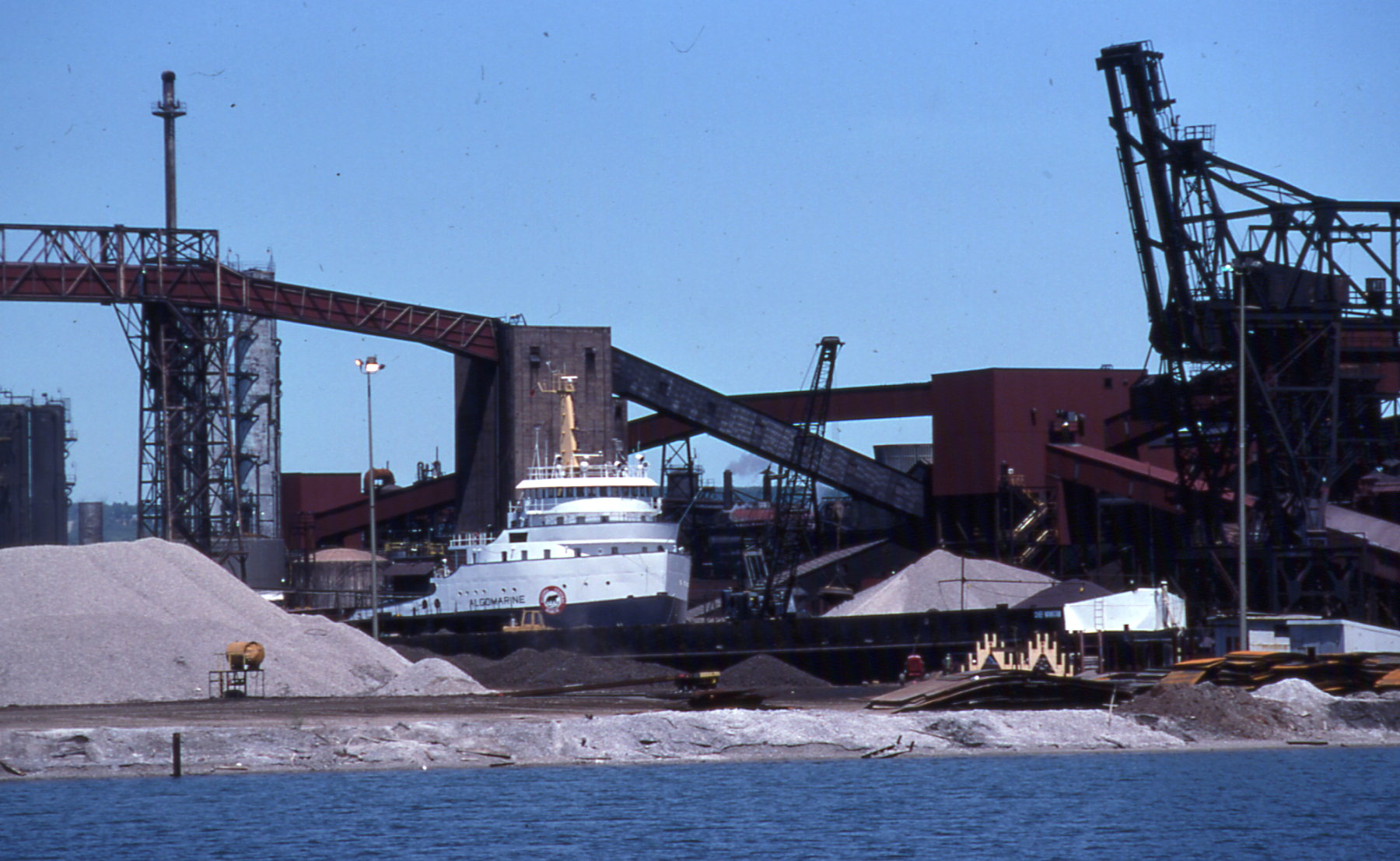
The tariff regime has hit Canadian steel and aluminum producers hard. Hamilton-based steel makers, Sault Ste. Marie's Algoma Steel, Quebec's Saguenay aluminum operations, and British Columbia's Kitimat aluminum smelter have all faced significant pressure on shipments to the United States market. Production has been reduced at several facilities, hiring has been frozen, and capital spending plans have been deferred.
The new conditional offer creates an additional dilemma. Canadian producers who decline the offer face continued tariff exposure and the prospect of losing American market share to producers who accept. Those who accept the offer face questions about the long-term implications of shifting incremental capacity to the United States, including the effect on Canadian workforces, on community economies, and on the long-term viability of Canadian operations.
The United Steelworkers, which represents workers at most major Canadian steel and aluminum facilities, has called the offer a coercive arrangement and has called on the federal government to provide direct financial support to Canadian producers and workers as an alternative to accepting the United States terms. Unifor, which represents workers in related industries, has issued similar calls.
The view from affected communities
In Hamilton, where steel manufacturing has been the city's industrial backbone for over a century, the offer has produced anxious discussion among workers, community leaders, and municipal officials. Hamilton's mayor has called for sustained federal support to ensure that local production capacity is maintained even if some Canadian producers shift incremental investment to American facilities.
In Sault Ste. Marie, where Algoma Steel is the dominant local employer, the local Member of Parliament has been in regular contact with the federal government and with the company's leadership. The community has experienced previous cycles of tariff pressure and has historically responded with sustained public investment, federal industrial support, and workforce retention programmes.
In Saguenay, the aluminum sector is critical to the regional economy and to Quebec's broader industrial profile. Quebec Premier Christine Frechette has called for federal action to support the province's aluminum industry, including direct financial support and explicit federal advocacy on the trade file.
In British Columbia, the Kitimat smelter operated by Rio Tinto has been less directly affected than other Canadian operations because of differences in product mix and contractual arrangements with American customers. But the broader pattern of tariff pressure on Canadian aluminum exports remains relevant to British Columbia's resource and processing economy.
Reaction from opposition parties
Conservative leader Pierre Poilievre has criticised the Carney government for what he describes as inadequate engagement with the second Trump administration on tariff issues. The Conservatives have called for a more direct negotiating approach and have accused the government of allowing diplomatic posturing to substitute for practical problem-solving on behalf of Canadian workers and producers.
The New Democrats have called for direct federal financial support for affected workers and producers, including extended employment insurance, retraining programmes, and wage subsidies. NDP industry critic has said the federal government must move beyond diplomatic responses and into the kind of practical industrial policy support that the scale of the tariff problem warrants.
The Bloc Quebecois has focused on the Quebec aluminum sector, calling for explicit federal recognition of the strategic importance of Quebec aluminum to both the Canadian economy and the broader continental supply chain. Bloc leader Yves-Francois Blanchet has called for Quebec-specific federal support measures.
The Canadian angle
For Canadian readers, the most important effect of the offer is its direct impact on Canadian workers and communities. The metals industry has historically been one of the country's most stable manufacturing employment sectors, with high-wage union jobs that have supported entire communities across multiple generations. The current trade pressure puts those jobs and those communities at risk in ways that have not been seen in decades.
The wider Canadian context for the offer is the broader trajectory of the Canada United States economic relationship. The Carney government has explicitly framed the moment as one in which Canadian dependence on the United States must be reconsidered. The launch of the Canada Strong Fund, the appointment of Jonathan Wilkinson as ambassador to the European Union, and Canada's participation in the European Political Community summit are all part of the same broader strategy.
What's next
The next round of formal trade negotiations between Canadian and American officials is scheduled for mid-May. The Canadian side is expected to raise the conditional tariff offer as a primary concern. The American side has not signalled willingness to modify the offer's structure, but officials in Washington have indicated they are open to discussing the broader trade relationship.
The mandatory joint review of the Canada United States Mexico Agreement is due before July 1, with the three governments required to decide whether to extend the agreement for a further sixteen years. The current dispute over conditional tariff relief is one of several factors making the extension question difficult.
For Canadian metals workers and the communities that depend on them, the next several months will be a period of significant uncertainty. The federal government has committed to working with industry and with the labour movement to support affected workers and producers, but the practical effect of that commitment depends on the specific measures the government brings forward and on the trajectory of the broader trade negotiations.
Spotted an issue with this article?
Have something to say about this story?
Write a letter to the editorRelated Stories

USMCA Review Hits Crisis Point as Washington and Ottawa Trade Sharper Public Barbs Over Tariffs
6h ago

Putin Floats May 9 Ceasefire Offer to Trump as Strikes Continue, Canada Stays Course on Ukraine Aid
9h ago