North Vancouver By-Election Looms as Wilkinson Heads to Brussels and Carney Plans Quick Vote
The pending appointment of veteran Liberal Member of Parliament Jonathan Wilkinson as Ambassador of Canada to the European Union will trigger a by-election in his federal riding of North Vancouver, with the major parties already engaging in early candidate recruitment and organisational work in anticipation of a vote that could be called within months. The by-election will be the first significant federal electoral test the Carney government faces since the special election earlier this month, and it will be a closely watched indicator of the political environment in the Pacific suburbs as the country moves into the post-election political phase.
Why the seat is opening
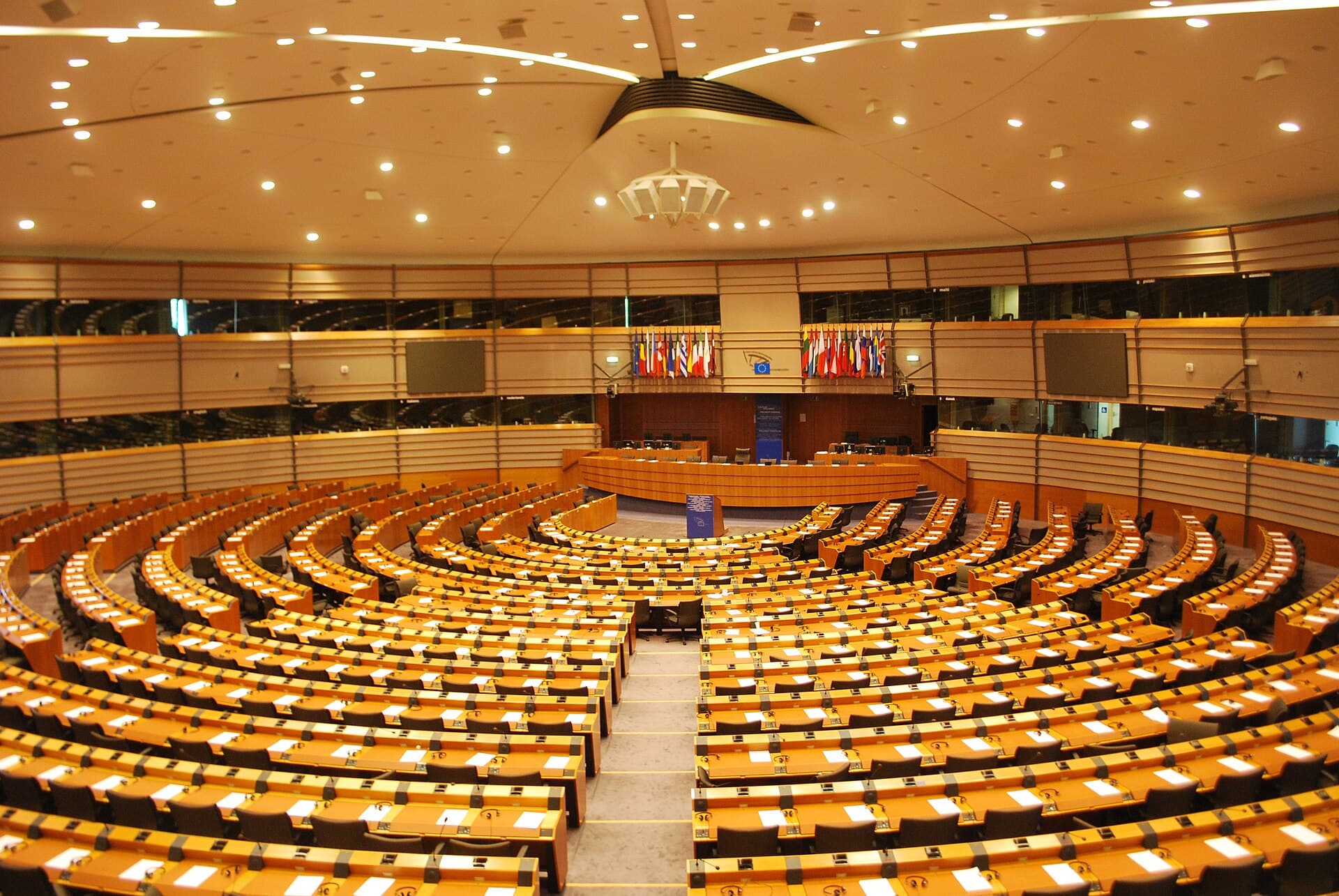
Jonathan Wilkinson, the Liberal MP for North Vancouver, will resign his seat ahead of taking up the Brussels posting. The appointment as Ambassador of Canada to the European Union was announced by Prime Minister Mark Carney earlier this week and is expected to be finalised through the customary diplomatic procedures over the coming weeks. Wilkinson is expected to take up the posting in the coming weeks, requiring his prior resignation from the House of Commons.
Wilkinson, who has held the seat since 2015 and has been re-elected at every subsequent general election including the special election earlier this month, served in multiple cabinet portfolios under the Trudeau government before being shifted to the back benches under Carney. The Brussels appointment returns him to direct engagement with climate, energy, and critical-minerals files at the diplomatic level.
The convention is that a by-election must be called within six months of the seat becoming vacant, with the precise timing being at the prime minister's discretion. The Carney government has indicated it intends to call the by-election promptly, although the formal announcement of the by-election date will await Wilkinson's formal resignation.
The riding's political character
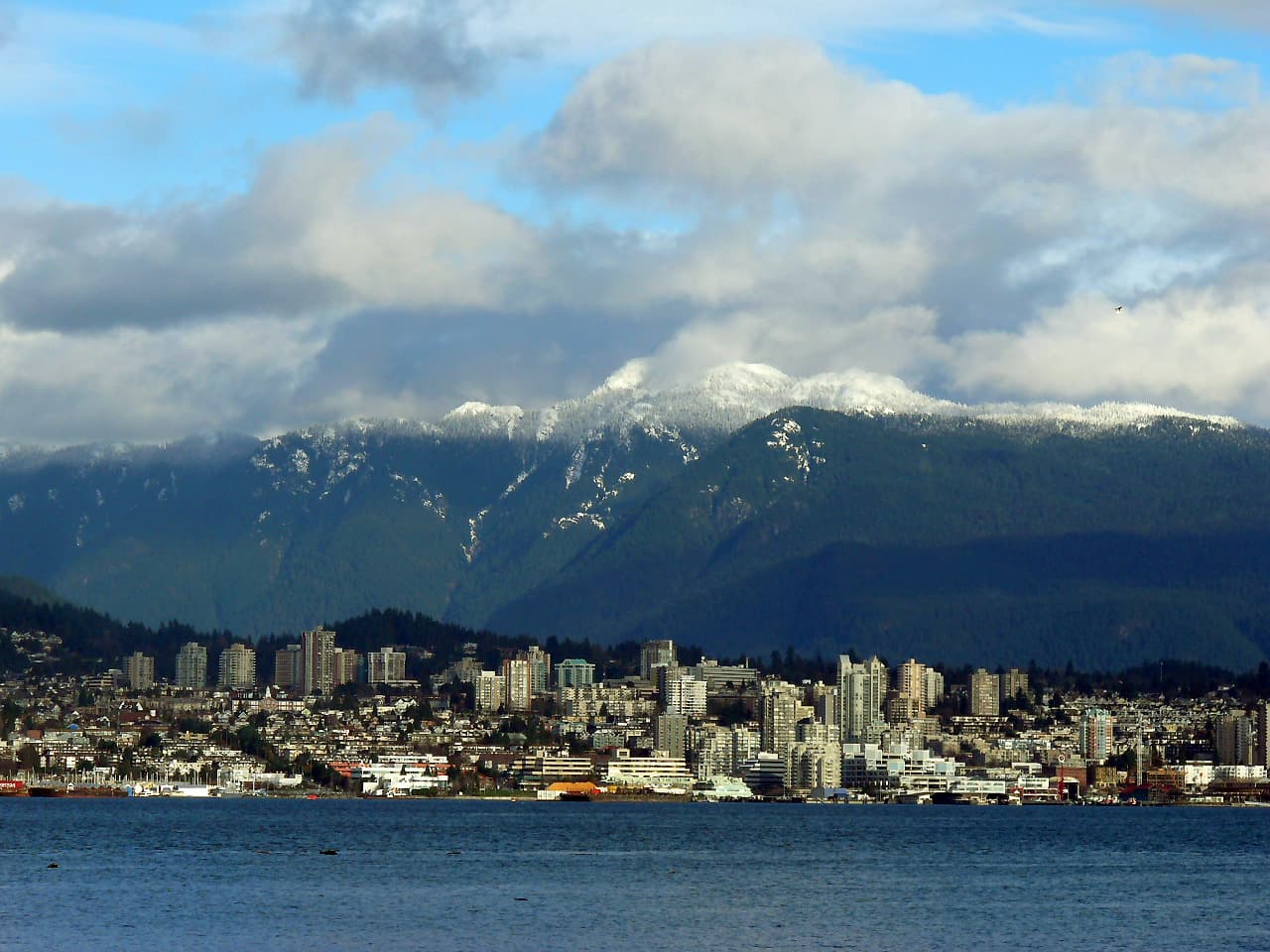
North Vancouver is a Pacific suburban riding that has been politically competitive across the past two decades. The riding includes a mix of established affluent neighbourhoods, newer condominium developments, and a younger demographic of professional households connected to Vancouver's broader economy. Federal voting patterns in the riding have varied across recent elections, with both Liberals and Conservatives having held the seat at different points.
Wilkinson's tenure has been the longest continuous representation by a single party in recent memory. His personal political profile, his cabinet roles, and his sustained constituency engagement have all contributed to the Liberal hold on the seat. The Conservative party has generally finished a strong second across recent elections, with the New Democrats holding a smaller but consistent vote share.
The riding's voters have been engaged on climate and energy questions, on housing affordability questions including the broader Lower Mainland affordability crisis, and on the broader economic environment shaping Pacific Canada. The British Columbia provincial NDP government's policy direction has interacted with federal politics in ways that have shaped voter alignment in some neighbourhoods.
Liberal candidate dynamics
The Liberal Party has been engaged in early candidate recruitment for the by-election. Several potential candidates have been mentioned in connection with the seat, including senior local Liberal organisers, professional-class community leaders, and several individuals with provincial political experience. The party's candidate selection process is expected to be completed in the coming weeks.
The Carney government's political team has indicated that the by-election will be approached with significant resources, given both the substantive political importance of holding a Liberal seat and the broader symbolic significance of demonstrating continued Liberal political strength after the spring election. The party's machinery in British Columbia has been activated, and the leader is expected to be involved in candidate appearances during the campaign period.
Conservative organising
The Conservative Party has been similarly engaged in early candidate recruitment. Several potential Conservative candidates have been mentioned, including local business and community figures, former municipal officials, and individuals with provincial Conservative connections. Conservative leader Pierre Poilievre is expected to be active in the campaign, both for the substantive political reasons of seeking to gain a Liberal seat and for the broader strategic objective of demonstrating Conservative competitiveness in coastal British Columbia.
The Conservative pitch in the riding is expected to emphasise housing affordability, the broader cost of living environment, and Conservative critique of the Carney government's economic policies including the Canada Strong Fund and the broader fiscal trajectory of the spring economic update. Local issues including transportation, growth management, and federal-municipal relations are also expected to feature in Conservative messaging.
NDP and Green positioning
The New Democrats have indicated they will field a candidate in the by-election, although the party's resource commitment is expected to be more measured than that of the two larger parties. The NDP's continued presence in the riding has been a feature of recent elections, although the party has not been competitive for the seat itself in recent cycles.
The Green Party has not yet announced its candidate selection process for the by-election. The Greens have been more competitive in some other British Columbia ridings than in North Vancouver, but the party has typically fielded candidates in by-elections regardless of competitive positioning.
The People's Party of Canada and other smaller parties may also field candidates, although their impact on the by-election is expected to be limited.
The wider political moment
The by-election will provide an early test of the political environment in the post-election phase. The Carney government's spring economic update, the launch of the Canada Strong Fund, the EV rebate restoration, and the broader policy package have set the substantive agenda. The Conservative critique of those measures, the broader cost-of-living conversation, and the continuing trade and tariff environment with the United States will all shape voter consideration of the parties.
The by-election will not on its own change the parliamentary balance of power, given that the Liberal majority is comfortable. But the by-election results will be parsed for what they say about voter sentiment, about the relative strength of the parties on the ground, and about the political trajectory of the country across the months ahead.
For the Carney government, holding the seat would be a political confirmation of the government's continuing connection to British Columbia voters. Losing the seat would be a notable setback that would be parsed for its implications for the broader political trajectory. For the Conservative party, winning the seat would be a meaningful demonstration of Conservative competitiveness in coastal British Columbia, while losing would be parsed for what it says about Conservative organising in the region.
The wider Wilkinson legacy
Wilkinson's tenure in the seat has spanned more than a decade and has included senior cabinet roles. His departure for Brussels closes a chapter in his political career and opens a new chapter in his diplomatic career. The legacy he leaves behind includes both his constituency work in North Vancouver and his contributions to federal climate, energy, and natural resources policy across his cabinet years.
The Brussels appointment has been broadly welcomed in policy circles given Wilkinson's depth of experience on the files he will be engaging with as ambassador. The appointment is also seen as one of the more substantive ambassadorial appointments the Carney government has made, with the Brussels post taking on increased importance in the context of Canada's broader European pivot.
What it means for the riding
For North Vancouver constituents, the immediate practical effect of Wilkinson's departure will be a period in which constituency representation is in transition. Constituency office services will continue across the period, with formal arrangements for handling constituent files during the by-election period to be communicated by the relevant federal offices.
The longer-term question for constituents is who their next member of parliament will be and what their priorities will be. The campaign period will provide opportunity for constituents to engage with candidates from each party and to assess the candidates' positions on local and national issues.
What's next
Wilkinson's formal resignation is expected in the coming weeks, after which the formal by-election process can begin. The prime minister will determine the timing of the by-election within the six-month window, with the actual vote likely in the summer or early autumn.
Candidate selection processes will continue across all the major parties through the coming weeks. Local campaign organisations will continue to build up their volunteer networks, fundraising capacity, and policy positioning. National party leaders are expected to be engaged in the campaign in person at various points across the period.
For Canadians watching the broader political environment, the North Vancouver by-election will be one of the more closely watched political events of the coming months. The result will not change the parliamentary balance of power, but it will provide an early indicator of voter sentiment and of the political trajectory the country is moving into.
Spotted an issue with this article?
Have something to say about this story?
Write a letter to the editorRelated Stories
Carney Unveils $6 Billion Skilled Trades Plan to Recruit 100,000 New Workers Under Team Canada Strong Banner
4h ago
Carney Launches Canada Strong Fund, the Country's First Sovereign Wealth Vehicle, With $25 Billion in Federal Seed Capital
7h ago
Poilievre Calls Canada Strong Fund a Rebrand of Borrowed Money as Conservatives Press Carney on Deficit
12h ago