Blue Jays Slide to 21-26 as Yankees Series Stings and Injuries Mount
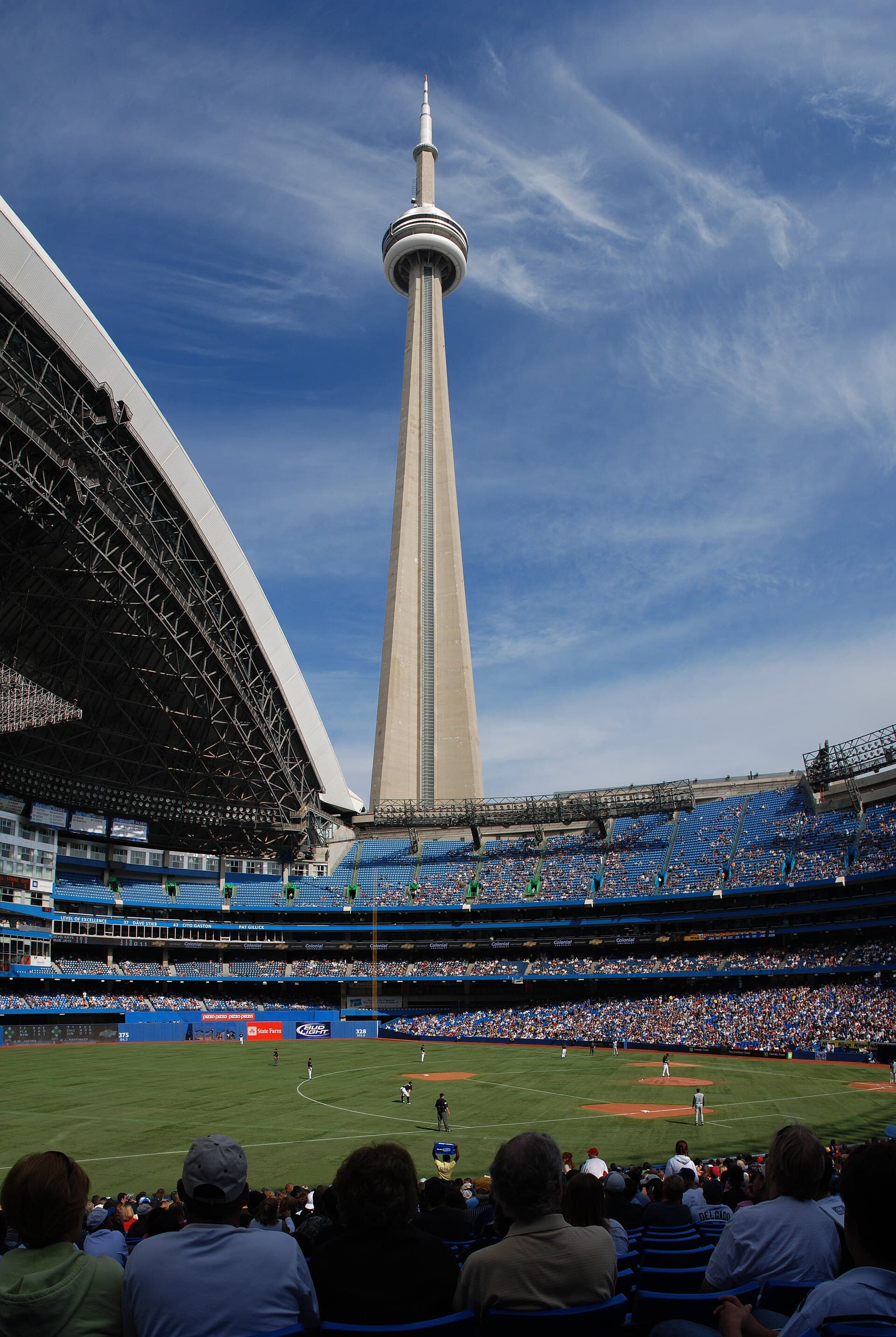
The Toronto Blue Jays are searching for answers as a difficult stretch leaves the club at 21-26 and mired in third place in the American League East. Back-to-back losses to the rival New York Yankees have deepened the team's early-season slump, and a lengthening injury list has only added to the pressure on a roster that reached the postseason last autumn.
For a team that tasted October baseball just months ago, the slow start has been a jarring reversal. The Blue Jays remain within reach of contention, but the margin for error in a brutally competitive division is shrinking, and the coming weeks loom as a crucial test of the club's resolve.
A rough series against New York
The Yankees handed Toronto consecutive defeats, edging the Blue Jays 7-6 on May 18 and following up with a 5-4 win on May 19. In the first game, New York rallied with a pair of two-run home runs in the seventh inning to overcome a Toronto lead, while the second was decided by a fifth-inning home run that broke a tie and held up the rest of the way.
The losses were especially costly given the standings. The Yankees have surged to a 25-11 record and now sit 9.5 games ahead of Toronto in the division, a substantial gap this early in the season. For the Blue Jays, falling short in close games against the team atop the division underscored how fine the margins have been in their struggles.
Both defeats followed a frustrating pattern: Toronto generated enough offence to win but could not protect leads or deliver the decisive blow late. Games decided by a single run often come down to bullpen execution and timely hitting, and in this series the Blue Jays came up just short on both counts.
Bright spots amid the losses
Even in defeat, several Blue Jays offered encouraging signs. Ernie Clement provided a jolt with a three-run home run that drove in four runs in the 7-6 loss, a reminder of the offensive upside the lineup can flash. Performances like his hint at a team capable of more than its record suggests.
Daulton Varsho also turned in a standout night, going 4-for-5 with a stolen base in the 5-4 loss to New York. The outfielder posted a career high in hits, lifting his season slash line and demonstrating the kind of consistent contact that Toronto will need more of if it is to climb back into contention.
Individual performances like these matter for morale as much as the standings, offering evidence that the talent on the roster is capable of producing when healthy and in form. The challenge for the Blue Jays is to convert flashes from individuals into the consistent, complete games that produce wins.
The injury picture
Injuries have been a persistent theme. Catcher Alejandro Kirk has been working back from surgery to insert a screw into a fractured left thumb, and the team expects greater clarity soon on the timing of a rehabilitation assignment. His return would stabilise a key position and add a reliable bat to the lineup.
Infielder Addison Barger, a postseason standout for Toronto last fall when he hit at an impressive clip in October, has seen his 2026 campaign disrupted by injury. He was in Toronto for a follow-up examination as he sought clearance to resume hitting and throwing. The bullpen also took a hit, with left-handed reliever Joe Mantiply placed on the 15-day injured list with left knee inflammation.
The cumulative effect of those absences has been significant. A team missing its regular catcher, a productive bat and a bullpen arm is forced to lean on depth players, and the strain shows in the kind of tight games the Blue Jays have been losing. Getting healthy may be the single most important factor in any turnaround.
Reasons for cautious optimism
Despite the disappointing record, there are underlying signs that the situation may not be as dire as it appears. The Blue Jays have surrendered slightly fewer runs than they had at the same point a year earlier and have posted a marginally better team earned-run average, suggesting the pitching has held up reasonably well even as results have not followed.
Baseball seasons are long, and a 47-game sample leaves ample time for a turnaround. A healthier roster, particularly the return of injured contributors, could shift the team's trajectory. The challenge is to stay within striking distance while the lineup rounds into form and the injured players make their way back.
History offers some comfort: teams have overcome slow starts to reach the postseason before, particularly when the underlying performance suggests better results should follow. The Blue Jays will hope their run prevention proves to be a foundation on which a recovery can be built once the offence stabilises.
The road ahead in the AL East
The American League East remains one of baseball's most demanding divisions, and the Yankees' fast start has set a high bar. Toronto faces the dual task of climbing past divisional rivals while also keeping pace in the wild-card picture, where a strong run could keep its postseason hopes alive even if catching New York proves difficult.
A strong May and June against divisional opponents would go a long way toward steadying the season. The Blue Jays have the talent to make such a run, but they will need to convert close games, the very ones that slipped away against the Yankees, into wins.
The depth of the division means there is little respite on the schedule, with every series presenting a formidable opponent. That difficulty cuts both ways: a hot streak against divisional rivals could close the gap quickly, just as the recent skid widened it.
What it means for fans
For a fan base accustomed to contention and energised by last year's playoff appearance, the slow start has been a source of frustration. The Blue Jays remain Canada's only Major League Baseball team, and their fortunes draw attention from coast to coast, giving the season a national dimension that few other clubs in the league can claim.
The coming weeks will test the patience of supporters and the resolve of the clubhouse. A team that reached October last year has the pedigree to recover, but it must first arrest the slide and prove that the early struggles were a phase rather than a verdict.
Leadership and the long view
Slumps test a clubhouse as much as they test a roster, and the response from the team's leadership will shape how the season unfolds. Veteran players and the coaching staff face the task of keeping the group steady through a difficult stretch, resisting the temptation to overhaul an approach that the underlying numbers suggest is closer to working than the record indicates. Patience is easier to preach than to practise when losses pile up, but panic rarely produces a turnaround.
The front office faces its own decisions as the season progresses. A team that believes it remains a contender may look to add help as the trade market develops, particularly to shore up a bullpen weakened by injury. A team that falls further behind, by contrast, might be forced to weigh whether to retool, a calculation that no organisation wants to confront in May but that the standings can impose.
For now, the message from the organisation has been one of confidence that the talent on hand is capable of better. The roster that reached the postseason last year remains largely intact, and the belief is that health and time will allow it to perform to its level. Whether that confidence is vindicated depends on the next several weeks, when the schedule offers both the danger of falling out of contention and the opportunity to climb back into it.
The depth of the lineup will be crucial in the interim. With key contributors sidelined, players further down the depth chart have a chance to establish themselves, and strong performances from unexpected sources could help bridge the gap until the injured return. How those players seize the opportunity may determine whether Toronto treads water or sinks during a pivotal stretch.
The broader baseball calendar also offers perspective. With months of games remaining, no deficit accumulated in May is insurmountable, and recent history is full of teams that started slowly before surging into contention. The Blue Jays will be counting on writing a similar story, but they know that belief must soon be matched by results.
The competitive window
Beyond the immediate slump, the season unfolds against the backdrop of the club's broader competitive window. The Blue Jays have invested in building a roster capable of contending, and the expectations that accompany that investment raise the stakes of every stretch of games. A prolonged slide would prompt difficult questions about whether the current group can deliver on its promise, while a recovery would reaffirm the path the organisation has chosen.
Those questions extend to the composition of the roster itself. The blend of established veterans and younger players determines not only this season's ceiling but the team's trajectory in the years ahead. How the club performs over the coming months could shape decisions about contracts, trades and the direction of the franchise, with implications that reach well beyond the current standings.
The economics of contention also loom in the background. Sustaining a competitive payroll requires both on-field success and the fan support that follows it, and a strong season helps justify the continued investment that contention demands. For an organisation that draws a national following, the connection between winning and the resources available to keep winning is especially direct.
For supporters, the broader narrative is whether this is a team on the rise, holding steady or beginning to slip. The answer will emerge over the long arc of the season rather than any single series, but the early struggles have introduced an element of uncertainty that the club is eager to dispel through its play in the weeks ahead.
What's next
The immediate priority is to halt the losing momentum and get healthy. The returns of Kirk and Barger loom as potential turning points, and the depth of the pitching staff will be tested while the bullpen absorbs the loss of Mantiply.
With the season still young, the Blue Jays have time to write a different story. But the clock is always ticking in a competitive division, and Toronto will need to start winning the tight games it has been losing if it hopes to return to the postseason and reward a fan base that follows the team from coast to coast.
Spotted an issue with this article?
Have something to say about this story?
Write a letter to the editor