Gaza's Tenuous Ceasefire Frays as Canada Weighs Its Two-State Pledge
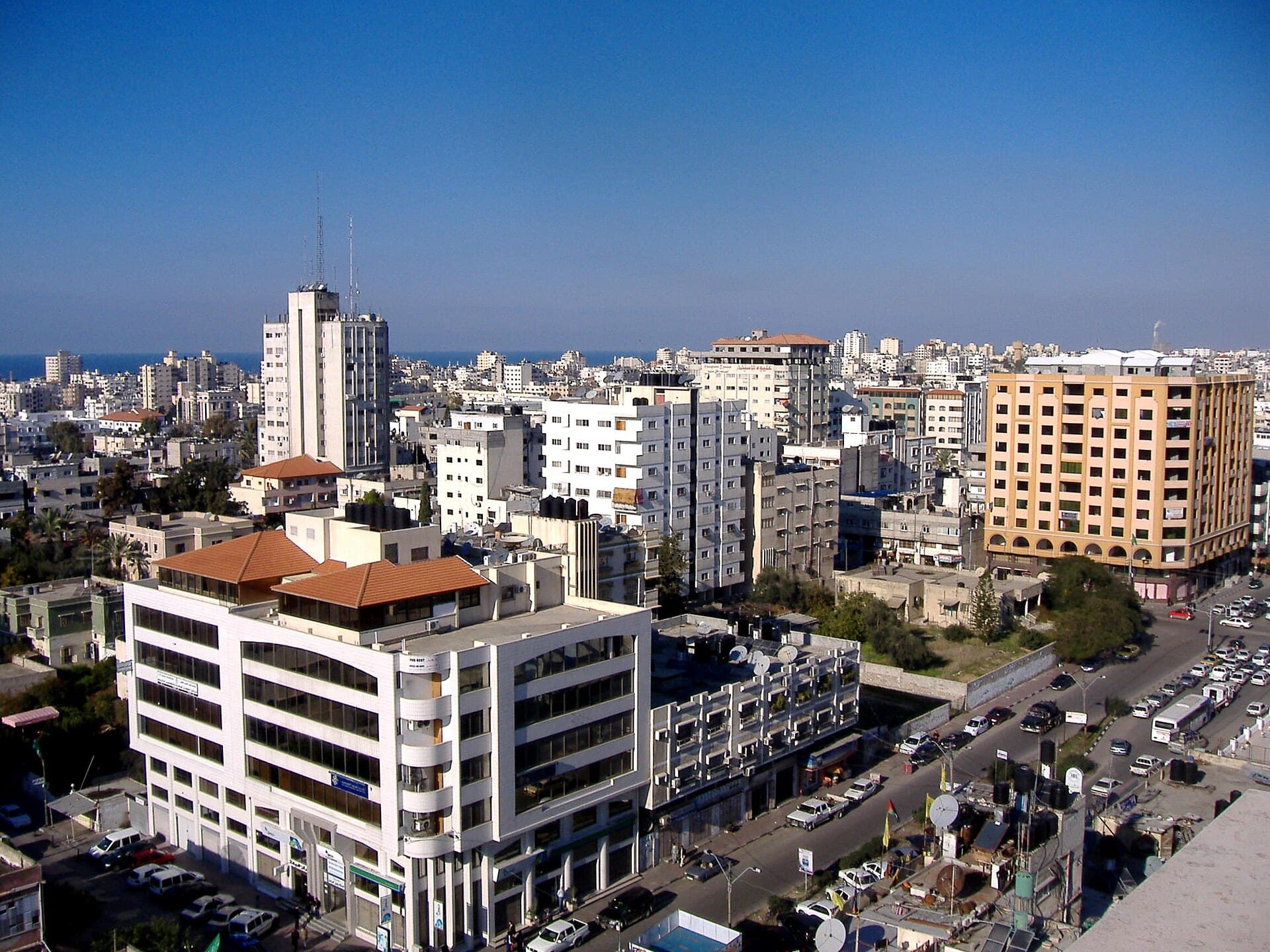
The fragile ceasefire that paused the war in Gaza is showing signs of strain, with Israel expanding the territory under its control, disarmament talks stalled and near-daily violence continuing despite the truce. For Canada, which recognised a Palestinian state last year and has committed hundreds of millions of dollars in humanitarian aid, the deteriorating situation poses a test of its diplomatic commitments and its vision for a two-state solution.
The unravelling of the truce, even short of a full collapse, carries profound consequences for the civilians of Gaza and for the international effort to chart a path beyond the war. It also confronts countries like Canada with hard questions about how to translate stated principles into meaningful influence over events on the ground.
A ceasefire under pressure
The ceasefire between Israel and Hamas that took effect in late 2025 saw Israeli forces withdraw to a demarcation known as the yellow line, which initially encompassed roughly 53 per cent of Gaza. Since then, Israel has gradually expanded that line westward and now controls a larger share of the territory, raising concerns that the truce is eroding in practice even if it has not formally collapsed.
The official charged with implementing the United States-brokered ceasefire has warned that a failure to advance the agreement would entrench a dangerous status quo, leaving roughly two million Palestinians without a viable future while cementing a long-term Israeli presence across more than half of the devastated territory. The warning captures the precariousness of a deal that has paused, but not ended, the conflict.
The gradual expansion of the line of control has fuelled fears that a temporary military arrangement could harden into a permanent division of the territory. Such an outcome, observers warn, would foreclose the prospects for a viable Palestinian state and leave Gaza's population in indefinite limbo.
Violence and humanitarian crisis
Despite the ceasefire, violence has persisted. According to Palestinian health authorities, hundreds of people have been killed since the truce took effect, amid reports of near-daily airstrikes. The continued bloodshed underscores how tenuous the arrangement remains and how far the situation is from a genuine cessation of hostilities.
The humanitarian toll is staggering. Nearly the entire population of Gaza has been displaced, with the vast majority dependent on aid for survival. Access for humanitarian organisations has been severely restricted at various points, compounding a crisis that has left civilians without reliable access to food, water, shelter and medical care.
Aid agencies have repeatedly warned that the scale of need far outstrips the assistance able to reach Gaza, particularly when access is constrained. The combination of mass displacement, destroyed infrastructure and intermittent aid has created conditions that humanitarian officials describe as catastrophic for the civilian population.
The disarmament impasse
A central obstacle to advancing the agreement is the question of disarmament. Hamas rejected a plan that would have required it to hand over its heavy weapons and provide maps of its tunnel network within a set timeframe, while Israel has indicated it will not withdraw from the yellow line. The result is a deadlock that leaves the next phase of the agreement in limbo.
The standoff illustrates the deep mistrust that pervades the process and the difficulty of moving from a fragile pause to a durable resolution. Each side conditions its cooperation on the other's actions, and neither has shown willingness to take the first step, leaving the ceasefire suspended in an uneasy and unstable equilibrium.
Disarmament has long been among the thorniest issues in any settlement, touching directly on questions of security, sovereignty and survival for the parties involved. Without a mechanism to break the impasse, the agreement risks remaining frozen at its current, precarious stage indefinitely.
Canada's recognition of Palestine
Canada's stake in the outcome was elevated by its decision to recognise the State of Palestine in September 2025, part of a coordinated international effort to preserve the possibility of a two-state solution. That recognition was predicated on commitments from the Palestinian Authority to undertake governance reforms, hold elections in which Hamas could play no part, and work toward a demilitarised state.
The recognition placed Canada among a group of nations seeking to keep the two-state framework alive at a moment of profound crisis. But the deteriorating conditions on the ground, the stalled disarmament talks and the expansion of Israeli control all complicate that vision, raising questions about how Canada's commitment translates into practical influence.
Recognition was a significant diplomatic step, signalling Canada's view of how the conflict should ultimately be resolved. Yet a declaration of statehood means little without progress toward the conditions, security, governance and territory, that would allow a Palestinian state to actually function.
Canadian aid and diplomacy
Canada has committed substantial humanitarian assistance, with total funding for Gaza exceeding $340 million and additional contributions announced more recently, including support intended for Palestinian Authority governance work. Canadian aid has also featured in efforts to deliver relief to Gaza, including airdrops conducted after access restrictions were eased.
Ottawa has consistently called for a United Nations-led humanitarian response with safe and unimpeded access into and within Gaza, and it has reaffirmed its commitment to a two-state solution. The challenge is that Canada, like many middle powers, has limited direct leverage over the parties, and its influence depends heavily on coordinated international action.
The reliance on airdrops, an inefficient and limited means of delivering aid, illustrates the difficulty of reaching a population in need when overland access is constrained. It also underscores the gap between the scale of Canada's stated commitment and its practical ability to shape conditions on the ground.
What it means for Canadians
The conflict resonates strongly within Canada, home to significant communities with deep ties to the region on multiple sides. The war and its aftermath have prompted intense debate, advocacy and, at times, division, making the government's approach a matter of considerable domestic significance as well as foreign policy.
For Canada, the situation tests the credibility of its stated principles, including its support for international law, humanitarian access and a negotiated two-state outcome. How Ottawa navigates the fraying ceasefire and the broader crisis will shape its standing on one of the most contentious issues in global affairs.
The domestic stakes are real as well, given how deeply the conflict is felt within Canadian communities. Successive governments have struggled to articulate a position that addresses the concerns of all those affected, and the renewed instability ensures the issue will remain a focus of public attention.
The regional and diplomatic stakes
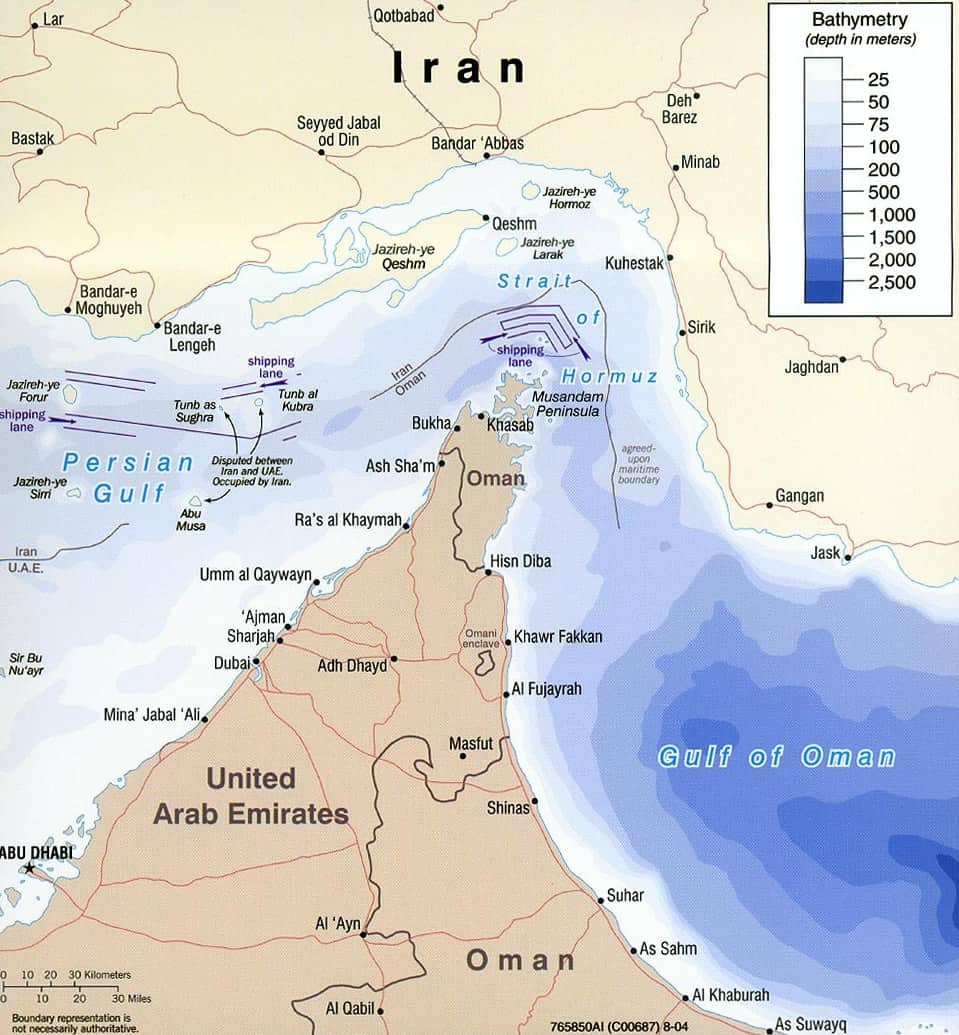
The fate of the Gaza ceasefire carries implications that extend well beyond the territory itself. The broader Middle East has been gripped by instability, including a separate and severe conflict involving Iran, and the interconnected nature of the region's crises means that developments in one arena can reverberate across others. A collapse of the Gaza truce could complicate already fragile diplomatic efforts elsewhere.
For the international coalition that brokered and backs the ceasefire, maintaining the agreement is a test of credibility. The involvement of the United States and other powers in mediating the deal means that its success or failure reflects on the broader effort to stabilise the region. The warnings from the official overseeing implementation underscore how much is riding on advancing the agreement to its next phase.
Canada's role within that effort is modest but not insignificant. As a country that has recognised a Palestinian state and contributed substantial humanitarian aid, Canada has aligned itself with the international push for a negotiated two-state outcome. Its influence operates primarily through coordinated diplomacy and assistance rather than direct leverage over the parties on the ground.
The humanitarian imperative remains paramount regardless of the diplomatic manoeuvring. With nearly the entire population of Gaza displaced and dependent on aid, the immediate priority for many governments, Canada included, is ensuring that assistance can reach those in need. That goal has repeatedly run up against the constraints imposed by the conflict and the restrictions on access.
How the situation evolves will shape not only the lives of Gaza's civilians but also the prospects for the wider regional stability that Canada and its allies seek. The fraying of the ceasefire serves as a reminder of how precarious that stability remains and how difficult the path to a durable peace continues to be.
The challenge of reconstruction
Even if the ceasefire holds, the scale of the task facing Gaza is immense. The territory has suffered widespread destruction, with homes, hospitals, schools and basic infrastructure reduced to rubble across much of the strip. Rebuilding will require enormous resources, sustained access for materials and labour, and a stable security environment, none of which is currently assured given the fragility of the truce.
The question of who will govern and oversee reconstruction is itself deeply contested. Discussions about transitional governance structures have been part of the international effort surrounding the ceasefire, but the disarmament impasse and the broader political deadlock complicate any path forward. Without resolution of those fundamental questions, large-scale reconstruction is difficult to envision.
For donor countries, including Canada, reconstruction poses both an opportunity and a dilemma. Contributing to rebuilding could help stabilise the territory and improve the lives of its residents, but doing so amid an unresolved conflict and uncertain governance carries significant risks. Aligning assistance with conditions that support a durable peace is a delicate balance.
The humanitarian imperative, meanwhile, cannot wait for the politics to be settled. With nearly the entire population displaced and dependent on aid, the immediate needs are acute, and the gap between emergency relief and long-term reconstruction is one that the international community has struggled to bridge. How that challenge is met will shape the future of the territory for years to come.
What's next
The immediate concern is whether the ceasefire can be stabilised and advanced, or whether the expansion of Israeli control and the disarmament impasse will cause it to unravel further. The warnings about a dangerous status quo suggest that without progress, the situation could deteriorate further for Gaza's civilian population.
For Canada, the path forward lies in continued humanitarian support, coordinated diplomacy with allies, and pressure for the kind of governance reforms and security arrangements that a durable two-state solution would require. The coming weeks will reveal whether the fragile truce can hold, or whether the region faces a renewed descent into open conflict, with consequences that would reverberate far beyond the Middle East.
Spotted an issue with this article?
Have something to say about this story?
Write a letter to the editor