Carney suspends federal fuel excise tax through Labour Day in $2.4B affordability play
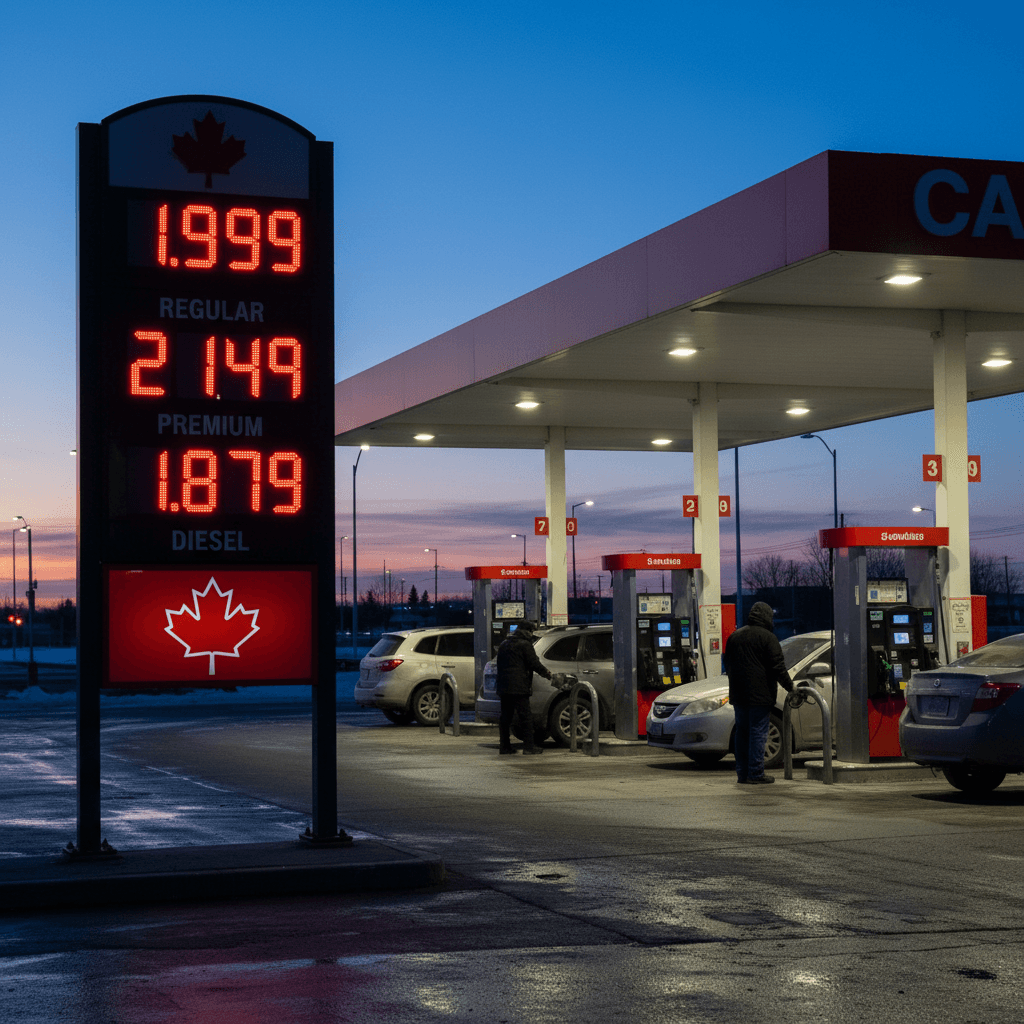
Prime Minister Mark Carney announced on April 14 that his majority Liberal government will suspend the full federal fuel excise tax on gasoline, diesel, and aviation fuel from April 20 through September 7, 2026. The government estimates the 4.5-month holiday will cut 10 cents per litre from regular gasoline, 4 cents per litre from diesel, and deliver $2.4 billion in total relief.
The suspension lands as Canadian households absorb another round of food and fuel inflation tied to Middle East oil disruptions, and it marks the first affordability measure of Carney's majority mandate.
What the measure changes at the pump
The federal excise rates being paused are 10 cents per litre on gasoline and 4 cents per litre on diesel. Aviation fuel is also covered. Provincial fuel taxes, the carbon price, and the GST on the remaining price are unaffected, which means the headline 10-cent figure represents the federal portion only and will vary at the pump with retail margins and provincial rates.
The holiday runs from April 20 to September 7 to capture the summer driving season, when demand and prices typically peak. Ottawa is framing the window as a targeted consumer cushion rather than a permanent rate cut.
Summer-blend math
Refiners begin switching to summer-blend gasoline in April, a more expensive formulation that reduces smog-forming emissions in warmer months. Industry estimates cited by the government peg the seasonal markup at 8 to 12 cents per litre, meaning much of the excise-tax relief could be offset by the blend change before drivers see a net decline at the pump.
That overlap is likely to shape how the savings appear regionally. Provinces with higher summer-blend requirements or tighter refining capacity may see smaller net drops, while markets closer to supply hubs could capture more of the federal cut.
Political positioning
Carney tied the suspension directly to affordability pressure and global energy volatility, citing Middle East supply disruptions as a driver of the inflation Canadian households are facing. CBC News reported the Prime Minister presented the measure as a temporary bridge while broader economic and trade pressures play out.
The choice of an excise-tax holiday over alternatives such as direct rebates or targeted transfers signals a preference for visible, pump-level relief that voters can see each time they fill up. It also avoids reopening debate over the federal carbon-pricing framework, which remains in place alongside the suspension.
What's next
The suspension will take effect April 20 and expires September 7 unless the government tables legislation to extend it. With Parliament sitting through the spring, opposition parties are expected to press Carney on whether a permanent rate reduction or a successor affordability package will follow, particularly if global oil markets remain unsettled into the fall. Coverage from Global News noted the measure's $2.4-billion cost will flow through the summer fiscal update. For more on federal economic policy, see politics coverage.