CFL Training Camps Open With Saskatchewan as Defending Champion and 113th Grey Cup on Horizon
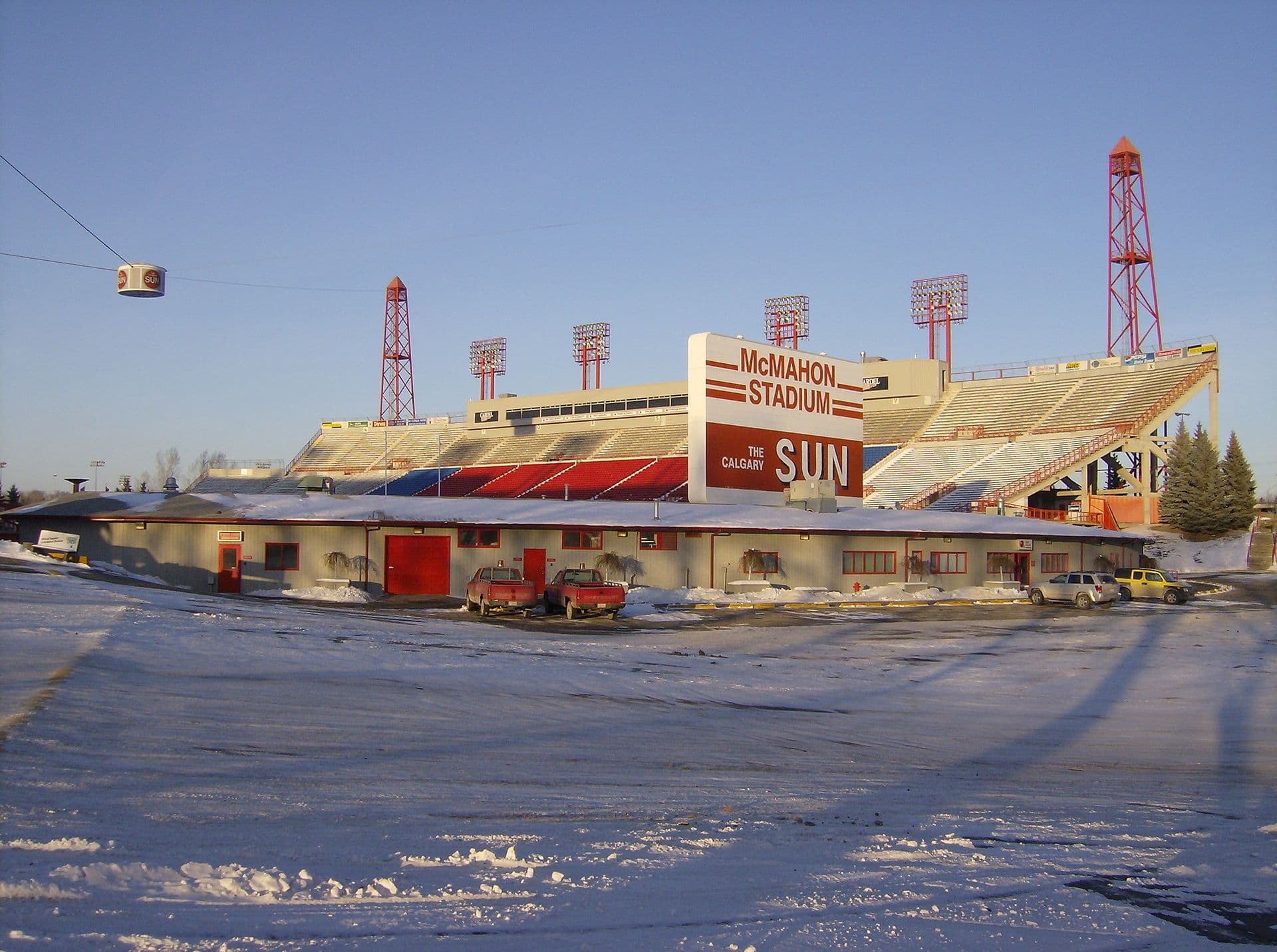
The Canadian Football League's nine teams have opened training camps and held the first preseason game of 2026, kicking off a four-week sprint to the start of the regular season on June 12. The road this year ends at McMahon Stadium in Calgary, where the 113th Grey Cup will be played in November, with the Saskatchewan Roughriders defending their title from a wire-to-wire 2025 campaign.
Camps open across the country
All nine CFL clubs began their 2026 training camps over the past two weeks, with main camp commencing on May 10 and a roster cutdown to 75 players on May 12. The first preseason game went on Monday at McMahon Stadium between the Roughriders and the host Calgary Stampeders, the unofficial start of the football year in Canada.
For most teams, the period between now and June 12 is the only sustained on-field installation time of the season. CFL training camps are short by comparison to NFL counterparts, and that compression places a premium on quick integration of new players and rapid evaluation of position battles. Cutdowns will continue over the next three weeks as rosters narrow to 45 active players.
The defending champions
The Saskatchewan Roughriders enter the season as the defending Grey Cup champions, having ended a long title drought in 2025 with a wire-to-wire campaign that saw them finish at the top of the league. The Roughriders return much of their core roster, although key personnel decisions on contracts and depth charts will be made during camp.
Head coach Corey Mace, in his second season behind the bench, said the team is approaching camp with a clear understanding that defending a title requires more than coasting on last year's results. According to the head coach, the standard the franchise set in 2025 is now the floor, not the ceiling.
Edmonton's playoff push
The Edmonton Elks enter 2026 with a clear and singular goal: to return to the playoffs for the first time in six seasons. After laying solid groundwork last year under first-year head coach Mark Kilam, the franchise added a series of significant free agent pieces over the offseason and believes it has assembled the kind of roster that can compete in the West Division.
The Elks have one of the longest active playoff droughts in the CFL and a passionate fan base that has grown frustrated with sustained rebuilding cycles. Kilam said the team will measure progress in three-game segments and that the focus in camp is on consistency in fundamentals, not on flashy roster moves.
BC and Rourke
The BC Lions enter camp with a renewed sense of stability after extending quarterback Nathan Rourke through 2028. Rourke, one of the most talented Canadian quarterbacks of his generation, has had spells in the National Football League but is back in BC and committed for the medium term. The extension is the kind of marquee signing that anchors a franchise's identity and gives a coaching staff time to build around its centrepiece.
For the Lions, the Rourke extension is also a competitive statement. The West Division has been a churn of contenders in recent years, and BC believes its combination of quarterback talent and roster depth gives it a credible shot at challenging Saskatchewan and Winnipeg for the division crown.
Montreal's record-breaking kicker returns
The Montreal Alouettes will once again have Mexican kicker Jose Maltos Diaz on the roster, after he broke the CFL single-season field goal record with 58 field goals in 2025. Maltos Diaz finished first in the league in field goals last season and was a critical part of the Alouettes' competitiveness in tight games.
For the Alouettes, the return of Maltos Diaz is one of several elements of continuity in a year when the East Division is expected to be wide open. Toronto, Hamilton and Ottawa all enter camp with credible playoff cases of their own, and Montreal will need consistency in special teams to give itself an edge.
Position battles to watch
Training camp produces position battles at every CFL club. Winnipeg, which has been one of the league's most consistent franchises over the past decade, has questions in the secondary after offseason departures. Hamilton is looking for a more reliable answer at quarterback after a difficult 2025. Toronto is reshaping its offensive line, and Ottawa is trying to convert a young roster into a playoff team.
Calgary, which will host the Grey Cup, is rebuilding under a new coaching regime and is one of the toughest teams in the league to project. The Stampeders' tradition gives them a baseline of credibility, but the West Division remains brutal and Calgary will need rapid development from young talent to avoid another middling season.
The cutdown structure debate
The compressed CFL training camp structure has come under renewed scrutiny this year. Critics have argued that the cutdown schedule pressures teams to make roster decisions before they have enough information, and that the timing disadvantages Canadian players who are still adjusting to the professional game.
Coaches across the league have weighed in on the debate. Several said the system, while imperfect, is the product of the CFL's financial realities. Others argued that small tweaks, such as an extra preseason game or a slightly delayed cutdown, could make a meaningful difference in the development of younger talent.
Economic and cultural context
The CFL plays a unique role in Canadian sport and culture, anchoring summers in cities such as Regina, Winnipeg and Hamilton in particular. Television ratings have stabilised in recent years and attendance has trended upward in several markets. The league's collective bargaining agreement with players remains in place, providing labour stability through the 2026 season.
For sponsors and broadcasters, the league offers a Canadian property in a sports calendar otherwise increasingly dominated by American leagues. The challenge is keeping a younger audience engaged in a game that has been part of the Canadian sports landscape for more than a century.
Toronto and the East Division race
The Toronto Argonauts are reshaping their offensive line and bringing in new talent on both sides of the ball after a disappointing 2025 campaign. The franchise, the oldest professional sports team in North America, has been working to rebuild its competitive standing in the East Division. Head coach Ryan Dinwiddie has emphasised the importance of building consistency at quarterback and on the line of scrimmage.
The Hamilton Tiger-Cats and the Ottawa Redblacks round out the East Division. Hamilton is looking for more reliable quarterback play after a difficult 2025, while Ottawa is trying to convert a young roster into a playoff team. The East Division has been wide open in recent years, and 2026 looks likely to continue that trend.
The international player rule
The CFL's international ratio rules, which require a minimum number of Canadian players on the roster, continue to shape team construction. Several teams have invested significantly in Canadian talent development, both through Canadian university football and through targeted recruitment. The 2026 rosters reflect the depth of Canadian football talent across the country.
International players from other leagues, including those who have come through the National Football League system, continue to add quality to CFL rosters. Several teams have brought in players with NFL experience over the off-season, including former NFL receivers, defensive backs and special teams contributors. The league's distinctive style of play, including the wider field and three-down format, has historically rewarded specific skill sets that not all imports adjust to easily.
The economic and broadcast picture
The CFL's broadcast partnership with TSN has been one of the most consistent sources of revenue for the league. Television ratings have held up in core markets, and digital streaming options have expanded reach to younger viewers. The league's challenge has been to translate stable broadcast revenue into commercial growth across other channels.
Several teams have invested in stadium upgrades, fan experience initiatives and community engagement. Attendance has trended upward in markets such as Regina, Winnipeg and Edmonton, while remaining a work in progress in others. The league's long-term sustainability depends on continuing to build in markets where football is part of community identity while finding new ways to engage casual fans.
What's next
The CFL preseason continues over the next two weeks, with each team scheduled to play one or two exhibition games before the regular season opens on June 12. Roster decisions, including final cutdowns, will be made in late May and early June.
The 113th Grey Cup, scheduled for November at McMahon Stadium in Calgary, will close out the season. Before then, the league will host games across the country in markets that, for many Canadians, still mark the rhythm of summer. The Roughriders begin their defence as the team to beat. The rest of the league spent the offseason figuring out how to topple them.
Spotted an issue with this article?
Have something to say about this story?
Write a letter to the editor