Gaza Ceasefire Stalls as Yellow Line Shifts and Canadian Aid Continues

The ceasefire between Israel and Hamas that began in October 2025 is fraying seven months in, with humanitarian needs escalating and the territorial boundary known as the Yellow Line continuing to shift westward. The deepening uncertainty leaves Canadian aid agencies and the federal government navigating one of the most complex humanitarian operations in the world.
The state of the ceasefire
Under the October 2025 ceasefire agreement, Israeli forces withdrew to a demarcation line known as the Yellow Line, which initially encompassed roughly 53 per cent of Gaza. In the seven months since, Israel has gradually expanded the line westward and now controls approximately 58 per cent of the territory, according to officials tracking the developments.
Israel has carried out near-daily airstrikes in Gaza, killing more than 850 people since the ceasefire began, according to figures provided by the Palestinian Ministry of Health. Officials at the United Nations have warned that the prolonged stalemate risks cementing Gaza's permanent division and creating what they describe as a dangerous status quo.
The disarmament dispute
The central sticking point is disarmament. In mid-April, Hamas rejected a disarmament plan put forward by the Board of Peace, which would have required the group to hand over heavy weapons and maps of its tunnel network within three months. Hamas later submitted a counter-offer that tied any disarmament to guarantees for the establishment of a sovereign Palestinian state, a halt to Israel's westward expansion in the strip, and a complete ceasefire on attacks against its fighters.
Israel informed the Board of Peace that it would not withdraw from the Yellow Line and that its cabinet was considering whether to resume operations in the strip. The two positions appear, at the moment, irreconcilable. Diplomatic efforts to find a middle ground are continuing but have not produced visible progress.
The humanitarian situation
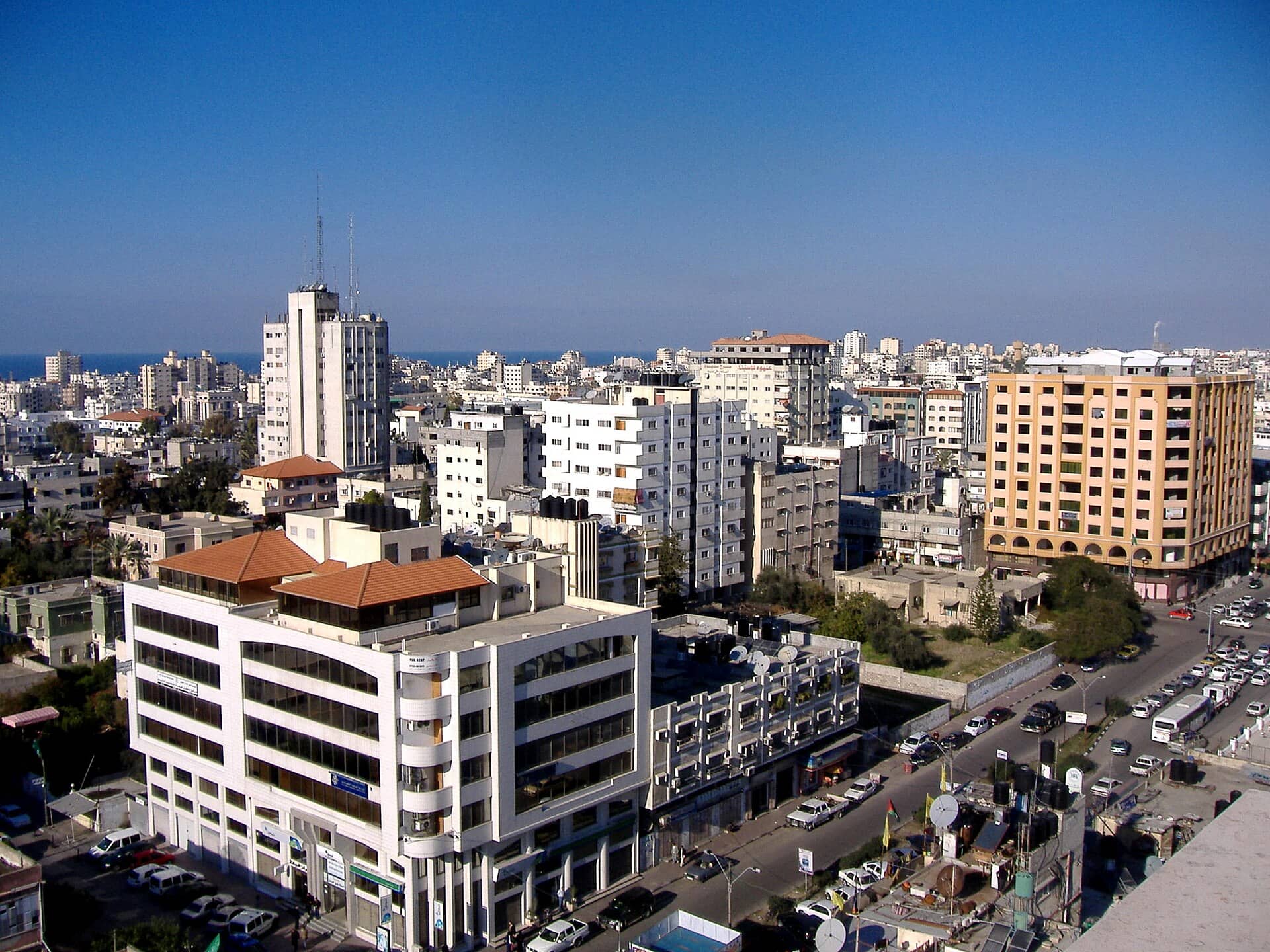
Humanitarian needs in Gaza have continued to escalate. Two million Palestinians live in conditions that the United Nations has described as catastrophic, with limited access to food, medicine, shelter and clean water. The humanitarian response is constrained by access restrictions, security concerns and damage to the strip's infrastructure.
Canadian aid organisations, including those that have long operated in the region, have continued to deliver assistance through partner networks. Global Affairs Canada has provided funding to United Nations agencies and Canadian aid organisations active in the response.
The Canadian position
The Carney government has supported the ceasefire and has called for both sides to abide by its terms while working toward a durable resolution. Canada has been a consistent provider of humanitarian assistance to the region and has called for unimpeded access for aid workers.
Canada has also continued to advocate for the protection of civilians and for accountability for violations of international law. The federal government has not joined some allies in formally recognising a Palestinian state but has expressed support for a two-state solution as the basis for a durable peace.
Domestic political pressure
The Gaza war has been one of the most politically sensitive foreign policy files in Canada. Public opinion has shifted significantly through the duration of the war, with a substantial majority of Canadians now expressing concern about the humanitarian situation in Gaza and calling for stronger Canadian action.
Within the Liberal caucus, members of Parliament have pressed for a more vocal Canadian stance on the war. The Bloc Québécois and the New Democrats have both called for formal recognition of a Palestinian state. The Conservatives have generally maintained support for Israel's right to self-defence while expressing concern about civilian casualties.
Diaspora communities
Canada is home to substantial Jewish, Arab, Palestinian, Lebanese and broader Middle Eastern diaspora communities. The war has been deeply painful for all of them, with families on the ground in the affected regions and with a sustained level of anxiety about the future.
Canadian community organisations have continued to advocate for their positions through public engagement, lobbying and humanitarian work. The federal government has provided consular support to Canadians affected by the war and has engaged with community leaders on policy issues.
Reconstruction questions
The questions of reconstruction and transitional governance loom over the file. The United Nations Security Council has heard updates on transitional governance structures and reconstruction efforts in Gaza, but the political conditions for either to proceed remain absent. Without progress on disarmament and on the boundary question, reconstruction at scale is difficult to imagine.
Several countries, including Canada, have signalled willingness to contribute to reconstruction if and when conditions permit. The scale of the need is enormous. Independent estimates of reconstruction costs run into the tens of billions of dollars, and the work would take a generation to complete.
The regional context
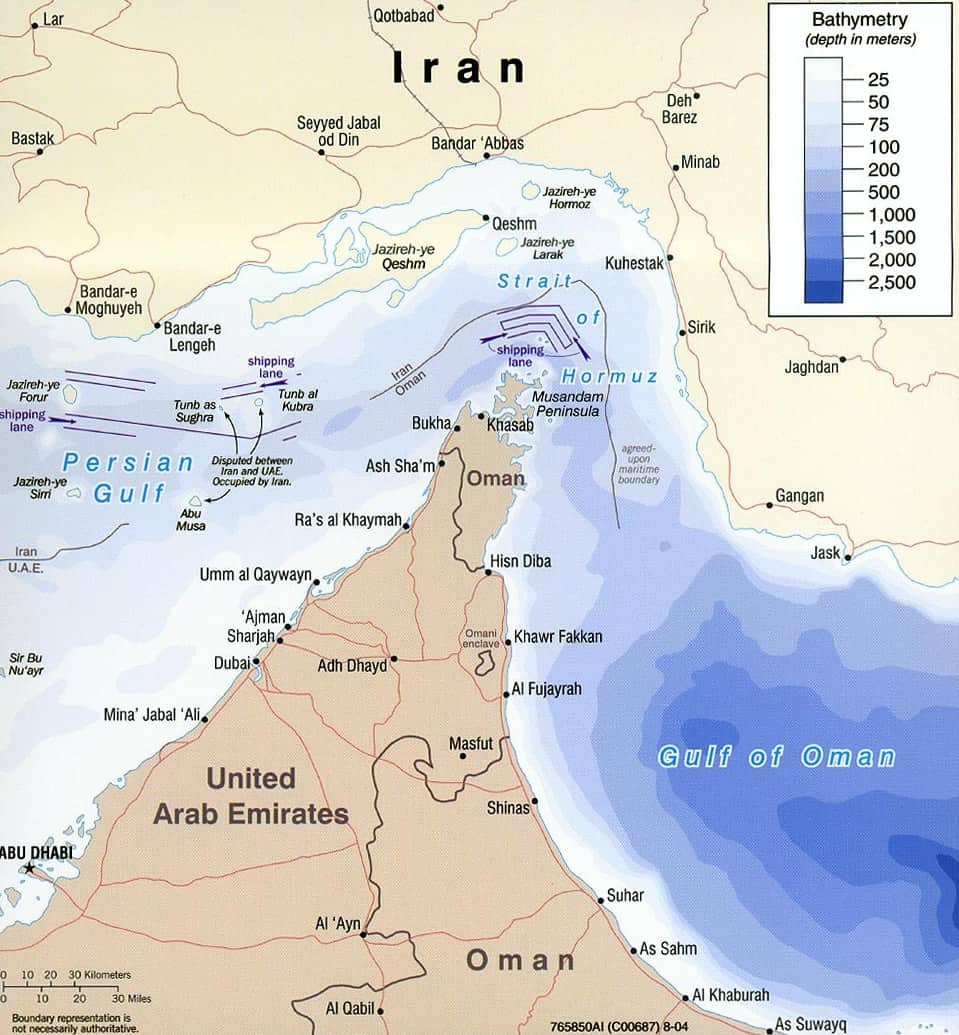
The Gaza situation cannot be fully separated from the wider Middle East. The ongoing Iran war has affected the diplomatic and security environment across the region. The trajectory of the Iran war, and of Israeli-Iranian dynamics more broadly, has implications for any Gaza settlement.
Regional powers, including Egypt, Saudi Arabia, Jordan and the United Arab Emirates, have been involved in different aspects of the diplomatic effort. The role of the United States, which is the dominant outside power involved, has been a constant feature of the file under the Trump administration.
The Canadian humanitarian funding
Canada has provided significant humanitarian funding for the response in Gaza through international agencies, including the United Nations Office for the Coordination of Humanitarian Affairs, UNICEF, the World Food Programme and the International Committee of the Red Cross. Canadian aid organisations have also raised significant private funds for the response.
Aid delivery has been complicated by access restrictions, security concerns and the practical challenges of operating in a partially destroyed territory. Canadian funding has supported food, medical care, shelter and protection programs.
The role of the Board of Peace
The Board of Peace, the transitional governance mechanism established under the October 2025 ceasefire agreement, has been the primary forum through which disarmament and reconstruction discussions have proceeded. The board's mandate is broad, but its political capacity has been limited by the deep mistrust between the parties and by competing pressures from regional and international actors.
The board has continued to operate even as the underlying ceasefire has frayed. Whether it can produce a breakthrough on the disarmament issue, or on the broader political settlement, will depend on factors that go well beyond the board itself. Major external actors, including the United States and key regional powers, will need to align behind a workable approach.
West Bank dynamics
The Gaza situation has unfolded alongside escalating violence and settlement expansion in the West Bank. The United Nations and several governments have raised concerns about settler violence against Palestinian communities, settlement expansion that contravenes international law, and Israeli military operations that have produced significant civilian casualties.
For Canadian foreign policy, the West Bank situation has been a related but distinct file. Canada has reiterated its long-standing position that settlements in occupied territories are contrary to international law and an obstacle to peace. Canadian officials have continued to advocate for restraint, accountability and respect for international humanitarian law.
The legal and accountability questions
The International Court of Justice and the International Criminal Court have been engaged with various aspects of the broader conflict. Cases at both institutions have raised complex legal questions about state and individual responsibility for actions during the war. Canada has emphasised the importance of international legal mechanisms while declining to take specific positions on pending proceedings.
The accountability questions are likely to continue for years, regardless of whether the immediate humanitarian and political situations stabilise. International legal processes operate on their own timelines, and major cases involving the conflict will be active well into the future.
What's next
The immediate question is whether the parties can find a way back to active negotiations on a durable settlement. The Board of Peace continues to engage with both sides, and outside powers are working through diplomatic channels.
For Canada, the work continues on multiple fronts: humanitarian funding, consular support, diaspora engagement and diplomatic advocacy. The federal government has shown no signs of stepping back from any of those commitments. The challenge, as the ceasefire continues to fray, is whether sustained engagement can help produce a more durable outcome or whether Canadians will be watching another collapse into open warfare in the months ahead.
Spotted an issue with this article?
Have something to say about this story?
Write a letter to the editor