Iran War Keeps Oil at Premium Prices and Drives Canadian Inflation
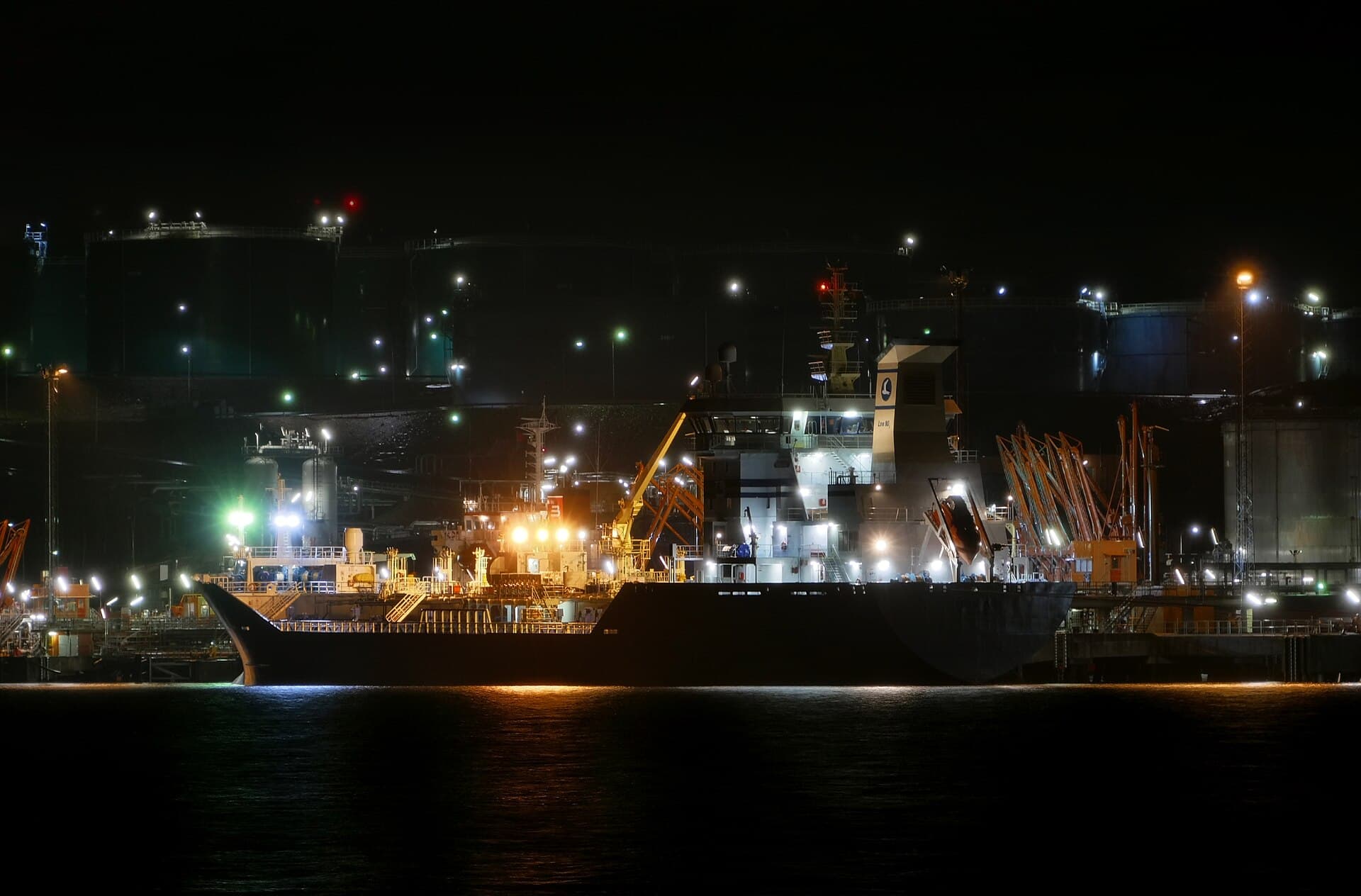
The war between the United States, Israel and Iran continues to ripple through global energy markets, with Brent crude trading near $120 a barrel and the Strait of Hormuz still operating under significant disruption. For Canadians, the war's economic effects are increasingly visible at the gas pump, in inflation data, and in the country's trade and energy strategies.
The state of the war
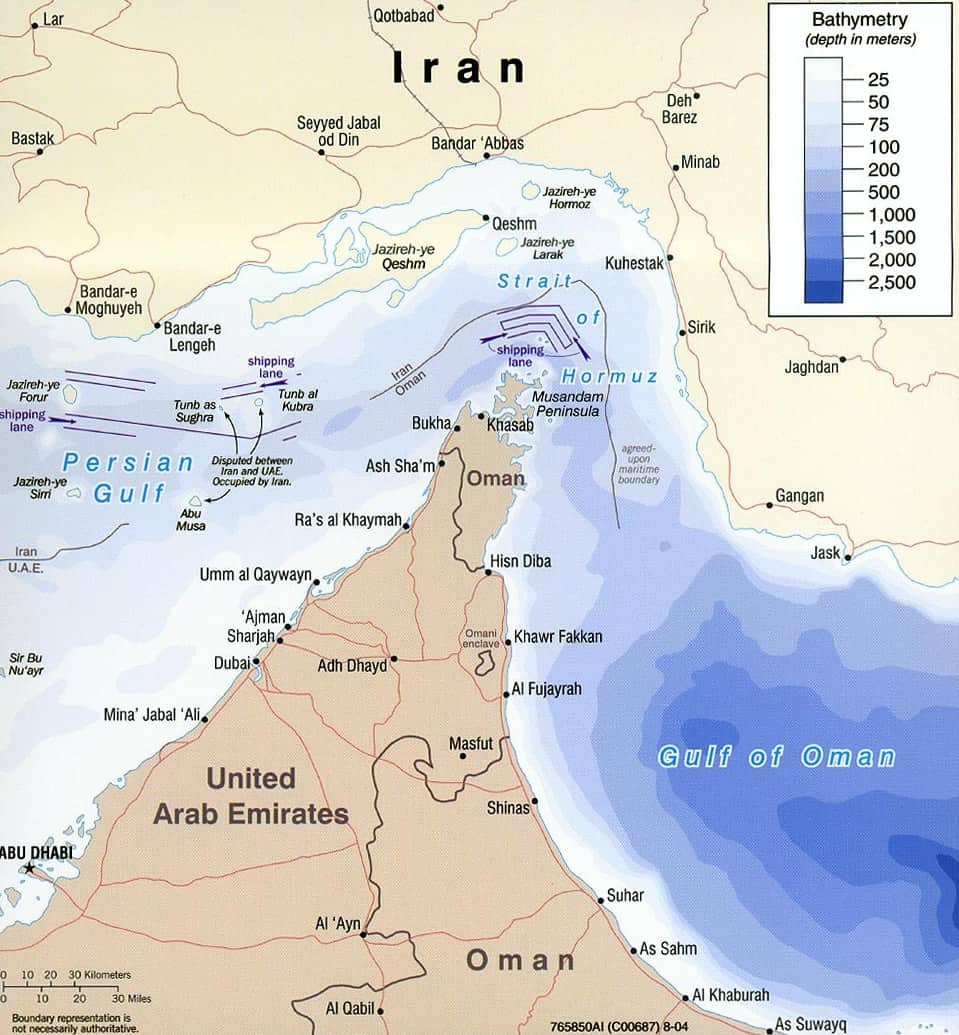
The conflict, which intensified earlier this year, has seen Iranian forces close the Strait of Hormuz at multiple points since early March and conduct attacks on commercial shipping attempting to transit the waterway. The strait carries roughly 20 per cent of the world's seaborne oil trade, and disruption there has translated into a sustained price premium across global benchmarks.
Israeli and American forces have struck Iranian nuclear facilities, energy infrastructure and military installations. Iran has retaliated against US bases in the region and against Israeli targets. The war has also raised tensions in adjacent theatres, with concerns that escalation could spill over into Egypt through the Gaza theatre or the Red Sea.
The price impact
Oil prices have surged more than 55 per cent since the start of the war, with Brent crude rising from around $72 a barrel on February 27 to nearly $120 at peak. US crude has settled at $106.88 per barrel in recent trading, while Brent stood near $118. Arab energy officials, including Qatar's energy minister, have warned that continued fighting could drive oil prices to $150 per barrel and natural gas prices to $40 per million British thermal units if Gulf exports are further constrained.
For Canadian consumers, the most visible effect has been at the pump. Canadian gasoline prices climbed 21.2 per cent on a monthly basis in March, according to Statistics Canada, the largest monthly increase for gasoline on record. The agency attributed the surge to the supply shock from the Middle East war.
The Bank of Canada response
The Bank of Canada has held its policy rate at 2.25 per cent since October, and the most recent decision in April kept the rate at that level. The central bank had reduced rates aggressively from late 2024 through 2025, but the inflationary impact of higher oil prices has paused that easing cycle.
According to the Bank of Canada, headline consumer price inflation climbed to 2.4 per cent in March because of sharply higher gasoline prices. The central bank expects inflation to rise further toward 3 per cent in April before easing if oil prices stabilise. The bank's projection remains that inflation will return to its 2 per cent target early next year, conditional on the oil price assumption holding.
The energy export angle
For Canadian energy producers, the war has been a complicated story. Higher prices have boosted revenues, supported provincial royalties, and given the Carney government significantly more fiscal room than it had projected. The spring economic update tabled in April showed a federal deficit roughly $11 billion smaller than projected in the autumn, in part due to revenue from surging oil prices.
The geopolitical pressure has also given Canada's energy diversification strategy renewed urgency. The recent Canada-Alberta agreement to fast-track a bitumen pipeline to Asian markets is, in part, a response to demand from Asian buyers seeking alternatives to Middle Eastern supply. Canadian liquefied natural gas projects on the British Columbia coast have also seen heightened investor interest.
Inflation pressure on households
For Canadian households, the war's most direct cost is higher gasoline and home heating prices. The pressure compounds the affordability concerns that have dominated Canadian politics for years. Food prices have also been affected, given the heavy use of energy in agriculture and food transportation.
The federal government has not introduced new targeted measures specifically to offset the oil price impact, beyond the broader affordability commitments in the spring economic update. Some provinces have used their own fiscal tools, including temporary fuel tax adjustments, to soften the blow at the pump.
Diaspora and humanitarian concerns
Canada is home to significant Iranian Canadian, Iraqi Canadian and broader Arab Canadian communities, many of whom have been deeply affected by the war. The federal government has provided consular support to Canadians in the region and has worked with allies on humanitarian access in the most affected areas.
Diaspora organisations have been active in advocacy, calling for stronger Canadian voices in international forums, expanded humanitarian assistance, and support for civil society in the affected countries. The government has expanded humanitarian funding through United Nations agencies and Canadian aid organisations active in the region.
Canadian strategic posture
Canada has maintained a posture of measured engagement on the conflict, supporting de-escalation through diplomatic channels and providing humanitarian assistance. Canadian Armed Forces personnel deployed in the region have remained in support and training roles rather than direct combat operations.
Canada has not joined American or Israeli military operations against Iran. The Carney government has emphasised support for international law, protection of civilians and concern about the risks of regional escalation. That posture has drawn criticism from some quarters as too cautious and praise from others as appropriately restrained.
The shipping industry
The Strait of Hormuz disruption has affected international shipping in ways that ripple through Canadian supply chains. Insurance costs for vessels transiting affected areas have risen sharply, and several shipping companies have rerouted vessels through longer alternative routes, raising costs and delaying deliveries.
Canadian importers and exporters that depend on Asian and Middle Eastern markets have had to absorb higher freight costs and longer lead times. Manufacturers reliant on parts and inputs from Asia have particularly felt the effect, with knock-on impacts on production scheduling and pricing.
The Canadian Forces in the region
Canadian Armed Forces personnel are deployed in the Middle East under Operation IMPACT, the Canadian contribution to the global coalition against the Islamic State in Iraq and Syria. The mission has continued in various forms since 2014 and has included training, intelligence, and capacity-building support to regional partners.
The expanded regional conflict has not led to a major change in the Canadian force posture, although the operating environment has become more complex. Canadian personnel are subject to standard security protocols that have been adjusted to account for the heightened threat environment. The Canadian government has emphasised the importance of force protection and risk management.
The financial market response
Canadian financial markets have responded to the oil price surge with significant moves in energy stocks and in the Canadian dollar. The energy-heavy composition of the Toronto Stock Exchange has meant that oil-related gains have supported broader index performance, even as other sectors have faced headwinds from higher input costs.
The Canadian dollar has strengthened against several major currencies on the back of the oil price story, although the picture against the US dollar has been mixed given the broader geopolitical context. Currency strategists have noted that the loonie's relationship with oil prices has not been as tight as in some past cycles, in part because monetary policy and trade flows have introduced offsetting pressures.
The diplomatic engagement
Global Affairs Canada has maintained active engagement with regional partners and with allies on the conflict. Canadian diplomats have participated in multilateral discussions on humanitarian access, nuclear non-proliferation and post-conflict planning. The Canadian government has supported initiatives at the United Nations and through the G7 to advance diplomatic options.
The Canadian embassy in Tehran has been closed since 2012, and Canada-Iran diplomatic relations have remained limited. Consular services for Canadians in Iran have been provided through Italy as a protecting power. The deeper diplomatic engagement on the file has gone through European partners and through multilateral channels.
What's next
The trajectory of the war remains uncertain. Diplomatic efforts to broker a pause in hostilities have so far produced limited results. Iran's nuclear program, the focus of much of the strategic concern, remains a contested file. The risk of further escalation in adjacent theatres continues to weigh on regional and global stability.
For Canada, the immediate work will continue on multiple fronts. Domestic inflation management remains a priority for the Bank of Canada. Energy diversification continues through pipeline and LNG investments. Humanitarian and consular work in the region continues through Global Affairs Canada. And the broader question of how Canada positions itself in an increasingly unstable global energy market will continue to shape both economic and foreign policy for the foreseeable future.
Spotted an issue with this article?
Have something to say about this story?
Write a letter to the editor