PEI tables record $410M deficit and scraps energy rebate in 2026 budget
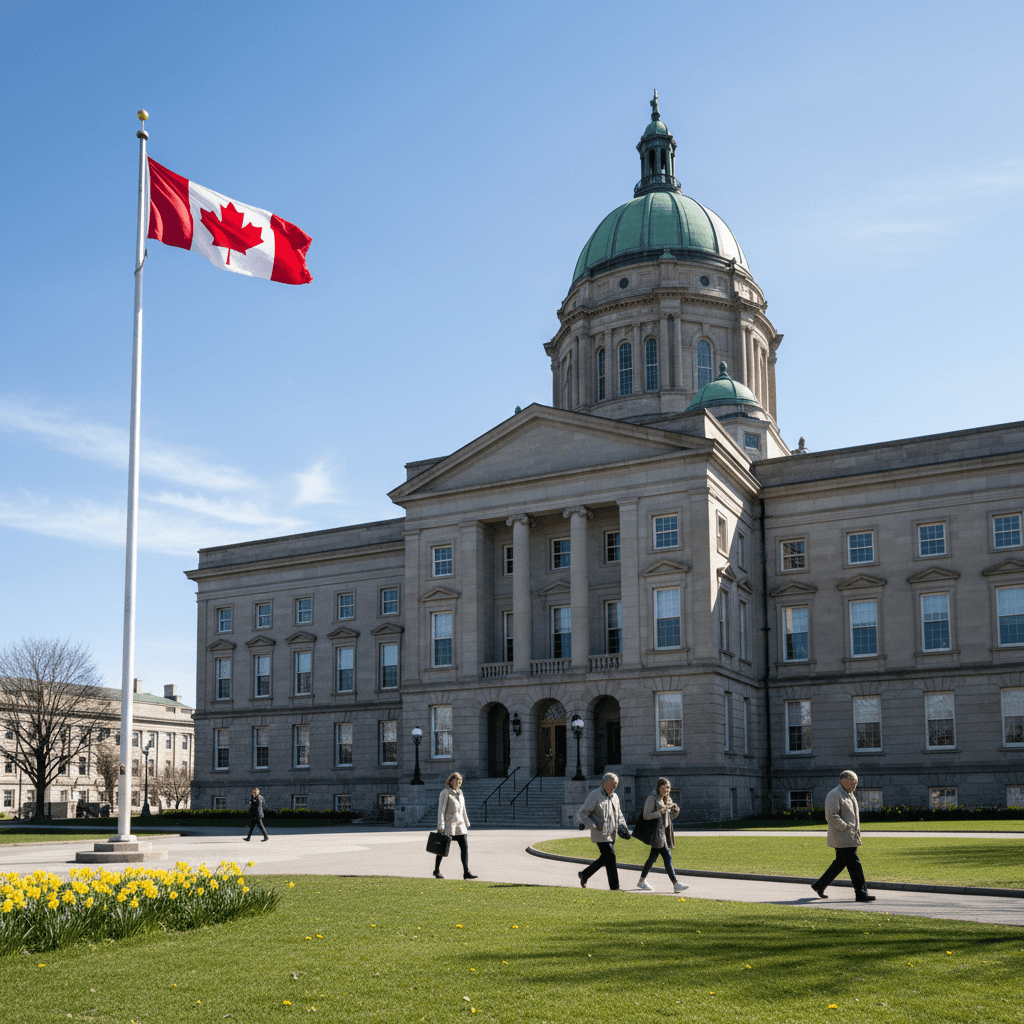
Finance Minister Jill Burridge tabled Prince Edward Island's 2026-27 operating budget on April 15, projecting a record $410-million deficit and unveiling a package of cuts and tax changes that will raise electricity bills for most Islanders. The government will scrap the P.E.I. Energy Rebate Program, introduce a new personal income tax bracket on income over $200,000, pause the Community Housing Expansion Program and wind down the Tariff and Trade Contingency Fund.
The measures land as PEI carries the largest deficit as a share of provincial economy of any Canadian jurisdiction, placing pressure on household budgets already strained by housing and grocery costs.
The numbers
According to provincial budget documents, the 2026-27 deficit is projected at $410 million, while the previous year's 2025-26 shortfall has been revised upward to $449.6 million. Both figures are records for the province.
- 2026-27 projected deficit: $410 million
- 2025-26 deficit revised to $449.6 million
- New high-income tax bracket: applies above $200,000, generating roughly $4.4 million per year
- Energy Rebate Program: eliminated, raising residential electricity bills
- Community Housing Expansion Program: paused
- Tariff and Trade Contingency Fund: cut, citing low uptake
Burridge framed the budget as a reset rather than austerity, arguing that preserving front-line health and education spending required trimming subsidy programs and narrowing tax relief.
Energy rebate loss hits households
The Energy Rebate Program had shaved a defined amount off Maritime Electric bills each month, partially offsetting rate increases approved by the regulator. Its removal will flow through to residential bills within the next billing cycle. CBC News reported that opposition MLAs called the change a stealth rate hike, while the government argues the rebate was a blunt tool that benefited high-consumption households disproportionately.
Low-income supports remain in place, but advocacy groups have warned that the gap between the lost rebate and targeted programs will be felt most by working households earning just above thresholds.
Why PEI's fiscal hole is deeper than peers
PEI's small tax base makes it sensitive to swings in health spending, federal transfer timing and the province's tariff-exposed agri-food and seafood sectors. CTV Atlantic reported that the planned deficit is the largest in provincial history on both absolute and relative measures.
The new high-income bracket is expected to raise about $4.4 million annually, a figure dwarfed by the deficit itself but symbolically important to the government's argument that better-off Islanders are contributing to the recovery.
What's next
Budget estimates debate begins in the legislature in the coming weeks, and the fate of the paused Community Housing Expansion Program will be a flashpoint given the province's housing shortage. Credit-rating agencies are likely to reassess PEI's outlook once the full fiscal plan is published, and Atlantic peers will be watching closely as Atlantic provinces confront similar deficit pressures.