Strait of Hormuz Blockade Pushes Brent Above $107 as Canadian Producers Reap Windfall

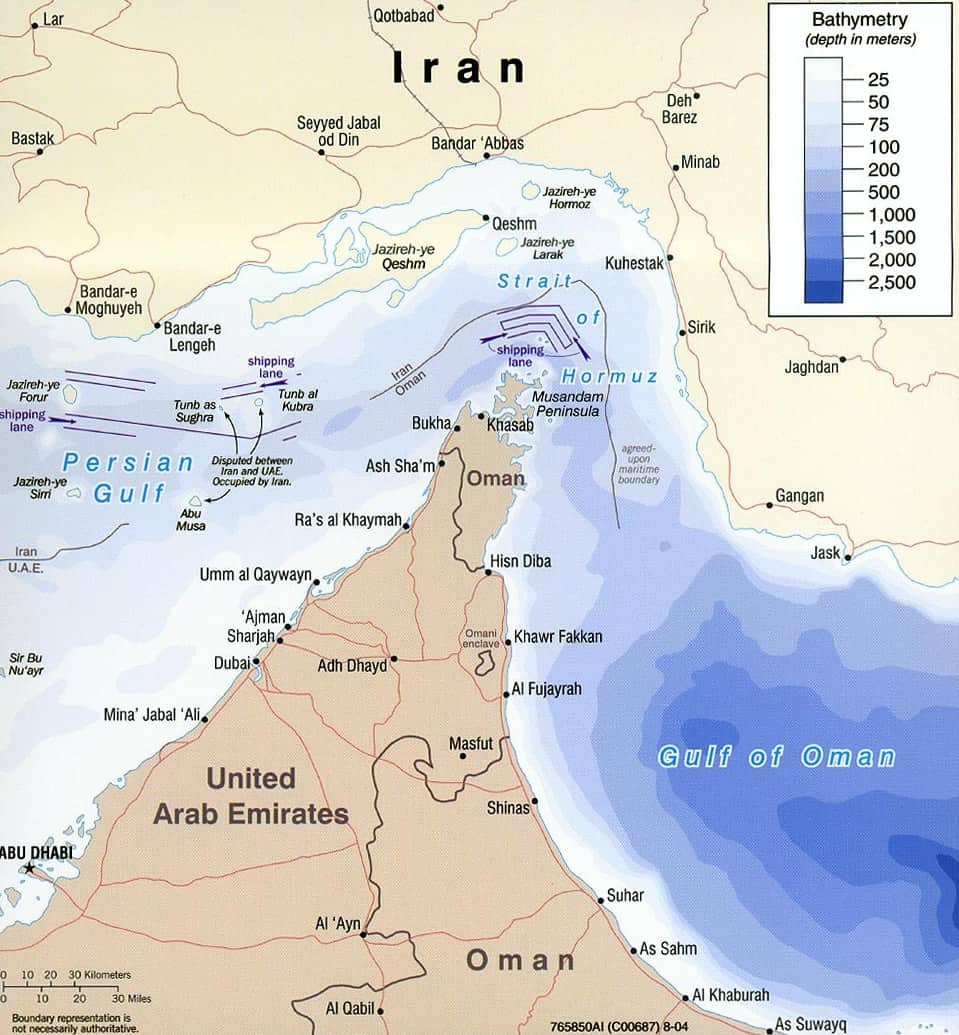
The continuing blockade of the Strait of Hormuz by Iran has pushed Brent crude futures above $107 a barrel and lifted both Brent and West Texas Intermediate by more than 45 per cent since February 28, when the United States and Israel launched an air war against Iran. The disruption, which has restricted roughly 20 per cent of global oil supplies and substantial volumes of liquefied natural gas, has reshaped Canadian fiscal and industrial calculations and reinforced the Carney government's push to expand domestic energy infrastructure even as climate considerations remain on the policy agenda.
The conflict that triggered the blockade has its origins in failed nuclear negotiations in Geneva and in the earlier 2025 air conflict between Israel and Iran. Shipping traffic through the strait has been largely halted since the end of February, when the joint US-Israeli campaign began and Iran's supreme leader, Ayatollah Ali Khamenei, was killed in a targeted strike. The ceasefire negotiated several weeks ago remains fragile, and US President Donald Trump has publicly rejected a Tehran counteroffer that he called "garbage," warning that the truce is on "life support."
How the blockade is affecting markets
The closure of the strait has had cascading effects across global energy markets. Roughly a fifth of the world's crude oil and a significant share of LNG normally transits through the narrow waterway between Iran and Oman, and even partial disruption has been enough to drive sustained price increases. International benchmark Brent crude futures for July gained 3.4 per cent in a single session this week to close above $107 a barrel.
The price increases have flowed through to refined products, with diesel and jet fuel facing particular pressure given their reliance on Middle Eastern crude grades. Gasoline prices at the pump have risen in most countries, including Canada, and shipping costs have increased as carriers reroute traffic away from affected areas and as insurance premiums rise on remaining vessels in higher-risk zones.
Equity markets in energy-exporting jurisdictions have rallied. Canadian energy stocks have outperformed the broader market through the spring, with major producers reporting strong cash flow projections at current price levels. The price environment has also benefited federal and provincial revenues, particularly in oil-producing provinces where royalty revenues are sensitive to commodity prices.
Canadian fiscal implications
The Canadian fiscal benefit of higher oil prices is concentrated in Alberta, Saskatchewan, and Newfoundland and Labrador, where royalty regimes capture a share of producer revenues. Alberta in particular has seen significant upward revisions to projected royalty income, with provincial finance officials indicating that higher prices have improved the budget outlook even as economic uncertainty remains elsewhere. The federal government also benefits indirectly through higher corporate tax receipts from the energy sector.
Inflation, however, is moving in the opposite direction. Canadian consumer price inflation rose from 1.8 per cent in February to 2.4 per cent in March, with the Bank of Canada identifying higher oil prices as a key driver. The April CPI release, scheduled for May 19, will provide an updated reading. The bank has held its overnight rate at 2.25 per cent through the recent volatility, but officials have indicated that if oil prices remain elevated, additional monetary policy action may eventually be required.
For Canadian households, the higher prices translate into more expensive gasoline, diesel, and home heating fuels. Inflationary pressures in the broader basket have also been visible in food prices, in part because diesel-intensive supply chains are particularly sensitive to fuel cost increases. The Carney government has indicated it will use targeted measures to support households most affected by energy cost increases, but it has been wary of broad-based interventions that might worsen overall inflation.
The industrial response
Canadian energy companies are responding to the higher price environment with caution rather than aggressive new investment. Industry executives have spoken publicly about the lessons of past oil price cycles, in which capital-intensive expansion at peak prices left producers exposed when prices subsequently fell. The current environment is also being shaped by climate policy uncertainty, by tariff and trade pressures, and by the complex regulatory landscape in Canada.
The Carney-Smith pipeline implementation agreement signed in Calgary on May 15 fits within this context. By providing a clearer regulatory path for a new west coast oil pipeline, the agreement addresses one of the longest-standing constraints on Canadian oil export expansion: the dependence on US Gulf Coast refineries reached through existing pipeline infrastructure. The blockade of the Strait of Hormuz has reinforced the strategic argument for diversifying Canadian oil export destinations, particularly toward Asian markets where Persian Gulf supply has been most disrupted.
LNG producers in British Columbia have similarly benefited from the disruption to Middle Eastern gas exports. LNG Canada's first cargoes from Kitimat, which began shipping in the past year, have arrived in Asian markets at premium prices. Additional LNG projects in development, including LNG Canada's second phase and the Cedar LNG project, have been receiving renewed industry attention. Canadian export infrastructure for LNG remains limited, but the price environment is changing the economics of additional investment.
The diplomatic dimension
The Strait of Hormuz crisis has placed pressure on traditional diplomatic alliances and has tested the Canadian foreign policy response. The federal government has supported allied efforts to address the underlying conflict while expressing concern about the humanitarian costs of the war. Canadian Foreign Minister Anita Anand has engaged with European, Middle Eastern, and Asian counterparts on the file, and Canada has participated in multilateral discussions on energy security.
Canada has not directly contributed military forces to the operations in or around the strait, but Canadian Armed Forces have continued to participate in regional security arrangements, including naval cooperation with allied navies in Asian and Indo-Pacific waters. Defence Minister David McGuinty's recent visit to Qatar and the United Arab Emirates was part of broader engagement on regional security questions.
The federal government has been clear that Canadian policy on the Iran conflict is shaped by Canadian interests and values rather than by US directives, although the close relationship with American policy is unavoidable. The Carney administration has called for a return to diplomatic engagement and has supported efforts to restart credible negotiations on nuclear and regional issues.
The risks of prolonged disruption
If the blockade continues, the longer-term economic consequences could be significant. Sustained oil prices in the $100 to $130 range would weigh on global economic growth, raise inflation expectations, and pressure central banks into tighter monetary policy. The Bank of Canada's projection has the policy rate remaining broadly stable through 2026, but a continued energy price shock could change that outlook.
Beyond oil and gas, the disruption is affecting global supply chains in ways that extend to manufactured goods, food, and pharmaceuticals. Many of these supply chains rely on shipping that has traditionally moved through the Persian Gulf or through Middle Eastern logistics hubs, and the rerouting required by the current security environment is adding cost and complexity. Canadian importers and exporters have been adjusting to those changes, with some shifting sourcing patterns and others absorbing higher costs.
The political risk of a broader conflict cannot be ruled out. While the immediate combatants are Iran, the United States, and Israel, the proximity of major powers' interests creates the possibility of escalation that could draw in additional parties. China, which is heavily dependent on Persian Gulf oil, has been engaging diplomatically but has not publicly indicated significant willingness to mediate. Russia, despite its own economic distractions, retains interests in the region. The combined diplomatic landscape remains volatile.
What it means for Canadians
For ordinary Canadians, the most visible effect of the crisis is at the gas pump. Pump prices in major cities have risen significantly since February, and households that drive longer distances or rely on diesel-fuelled commercial vehicles have felt the impact most acutely. Heating oil costs in Atlantic Canada, where home heating still relies heavily on fuel oil in some communities, have similarly risen.
For Canadian businesses, the higher input costs are working through to consumer prices and to corporate margins. Trucking firms, airlines, and other transportation-intensive sectors have been particularly affected. The federal government's small business support programs have continued, but no specific Iran-conflict-related support package has been announced.
For Canadian workers in the energy sector, the price environment has been broadly positive, with employment in Alberta and Saskatchewan oil and gas operations holding up well and some new hiring underway in production and services. The sector's longer-term employment trajectory depends on broader investment decisions, on the pipeline and LNG infrastructure pipeline, and on the trajectory of climate policy.
What's next
The immediate question is whether the fragile ceasefire holds and whether negotiations can produce a more durable resolution. Tehran has been publicly insistent on linking any settlement to a broader regional security framework, and Washington has been equally insistent that Iran must accept verifiable nuclear constraints. The gap between those positions is significant, and the diplomatic environment remains highly uncertain.
The Bank of Canada's June 10 interest rate decision will be the next key Canadian policy data point. The May CPI release on May 20 and additional economic data through early June will inform the bank's deliberations. The federal government will continue to monitor the situation and to coordinate with allied jurisdictions on diplomatic and economic responses.
For Canadians, the Strait of Hormuz crisis is a vivid reminder of how international security developments translate into household and business costs. The Carney government's broader energy strategy, including the National Electricity Strategy and the pipeline implementation agreement, is being shaped in part by the lessons of this period. The longer the disruption continues, the more those lessons will be reflected in Canadian industrial, fiscal, and diplomatic decisions in the years to come.
Spotted an issue with this article?
Have something to say about this story?
Write a letter to the editor