Canada and Alberta Strike Agreement on Bitumen Pipeline, Emissions, and Asian Exports
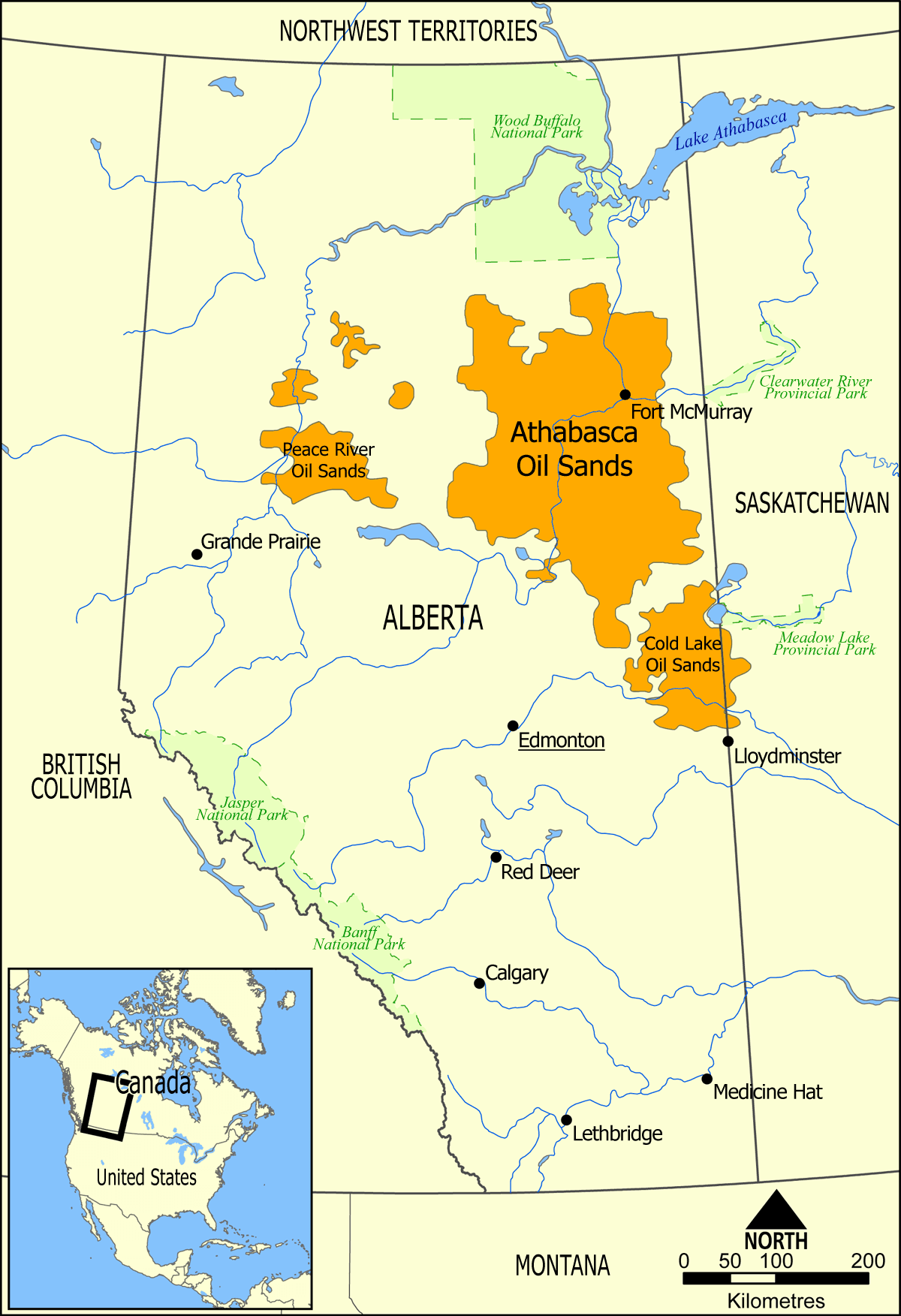
The federal government and the Alberta government have signed a memorandum that, if implemented, would reshape Canada's energy export strategy and bury a long-running fight between Ottawa and Edmonton over emissions policy. The deal couples a fast-tracked bitumen pipeline to the Pacific coast with the largest carbon capture project ever proposed in North America, and recasts federal climate rules around industrial pricing and project agreements rather than rigid sectoral caps.
What was announced
Prime Minister Mark Carney and Alberta Premier Danielle Smith confirmed the agreement on May 15 in a joint statement. The province has committed to submit a comprehensive proposal for a new bitumen pipeline to Asian markets to the federal Major Projects Office by July 1, 2026. Federal officials said they will treat the submission as a priority file under the one project, one review framework agreed to in March.
The pipeline would carry diluted bitumen from northern Alberta to a Pacific tidewater terminal, opening up significantly larger volumes for shipment to markets in Asia. The proponent and exact route have not been finalised. The federal commitment is procedural, not financial, but the political signal is substantial: a federal Liberal government, working with a conservative Alberta premier, has agreed that a new pipeline is in the national interest.
Crucially, the deal ties the pipeline's regulatory pathway to the Pathways Project, an industrial carbon capture, utilisation and storage system led by oil sands producers. The Pathways consortium has committed to achieving 16 million tonnes of annual emissions reductions, which would make it the largest single carbon capture project in the world if fully built.
The context
For more than a decade, federal and Alberta governments have clashed over how to balance oil sands development with national climate commitments. Previous federal pipeline efforts ran into court challenges, Indigenous opposition and, in one case, the cancellation of a major American leg of a proposed route. Alberta's argument has been consistent: it cannot reach net-zero targets without significantly more capital investment, and it cannot attract that capital without pipeline capacity to non-American markets.
Carney, whose Liberals depend on suburban and Quebec support that has historically been wary of new oil infrastructure, has framed the agreement as a strategic answer to American tariff pressure. Reducing dependence on the United States as the dominant buyer of Canadian crude, his government argues, gives Ottawa more leverage in trade talks and reduces the risk that future tariff escalations could choke off the country's largest single export sector.
Emissions and policy alignment
The deal locks in a methane equivalency agreement between the two governments, with a target of reducing methane emissions from Alberta's oil and gas sector by 75 per cent below 2014 levels by 2035. The federal government has agreed to step back from direct sectoral methane regulation in Alberta in exchange for provincial enforcement of the equivalent outcomes.
It also commits both governments to a coordinated approach on industrial carbon pricing, with the federal carbon levy on heavy emitters maintained but harmonised with Alberta's Technology Innovation and Emissions Reduction system. The agreement aims to give industrial investors greater certainty about the future trajectory of carbon costs, which industry groups have argued is necessary for multi-decade capital decisions.
Reaction from opposition parties
Conservative leader Pierre Poilievre welcomed the pipeline commitment but said the Liberal government took too long to come to it, arguing that years of regulatory delay cost the Canadian economy tens of billions of dollars. He said Conservatives will press for further pipeline approvals beyond the Asia-bound route.
New Democrats criticised the agreement as a step backward on climate. The NDP energy critic argued that tying climate policy to a new pipeline gives industrial emitters a veto over federal climate ambition. Bloc Québécois leader Yves-François Blanchet said the deal undermines Quebec's interests and questioned the federal commitment to consultation with provinces other than Alberta.
Indigenous response
First Nations and Métis groups along potential pipeline corridors said any project will require meaningful consent, not just consultation. Several leaders welcomed the principle of channelling Asian market access through a single, well-regulated pipeline but warned that previous attempts collapsed precisely because Indigenous concerns were treated as boxes to be checked.
The Assembly of First Nations and several provincial Indigenous organisations called for clear federal commitments on equity participation, revenue sharing and environmental monitoring before the proponent finalises its proposal.
What it means for Canadians
For Canadians outside Alberta, the most relevant economic question is how the strategy will affect federal climate commitments and trade leverage. The government argues that opening Asian markets would raise prices Canadian producers receive for heavy crude, increasing royalties and corporate tax revenues across the federation.
For Albertans, the deal lands in a context where the province has experienced repeated flare-ups over equalisation, federal climate rules and constitutional disputes. Premier Smith called the agreement the most significant federal-provincial energy accord in a generation. Critics within her own coalition argued the province conceded too much on emissions in exchange for federal cooperation.
Trade and geopolitical implications
The pipeline file lands in a Canadian-American context that has shifted dramatically. The Trump administration's tariffs on Canadian steel, aluminium and softwood lumber have intensified pressure on the federal government to diversify export markets. Officials in Ottawa have repeatedly cited Asian demand for heavy crude as an underused opportunity, particularly in countries seeking alternatives to Russian and Middle Eastern supply.
Strategic analysts cautioned that building a Pacific export route will not eliminate Canada's exposure to American policy. The United States remains the dominant refiner of Canadian heavy crude. What new infrastructure can do, they said, is reduce the price discount Canadian producers currently accept by giving them a credible alternative buyer.
British Columbia and the route question
Any pipeline to the Pacific coast must cross British Columbia, a province that has historically been resistant to new oil infrastructure. The British Columbia NDP government has not yet weighed in formally on the agreement, although its public posture on previous pipeline projects has been sceptical. The Carney government and Alberta will need to engage British Columbia on consultation, environmental protection and revenue sharing if a project is to advance.
The province's coastal communities, many of which depend on fisheries and tourism, have raised concerns about tanker traffic. Maritime safety, including spill prevention and response capacity, will be a central element of any environmental assessment. The federal government has previously committed to enhanced maritime monitoring as part of its Oceans Protection Plan, and that capacity will be tested by any new pipeline that significantly increases tanker movements.
The investor reaction
Canadian energy stocks rose modestly on news of the agreement, although markets had partially priced in the announcement. International investors have been watching Canadian energy policy closely for signs that the country can produce stable conditions for long-cycle capital deployment. The agreement was generally welcomed by industry analysts as a step in that direction.
Several major Canadian energy companies have expressed interest in the pipeline opportunity, although none have publicly committed to leading a proposal. The structure of the project, including ownership, financing and offtake arrangements, will be central to whether it can attract the multibillion-dollar capital required. Pension funds and infrastructure investors are likely to play significant roles.
The labour dimension
Building a major pipeline and the associated facilities will require tens of thousands of skilled trades workers over several years. Canada's building trades unions have welcomed the agreement and the prospect of large-scale work in the energy sector. The trades have also pressed for commitments on Canadian content, apprenticeship opportunities and prevailing wage standards.
The Pathways carbon capture project will similarly require significant skilled labour. Together, the two projects could anchor a substantial expansion of energy-sector employment in Alberta and beyond. That prospect has been a key element of the political case for the agreement, particularly in skilled-trades-heavy parts of the country.
What's next
The proponent's proposal is due to the Major Projects Office by July 1. The federal review timeline, including environmental assessment, Indigenous consultation and economic analysis, would then begin. The federal government has committed to making decisions on major projects within two years of complete applications under the new review system.
The Pathways Project also needs final investment decisions from its industry members and significant federal and provincial financing support. Without that capital commitment, the emissions reductions that anchor the political case for the pipeline could fall short. The next test of the deal will be whether industry and governments turn the framework into actual shovels in the ground.
Spotted an issue with this article?
Have something to say about this story?
Write a letter to the editor

