Supreme Court Creates New Tort of Intimate Partner Violence
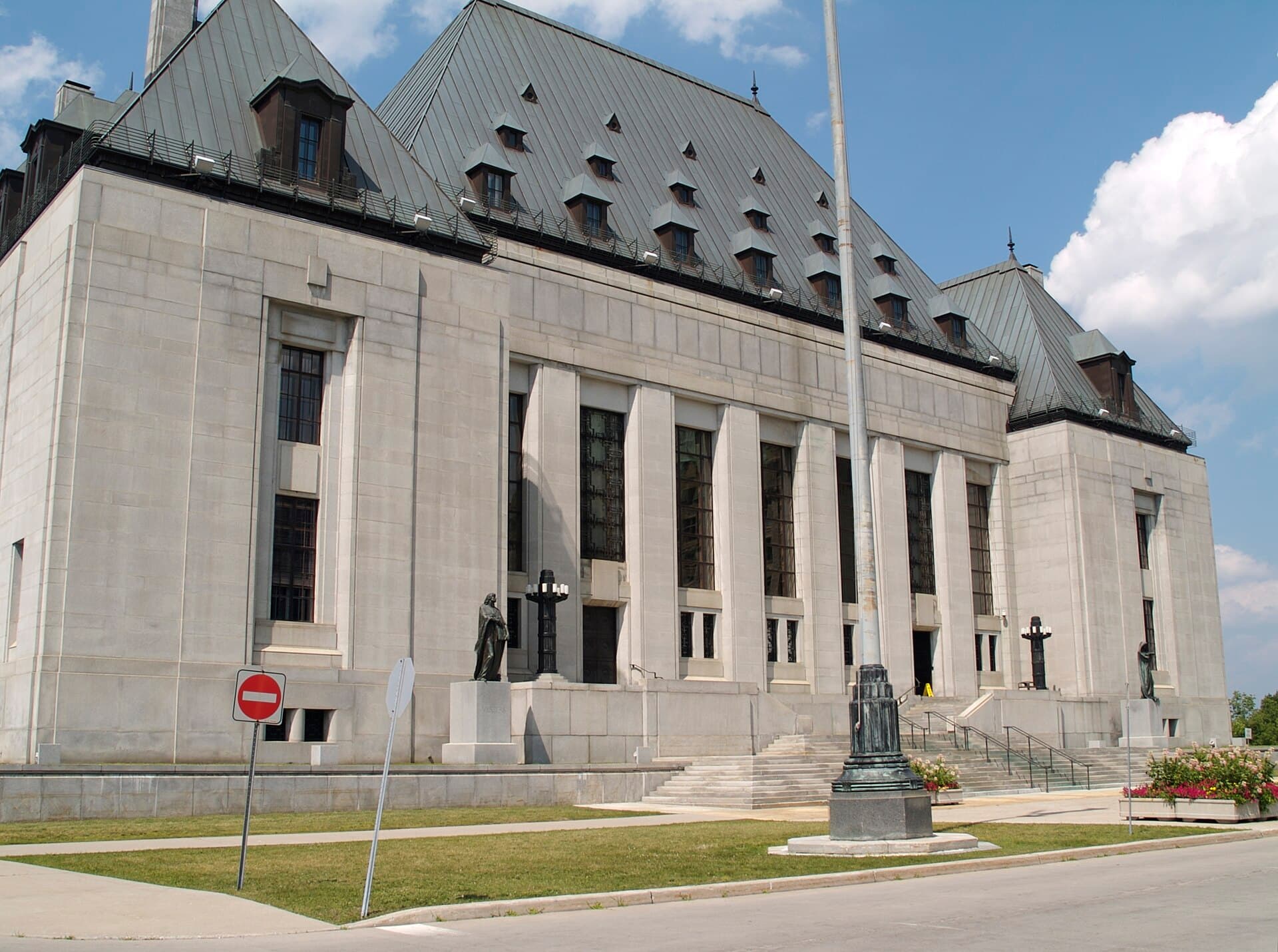
The Supreme Court of Canada has recognised a new civil cause of action for intimate partner violence, a decision that opens the door to lawsuits against abusive partners for a wide range of conduct that existing torts have struggled to capture. The six-three ruling, released Friday, recasts how the legal system treats coercive control and could reshape family and civil litigation across the country.
What the court decided
The majority held that intimate partner violence is centred on coercive control, a pattern of conduct that limits a person's dignity, autonomy and equality. The court found that existing torts, whether used separately or in combination, cannot fully remedy the injury inflicted by intimate partner abuse. Plaintiffs forced into traditional categories such as assault, battery or intentional infliction of mental suffering have had to break their experience into pieces that fit those categories, often leaving the core of the harm unaddressed.
The new tort allows survivors to bring claims that capture isolation, humiliation, surveillance, financial control, sexual coercion and intimidation, in addition to physical violence. It opens the door to civil damages awards that recognise the full scope of conduct rather than only the most visible incidents.
The case behind the ruling
The ruling arose from the case of Kuldeep Ahluwalia, a Punjabi woman who met and married Amrit Ahluwalia in India in 1999 before emigrating to Canada in the early 2000s. According to the ruling summary, Amrit Ahluwalia abused his wife over their 16-year marriage through physical assaults, humiliation, intimidation and conduct intended to inflict emotional distress.
Kuldeep Ahluwalia sought damages that reflected not only specific incidents of violence but the long pattern of behaviour that constrained her life, her finances and her sense of self. The lower courts grappled with how to fit her experience into existing legal categories. The Supreme Court used the case to settle the question for the country.
The reasoning
Writing for the majority, the court rejected the argument that existing torts plus criminal law provide sufficient remedy. Criminal prosecutions require proof beyond a reasonable doubt and depend on Crown discretion. Civil torts traditionally focus on discrete incidents rather than ongoing patterns. The court found that intimate partner violence often unfolds as a pattern rather than a series of separable acts, and that the law needs a tool calibrated to that reality.
The dissent argued that creating a new tort risks duplicating existing causes of action and could complicate civil litigation in ways courts have not fully anticipated. The minority would have left it to Parliament and provincial legislatures to fashion any new remedy.
Reaction from advocates and the bar
Women's shelters, anti-violence advocates and family law practitioners welcomed the ruling as a long-overdue recognition of how abuse actually operates. Several said the decision will give survivors a meaningful way to seek accountability when criminal prosecution either does not occur or does not produce a result that reflects the harm done.
The Canadian Bar Association said the ruling raises important practice questions for civil and family lawyers. According to a bar statement, lawyers will need to think carefully about how to plead the new tort, how to gather evidence of patterns of conduct over long periods, and how courts will set damages in the absence of a clear precedent base.
Defence lawyers raised concerns about how the new tort will interact with criminal proceedings, family law disputes over custody and property, and immigration cases where allegations of abuse can affect status. Several said the ruling will require careful judicial management to avoid drawing civil courts into matters more appropriately handled in other forums.
Provincial responses
Provincial attorneys general are reviewing the decision to determine what, if any, legislative response may be needed. Some provinces had already moved on related issues. British Columbia, for example, has expanded civil protections for survivors of intimate partner violence over the past few years, and Ontario has developed specialised court processes for family violence cases.
Several provincial governments said the ruling is consistent with the direction their justice systems have been moving. Others, particularly those with limited civil legal aid capacity, expressed concern about whether the resources exist to support the surge of litigation the ruling may produce.
What it means for survivors
For survivors of intimate partner violence, the most immediate change is the availability of a civil avenue that recognises the full scope of their experience. Advocates cautioned that civil litigation is not a remedy that will be accessible to everyone. It is expensive, slow and can require survivors to engage with their abusers again through the legal process.
What the ruling can do, advocates said, is establish a legal record that names coercive control for what it is. That alone, they said, can be meaningful for survivors who have been told for years that what they experienced does not fit any legal category.
Practical questions ahead
The ruling leaves several practical questions for lower courts to work out. Among them: what evidentiary standards will apply to claims of coercive control, how patterns of conduct will be assessed, how damages will be quantified, and how the new tort will interact with overlapping criminal, family and immigration matters.
Courts will also have to consider limitation periods. Many survivors do not bring claims until years after the abuse ends. Provincial limitation legislation has been adjusted in recent years for sexual assault claims, and similar adjustments may be needed for the new tort.
Federal policy implications
The federal government welcomed the ruling and said it reinforces the importance of the national action plan to end gender-based violence. The justice minister's office said the department will review the decision to determine whether complementary federal action is needed, particularly in areas where federal jurisdiction overlaps with the issue, such as immigration and divorce law.
Members of Parliament from several parties said the ruling underscores the need for greater investment in legal aid, shelter capacity and trauma-informed support services. The federal government has, in past years, increased funding for women's shelters and survivors' services, but advocates say demand continues to outpace supply.
The criminal justice intersection
Civil litigation for intimate partner violence will not replace criminal prosecutions, and the two systems will likely operate in parallel for many survivors. Criminal proceedings address public safety and accountability, while civil claims address private remedies and damages. Both have important roles, and survivors will need to navigate the distinctions carefully.
Criminal law in Canada has been amended in recent years to better recognise coercive control, although the offences continue to focus largely on specific acts rather than patterns. The civil tort that the Supreme Court has now recognised may, paradoxically, become more useful for many survivors than criminal prosecution. Civil litigation has lower evidentiary thresholds and gives plaintiffs more control over the case.
Insurance and employer implications
The ruling raises questions for insurance markets and for employers. Homeowner and renter insurance policies typically exclude intentional acts, which means damages awards in intimate partner violence cases may not be covered by standard policies. That has implications both for plaintiffs hoping to recover and for defendants facing exposure.
Employers, particularly those whose employees may be subject to civil litigation, may also need to review policies. Workplace responsibilities for safety and accommodation may intersect with civil litigation between current or former partners in ways that practitioners have only begun to explore.
Cross-cultural and immigration considerations
The Ahluwalia case involved a marriage that began in India and continued through immigration to Canada. Many intimate partner violence cases in Canada involve immigrants, refugees and members of cultural communities where particular dynamics of family pressure, financial control and isolation may operate. The ruling's framework, which recognises patterns of coercive control, may be particularly important in these contexts.
Immigration law also intersects with the question, since sponsored partners can be vulnerable to threats related to status. Legal advocates for immigrant women have welcomed the ruling and have called for further reform of sponsorship arrangements to reduce the risk of coercive use of immigration leverage.
What's next
Lawyers expect a wave of new civil claims as plaintiffs and counsel test the contours of the new tort. The first set of lower court decisions applying the ruling will be watched closely for guidance on how courts will assess coercive control, how patterns of abuse will be documented, and what damages awards will look like.
For survivors, advocates and the wider justice system, the ruling marks one of the most significant developments in Canadian family and civil law in a generation. Whether it produces the change advocates hope for will depend on access to legal services, on the willingness of courts to apply the new framework rigorously and on the supports available to people who choose to bring claims.
Spotted an issue with this article?
Have something to say about this story?
Write a letter to the editor