Canada's 2026 Wildfire Season Could Open Quietly Before a Hot, Dry Summer Tips the Scales
After three consecutive years of severe wildfire activity, Canada is heading into the 2026 fire season with a mixed forecast. Long-range modelling suggests that activity may be relatively quiet through the spring, but a combination of lingering drought, an unusually warm summer outlook and the developing El Niño pattern could tip the country toward another challenging season once the weather warms in earnest.
Federal fire-weather analysts and provincial agencies are urging communities to prepare now, drawing on lessons from a brutal stretch that began with the record-shattering 2023 season and continued through significant fires in 2024 and 2025. The Canadian Wildland Fire Information System has flagged several regions, including British Columbia's southern Interior, northern Manitoba and the eastern Northwest Territories, as warranting close attention from the early weeks of May onward.
What the spring outlook says
For most of Canada, the snowpack at the end of April is fairly deep, particularly in northern regions. That accumulated water acts as a buffer in the early season, slowing fire spread and helping fire-management agencies catch ignitions before they grow. The most recent national fire-weather modelling suggests that the early weeks of May will likely produce localised hotspots rather than widespread danger, with much of the boreal zone protected by residual snow and saturated ground.
The picture differs in southern British Columbia and the southern Prairies, where below-normal snowpack and persistent drought have left forests, grasslands and underbrush primed to ignite. The southern Interior of British Columbia and parts of southwestern Saskatchewan have already seen short bursts of fire-conducive weather earlier this spring, providing a preview of what early-season conditions in those regions may look like.
Drought-stricken New Brunswick is also being watched closely, after below-normal snowfall and dry conditions through the winter. In the eastern Northwest Territories and around Hudson Bay, lower-than-normal snow accumulation has left some areas with limited spring moisture, raising the prospect of an earlier-than-usual transition into fire weather.
Why the summer outlook is more concerning
Long-range temperature forecasts call for above-normal heat across most of Canada through the summer. Environment and Climate Change Canada has projected that 2026 will rank among the warmest years on record globally, with temperatures running roughly 1.35 to 1.53 degrees Celsius above pre-industrial levels.
Layered on top of that is the developing El Niño pattern in the Pacific. El Niño tends to push the jet stream into configurations that bring drier and hotter summers to large parts of western and northern Canada. Recent El Niño years have generally coincided with elevated fire activity, although the relationship is not deterministic and is heavily influenced by precipitation patterns earlier in the year.
Forest specialists also warn that the cumulative impact of three severe seasons has left landscapes drier and more vulnerable. Dead and downed wood from past fires, expanded areas of mature spruce killed by infestation, and a build-up of fuels in regions that have not burned for decades all contribute to elevated risk. Once a hot, dry stretch sets in, the speed at which fires can grow has changed meaningfully from what was typical even a decade ago.
Provincial readiness
British Columbia has expanded its initial-attack capacity for the 2026 season and continues to invest in night-vision aerial firefighting tools that proved their value in recent years. The province's wildfire service has also upgraded its prepositioning model, deploying crews and equipment to high-risk regions before fires start rather than responding after ignitions.
Alberta has continued to scale up its Forestry and Parks ministry's seasonal staffing, with a focus on the north and on the Rocky Mountain foothills. The province has also accelerated FireSmart programming aimed at reducing fuel loads near communities, drawing on a substantial provincial allocation in this year's budget.
Saskatchewan and Manitoba are coordinating closely with Indigenous Services Canada and First Nations leadership in northern communities, given that several major evacuations in recent years have hit remote First Nations particularly hard. The provincial wildfire teams have invested in new weather-monitoring stations across the boreal zone to improve forecasting accuracy.
In Ontario, the wildfire program continues to operate from its bases in northern districts, with refreshed mutual-aid arrangements in place with both western provinces and U.S. agencies. Quebec's SOPFEU agency has expanded its training partnerships and is again deploying its detection-aircraft network as the season opens. Atlantic provinces, while typically lower risk, are watching New Brunswick's drought conditions with concern. Yukon, Northwest Territories and Nunavut are coordinating both prevention and response with federal partners and with each other across vast and sparsely populated terrain.
Federal coordination
The Canadian Interagency Forest Fire Centre, based in Winnipeg, is again coordinating mutual-aid arrangements between provinces and territories, and with international partners including the United States, Australia and several European countries. International crews from countries with complementary fire seasons have become a key element of Canadian response capacity in recent years, particularly during the largest emergency periods.
The federal government has continued to expand the Canadian Disaster Database and is supporting provinces and territories through the Disaster Financial Assistance Arrangements. New investments in remote-sensing capacity, including additional satellite data for fire detection and impact assessment, are aimed at giving provincial agencies earlier warning of new ignitions in remote regions.
The Carney government has signalled that climate adaptation will be a priority over the coming budget cycle, with wildfire response, flood mitigation and coastal infrastructure all in line for sustained federal funding. Officials have not announced specific new wildfire funding tied to this week's spring economic update beyond previously announced commitments, but indicated that further measures could come in the fall economic statement.
Indigenous communities on the front line
First Nations, Inuit and Métis communities have borne a disproportionate share of evacuations and disruptions during recent fire seasons. Several northern Manitoba and northwestern Ontario communities have been evacuated multiple times in recent years, and the cumulative trauma and economic disruption have raised serious concerns from Indigenous leadership.
The Assembly of First Nations and several regional Indigenous organisations are pressing for a more sustained federal commitment to community-led prevention, including FireSmart initiatives, training of local crews and investment in evacuation infrastructure. Indigenous Services Canada has expanded support for community-led emergency-management capacity but advocates argue that the pace remains too slow given the worsening risk profile.
The federal government's spring economic update earmarked roughly $4.3 billion for Indigenous priorities including First Nations education, Inuit food security and Indigenous child welfare, with separate envelopes for housing in northern and remote communities. Wildfire-related infrastructure improvements are expected to be funded through these programs, although specific allocations have not yet been confirmed.
What it means for Canadians
For residents of high-risk regions, the spring is the moment to update emergency plans, clear flammable debris from immediate property surroundings and confirm communications with local authorities. Provincial agencies provide detailed FireSmart guidance, and homeowners' insurance providers are increasingly tying premiums and coverage limits to property-level fire-readiness.
For travellers, the summer's road-trip season may be punctuated by smoke advisories and access restrictions, particularly in the West and the North. Air-quality warnings linked to wildfire smoke have become a routine feature of Canadian summers, with significant health impacts for vulnerable populations including older adults, children and those with respiratory conditions.
For the broader economy, severe wildfire seasons impose substantial costs through lost timber revenue, infrastructure damage, evacuation expenses and public-health outcomes. The Insurance Bureau of Canada has flagged the rising cost of climate-related events as a structural pressure on premiums and on insurer balance sheets, with implications for affordability across the property and casualty market.
What is next
The first significant fire-weather period in much of the West typically begins in mid- to late May, depending on temperature and precipitation in the second half of the month. Provincial agencies will issue regular updates as conditions evolve, and the Canadian Wildland Fire Information System provides daily national maps of fire weather and active fires.
Federal and provincial governments will spend the spring confirming mutual-aid arrangements and prepositioning equipment. Communities are encouraged to participate in FireSmart workshops and to prepare emergency kits well in advance of any evacuation order. Insurance providers, utilities and transportation networks will all be on heightened alert as the summer outlook crystallises.
Whether 2026 ultimately joins 2023, 2024 and 2025 as a fourth consecutive severe season or breaks the pattern will depend on weather over the next several months. What is already clear is that the new normal for Canadian fire activity is meaningfully more challenging than what was historically expected, and that adaptation, prevention and response capacity will need to keep pace if the country is to manage the risk effectively.
Spotted an issue with this article?
Have something to say about this story?
Write a letter to the editorRelated Stories
Fort McMurray Region on Alert as Ice Jam Pushes Clearwater River Over Banks
1d ago
B.C. Wildfire Season Opens Early With Fraser Canyon Fire and Cariboo Evacuation Alerts
3d ago
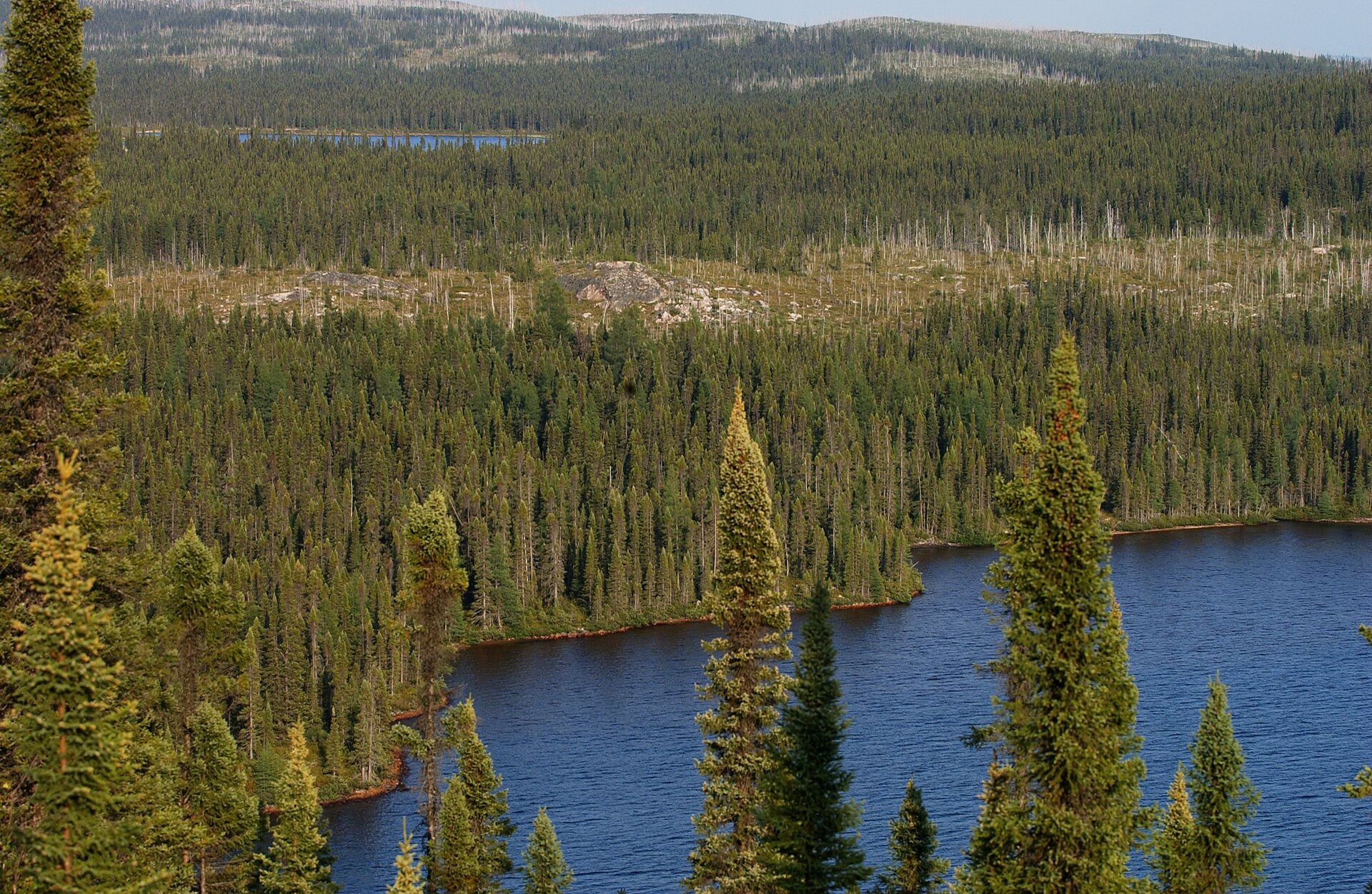
Canada's 2026 Wildfire Season Outlook: Quiet Spring, but Warning Signs Build
4d ago