Easter Ceasefire Collapses in Ukraine as Canada Presses for Lasting Peace Effort
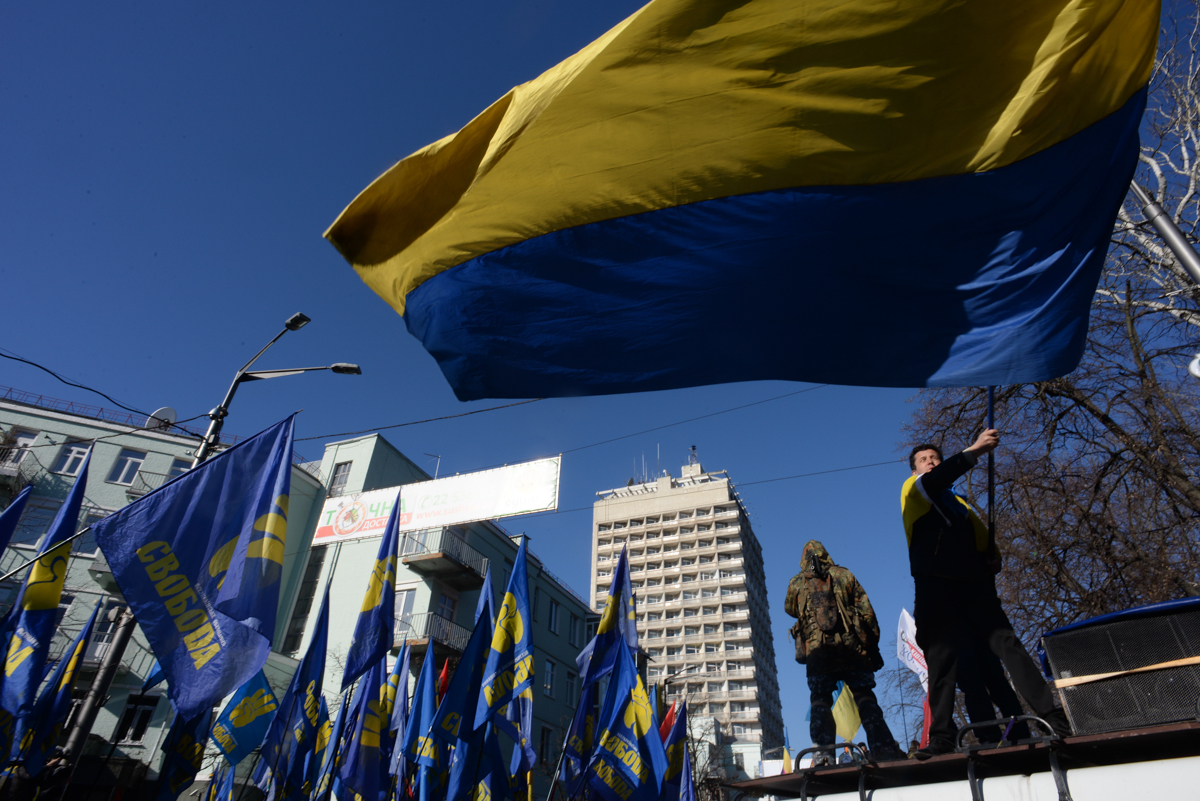
The 32-hour Orthodox Easter ceasefire between Russia and Ukraine collapsed almost as quickly as it began earlier this month, with both sides recording thousands of violations and the front line returning to its grinding war of attrition. For Canada, where a Ukrainian Canadian community of more than 1.3 million has been intensely engaged with the conflict since Russia's full-scale invasion in 2022, the failed truce reinforced the difficulty of moving from a battlefield stalemate to a durable peace.
What happened
Russian President Vladimir Putin announced a 32-hour ceasefire to coincide with Orthodox Easter celebrations, more than a week after Ukrainian President Volodymyr Zelenskyy first proposed such a pause. The truce was scheduled to run from 4 p.m. local time on Saturday until midnight on Sunday, covering one of the most significant religious observances in both countries.
By Sunday morning, the Ukrainian military had recorded 2,299 ceasefire violations, including 28 enemy assault actions, 479 enemy shellings, 747 strikes by attack drones and 1,045 strikes by FPV drones. Russia's Ministry of Defence accused Kyiv of nearly 2,000 breaches, although Western analysts considered the Russian count a reciprocal political claim rather than an independently verifiable accounting.
The Ukrainian armed forces did note one element of restraint: no long-range Shahed drone attacks, guided aerial bombings or missile strikes were recorded during the truce period, suggesting that Russia held back its heaviest weapons systems even as smaller attacks continued. That partial restraint was not enough to allow the truce to translate into momentum for broader peace talks.
The Canadian connection
Canada's Ukrainian community is the largest of any country outside Russia and Ukraine itself, with deep roots in the prairies, Ontario, Quebec and other parts of the country. Family ties, business relationships and personal histories link Canadians directly to the war. The community has been a significant force in shaping Canadian political and humanitarian responses since the start of the full-scale invasion.
The Ukrainian Canadian Congress and other diaspora organisations have continued to push the federal government for stronger sanctions on Russia, expanded military and humanitarian aid for Ukraine and faster processing of immigration applications for Ukrainians displaced by the war. Canadian officials have generally been responsive, although the war's prolonged nature has tested both political attention and budgetary commitment.
Prime Minister Mark Carney has reaffirmed Canada's support for Ukraine multiple times since taking office, and the federal government has continued to send equipment and humanitarian aid. Canada's military contribution includes training programs, the provision of armoured vehicles and ammunition, and ongoing diplomatic support at international forums.
Carney's diplomatic plans
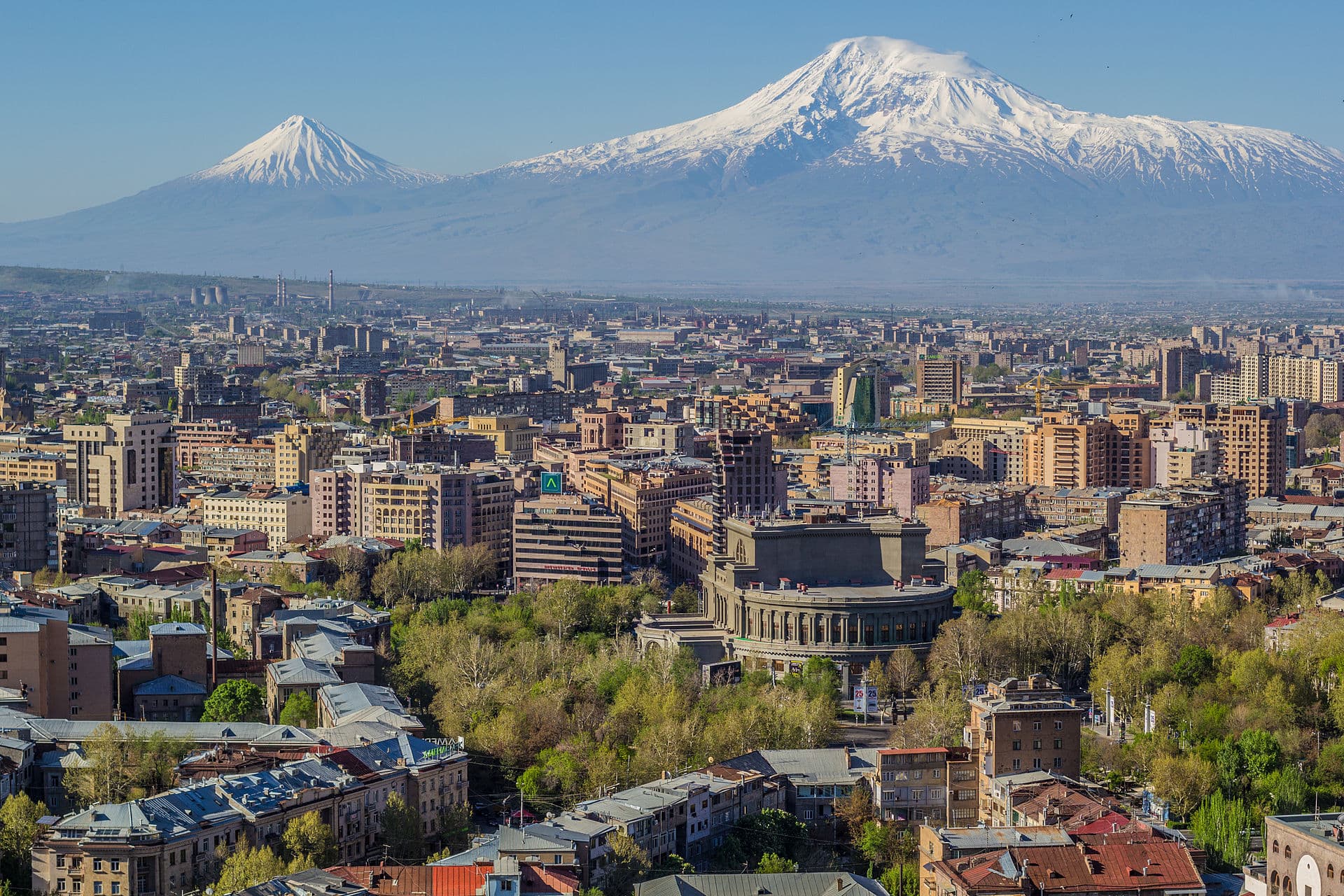
The prime minister will travel to Yerevan, Armenia from May 2 to May 4 to participate in the European Political Community Summit, where Ukraine and broader European security are expected to be central themes. The trip will be Carney's first official visit to Armenia and the first time a non-European leader has joined the EPC summit.Carney is expected to meet with European leaders to reinforce collective security commitments, advance support for Ukraine and discuss ways to bolster the country's defence and reconstruction. The agenda will also include energy security, critical minerals and trade, all of which are directly affected by the war.
Canada has positioned itself as a reliable partner of European democracies on security questions, and the trip is being framed in part as a pitch for deeper economic integration with the continent at a moment when North American trade dynamics remain unsettled.
The view from the front
The collapse of the Easter ceasefire reflects the broader stalemate that has shaped the war since 2024. Neither side has been able to break through decisively, and both have suffered significant losses while making only marginal territorial gains. The arrival of new weapons systems on both sides has continued to alter tactical dynamics, but the strategic picture has remained difficult.
US-led diplomatic efforts to broker a lasting ceasefire have stalled multiple times. The Trump administration's approach has emphasised direct talks with Russia and pressure on Kyiv, while European partners and Canada have argued for a settlement framework that includes meaningful security guarantees for Ukraine. Those positions have not yet converged.
For Ukrainian forces, the war has consumed a generation. Conscription, casualty rates and the toll on civilian morale have all been challenges, even as Ukrainian society has demonstrated extraordinary resilience. Russian forces have faced their own challenges with personnel and equipment, with reports of significant casualties and the use of North Korean troops on Russian-controlled fronts continuing to draw international concern.
Sanctions and economic pressure
Canada has continued to extend sanctions against Russian individuals and entities, in coordination with European Union, United Kingdom and United States measures. The cumulative impact of the international sanctions regime has been significant, although Russia has found ways to work around individual restrictions through alternate trade routes and currency arrangements.
The frozen Russian state assets in Western financial systems, totalling hundreds of billions of dollars, remain a contested topic. Some Western governments have pushed for the assets to be transferred to Ukraine for reconstruction, while others have raised legal and precedent concerns. Canada has been active in the technical work on this question, although a final decision will require coordinated action across major holders of the assets.
The humanitarian dimension
The war's humanitarian toll continues to mount. Tens of thousands of Ukrainian civilians have been killed since the full-scale invasion began, and millions have been displaced internally or as refugees abroad. Canada's Canada-Ukraine Authorisation for Emergency Travel programme has welcomed Ukrainians fleeing the war, although the programme has faced administrative challenges and capacity constraints.
Canadian humanitarian organisations have continued to fundraise and deliver aid, including medical supplies, food assistance and support for psychological care for survivors of trauma. Civil society partnerships between Canadian and Ukrainian organisations have multiplied since 2022, creating a denser web of support than existed before the war.
What it means for Canadians
For Ukrainian Canadians, the war remains a constant presence in family life, community gatherings and political conversation. The collapse of the Easter ceasefire was a painful reminder of the difficulty of imagining an end to the conflict, even on the timetable of a religious observance that holds deep meaning for both Ukrainian and Russian Orthodox communities.
For Canadians more broadly, the war's effects show up in defence spending decisions, immigration debates and international diplomacy. The federal government's planned increases in defence spending, including commitments to meet NATO's 2 per cent of GDP target, are tied directly to the security environment created by the war. Canadians also experience the economic ripples through energy and food prices, although these have been less acute in 2026 than in earlier years of the conflict.
The defence procurement dimension
The war in Ukraine has reinforced the urgency of Canada's defence procurement programme. The federal government has accelerated commitments to acquire F-35 fighter aircraft, new submarines and ground forces equipment, with the goal of bringing Canadian defence spending to NATO's 2 per cent of GDP target on a defined timeline.
Canadian defence industry partners have been working to scale production of artillery shells and other munitions in support of both Ukrainian needs and the rebuilding of Canadian and allied stockpiles. The procurement contracts have created jobs in industrial communities while contributing to allied security objectives.
The defence policy debate in Canada has shifted significantly since 2022, with broader political consensus on the need for sustained investment. Debates remain about specific procurement decisions, including the cost trajectory of major capital projects and the operational priorities of the Canadian Armed Forces, but the basic case for increased spending has become much more difficult to challenge in the current security environment.
Civil society engagement
Canadian civil society organisations have continued to drive humanitarian fundraising, advocacy and direct support for Ukraine. Faith-based groups, professional associations and community organisations have all built durable connections with Ukrainian partners. Universities have established research collaborations with Ukrainian institutions, and Canadian medical professionals have travelled to Ukraine to provide trauma care and training.
The Ukrainian Canadian Congress remains the central coordinating body for diaspora advocacy and humanitarian response, but the broader network has expanded to include hundreds of organisations across the country. The depth of this engagement is one of the reasons Canadian commitments to Ukraine have been more durable than in many other Western countries, even as political attention has fluctuated over the course of the war.
What's next
Diplomatic efforts to renew ceasefire talks are likely to continue, even as the prospects remain uncertain. The summer fighting season is expected to be intense, with Russia attempting further offensives and Ukraine working to consolidate defensive positions and selectively reclaim territory.
Canada's role will continue to combine diplomatic, military and humanitarian elements. The European Political Community Summit in Armenia will be a key venue for advancing those efforts. Beyond the immediate war, the longer-term question of how to integrate Ukraine into the European security architecture remains a central point of allied discussion.
For Canadian Ukrainians, the collapse of the Easter ceasefire underlined what they have understood since 2022: that durable peace will require more than goodwill and that the path forward depends on sustained pressure, robust support and a willingness by allies to maintain solidarity over what may be a long horizon.
Reconstruction planning
Even as the war continues, Canadian government and civil society partners have been engaged in reconstruction planning for Ukraine. Discussions around energy infrastructure, demining, healthcare systems and education programmes have been part of the longer-term horizon, with the goal of ensuring that significant resources are ready to deploy when the security situation allows.
Canadian companies in engineering, energy and construction have been identifying opportunities to participate in reconstruction efforts when conditions permit. The federal government has been engaged in coordinating with allied capitals on the institutional architecture for reconstruction financing, including the role of frozen Russian state assets in supporting recovery.
Spotted an issue with this article?
Have something to say about this story?
Write a letter to the editor