Hurricanes Shut Out Senators in Game 1 Behind Andersen's 22-Save Effort
Frederik Andersen stopped all 22 shots he faced as the Carolina Hurricanes blanked the Ottawa Senators 2-0 in Game 1 of their Eastern Conference first-round series on Friday, April 18 at Lenovo Center in Raleigh. Logan Stankoven and Taylor Hall scored, and a third-period disallowed Ottawa goal tilted a close game firmly in Carolina's direction. The result extended Carolina's streak of postseason-opening wins to seven games, the fifth team in NHL history to run that tally.
Ottawa played a strong, structured road game through two periods but could not solve Andersen when it mattered. The Senators, making their first playoff appearance since 2017, showed flashes of the compete level that drove them to the playoff door at the end of the regular season, but could not convert on a crucial third-period shift that might have changed the series arc.
How the game unfolded
The opening faceoff set the tone with an immediate fight that underscored the tight atmosphere. From there, play settled into a defensive wrestling match, with both teams taking relatively few chances and relying on goaltending. Stankoven opened the scoring for Carolina in a first period that featured more structure than offence.
The Senators generated chances in the middle frame, including clean looks from Tim Stutzle and Brady Tkachuk, but Andersen was sharp and the game remained 1-0 after 40 minutes. Linus Ullmark was equally active at the other end, keeping Ottawa in contact with a sound display behind a tight Senators defensive structure.
The third period delivered the game's decisive moment. Ottawa appeared to tie the game at 3:54 when Drake Batherson tried to jam the puck past Andersen, but video review determined the puck did not cross the goal line after Andersen stopped it with his glove. Taylor Hall then extended Carolina's lead later in the frame, and the Hurricanes locked down the remainder of the game.
The disallowed goal
The review of Batherson's apparent equaliser is likely to be debated through the series. The call on the ice was initially favourable to Ottawa before video review overturned it. The NHL's situation room relies on camera angles and blade placement to determine whether the puck fully crossed the line, a process that has produced contested outcomes in past postseasons.
Ottawa coach Travis Green declined to be drawn into public criticism of the review, according to his postgame media availability. Players described the call as a tough break but quickly pivoted to the necessity of generating another goal rather than relitigating the decision.
For Carolina, Andersen's glove save was the headline of the sequence. The veteran Danish goaltender has had an up-and-down postseason career, but his Game 1 performance is a reminder that his best level can carry a team through a series. The Hurricanes' organisational bet on him as their starter got an early, emphatic return.
Ottawa's playoff return
This is the Senators' first postseason run since 2017, a long drought for a market that had grown accustomed to Stanley Cup contention through the 2000s. The rebuild under owner Michael Andlauer has drawn out slower than initially promised, but the team's spring surge and late-season momentum delivered a playoff berth that felt long overdue.
For the organisation, reaching the playoffs is already a box checked. The real test is whether Ottawa can take Carolina to seven games and treat the experience as a foundation for deeper runs in coming years. A first-round exit would still count as progress, but a competitive series would matter more for the long-term trajectory of the roster.
Brady Tkachuk, the franchise's captain, carried a heavy workload in Game 1 and will be relied upon to lead by example through the rest of the series. Coach Green has been consistent that the Senators need to play through him and through Stutzle to produce offence against a defensively dominant Hurricanes team.
The Hurricanes' formula
Carolina's playoff identity has been consistent for several seasons. The Hurricanes rely on aggressive, organised forechecking, heavy puck possession in the offensive zone, and a defensive structure that limits odd-man chances. In Game 1 against Ottawa, all three elements were on display.
Coach Rod Brind'Amour has built a group that produces a narrow range of outcomes. Carolina rarely blows teams out and rarely gets blown out. That identity translates into series that often feel tighter than they become on the scoreboard, and Game 1 followed the pattern. Ottawa was close enough to feel that the series is winnable while also being outmuscled in the meaningful shifts.
Stankoven and Hall, the two Game 1 scorers, represent the Hurricanes' middle-six depth and veteran experience respectively. That combination has been a feature of Brind'Amour's playoff groups, and it gives Carolina the ability to spread scoring across several lines rather than depending on a single top unit.
What Ottawa needs to change
Ottawa's postgame analysis, visible in public comments and coaching-staff signals, focused on converting quality chances, maintaining discipline in the defensive zone, and finding a way to crack Andersen at five-on-five. The power play, which did not capitalise in Game 1, is a particular priority.
Matchup-wise, Green will want to improve the deployment of his top line against Carolina's shut-down defenders. If he can generate more favourable matchups in Game 2, the Senators' top offensive talent will have more room. Last-change advantage belongs to Carolina at home in Game 2, which means Ottawa must win those matchup battles differently until the series returns to Canadian Tire Centre.
Ullmark's workload will also be a storyline. The veteran Swedish goaltender kept Ottawa in the game, and his ability to sustain that level will be essential to any Senators series victory. A single soft goal in Game 2 could tilt the series emphatically in Carolina's direction.
Three Canadian teams alive
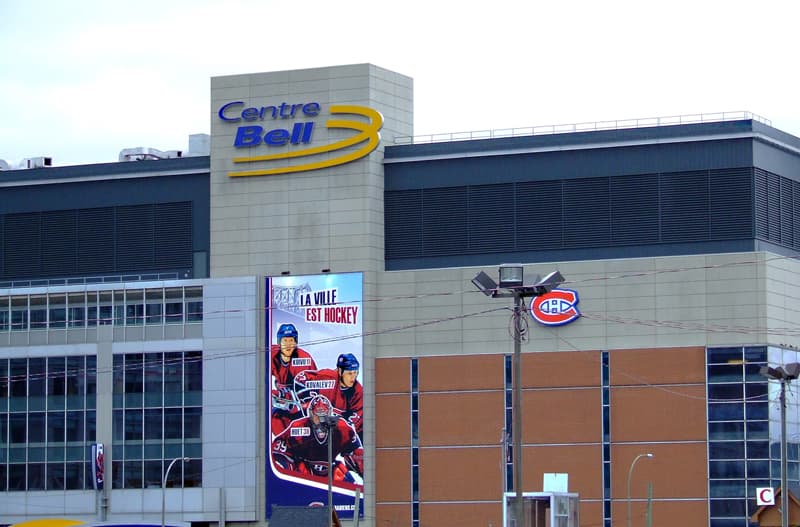
Ottawa's presence in the playoffs is part of a broader national storyline. Along with Montreal, which beat Tampa Bay in overtime in Game 1 on Sunday, and Edmonton, which opens its first-round series on Monday, the Senators make up a trio of Canadian teams active in the postseason. Toronto missed the playoffs this season, extending a long stretch without a deep run.
For Canadian hockey markets, the presence of three teams in the first round is a welcome break from the recent pattern of early spring disappointment. Regional broadcasters, betting markets and sponsors all benefit from the extended reach of multiple Canadian playoff series.
Ottawa's fit in that national picture is particularly noteworthy given the length of its playoff drought. A competitive series against a Cup-credentialled Hurricanes team would resonate beyond the city, and a deeper run would recast expectations for the franchise heading into next season's free agency and draft.
What the Canadian Tire Centre crowd will see
When the series shifts to Ottawa for Game 3 later this week, the Canadian Tire Centre will host its first playoff game since 2017. Ticket demand has surged in the lead-up, with secondary market prices climbing steadily through the week, and the team's merchandising has moved more Senators-branded gear in the past fortnight than in several regular-season months combined. The building's capacity is just under 19,000 for hockey, and sellouts are expected regardless of series score.
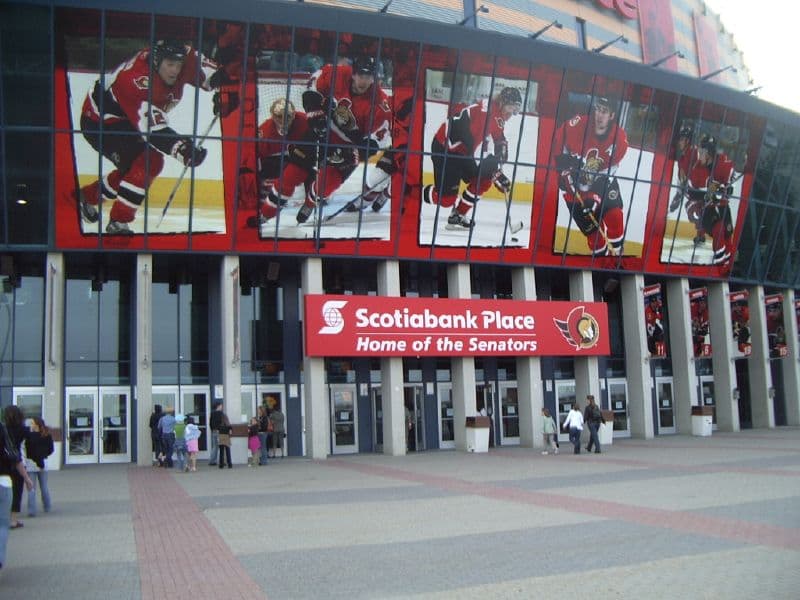
The crowd dynamic is an underrated factor in playoff hockey. Ottawa's long absence from the postseason means a generation of younger fans has never experienced a playoff game in the building, and the atmosphere expected around the Scotiabank Place exterior, in the Bell Sensplex concourses and along the pre-game procession from hotel to arena will be significant. Hurricanes players, who experienced Ottawa's April 18 road crowd from a visitor's perspective, have publicly acknowledged the noise level they expect when the series tips home.
Commercial impact for Ottawa's west end has been real. Restaurants, sports bars and hotels near Kanata are running at higher capacity than a typical mid-April week, and the team's community partnerships have reported increased engagement. That economic lift is one of the quieter benefits of playoff hockey that returns with a team, and city officials have been candid about hoping the boost lasts deeper into spring.
What's next
Game 2 is set for Sunday, April 20 in Raleigh. A win for Ottawa would send the series north tied 1-1, while a second Carolina victory would put the Senators in a deep hole heading to Canadian Tire Centre for Games 3 and 4. The road split in opening rounds is a classic inflection point in NHL playoff series.
For the Hurricanes, the priority is to avoid complacency. Carolina knows as well as any team that a 1-0 series lead earned in overtime-like conditions can evaporate with a single lapse in Game 2. Brind'Amour's public messaging has already emphasised continuity rather than celebration.
The broader series fundamentals favour Carolina based on regular-season quality. But Ottawa's ability to push Carolina into a tight Game 1 suggests the Senators have a plausible path to a competitive series. Whether the shutout in Game 1 becomes the defining image of the matchup or a forgettable first act will be written over the next several games.
Spotted an issue with this article?